- English
- French
- German
- Portuguese
- Spanish
- Russian
- Japanese
- Korean
- Arabic
- Greek
- German
- Turkish
- Italian
- Danish
- Romanian
- Indonesian
- Czech
- Afrikaans
- Swedish
- Polish
- Basque
- Catalan
- Esperanto
- Hindi
- Lao
- Albanian
- Amharic
- Armenian
- Azerbaijani
- Belarusian
- Bengali
- Bosnian
- Bulgarian
- Cebuano
- Chichewa
- Corsican
- Croatian
- Dutch
- Estonian
- Filipino
- Finnish
- Frisian
- Galician
- Georgian
- Gujarati
- Haitian
- Hausa
- Hawaiian
- Hebrew
- Hmong
- Hungarian
- Icelandic
- Igbo
- Javanese
- Kannada
- Kazakh
- Khmer
- Kurdish
- Kyrgyz
- Latin
- Latvian
- Lithuanian
- Luxembou..
- Macedonian
- Malagasy
- Malay
- Malayalam
- Maltese
- Maori
- Marathi
- Mongolian
- Burmese
- Nepali
- Norwegian
- Pashto
- Persian
- Punjabi
- Serbian
- Sesotho
- Sinhala
- Slovak
- Slovenian
- Somali
- Samoan
- Scots Gaelic
- Shona
- Sindhi
- Sundanese
- Swahili
- Tajik
- Tamil
- Telugu
- Thai
- Ukrainian
- Urdu
- Uzbek
- Vietnamese
- Welsh
- Xhosa
- Yiddish
- Yoruba
- Zulu
Are Chinese Cabbage Tofu Dumplings Vegan? Shopping and Cooking Tips
Chinese cabbage tofu dumplings sit at an interesting crossroads between traditional comfort food and modern plant-based dining. At first glance, the filling — tender napa cabbage paired with soft tofu — sounds entirely vegan. The honest answer, though, is: it depends on the specific product and supplier. Some formulations contain hidden animal-derived seasonings, cross-contamination risks, or ambiguous additives that disqualify them from strict vegan standards. This guide walks through everything a procurement professional or restaurant buyer needs to know before committing to a supplier, from ingredient verification to cooking methods and nutritional value.
Understanding Whether Chinese Cabbage Tofu Dumplings Are Vegan
Not all dumplings that say "vegetable" are actually vegan. This difference is very important for foodservice buyers who supply temple canteens, vegan restaurant chains, or store shelves that are health-conscious.
What Makes a Dumpling Truly Vegan
A truly vegan dumpling wrapper and filling must not have any animal-based ingredients, like butter, egg wash, bone broths, or gelatin-based fillers. Many mass-produced vegetable dumplings use flavor enhancers made from chicken or oyster sauce in their seasoning mixes, which means they are not vegan at all. Some recipes use acid-hydrolyzed veggie protein seasoning, which should be carefully looked over by buyers to make sure it comes only from soybean meal and not from breaking down animal flesh.
Hidden Risks in the Ingredient List
Cross-contamination on shared production lines is a real safety risk that goes beyond the clear filling ingredients. Trace animal proteins may be moved between lines in a facility that makes pork dumplings, even if the recipe is plant-based. When looking for suppliers for places with strict dietary rules, procurement workers should make sure that any possible supplier has either clean-line certification or a specific vegan production schedule.
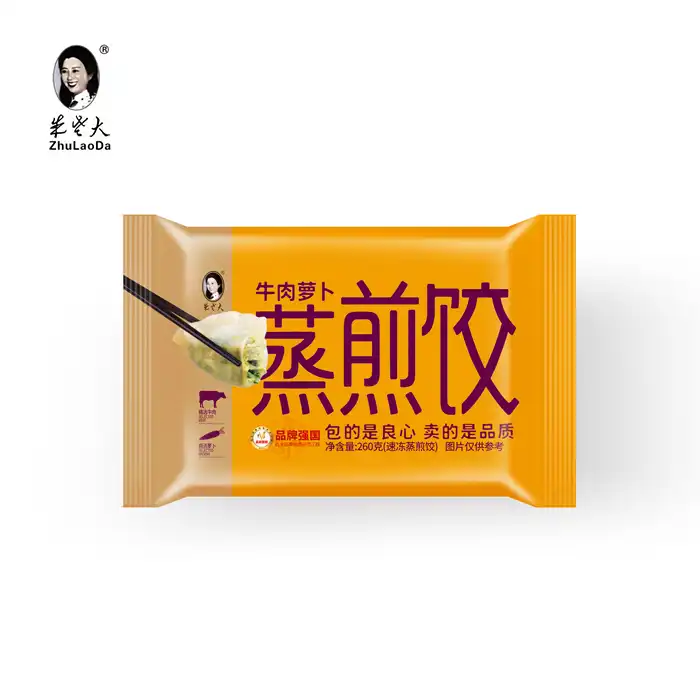
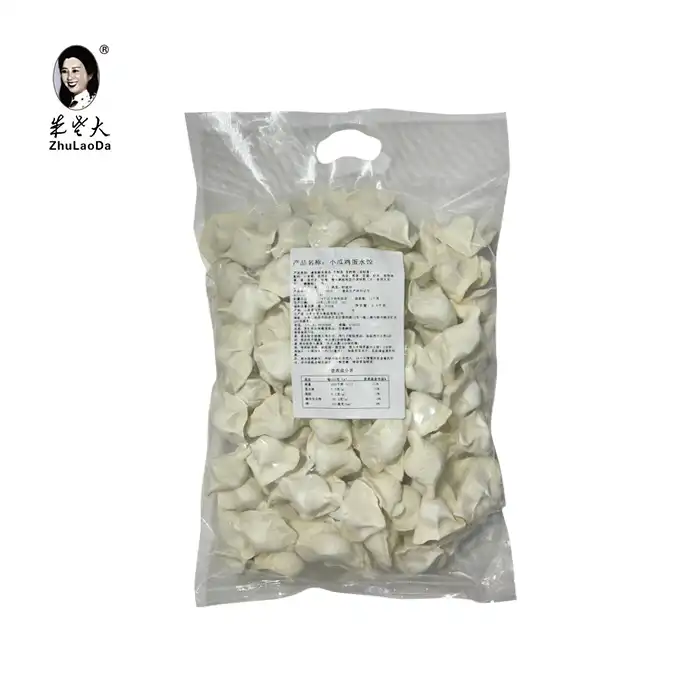
It is necessary to read the full list of ingredients. Zhulaoda Chinese cabbage and tofu dumplings are made with wheat flour, tofu, Chinese cabbage, drinking water, noodles made from sweet potato starch, scallions, ginger, vegetable oil, edible salt, monosodium glutamate, acid-hydrolyzed vegetable protein seasoning powder (water, edible soybean meal), and distarch phosphate as a food additive. This list doesn't have any animal fats, egg parts, or broths made from meat. Note for people with allergies: the product has parts made of wheat and soy.

Shopping Guide: Procuring High-Quality Vegan Cabbage and Tofu Dumplings
There's more to choosing a reliable supplier than just looking at prices. Several factors that affect each other decide if a supply connection can last through repeated large orders.
Key Criteria for Supplier Evaluation
Buyers who care about quality always look at three things first when they inspect frozen dumpling suppliers: being able to track ingredients, having production certification, and making sure the cold chain works. Before you place a bulk order, here are the main evaluation criteria you should look into:
- Ingredient documentation: Suppliers should provide lot-traceable records confirming the origin of tofu and cabbage. Hydraulic-pressed firm tofu with moisture content below 70% delivers better freeze-thaw stability and reduces the risk of soggy wrappers after cooking.
- Production licensing: Zhulaoda operates under Food Production License SC11137139600148 and follows Product Standard Code SB/T 10412, offering buyers a verifiable compliance baseline recognized within China's national food safety framework.
- Packaging and shelf life: The product is available in 450g, 1kg, and 2.5kg formats — a practical range covering both retail and foodservice needs — with a 12-month shelf life under consistent storage at -18°C or below.
Together, these factors lower the risk of buying and help shortlisting suppliers based on accurate information. After making sure the paperwork is correct, it is highly suggested that you ask for a sample batch to taste and feel for yourself before committing to a regular order.
Shandong Zhu Laoda Food Co., Ltd. was founded in 2001 and has three automatic production lines that can make up to 100 tons of food every day, including Chinese cabbage tofu dumplings. They also have a cold storage warehouse system that can hold more than 8,000 tons of frozen food. That scale is important for figuring out if a supplier can reliably restock during busy times.
Cooking and Preparation Tips for Chinese Cabbage Tofu Dumplings
Frozen dumplings made of plants react to heat differently than frozen dumplings filled with meat. Figuring out the right way to do something keeps the texture and flavor intact.
Boiling, Steaming, and Pan-Frying Compared
The most forgiving method is still boiling. Put frozen dumplings right into hot water. Stir them around a few times to keep them from sticking, and cook for 8–10 minutes, or until the shells become clear and the dumplings float evenly. Putting dumplings in a lined bamboo or stainless steel steamer and steaming them over medium-low heat for 12 to 14 minutes will make the wrapper a little harder and more stable.

The most interesting texture comes from pan-frying, which gives the food a crisp golden bottom and a soft, steamed top. In a nonstick pan, add a little vegetable oil. Place the dumplings flat-side down and add about 3 tablespoons of water. Then, cover the pan. For 6 to 8 minutes, or until the base gets crispy and the water is gone.
Dipping Sauces and Flavor Pairings
A light soy-ginger dipping sauce goes well with the naturally umami-rich tofu and cabbage filling. To make it, mix low-sodium soy sauce, rice vinegar, fresh ginger, and a few drops of sesame oil. The chili crisp oil gives it depth without making the clean veggie flavor too strong. For temple or strict vegan service settings, make sure the dipping sauce doesn't have any fish sauce or oyster-based ingredients in it.
Advice on how to store things: keep uncooked Chinese cabbage tofu dumplings sealed and at -18°C throughout the supply chain. After cooking, eat it within 24 hours and don't freeze it again. Changes in temperature above -10°C speed up the re-crystallization of ice and make the structure of the mixture worse.
Nutritional and Health Benefits of Chinese Cabbage Tofu Dumplings
Tofu and cabbage dumplings are not at all the same in terms of health as traditional pork-filled varieties. Tofu provides full plant-based protein, with about 8–12 grams of protein per serving depending on the size of the dish. It also has no cholesterol and a lot less saturated fat than fillings made from pork. Chinese broccoli adds fiber and vitamins, like Vitamins K and C, which help the digestive system and immune system.
When you compare this recipe to pork dumplings, which usually have 20–30% animal fat, the vegetable oil makes up only 8–10% of the filling. This makes each dish much lower in calories. This nutritional profile is perfect for buyers who want to reach wellness-focused groups, senior dining programs, or institutional vegetarian menus. It matches exactly what people want. The label does say that the product contains wheat and soy, which are allergens that need to be clearly marked on all store and food service packaging.
Conclusion
Determining whether a Chinese cabbage tofu dumplings truly qualifies as vegan requires more than reading the front of the package. Ingredient transparency, production line integrity, and supplier documentation together form the reliable foundation any serious buyer needs before committing to scale.
Zhulaoda's formulation — built on traceable plant-based ingredients, verified under SC11137139600148, and produced within an ISO-standard manufacturing environment — offers procurement professionals a credible, stable option in a market crowded with inconsistent small-batch alternatives. Clean ingredients, consistent supply, and proven production capacity make the difference between a dependable product and a recurring compliance headache.
FAQ
Are all Chinese cabbage tofu dumplings vegan by default?
Not at all. Even though cabbage and tofu are plant-based foods in the filling, many commercial versions have spices that come from animals, fat in the wrapper, or are made on the same lines as meat products. Before calling a product vegan, you should always ask for a full list of ingredients and proof that the product was made in a certain way.
How do I source certified vegan tofu dumplings in bulk quantities?
Ask the supplier for their food production license, records of where the ingredients came from, and any third-party certifications they have. Check to see if the production center has lines that are just for vegans. It is common for buyers who buy in bulk to test samples and then send out a trial shipment before committing to a long-term supply agreement.
What are the storage and transport requirements for frozen vegan dumplings?
Keep the cold chain storage at -18°C throughout transport and storage without any breaks. When the temperature goes above -10°C, ice recrystallizes, which damages the tofu's cells and makes the wrapper crack. For cross-regional or international shipping, it is best to use insulated shipping containers and temperature monitoring tools.
How long do these dumplings stay fresh?
As long as it is kept frozen at -18°C or lower, it will last for 12 months from the date it was made.
Source Quality Vegan Dumplings Directly from Zhulaoda's Manufacturing Line
Since 2001, Zhulaoda has been selling certified frozen dumplings to food service companies and wholesalers. They run one of the biggest and most advanced factories in southern Shandong. As a reliable Chinese cabbage tofu dumplings maker, we offer a range of packing choices, from 450g retail packs to 2.5 kg bulk formats. We also have flexible replenishment rounds that work with plans that require a lot of purchases. Our team is happy to talk about sample requests and special orders, whether you want to add more vegan products to your line or find a reliable clean-label provider. You can visit zhulaodadumpling.com or email our purchasing team at sdzldsp@163.com.
References
1. Craig, W. J., & Mangels, A. R. — Journal of the American Dietetic Association, 2009.
2. Messina, V. — "Nutritional and Health Benefits of Dried Beans," The American Journal of Clinical Nutrition, 2014.
3. Food and Agriculture Organization of the United Nations — Dietary Protein Quality Evaluation in Human Nutrition, FAO Food and Nutrition Paper 92, 2013.
4. Bohrer, B. M. — "An Investigation of the Formulation and Nutritional Composition of Modern Meat Analogue Products," Food Science and Human Wellness, 2019.
5. Tso, P., & Crissinger, K. — "Overview of Digestion and Absorption," Biochemical and Physiological Aspects of Human Nutrition, Elsevier, 2000.
6. China National Standard GB 2760 — Food Safety National Standard: Standards for Uses of Food Additives, National Health Commission of the People's Republic of China, 2014.

Learn about our latest products and discounts through SMS or email