- English
- French
- German
- Portuguese
- Spanish
- Russian
- Japanese
- Korean
- Arabic
- Greek
- German
- Turkish
- Italian
- Danish
- Romanian
- Indonesian
- Czech
- Afrikaans
- Swedish
- Polish
- Basque
- Catalan
- Esperanto
- Hindi
- Lao
- Albanian
- Amharic
- Armenian
- Azerbaijani
- Belarusian
- Bengali
- Bosnian
- Bulgarian
- Cebuano
- Chichewa
- Corsican
- Croatian
- Dutch
- Estonian
- Filipino
- Finnish
- Frisian
- Galician
- Georgian
- Gujarati
- Haitian
- Hausa
- Hawaiian
- Hebrew
- Hmong
- Hungarian
- Icelandic
- Igbo
- Javanese
- Kannada
- Kazakh
- Khmer
- Kurdish
- Kyrgyz
- Latin
- Latvian
- Lithuanian
- Luxembou..
- Macedonian
- Malagasy
- Malay
- Malayalam
- Maltese
- Maori
- Marathi
- Mongolian
- Burmese
- Nepali
- Norwegian
- Pashto
- Persian
- Punjabi
- Serbian
- Sesotho
- Sinhala
- Slovak
- Slovenian
- Somali
- Samoan
- Scots Gaelic
- Shona
- Sindhi
- Sundanese
- Swahili
- Tajik
- Tamil
- Telugu
- Thai
- Ukrainian
- Urdu
- Uzbek
- Vietnamese
- Welsh
- Xhosa
- Yiddish
- Yoruba
- Zulu
Are Lean Pork and Shrimps Wontons a Good Protein-Rich Choice?
Yes — lean pork and shrimps wontons are genuinely a strong protein-rich choice for both foodservice professionals and health-conscious consumers. Each wonton combines pork front leg meat with shrimp meat, delivering dual animal protein sources in a single bite. The lean cut keeps fat content moderate while shrimp contributes high-quality complete protein with all essential amino acids. For B2B buyers sourcing premium frozen dim sum, this filling combination signals higher nutritional value, better client appeal, and stronger menu differentiation compared to standard pork-only varieties.
Understanding Lean Pork and Shrimp Wontons: Nutritional and Market Overview
What Makes These Wontons Protein-Rich?
Lean pork front leg meat and shrimp meat are both good sources of protein. These both give you a full list of all the amino acids. 100 grams of shrimp has about 20 grams of protein and almost no fat. Lean pork has extra myofibrillar proteins that help with structure and making you feel full. They all work together to make a food that is better for you and tastes better than foods with only one protein.
Ingredient Composition and Sourcing Transparency
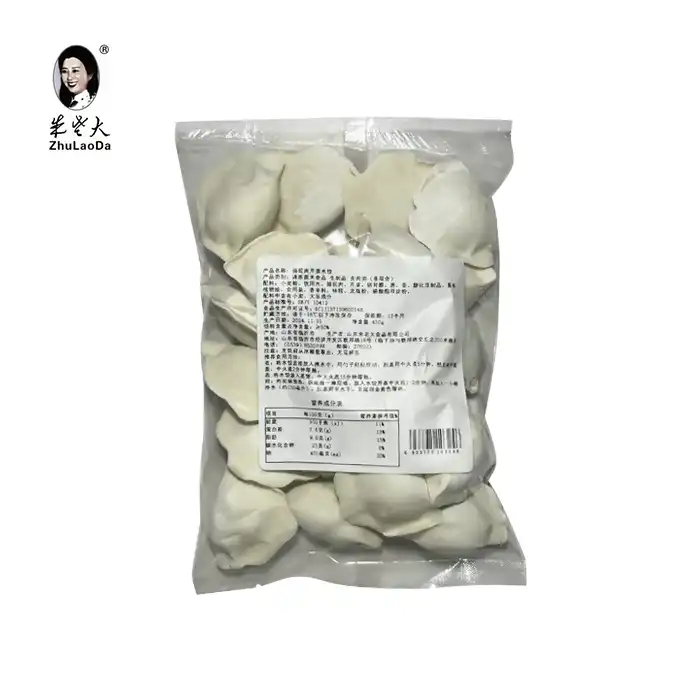
Wheat flour, dried shrimp, Chinese cabbage, ginger, sesame oil, oyster sauce, spinach, agaric, onions, shallots, and yeast extract are all in Zhulaoda's recipe. Each part is useful in its own way. For instance, agaric adds fiber and dried shrimp raises the umami level. In order to meet the rules for the Chinese frozen food business, the item has a Food Production License SC11137139600148 under standard SB/T 10412.
B2B Market Demand for Premium Shrimp Wontons
Around the world, the market for frozen dim sum has grown as more people try to eat better. We are seeing more and more Cantonese restaurants, hotel Chinese kitchens, and high-end quick-service chains look for shrimp-forward lean pork and shrimps wontons SKUs to be their signature protein meals. Most of the time, these things sell for more money and are bought more often than regular fillings. Where they get the covers has a direct effect on how much money they make per cover.
Comparison of Lean Pork and Shrimp vs. Alternative Wonton Fillings and Cooking Methods
Fat Content and Nutritional Trade-offs
Most regular pork wontons are made with pork cuts that have more fat, which makes them more juicy but also higher in calories. Thanks to shrimp and lean pork wontons, that's no longer true. That's why shrimp is good for you—it's low in fat. If you care about your health or work for a business, you can use this trade-off to say that your menu has lighter protein options that don't give up flavor complexity.
Flavor Profile and Customer Preference
Lean pork and shrimp taste better together than just pork. It tastes lighter and more like the sea. Shrimp naturally adds sweetness and a satisfying snap when it's cooked right. The dried shrimp make the dish taste even better. Top Hong Kong restaurants: In Southeast Asian or Hong Kong-style restaurants, clear broth and shrimp that you can see are always signs of good food. This means that the kind of filler changes how happy the people are right away.
Cooking Methods and Protein Preservation
When you boil, steam, or fry proteins in a pan, it changes their shape in different ways. For shrimp that stays soft and moist on its own, steaming it over low heat works best. Inside, it should be 74°C (165°F). To get there, boil it for 5–7 minutes. This keeps the wrapping whole and gets rid of any germs. When something is pan-fried, the Maillard reaction happens on top of it, but it doesn't change the protein content of the filling. When chefs plan how to cook for a big group, they should think about how the food will be made and how it will taste.
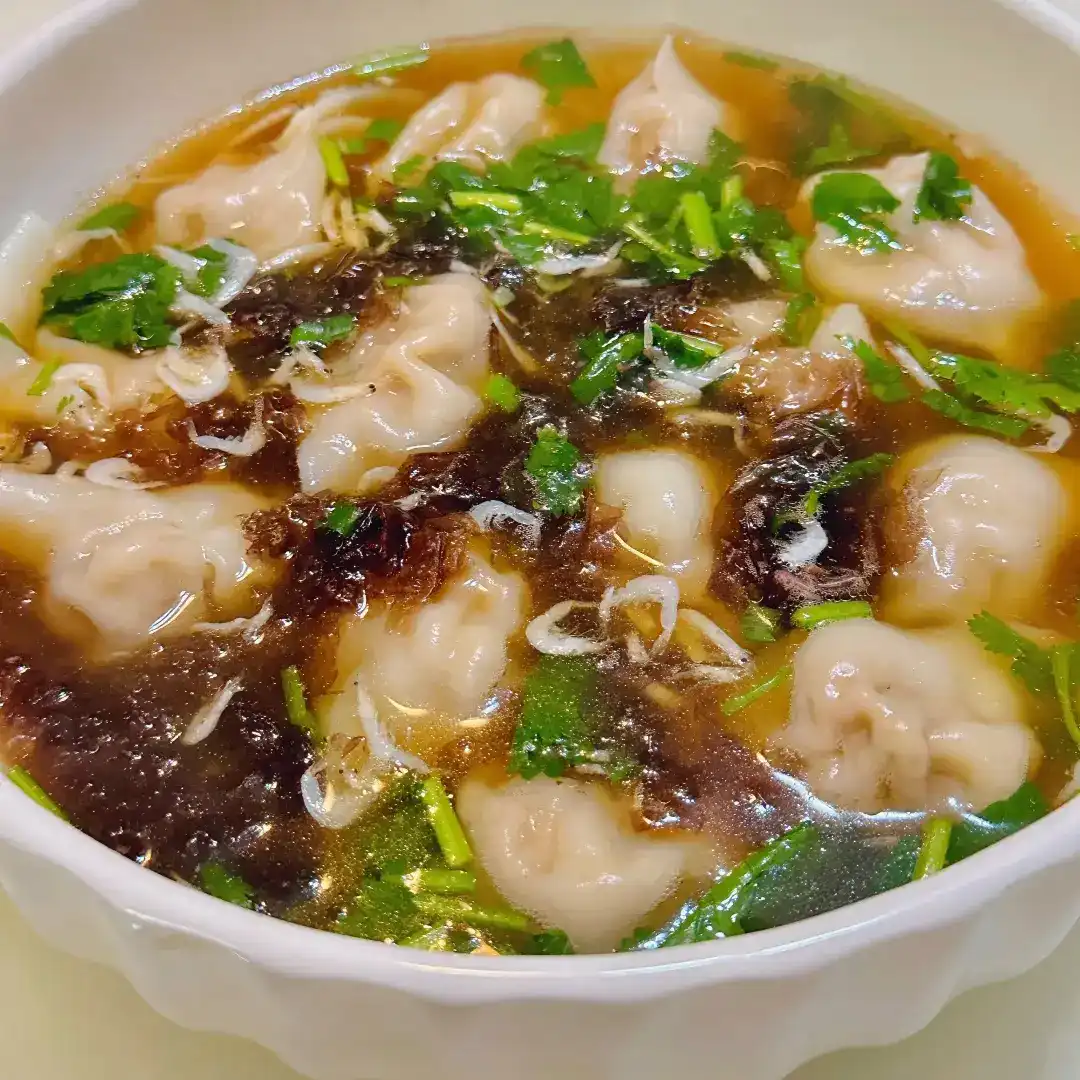
Procurement Strategies for Lean Pork and Shrimp Wontons Ingredients and Supplies
Evaluating Supplier Qualifications
Teams in charge of buying wontons should make sure that the food they buy is HACCP-certified, meets ISO 9001 standards, and comes with papers to keep allergies in check. ISO 9001, HACCP, and QS are all awards that our business has won. An award for Food Quality and Safety was given to them in 2005. This is what people need to show that the place they want to sell or buy food for has checked their food safety management systems.
Before picking a seller, you should think about these key points:
- Shrimp specification consistency: Confirm whether the supplier uses whole shrimp pieces versus reconstituted or broken shrimp. Visible, intact shrimp in the filling directly affects premium tier positioning.
- Cold chain integrity: Verify blast freezing capability (ideally -40°C) and stable transport below -18°C. Zhulaoda maintains a modern cold storage system holding over 8,000 tons, with intelligent shuttle rack management.
- Allergen labeling compliance: Zhulaoda's product clearly declares wheat, soybeans, shrimp, and sesame allergens — a required standard for US and EU market entry.
To make sure the shrimp is always the same, ask the seller if they use whole shrimp bits, broken shrimp, or shrimp that has been put back together. If there are whole, clear shrimp in the center, it moves up to the top tier.
Packaging Options and Bulk Efficiency
Labeling for allergens: Zhulaoda's product needs to have clear labels that say it contains allergens like wheat, soy, shrimp, and sesame. This is required to sell it in the EU and the US.
Quality Assurance and Brand Selection for Lean Pork and Shrimp Wontons
Testing Protocols That Matter to Buyers
Zhulaoda tests the quality of its items again and over, from sourcing the raw materials to the quality of the completed goods. The TVB-N (Total Volatile Basic Nitrogen) tests reveal that at the time of preparation they are less than 15 mg/100g and are used to measure the freshness of raw shrimp and pork. Microbe testing show Salmonella, Listeria monocytogenes and Vibrio parahaemolyticus X-rays show small bits of shrimp shell and bone. Make sure if you purchase seafood it includes these highly vital microorganisms.
Wrapper Quality and Sensory Standards
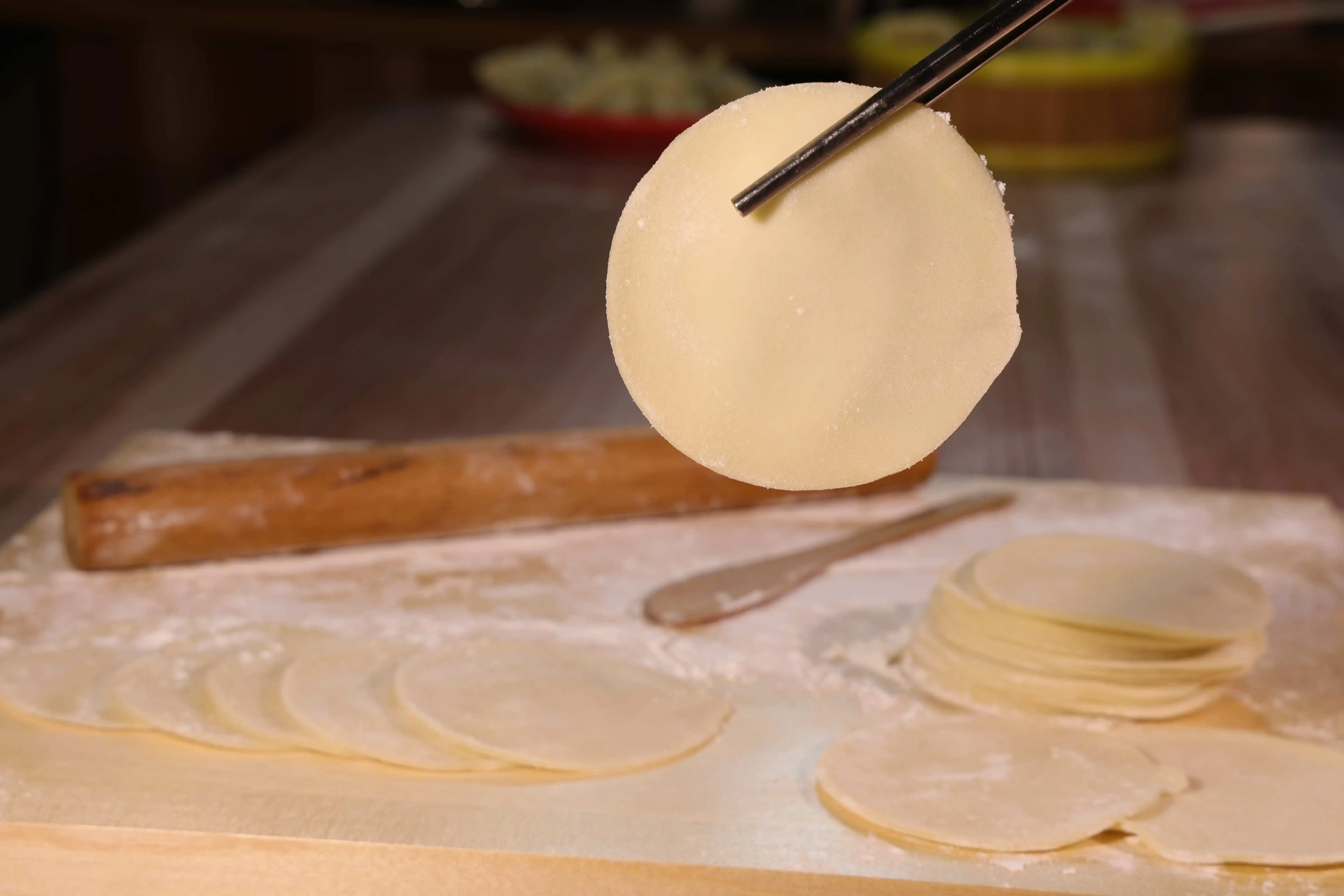
It is comprised of wheat flour with the thickness of 0.5 mm to 0.8 mm and medium to high gluten content. The skin doesn't rip when you put it in hot water but it's not too thick to view the contents either. This is crucial for a premium Cantonese presentation. If you check the pH of the dough, it will be able to hold its form and appearance for a year.
Traceability and Certification Credentials
Zhulaoda buys pork from JINLUO, highly recognized in China. The flour is made from wheat from Canada and China’s Hetao Plain. Using two types of flour like this is a happy medium between the protein content and the way the dough acts. Large customers and OEM partners usually ask for audit requirements on plant visits. Such regulations are supported by the evidence of traceability of the items.
Best Practices for Producing High-Quality Lean Pork and Shrimp Wontons
Filling Preparation and Protein Matrix Integrity
First, make sure the cabbage is dry enough to be stuffed. Chinese cabbage should be salted and spun to remove excess water before combining. to prevent the wrapper from becoming too moist when it freezes. You may blend the pork in a machine to generate a protein emulsion. This seals the moisture of the filling within, rather than allowing it to leach out into the soup. This step is extremely crucial to keep the soup clear so it may be used in a restaurant.
Cooking and Serving Recommendations
Just add clean water or light stock to the pot and boil the soup. Add the frozen wontons as soon as the water starts to boil. They should float after 5 to 7 minutes of cooking. If you serve the shrimp right away, they will still be very snappy. Put some water in the pan after the first fry, cover, and let it sit for 4 minutes. After that, take the top off and cook the bottom until it turns brown. To follow food safety rules, the temperature inside should get to 74°C.
Shelf Life Management and Storage
If you keep them at -18°C or less, they will stay fresh for a year. When you blast freeze something, the wetness stays inside and ice crystals don't form, which would break up the smooth texture of the filling. The product can be kept for a year, which gives business-to-business customers who handle things in different places more freedom with their plans.
Conclusion
Not only can people who eat lean pork and shrimps wontons out get a lot of protein, but so can people who buy them in stores. They can be saved for a year, have two types of protein inside, and work well in thin wraps. This makes them a good item to buy in bulk. When business people need to find a wonton supplier, Zhulaoda's certified production facility, clear ingredient sourcing, and flexible packaging formats look at the things that matter most to them, like allergen documentation and how reliable the cold chain is.
FAQ
Are lean pork and shrimp wontons high in protein?
Yes. The combination of lean pork front leg meat and shrimp meat provides two complete protein sources per piece. Shrimp delivers approximately 20g of protein per 100g, while lean pork adds myofibrillar proteins that support filling texture and satiety.
What allergens are present in these wontons?
The product contains wheat, soybeans, shrimp, and sesame. All allergens are clearly labeled in compliance with standard food safety requirements.
What is the recommended internal cooking temperature?
Cook until the filling core reaches 74°C (165°F) for a minimum of 15 seconds to eliminate pathogenic bacteria, including those associated with shrimp.
Can these wontons be used for private label production?
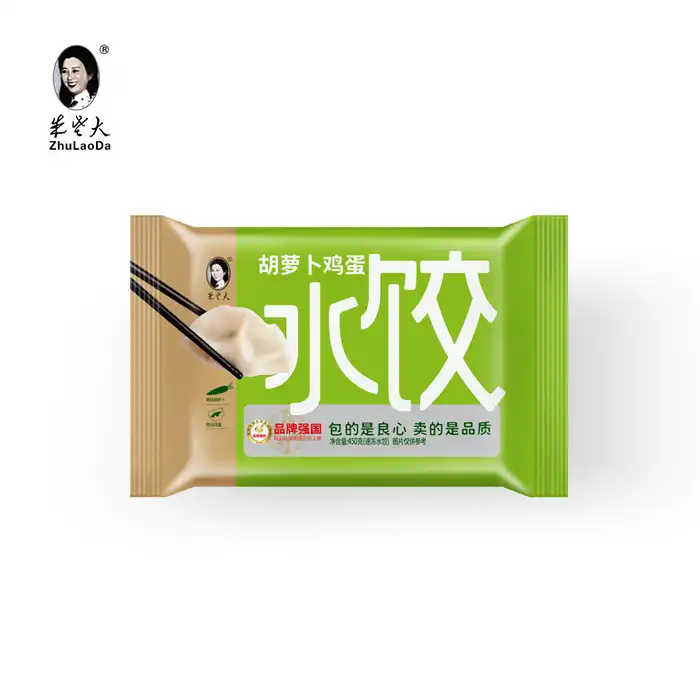
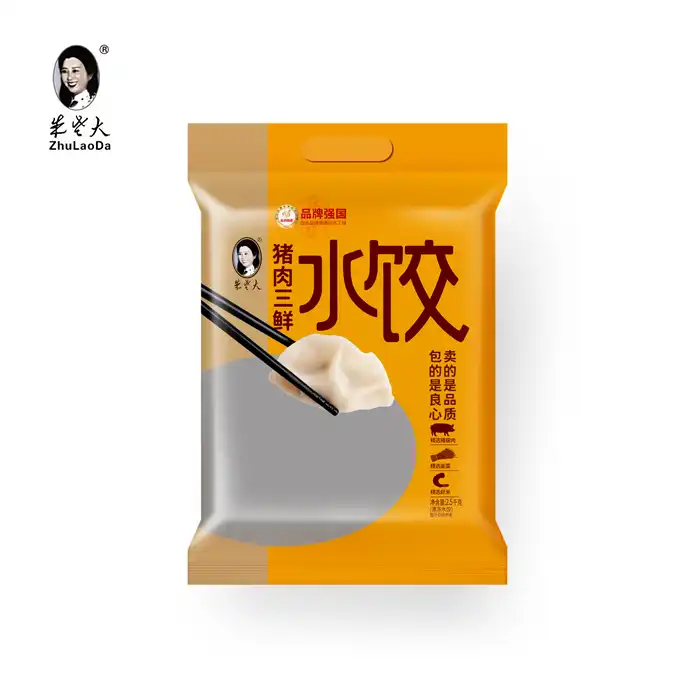
Yes. Zhulaoda offers customizable packaging in 450g, 1kg, and 2.5kg formats to support OEM and private label programs for restaurant groups and distributors.
How should these wontons be stored?
Keep frozen at -18°C or below. Shelf life is 12 months from production under proper frozen storage conditions.
Source Your Lean Pork and Shrimp Wontons Supplier Through Zhulaoda
Zhulaoda has been a leased business that makes frozen foods since 2001. With their three robot lines, they can make 100 tons of food every day. With full allergy labeling and cold chain paperwork ready for B2B review, our lean pork and shrimps wontons meet ISO 9001, HACCP, and QS standards. Get a sample of the product or talk to our team right now about how to package it as an OEM. You can email us at sdzldsp@163.com to learn more about us.
References
1. Food and Agriculture Organization of the United Nations. Dietary Protein Quality Evaluation in Human Nutrition. FAO Food and Nutrition Paper 92, 2013.
2. USDA Agricultural Research Service. USDA National Nutrient Database for Standard Reference. 2018.
3. Sikorski, Z. E. Seafood: Resources, Nutritional Composition, and Preservation. CRC Press, 1990.
4. World Health Organization. Protein and Amino Acid Requirements in Human Nutrition. WHO Technical Report Series 935, 2007.
5. China National Standard GB 10136. National Food Safety Standard — Animal Aquatic Products. Standardization Administration of China, 2015.
6. Codex Alimentarius Commission. General Standard for the Labelling of Prepackaged Foods (CODEX STAN 1-1985, Revised 2018). Food and Agriculture Organization of the United Nations, 2018.
Learn about our latest products and discounts through SMS or email