- English
- French
- German
- Portuguese
- Spanish
- Russian
- Japanese
- Korean
- Arabic
- Greek
- German
- Turkish
- Italian
- Danish
- Romanian
- Indonesian
- Czech
- Afrikaans
- Swedish
- Polish
- Basque
- Catalan
- Esperanto
- Hindi
- Lao
- Albanian
- Amharic
- Armenian
- Azerbaijani
- Belarusian
- Bengali
- Bosnian
- Bulgarian
- Cebuano
- Chichewa
- Corsican
- Croatian
- Dutch
- Estonian
- Filipino
- Finnish
- Frisian
- Galician
- Georgian
- Gujarati
- Haitian
- Hausa
- Hawaiian
- Hebrew
- Hmong
- Hungarian
- Icelandic
- Igbo
- Javanese
- Kannada
- Kazakh
- Khmer
- Kurdish
- Kyrgyz
- Latin
- Latvian
- Lithuanian
- Luxembou..
- Macedonian
- Malagasy
- Malay
- Malayalam
- Maltese
- Maori
- Marathi
- Mongolian
- Burmese
- Nepali
- Norwegian
- Pashto
- Persian
- Punjabi
- Serbian
- Sesotho
- Sinhala
- Slovak
- Slovenian
- Somali
- Samoan
- Scots Gaelic
- Shona
- Sindhi
- Sundanese
- Swahili
- Tajik
- Tamil
- Telugu
- Thai
- Ukrainian
- Urdu
- Uzbek
- Vietnamese
- Welsh
- Xhosa
- Yiddish
- Yoruba
- Zulu
Beef and Celery Dumplings: Ingredients, Nutrition, and Cooking Tips
Beef and celery dumplings are a classic Northern Chinese staple that has steadily earned recognition in Western markets. Each piece combines lean beef hind leg meat with crisp, aromatic celery inside a thin wheat-flour wrapper — delivering a filling that is simultaneously savory, fresh, and satisfying. Whether you run a frozen food distribution business, manage a restaurant chain, or source Asian frozen meals for retail, understanding the ingredients, nutritional value, and cooking methods behind this product helps you make smarter purchasing decisions and tell a more compelling product story to your customers.
Understanding Beef and Celery Dumplings: Ingredients and Nutritional Value
Core Ingredients and Their Roles
The frozen dumplings are made with ginger, vegetable oil, soy sauce, edible salt, monosodium glutamate, acid-hydrolyzed vegetable protein seasoning powder, distarch phosphate, celery, onions, and flavored essence. Beef hind leg, on the other hand, is a lean cut that feels hard. It stays soft whether you freeze it or heat it up. It gives the meat a natural crunch, structural moisture, and volatile phthalide compounds that balance it out. Wheat flour is used to make the wrapper, and distarch phosphate helps the dough stay flat after it's been frozen.
Nutritional Profile Worth Knowing
A lot of people know that lean beef is better than pork because it has more protein and less fat. You can get a lot of nutrition from beef and celery dumplings. The celery adds fiber, and the beef and meat give you B vitamins and vitamin K by itself. This mix of macronutrients makes it easy for distributors to go after shops that care about health or restaurants that serve fitness-focused food. It can say things like "high protein, moderate calories, with added vegetables" on the label.People in the U.S. read nutrition labels and think that frozen comfort foods should be healthy, so this mix is very helpful there.
Allergens and Dietary Considerations
According to FALCPA rules, this product can only be brought into the U.S. legally if it says on the package that it contains parts made of wheat and soybeans. Zhulaoda has English-language packaging that can be changed to include full allergy statements, nutrition facts screens, and ingredient lists that follow FDA rules for customers who want to get goods that can be put on more store shelves. It is also against EU law to eat celery, so people who want to sell their goods in Europe should make sure that the company that labels them knows about this. These specs can be worked out by Zhulaoda's team while the OEM is being packed.
Cooking Techniques and Best Practices
Boiling: The Standard Method
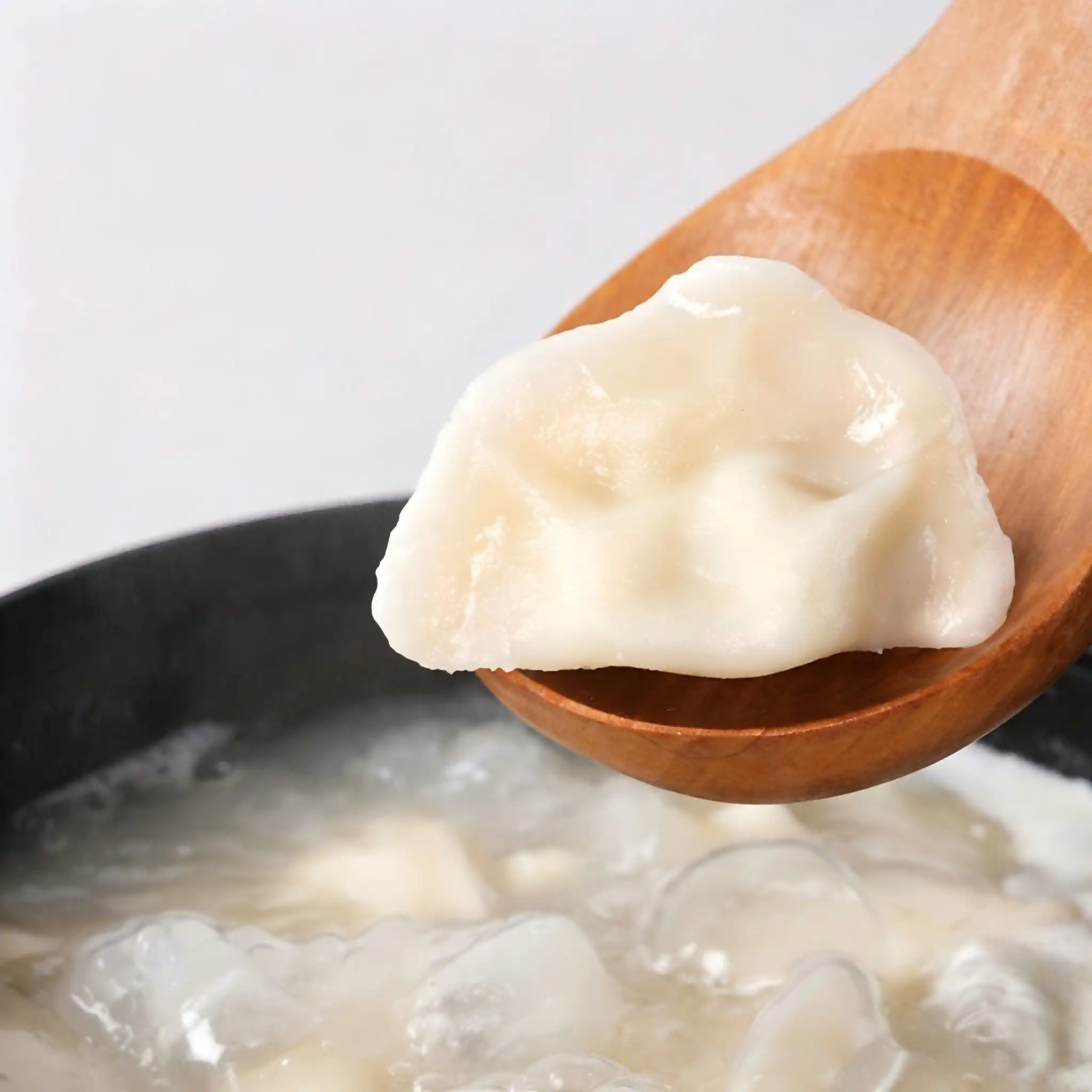
For the most part, this type of frozen dumpling is boiled to make it. Put the pieces right into a pot of very hot water. Make sure they don't stick by moving them around slowly for 30 seconds. Then cook for 6 to 8 minutes, until the dumplings float and the wrappers get a little clear. When you cook it this way, the shell is soft and the inside is juicy. In workplace kitchens that handle a lot of food, boiling one batch at a time through a business steam kettle or boiling pot gives consistent results with little control.
Steaming and Pan-Frying
When you steam something, the filling stays moist and the wrapper stays whole. This makes it great for dim sum displays or delivery methods where the crust might get damaged by touching the package. Place the dumplings in a steamer basket that has parchment paper inside it. Heat up some water and put the basket over it. Steam it for 10 to 12 minutes. With a little oil on the bottom of a nonstick pan, you can make the bottom of frozen dumplings golden and crispy. Put a lid on top and add a little water. Cook until the water is gone and the bottom turns brown. In fast food and cloud kitchens, where how something looks directly affects how happy customers are with it, this way works well.
Avoiding Common Production Pitfalls
There are three common problems with frozen dumplings in places where there is a lot of food service or commissaries: the wrapper tears because it's too busy, the bottoms get soggy because there is too much wetness left over, and the temperature in the middle is all over the place. Before adding the food, make sure the water is fully boiling and the temperature inside hits at least 74°C (165°F). This will keep the food safe. What Zhulaoda does to make her dumplings is called rapid cryogenic blast-freezing. This process keeps ice crystals from forming and protects the wrapper's gluten network. This makes it so that the dumplings don't break or tear as easily while they're cooking. Beef and celery dumplings are a good example of a filling that holds up under this process.
Market Comparisons and Supplier Insights for B2B Buyers
Beef-Celery vs. Other Popular Fillings
A lot of cold Asian foods made with pork can be found in most shops in the West. People who follow Halal or Kosher diets, on the other hand, can't buy these foods. In some markets, pork may also be closely watched by authorities. People often think of chicken products as less valuable, even though they are used a lot. The market for beef and celery is its own thing. It sounds lean and healthy, there are no restrictions on the channel because of pork (pending documentation of the production line), and it appeals to people who work out, need protein, and are adventurous eaters who want to try real regional Chinese flavors. So, it's a good thing to have in any cold Asian food shop that sells a lot of different foods.
Evaluating Suppliers: What Actually Matters
Price per kilogram is only one thing that you should think about when you want to buy a lot of frozen stuffed foods. Here are some things that determine how valuable a long-term relationship is:
- Meat traceability: Zhulaoda sources beef from Jinluo, a recognized Chinese meat brand, providing a traceable supply chain that satisfies buyer audits and retail partner inquiries.
- Certifications on file: ISO9001, HACCP, and National QS (SC11137139600148) certifications are held and publicly available, supporting customs clearance documentation for U.S. and other import markets.
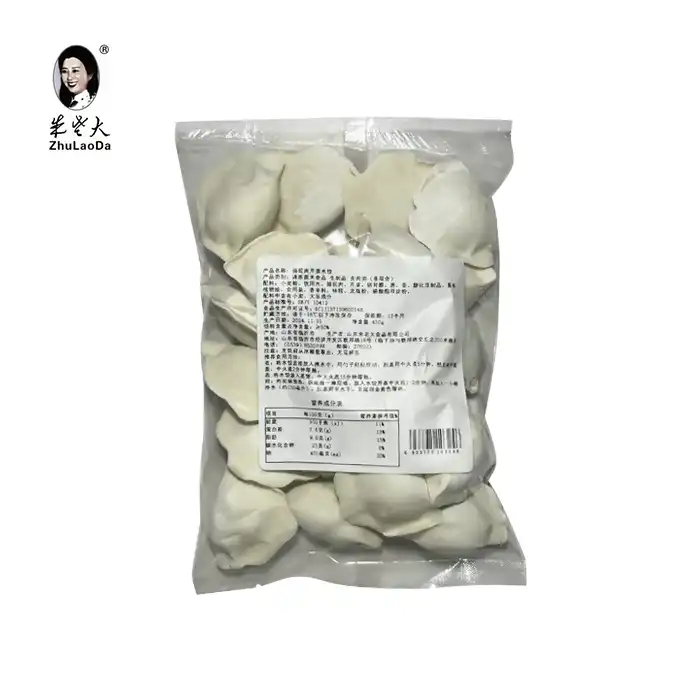
- OEM packaging support: Available in 450g, 1kg, and 2.5kg formats with custom English-language labels — critical for private-label retail launches.
- Production scale: Three automated lines with a maximum daily output of 100 tons, supported by 8,000 tons of cold storage with an intelligent shuttle rack system.
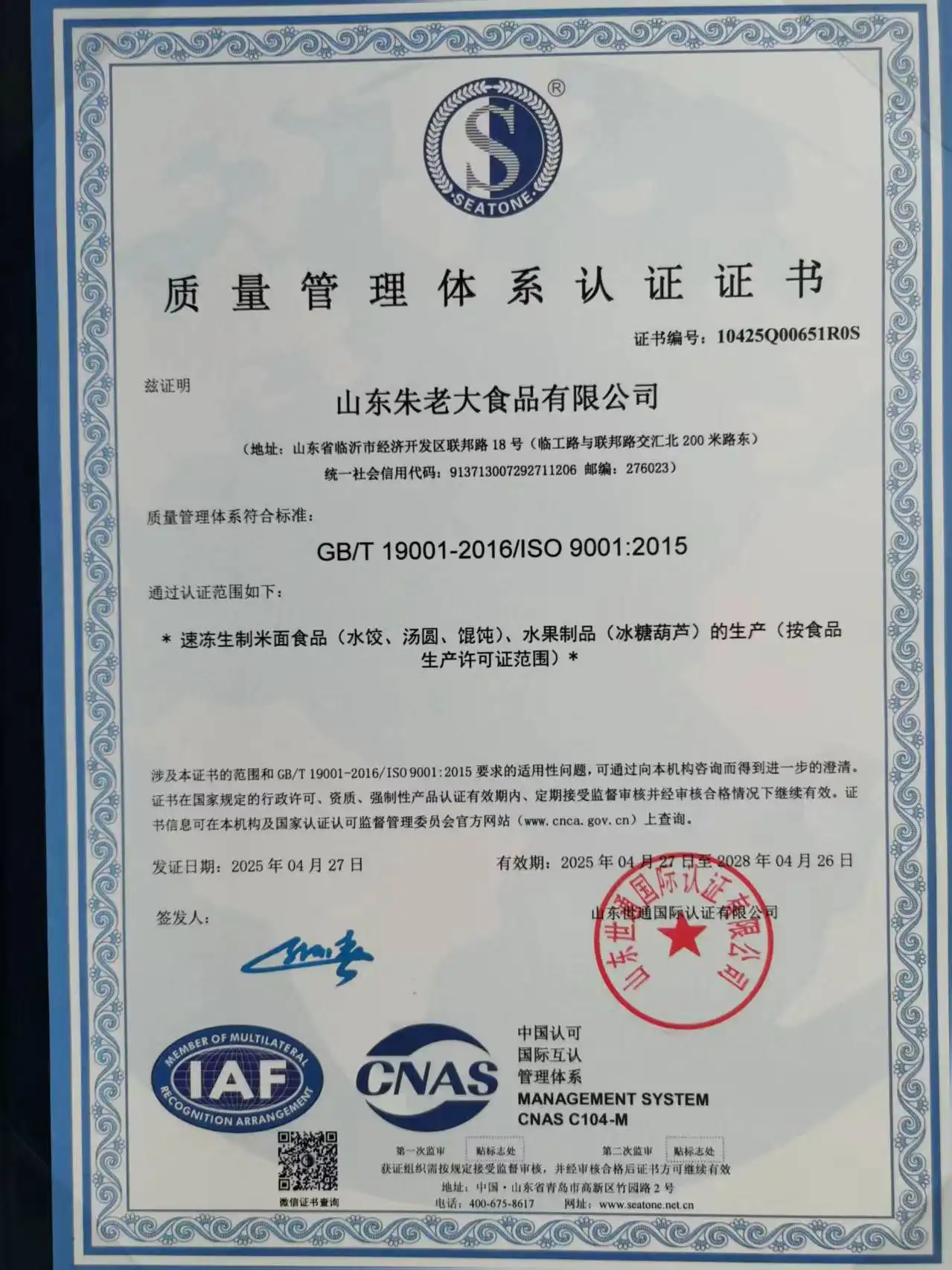
In terms of meat traceability, Zhulaoda gets its beef from Jinluo, which is a well-known Chinese meat brand. This makes it possible to keep track of the supply chain, which is what buyers and retail partners need. Beef and celery dumplings are the SKU where this traceability matters most, since beef is the highest-risk input in the filling.
Storage, Shelf Life, and Packaging Solutions
Cold Chain Requirements
Keep cold things below -18°C at all times. Changes above -10°C speed up the breakdown of fats in beef and cause ice to recrystallize, which breaks down the cells of celery. Both foods will go bad faster because of this, even if the legal shelf life hasn't passed. There is a 12-month shelf life for the standard product code SB/T 10412. This gives importers plenty of time to get their goods to shops, spread them, and use them. It takes about 14 to 20 days for sea freight from China to get to the West Coast of the United States.
Packaging for Retail and Distribution
There are a number of flexible package options that can be used in a number of different channels. Styles that weigh around 450 grams do well in Asian grocery shops and the freezer areas of supermarkets. People who buy food for restaurants and other businesses can use the 1 kg and 2.5 kg amounts. Custom packaging design is possible with OEM/ODM deals. Providers can use print-ready artwork to help them launch under their own brand. You can ask for choices like modified atmosphere or vacuum packing when you place your order. These will protect the food from freezer burn and make it look better on store shelves.
Enhancing Customer Experience: Sauces, Serving Suggestions, and Market Trends
Pairing Sauces That Work
The mixture of beef and celery tastes salty and a little minty. For people who like their food spicy, chili crisp oil goes well with it. A sesame-ginger mix makes the celery less sharp. Soy-vinegar dipping sauce is the traditional side dish in Northern China. In U.S. stores, dipping sauce sachets that are already measured out and come with the food have been shown to increase repeat purchases by making it easier for customers to find other things to go with the food.
Presentation Ideas for Foodservice Operators
With a small side salad and six to eight pan-fried dumplings, a fast-casual restaurant offers this food as a full starter or light main dish. For catering and cloud cooking menus, a "dumpling flight" with three of each taste and three different types of dumplings lets customers try fillings they might not have tried before, like beef and celery, along with their favorite pork or chicken.
Trends That Support This Product's Growth
A study from Mintel in 2023 on frozen foods says that in the U.S., frozen Asian meals with health benefits have grown faster than the average for three years in a row. More and more American customers say they want lean protein, veggies, and authentic foreign tastes. These are all things that fit with the story. It's better for importers to get their goods on shop shelves first, when there isn't much competition in the beef-celery sub-category.
Conclusion
Beef and celery dumplings are a mix of traditional Chinese food and the latest health trends in the West. When you mix lean hind leg beef, fresh celery, and a well-balanced seasoning base, you get a healthy product that can be cooked in different ways and sold in different ways. They have a lot of different packaging choices, manufacturing facilities, and licenses that make it easy for importers and wholesalers in the US to find what they need. This item is something you should really think about if you want to add to or build up your frozen Asian food selection.
Frequently Asked Questions
Why does the celery filling sometimes release water after cooking?
Celery has a high natural water content. During industrial production, a pre-salting osmotic drainage step removes excess free moisture before mixing. Zhulaoda applies this process combined with rapid blast-freezing to minimize syneresis — the water leakage that softens the wrapper during cooking.
Is this product suitable for Halal-certified retail channels?
The product uses beef with no pork ingredients. Buyers requiring Halal-specific production line documentation or certification should raise this during the inquiry stage. Zhulaoda can clarify production line segregation details directly.
What is the shelf life under continuous frozen storage?
Shelf life is 12 months when stored at or below -18°C, in accordance with product standard SB/T 10412. Consistent cold chain maintenance throughout transit and warehousing is required to preserve this shelf life.
Can packaging be customized for U.S. retail requirements?
Yes. Zhulaoda supports OEM packaging in 450g, 1kg, and 2.5kg formats with English-language nutrition facts, allergen declarations, and custom brand artwork.
What allergens does this product contain?
The product contains wheat and soybean. These are declared allergens under both U.S. FALCPA and EU food labeling regulations. Celery is additionally a labeled allergen in EU markets.
Partner with Zhulaoda for Beef and Celery Dumplings Supply
It has been making frozen foods since 2001. Southern Shandong is where they do most of their work. There, they have three automatic production lines and 8,000 tons of cold storage. We are a trustworthy company that sells beef and celery dumplings, and we help U.S. importers with things like asking for samples, getting third-party checks, and custom packing. Feel free to email our export team at sdzldsp@163.com to get examples and prices.
References
1. Mintel Group. Frozen Foods: US Market Report. Mintel, 2023.
2. United States Department of Agriculture (USDA). Nutritional Profile of Beef and Lean Cuts. USDA Agricultural Research Service, 2022.
3. Food and Drug Administration (FDA). Food Allergen Labeling and Consumer Protection Act (FALCPA) Guidance. U.S. FDA, 2023.
4. European Food Safety Authority (EFSA). Scientific Opinion on Celery Allergenicity. EFSA Journal, 2014.
5. Codex Alimentarius Commission. General Standard for Quick Frozen Foods for Direct Human Consumption (CODEX STAN 8-1981, Rev. 1991). FAO/WHO, 1991.
6. Fellows, P.J. Food Processing Technology: Principles and Practice. 4th ed. Woodhead Publishing, 2017.
Learn about our latest products and discounts through SMS or email