- English
- French
- German
- Portuguese
- Spanish
- Russian
- Japanese
- Korean
- Arabic
- Greek
- German
- Turkish
- Italian
- Danish
- Romanian
- Indonesian
- Czech
- Afrikaans
- Swedish
- Polish
- Basque
- Catalan
- Esperanto
- Hindi
- Lao
- Albanian
- Amharic
- Armenian
- Azerbaijani
- Belarusian
- Bengali
- Bosnian
- Bulgarian
- Cebuano
- Chichewa
- Corsican
- Croatian
- Dutch
- Estonian
- Filipino
- Finnish
- Frisian
- Galician
- Georgian
- Gujarati
- Haitian
- Hausa
- Hawaiian
- Hebrew
- Hmong
- Hungarian
- Icelandic
- Igbo
- Javanese
- Kannada
- Kazakh
- Khmer
- Kurdish
- Kyrgyz
- Latin
- Latvian
- Lithuanian
- Luxembou..
- Macedonian
- Malagasy
- Malay
- Malayalam
- Maltese
- Maori
- Marathi
- Mongolian
- Burmese
- Nepali
- Norwegian
- Pashto
- Persian
- Punjabi
- Serbian
- Sesotho
- Sinhala
- Slovak
- Slovenian
- Somali
- Samoan
- Scots Gaelic
- Shona
- Sindhi
- Sundanese
- Swahili
- Tajik
- Tamil
- Telugu
- Thai
- Ukrainian
- Urdu
- Uzbek
- Vietnamese
- Welsh
- Xhosa
- Yiddish
- Yoruba
- Zulu
Camel Meat Dumplings: A Lean Protein Powerhouse for Fitness Enthusiasts
Allium mongolicum regel and camel meat dumplings are emerging as a dietary powerhouse for wellness devotees seeking lean protein sources. These interesting dumplings combine the wealthy, gamey flavor of camel meat with the fragile aroma of Allium mongolicum Regel, a wild onion native to Mongolia. Packed with high-quality protein and basic supplements, camel meat dumplings offer a novel way to fuel workouts and bolster muscle recuperation. Their low fat substance and amazing amino acid profile make them an amazing choice for those looking to construct lean muscle mass while keeping up a adjusted diet. Find how these imaginative dumplings can raise your fitness travel and tantalize your taste buds.
The Nutritional Marvel of Camel Meat in Dumplings
Camel meat is a nutritional marvel that has been picking up ubiquity among health-conscious consumers and wellness devotees. Its incorporation in dumplings makes a protein-rich feast option that adjusts flawlessly with wellness objectives. Let's dive into the nutritional benefits that make camel meat dumplings a standout choice for those seeking to optimize their diet.
Protein Content and Quality
Camel meat is eminent for its high protein substance, which is basic for muscle building and repair. A typical serving of camel meat dumplings can give up to 20-25 grams of protein, making it an excellent post-workout feast. The protein in camel meat is considered complete, containing all nine basic amino acids that the body cannot produce on its own. This makes it particularly important for supporting muscle development and recovery after intense physical action.
Low Fat, High Nutrition
One of the most appealing aspects of camel meat for wellness devotees is its low fat content. Compared to beef or lamb, camel meat contains essentially less soaked fat while still advertising a wealthy, fulfilling flavor. This low-fat profile makes camel meat dumplings a perfect choice for those looking to keep up a lean physique or oversee their weight while still enjoying a hearty meal.

Micronutrient Density
Camel meat is not just almost protein; it's also stuffed with essential micronutrients that support overall wellbeing and wellness. It's an excellent source of press, which is significant for oxygen transport in the blood and vitality production. Additionally, camel meat gives significant sums of zinc, selenium, and B vitamins, all of which play crucial parts in metabolism, resistance work, and muscle wellbeing. When combined with the nutrient-rich Allium mongolicum Regel in dumplings, the result is a nutritionally thick meal that bolsters different aspects of fitness and prosperity.
Allium Mongolicum Regel: The Secret Ingredient
Whereas camel meat takes center stage in these fitness-friendly dumplings, the inclusion of Allium mongolicum Regel includes a unique flavor profile and additional wellbeing benefits. This wild onion species, native to Mongolia and parts of China, has been utilized in traditional cooking and medication for centuries. Its incorporation into camel meat dumplings not only upgrades the taste but also contributes to the overall dietary esteem of the dish.
Flavor Enhancement and Culinary Versatility
Allium mongolicum Regel, also known as Mongolian wild onion, brings an unpretentious yet unmistakable flavor to camel meat dumplings. Its taste is frequently depicted as a sensitive blend of onion, with somewhat sweet undertones. This unique flavor profile complements the rich taste of camel meat, making an agreeable and fulfilling culinary encounter. The expansion of Allium mongolicum Regel permits for a decrease in salt and other seasonings, making the dumplings a healthier choice without compromising on taste.
Nutritional Contributions
Beyond its flavor-enhancing properties, Allium mongolicum Regel contributes its own set of nutritional benefits to the dumplings. Like other members of the Allium family, it is rich in antioxidants, particularly flavonoids and sulfur compounds. These antioxidants play a crucial role in reducing oxidative stress in the body, which can be especially beneficial for athletes and fitness enthusiasts engaged in high-intensity workouts. The presence of these compounds may help in reducing inflammation and supporting faster recovery times.
Traditional Medicinal Properties
In traditional Mongolian and Chinese medicine, Allium mongolicum Regel has been used for its purported health-promoting properties. While more research is needed to confirm these benefits in a modern context, traditional uses suggest that it may support cardiovascular health, boost immune function, and aid in digestion. For fitness enthusiasts, these potential benefits could translate to improved overall health and better workout performance.
Incorporating Camel Meat Dumplings into Your Fitness Diet
Now that we've explored the nutritional benefits of camel meat dumplings featuring Allium mongolicum Regel, let's discuss how to effectively incorporate them into a fitness-focused diet. These dumplings offer a unique opportunity to diversify your protein sources while enjoying a flavorful meal that supports your fitness goals.
Ideal Timing for Consumption
Allium mongolicum regel and camel meat dumplings can be strategically consumed at different times to maximize their benefits for fitness enthusiasts:
- Post-Workout Recovery: The high-quality protein content makes these dumplings an excellent post-workout meal. Consuming them within 30 minutes to an hour after exercise can help kickstart muscle recovery and replenish energy stores.
- Pre-Workout Fuel: For those engaging in longer workouts or endurance activities, having a small portion of camel meat dumplings 2-3 hours before exercise can provide sustained energy without feeling overly full.
- Meal Prep Option: Prepare a batch of camel meat dumplings in advance for quick, nutritious meals throughout the week. This can be particularly helpful for maintaining a consistent, protein-rich diet when time is limited.
Balancing Your Plate
While camel meat dumplings are nutritionally dense, it's important to balance them with other foods to create a well-rounded meal:
- Add Vegetables: Serve the dumplings with a side of steamed or stir-fried vegetables to increase fiber intake and add more micronutrients to your meal.
- Include Complex Carbohydrates: Pair the dumplings with brown rice, quinoa, or sweet potatoes to provide energy-sustaining complex carbohydrates.
- Healthy Fats: Incorporate a small amount of healthy fats, such as a drizzle of olive oil or a few slices of avocado, to enhance nutrient absorption and provide essential fatty acids.

Portion Control and Frequency
While camel meat dumplings are a healthy option, portion control remains important:
- Serving Size: A typical serving of 4-6 dumplings can provide an adequate amount of protein for most individuals. Adjust based on your specific caloric and macronutrient needs.
- Frequency: Incorporate camel meat dumplings into your diet 2-3 times a week to enjoy their benefits while maintaining dietary variety.
- Listen to Your Body: Pay attention to how your body responds to camel meat and adjust consumption accordingly. Some individuals may find it more digestible than other red meats.
Creative Preparation Methods
Experiment with different cooking methods to keep your meals interesting:
- Steaming: The healthiest option, preserving the nutritional content of the dumplings.
- Pan-Frying: Use a small amount of heart-healthy oil for a crispy exterior.
- Soup: Add the dumplings to a clear broth for a comforting and hydrating meal.
Conclusion
Allium mongolicum regel and camel meat dumplings offer a novel and nutritious option for fitness enthusiasts looking to diversify their protein sources. The lean, protein-rich profile of camel meat, combined with the potential health benefits of Allium mongolicum Regel, creates a meal that not only supports muscle growth and recovery but also tantalizes the taste buds. By incorporating these dumplings into a well-balanced diet, fitness enthusiasts can enjoy a flavorful dish that aligns with their health and performance goals.
As with any dietary change, it's important to listen to your body and consult with a nutritionist or healthcare provider to ensure that camel meat dumplings fit well within your overall nutritional plan. For more information about our camel meat dumplings and other innovative frozen food products, please contact us at sdzldsp@163.com.
FAQ
Q: Are camel meat dumplings suitable for those with food allergies?
A: While camel meat itself is not a common allergen, our dumplings contain wheat flour and soy products, which are common allergens. Always check the ingredient list and consult with your healthcare provider if you have any concerns.
Q: How long can I store camel meat dumplings?
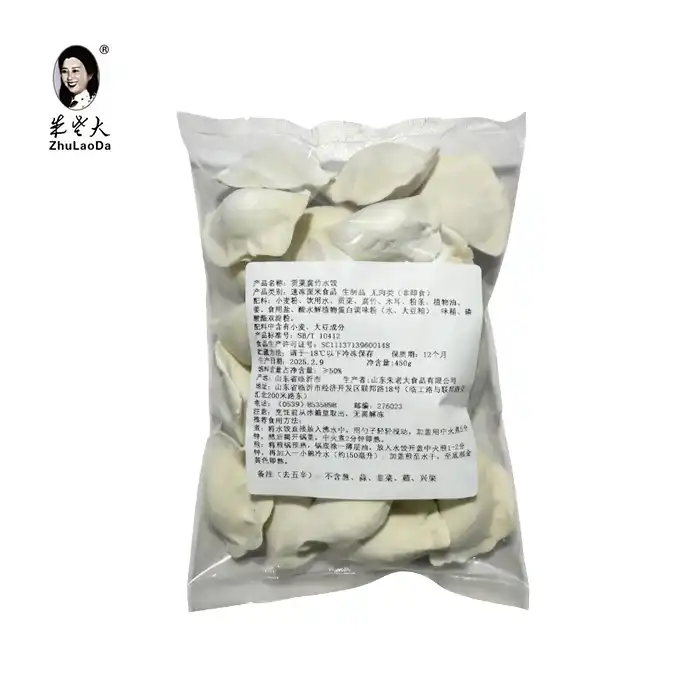
A: Our camel meat dumplings have a shelf life of 12 months when stored properly at or below -18°C (0°F). Always follow the storage instructions on the packaging for optimal quality and safety.
Q: Can I cook camel meat dumplings from frozen?
A: Yes, our dumplings can be cooked directly from frozen. This ensures food safety and convenience. Follow the cooking instructions provided on the packaging for best results.
References
1. Kadim, I. T., et al. (2013). "Camel Meat and Meat Products." CABI Publishing.
2. Raiymbek, G., et al. (2015). "Composition and Quality of Camel Meat." Journal of Agricultural Science and Technology.
3. Farag, M. R., & Alagawany, M. (2018). "Nutritional and Healthical Aspects of Camel Meat: A Review." International Journal of Food Properties.
4. Mancini, A., et al. (2018). "Biological and Nutritional Properties of Camel Meat: A Review." Meat Science.
5. Zhang, H., et al. (2016). "Ethnobotanical Study on Traditional Edible and Medicinal Plants in the Mongolian Autonomous County of Subei, Northwest China." Journal of Ethnobiology and Ethnomedicine.
Learn about our latest products and discounts through SMS or email