- English
- French
- German
- Portuguese
- Spanish
- Russian
- Japanese
- Korean
- Arabic
- Greek
- German
- Turkish
- Italian
- Danish
- Romanian
- Indonesian
- Czech
- Afrikaans
- Swedish
- Polish
- Basque
- Catalan
- Esperanto
- Hindi
- Lao
- Albanian
- Amharic
- Armenian
- Azerbaijani
- Belarusian
- Bengali
- Bosnian
- Bulgarian
- Cebuano
- Chichewa
- Corsican
- Croatian
- Dutch
- Estonian
- Filipino
- Finnish
- Frisian
- Galician
- Georgian
- Gujarati
- Haitian
- Hausa
- Hawaiian
- Hebrew
- Hmong
- Hungarian
- Icelandic
- Igbo
- Javanese
- Kannada
- Kazakh
- Khmer
- Kurdish
- Kyrgyz
- Latin
- Latvian
- Lithuanian
- Luxembou..
- Macedonian
- Malagasy
- Malay
- Malayalam
- Maltese
- Maori
- Marathi
- Mongolian
- Burmese
- Nepali
- Norwegian
- Pashto
- Persian
- Punjabi
- Serbian
- Sesotho
- Sinhala
- Slovak
- Slovenian
- Somali
- Samoan
- Scots Gaelic
- Shona
- Sindhi
- Sundanese
- Swahili
- Tajik
- Tamil
- Telugu
- Thai
- Ukrainian
- Urdu
- Uzbek
- Vietnamese
- Welsh
- Xhosa
- Yiddish
- Yoruba
- Zulu
Chinese Cabbage and Pork Dumplings vs. Other Frozen Fillings
When comparing Chinese cabbage and pork dumplings to other frozen filling options—such as beef, chicken, or vegetarian blends—the classic pork and cabbage combination consistently leads in consumer preference and retail velocity. The balance of lean pork front leg meat and crisp Napa cabbage delivers a savory, moist bite that other fillings struggle to replicate at scale. For B2B buyers managing frozen food portfolios in North America and beyond, this pairing is not just a heritage flavor—it is a high-turnover SKU that anchors cold aisle performance year-round.
Understanding the Unique Value of Chinese Cabbage and Pork Dumplings
We can tell this standard filling will last by three things: how well the ingredients work together, how healthy they are, and how great they taste for people of all ages.
Ingredient Synergy That Other Fillings Lack
Napkin cabbage is mostly water, making up 94% of its weight. If this water is properly dried out before it is mixed in, it will naturally form a water storage inside the dumpling. This doesn't add too much fat and keeps the pork filling juicy even after it's been steamed or boiled. Fillings made of beef often become dense and dry, and fillings made of chicken often lack flavor depth. It's a good mix of textures that both the people who make the grid and the people who eat it like.
Nutritional Profile That Supports Market Positioning
The balance of lean to fat in pork front leg meat is good for you because it keeps calories low while making you feel full. The calcium, vitamin C, and vitamin K in Chinese cabbage are good for you. The filling is a good mix of protein and fiber that works well for family meals, which is probably when Asians shop for groceries the most.
Cultural Relevance Across Diaspora Markets
Chinese people who live outside of China, like those in North America, Australia, and Europe, love the white cabbage and pork dumpling as a comfort food. It is often served at meals during the week, at Lunar New Year events, and with family. People are more likely to buy again because it fits with their culture, and it takes less marketing to get people to try it than younger or niche fillings. Chinese cabbage and pork dumplings are the SKU that carries this familiarity.
Comparative Analysis: Chinese Cabbage and Pork Dumplings vs. Other Frozen Dumpling Fillings
You can help buyers choose a better SKU strategy if they know how this filling stacks up against other choices. Otherwise, they might pick a bunch of different ones for no reason.
Ingredient Quality and Sourcing Complexity
It costs more to get the ingredients for beef and shrimp stuffing, and prices change more often because they are tied to commodity markets. If you use tofu or mushroom blends to make vegetarian fillings, they may go bad after a few freeze-thaw cycles and each time will have a different texture. Individual Quick Freezing (IQF) and long-haul cold chain logistics keep pork and cabbage fresh. They are also easy to find and don't cost too much. For sea freight to the US, which takes two to three months, this is an important thing to keep in mind.
Production Technique and Wrapper Performance
How the wrapper is made is just as important as what's inside. With 10–12% protein, medium to high protein wheat flour makes a gluten network that keeps the bread from cracking when it's frozen. To keep osmotic water from going into the wrapper, foods that are high in cabbage need to be dried out slowly. In terms of technology, this is what makes industrial-grade producers different from smaller ones. They skip this step if the ingredients are only beef or pork, but real jiaozi is known for being juicy.


Consumer Trend Alignment and Margin Opportunity
The USDA Economic Research Service says that sales of frozen foods in US stores steadily rose from 2022 to 2023. Asian foods were one of the groups that grew the most quickly. People who are traditional Chinese and people who just want easy access to Asian food like the pork and cabbage version. Because the market is so big, people who sell goods can get rid of them faster and earn more money.
Procurement Insights for Chinese Cabbage and Pork Dumplings and Alternatives
There's more to smart shopping than just checking the price per kilogram. How reliable the cold chain is, how likely it is that someone will order again in the next 12 to 24 months, and the risk of not following the rules will all depend on the choices made during the seller review stage.
Supplier Certification as a Non-Negotiable Baseline
In the US, any company that wants to sell frozen dumplings needs to have at least ISO 9001, HACCP, and a current SC License. You need to do these. If a shipper is taught, they should make sure that all of the following sets of papers are produced: paperwork for ractopamine-free pork; paperwork for FDA import compliance; and allergen marking guidelines for wheat and soy. It's possible for buyers to lose a lot more money than they saved by not taking this step. They could end up with imports being held up, items being returned, and customer complaints.
Cold Chain Integrity From Factory to Final Mile
It may seem easy for something to last 12 months at -18°C, but that's only true if the cold chain stays broken. If a business sells frozen dumplings, the most important questions to ask are: How many cold rooms do you have? Do you use food shipping that can be tracked by GPS? How do you keep a written record of the temperatures? Large US supermarket chains and exporters need a paper record to give to vendors for approval. Factories with 8,000-ton cold storage and GPS logistics that control temperature can provide this.
Packaging Flexibility and MOQ Structure for First-Time Buyers
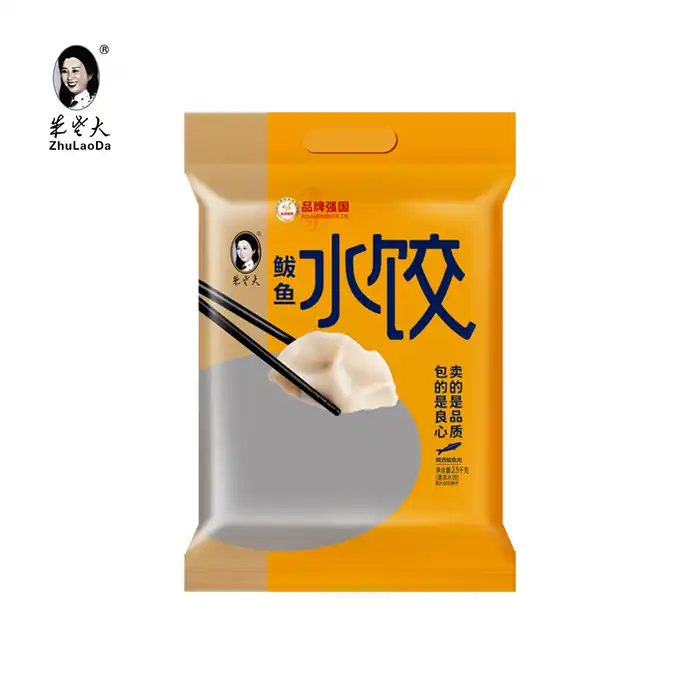
Because of strict MOQ rules, distributors often can't try a new SKU. An entry-level MOQ of about 500 kg and packing options for 500g, 1 kg, and 2.5 kg make the risk of a first container much lower. Being able to do OEM and private marking makes the products more valuable for wholesalers who want to make them stand out from other imported goods. Pork and cabbage filling is a good entry point for a first container, since it's a familiar flavour with broad appeal.
Brand & Supplier Landscape: Trusted Names vs. Emerging Players
There are big national brands that ship a lot of frozen dumplings and small regional brands that can make a range of sizes and have a good track record of following the rules.
Established Volume Producers and Their Trade-offs
People trust big national brands, but they don't always offer low minimum orders, flexible packaging, or service at the account level. Their prices are based more on the reputation of the name than on how well they make the goods, and medium-sized distributors who buy mixed packages may have to wait longer for lead times.
Regional Export-Ready Factories With Full Certification
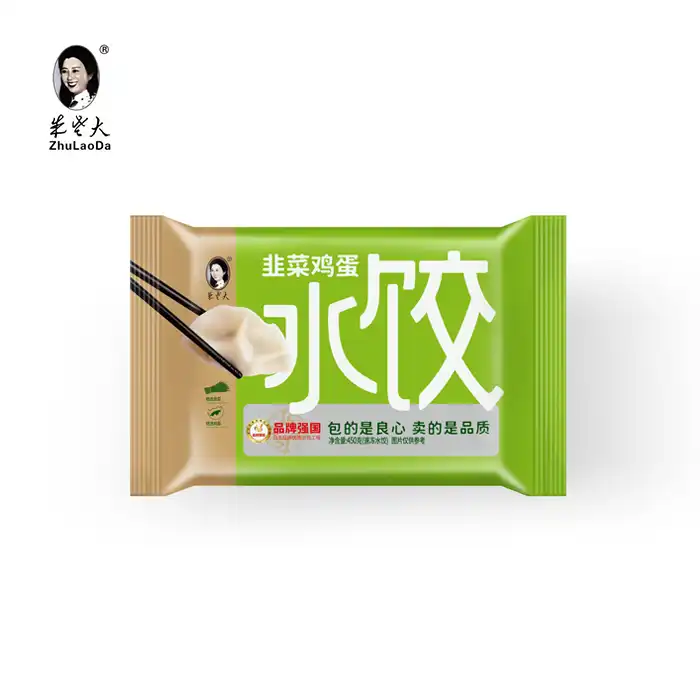
Companies from different parts of Shandong, like Shandong Zhulaoda Food Co., Ltd., which was founded in 2001 in southern Shandong, have different ideas about what is valuable. Zhulaoda is a real large-scale business. The factory has three automatic lines that can make up to 100 tons of goods every day. It also has 8,000 tons of cold storage that is run by a smart shuttle rack system. To make it, you need fresh vegetables, Canadian and Hetao Plain wheat flour, and chilled pork that has been certified by JINLUO. All of them are checked for pesticide residue, bacteria load, and physical-chemical signs before they are used in plants. The Food Production License number SC11137139600148 and the product standard SB/T 10412 can be seen by anyone.
Due Diligence Practices That Separate Reliable Suppliers
You can watch video tours of the factory before you place your first order. A trustworthy seller will also show proof of allergens (wheat and soy are in this product) and temperature logs from previous export shipments. When you ship dumplings with other SKUs from the same plant in a mixed-container (LCL), the cost of freight per unit goes down. This is good for buyers who need to get high-volume basics to make ends meet. Chinese cabbage and pork dumplings work well as a base SKU in a mixed container, since they anchor the order with steady demand.
Decision-Making Framework for Choosing Frozen Dumpling Fillings
Choosing the right filling type and the right supplier requires a structured approach that accounts for both commercial and operational variables.
Align Filling Type to End-Market Demand Data
Before committing to a full container order, review your own sales data. White cabbage and pork dumplings consistently hold the top-selling position in Asian grocery frozen aisles across North America. If your current supplier cannot demonstrate 12-month shelf life compliance and cold chain documentation, it is worth comparing alternatives before the next restocking cycle.
Evaluate Scalability and Reorder Flexibility
A supplier worth a long-term relationship should handle both a 500kg trial order and a 20-ton monthly contract with the same service quality. Ask about lead time for reorders, pricing adjustment protocols for raw material fluctuations (pork and cabbage prices shift seasonally), and whether the factory can accommodate label changes for different destination markets.
Build Compliance Into Vendor Onboarding From Day One
Request the full certification package—ISO 9001, HACCP, SC license, export registration, and allergen declaration—before placing any order. This protects your import license, simplifies FDA entry documentation, and gives your retail customers the food safety assurance they increasingly require from their supply base.

Conclusion
People who buy cold Asian food now mostly look for the pork and cabbage dumpling. This wasn't done by clever marketing, but by always meeting customer needs in terms of taste, price, accessibility, and transportation. When people in the US market are in charge of frozen food portfolios, they decide which suppliers to buy from based on how reliable they are, how well they keep food cold, and how well they keep records of compliance. Zhulaoda has all three: approved production, flexible packaging, and a shelf life of 12 months that has been tested for sea freight. Chinese cabbage and pork dumplings are the SKU that best demonstrates this, since they've earned their position through performance rather than promotion.
FAQ
What allergens are present in Chinese cabbage and pork dumplings?
The product contains wheat (from wheat flour and soy sauce) and soybean components (from the hydrolyzed vegetable protein flavoring powder). Buyers shipping to the US must ensure destination labels carry compliant allergen declarations per FDA labeling rules. Zhulaoda provides full allergen documentation upon request.
What is the shelf life, and is it sufficient for sea freight to the US?
The shelf life is 12 months when stored continuously at -18°C or below. Standard sea freight from China to US ports takes 25–40 days, leaving substantial buffer for in-store shelf life. Temperature fluctuations above -10°C accelerate ice recrystallization and degrade cabbage texture, so cold chain integrity during transit is critical.
What packaging options are available for B2B buyers?
Zhulaoda offers 500g, 1kg, and 2.5kg formats, with OEM and private label options available. The minimum order quantity for a first trial is approximately 500kg, making initial sampling commercially practical.
How do I verify supplier compliance before placing a bulk order?
Request ISO 9001, HACCP certification, the SC Food Production License (SC11137139600148 for Zhulaoda), and export registration documentation. A video factory audit and a temperature-logged sample shipment give additional assurance before committing to full container volumes.
Partner With Zhulaoda — A Trusted Chinese Cabbage and Pork Dumplings Manufacturer
Because 2001, Zhulaoda has been making frozen dumplings to send abroad. They are totally approved by ISO 9001, HACCP, and SC, and can make 100 tons of dumplings every day. They also store 8,000 tons of them in cold storage. Our team is ready to send you product specs, certification packages, and a low CIF price, whether you need a 500 kg sample order or a full-container program that runs every month. Send us an email at sdzldsp@163.com to start your question right away.
References
1. USDA Economic Research Service. Food Availability and Consumption: Frozen Food Trends in the United States. 2023.
2. Mintel Group Ltd. Asian Food in the US: Frozen Category Report. 2022.
3. Food and Drug Administration (FDA). Labeling Requirements for Packaged Foods: Allergen Declaration Guidelines. 2023.
4. International Food Information Council (IFIC). Consumer Attitudes Toward Frozen and Convenience Foods. 2022.
5. China Chamber of Commerce for Import and Export of Foodstuffs, Native Produce and Animal By-Products (CFNA). Frozen Dumpling Export Standards and Compliance Overview. 2021.
6. Journal of Food Science. Effect of Freeze-Thaw Cycles on Texture and Moisture Retention in Wheat-Based Dumpling Wrappers. Vol. 87, No. 4, 2022.

Learn about our latest products and discounts through SMS or email