- English
- French
- German
- Portuguese
- Spanish
- Russian
- Japanese
- Korean
- Arabic
- Greek
- German
- Turkish
- Italian
- Danish
- Romanian
- Indonesian
- Czech
- Afrikaans
- Swedish
- Polish
- Basque
- Catalan
- Esperanto
- Hindi
- Lao
- Albanian
- Amharic
- Armenian
- Azerbaijani
- Belarusian
- Bengali
- Bosnian
- Bulgarian
- Cebuano
- Chichewa
- Corsican
- Croatian
- Dutch
- Estonian
- Filipino
- Finnish
- Frisian
- Galician
- Georgian
- Gujarati
- Haitian
- Hausa
- Hawaiian
- Hebrew
- Hmong
- Hungarian
- Icelandic
- Igbo
- Javanese
- Kannada
- Kazakh
- Khmer
- Kurdish
- Kyrgyz
- Latin
- Latvian
- Lithuanian
- Luxembou..
- Macedonian
- Malagasy
- Malay
- Malayalam
- Maltese
- Maori
- Marathi
- Mongolian
- Burmese
- Nepali
- Norwegian
- Pashto
- Persian
- Punjabi
- Serbian
- Sesotho
- Sinhala
- Slovak
- Slovenian
- Somali
- Samoan
- Scots Gaelic
- Shona
- Sindhi
- Sundanese
- Swahili
- Tajik
- Tamil
- Telugu
- Thai
- Ukrainian
- Urdu
- Uzbek
- Vietnamese
- Welsh
- Xhosa
- Yiddish
- Yoruba
- Zulu
Do Pork and Pickled Cabbage Dumplings Help Digestion?
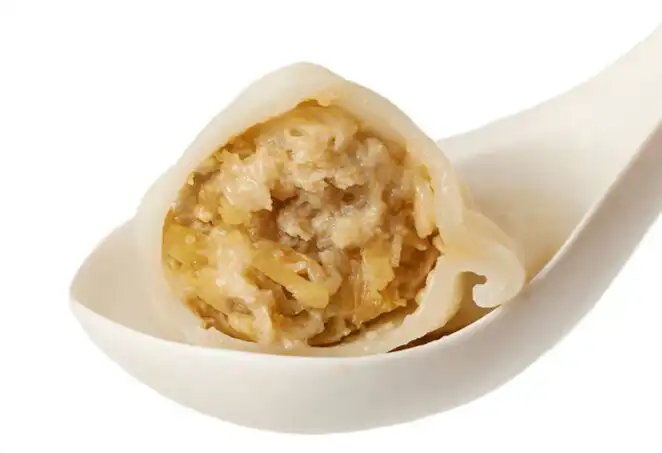
Yes, pork and pickled Chinese cabbage dumplings do improve digestive health, and scientific knowledge behind it is clear. Fermented cabbage adds live beneficial bacteria and organic acids to the the filling, which helps balance intestinal flora and improves nutritional absorption.
Pork front leg flesh contains high-quality protein that the body can utilise easily. These two main ingredients work together to provide a filling that is both gratifying and much easier on the digestive system than many other comfort meals. When done right, this traditional dumpling is much more than just a taste sensation.
Understanding the Digestive Benefits of Pork and Pickled Chinese Cabbage Dumplings
How Fermented Cabbage Supports Gut Health
Fermented napa cabbage, as the name suggests, is a vegetable high in microorganisms. Lactobacillus species create lactic acid during the lacto fermentation process. This causes the pH to drop, making the environment unsuitable for dangerous bacteria while promoting healthy germs.
A 2019 research published in the Journal from Food Science confirmed that fermented brassica - vegetables contain measurable amounts of living cultures and can withstand conventional cooking temperatures. These microorganisms are important for gut motility and gas reduction, both of which are typical problems in people who eat a lot of protein.
Protein and Fiber Working Together
The pork filling contains leucine and lysine, which are complete amino acid chains that help metabolism and tissue regeneration. The pickled & fresh kale in this dish slows stomach emptying owing to its nutritious fibre. This regulates blood sugar levels and prolongs satiety. Due to their macronutrient composition, these dumplings were considered a joyful and restorative winter supper by generations in northeastern Chinese families.
Key Ingredients and Their Roles: Why Use Pickled Chinese Cabbage in Pork Dumplings?
The Right Pork Cut Makes a Measurable Difference
Zhulaoda solely utilises hog front foot meat from JINLUO-certified sources. The lean-to-fat ratio of front shin meat is around 7:3. This is the ideal quantity of fat to maintain the filling moist without slowing your digestion. Temperature-controlled grinding (below 4°C) preserves the consistency and nutritional content of foods by preventing protein degradation and fat spreading.
Why Fermented Cabbage Outperforms Fresh Cabbage in This Application
For pork and pickled chinese cabbage dumplings, when fresh napa cabbage comes into contact with salt, it releases a large amount of water, weakening the wrapping and diluting the flavour. Chinese broccoli that was pickled with controlled fermenting milk and mechanical dehydration had already lost part of its moisture.
This thickens and solidifies the filling, while also concentrating the umami & organic acids. When food is pre-fermented, your stomach will come into contact with partially broken down cell walls & active enzymes rather than raw, unprocessed plant fibre. This makes digestion much simpler.
The following components are used in this meticulously planned recipe: drinking water, cabbage, soy sauce ginger, scallions, fermented Chinese cabbage, cabbage, a vegetable oil, flavoured salt, monosodium glutamate, acid-hydrating vegetable protein spice powder, distarch phosphate, and flavouring essence. There are no additional chemical preservatives. For those with allergies, please be aware that the product contains wheat and soy.
How to Evaluate and Procure Pork and Pickled Chinese Cabbage Dumplings for Optimal Digestion
For B2B procurement managers looking at frozen dumpling suppliers, production standards and digestive quality go hand in hand. The main things that set a trustworthy pork and pickled cabbage dumpling maker apart from a cheap one are the following:
- Nitrite residue control: Picked cabbage is the most closely examined item in this category. Zhulaoda checks each batch of cabbage for nitrite levels & microbial colony counts before it enters manufacturing. This solves one of the most frequent food safety issues in fermented vegetable products, safeguarding consumer health and brand image.
- Quick-freeze core temperatures verification: Professional quick-freezing must deliver the product's core to -18°C within the recommended temperature range. This creates little ice crystals that protect the cell wall of both the cabbage and the meat, ensuring texture or probiotic viability throughout the cold chain.
- Wrapper burst rate in boiling conditions: According to GB 19295 (National Safety Standard for Quickly Frozen Wheat Products), wrapper breakage must be less than 1% after 8-10 minutes of vigorous boiling. Zhulaoda tests this indication in batches before each shipment is released.
GB 19295 (National Food Security Standard for Quick-frozen Wheat Products) states that the rate that the wrapper breaks during 8-10 minutes of rapid boiling must be less than 1%. For products filled with Chinese cabbage, before each cargo is sent, Zhulaoda examines this indication in groups.
These criteria are critical because the efficacy of probiotics rapidly declines if cold chain fails or if the packaging breaks during cooking, allowing the beneficial ingredients of the filling to escape into the cooking water rather than being ingested. As a first step in their due diligence, procurement teams should request HACCP documents, a SC Food Manufacturing License (SC 11137139600148), including nitrite test results. Zhulaoda made these certifications public.
Preparation and Storage Best Practices to Maximize Digestive Benefits
Storage cannot be adjusted either. Always froze at -18°C and below. Changing temperatures over -10°C accelerates ice recrystallisation, causing damage to the cabbage peel and wrapping. When stored in accordance with SB/T 10412, items have a 12 months shelf life. Dips prepared with vinegar are better for digesting than those made with butter or sugar that acetic acid promotes the acidic environment that healthy gut flora appreciate.
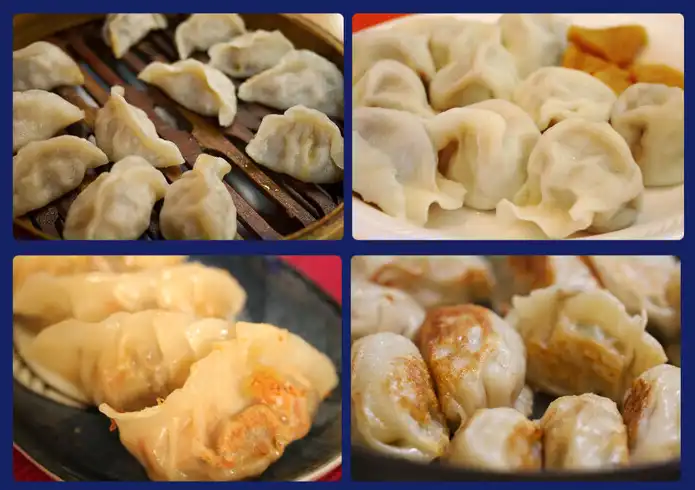
- Boiling (recommended): Add dumplings to actively boiling water, stir gently, and cook for 6–8 minutes until they float. Boiling preserves the organic acids from the fermented cabbage filling and keeps fat content lower, making the meal easier to digest. Serve immediately.
- Steaming: Place dumplings in a steamer over boiling water for 10–12 minutes. Steaming retains moisture exceptionally well and avoids any fat addition, making it the most digestion-friendly method for foodservice operators.
- Pan-frying: Heat oil, arrange dumplings, add a small amount of water, cover, and cook until the base is golden. While delicious, pan-frying adds fat and slightly reduces the bioavailability of heat-sensitive probiotic cultures.
Storage is not negotiable. For pork and cabbage filling, keep items frozen at -18°C or below. Temperature changes over -10°C promote ice recrystallisation, reducing cabbage quality and wrapper stability. The shelf life under complying storage circumstances is 12 months (Goods Standard : SB/T 10412). Vinegar-based sauces for dipping are considerably more helpful to digestion than oil-heavy or sugary alternatives because acetic acid promotes acidic conditions that good gut flora enjoy.
Comparison: Pickled Cabbage vs. Fresh Cabbage Dumplings for Digestive Health
Buyers may wonder whether ferment is worth the extra ingredient search. The resemblance is obvious. Fresh cabbage cakes are high in fibre, however pickled cabbage contains pre-digested probiotic microbes and plant chemicals. Because of their increased moisture, they have to be dewatered more quickly during production. Pickled foods provide greater gastrointestinal convenience, flavour intensity, and structural integrity along the cold chain.
It is technically possible to change the ingredients in the wrapper for gluten-free or low-fat product lines, but the fermented cabbage filling is naturally low in fat and already fits with many diets without any changes.
Conclusion
The digestive argument for pork and pickled Chinese cabbage dumplings is supported by two primary pillars: lacto-fermented cabbage's probiotic activity and the high bioavailability of lean pig protein. When these substances are handled in accordance with stringent food safety guidelines, such as employing validated nitrite controls, authorised cold-chain protocols, and green-label formulations, the product offers true gut health benefits also tastes real. This set of pies should be carefully considered by procurement personnel who are developing menus or transportation routes based on items that are both healthy and culturally appropriate.
FAQ
Do the probiotics in pickled cabbage survive cooking?
Live cultures that are sensitive to heat are made during lactofermentation, and boiling them does lower their number. But the enzymes and organic acids that are made during fermentation can handle heat and keep helping digestion even after the food is cooked. More microbes are kept alive when food is steamed at low temperatures instead of boiled or fried.
Is the pork filling in these dumplings easy to digest?
Yes. Pork front leg meat has a 7:3 lean-to-fat ratio, which means it has all the protein you need without too much saturated fat. Proteins keep their shape when they are ground at low temperatures, which makes it easier for stomach enzymes to do their job.
How should I store these dumplings to maintain their quality?
Keep at or below -18°C without stopping. Don't thaw and refreeze the food too many times, as this hurts both the texture and the fermentation benefits. Under proper settings, the shelf life is 12 months.
What certifications should I verify before placing a bulk order?
For the batch of pickled cabbage, ask for the SC Food Production License, the HACCP certificate, the ISO9001 paperwork, and the nitrite residue test results.
Are these dumplings suitable for high-volume foodservice use?
Of course. The restaurant package that weighs 2.5 kg is made for institutional dining and central kitchen operations. It is built to stay stable at high temperatures in steam cabinets and industrial boiling lines.
Source Zhulaoda's Pork and Pickled Chinese Cabbage Dumplings for Your Supply Chain
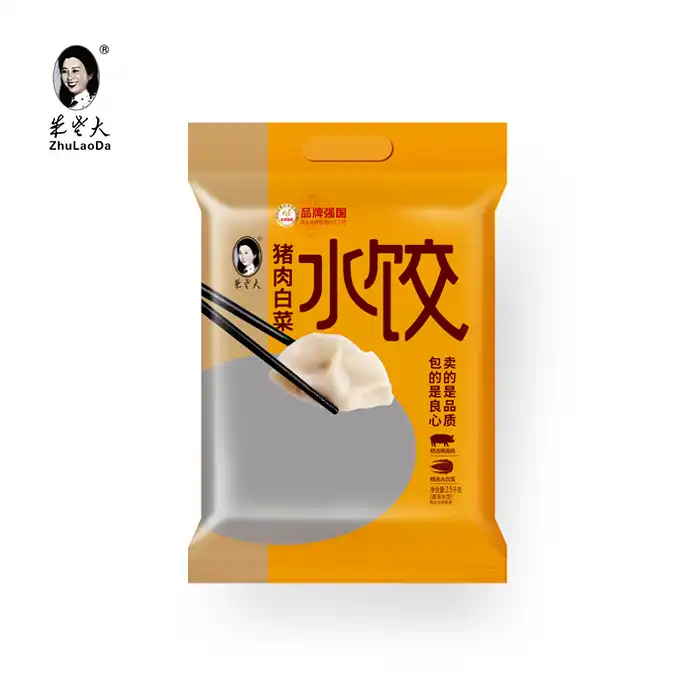
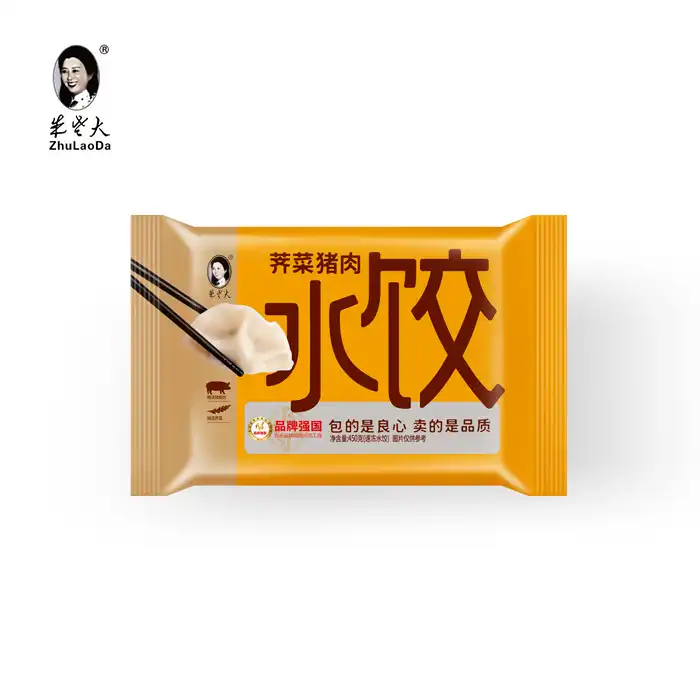
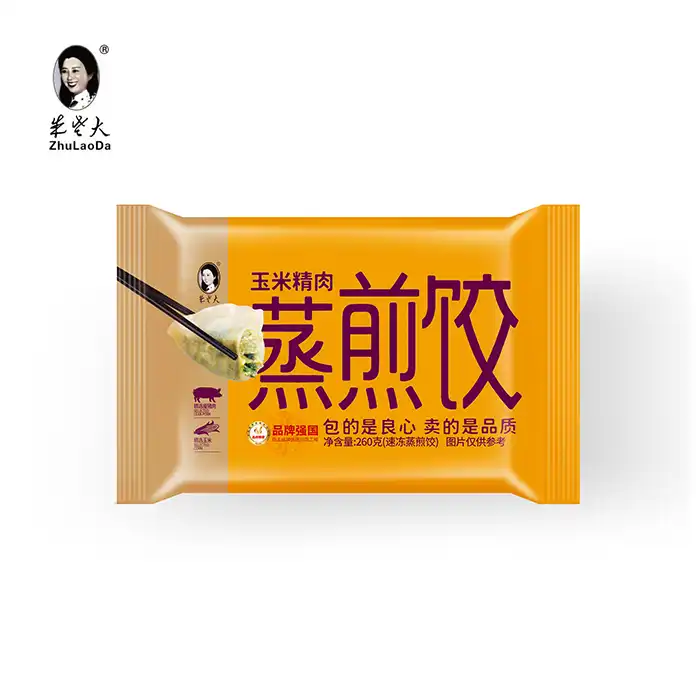
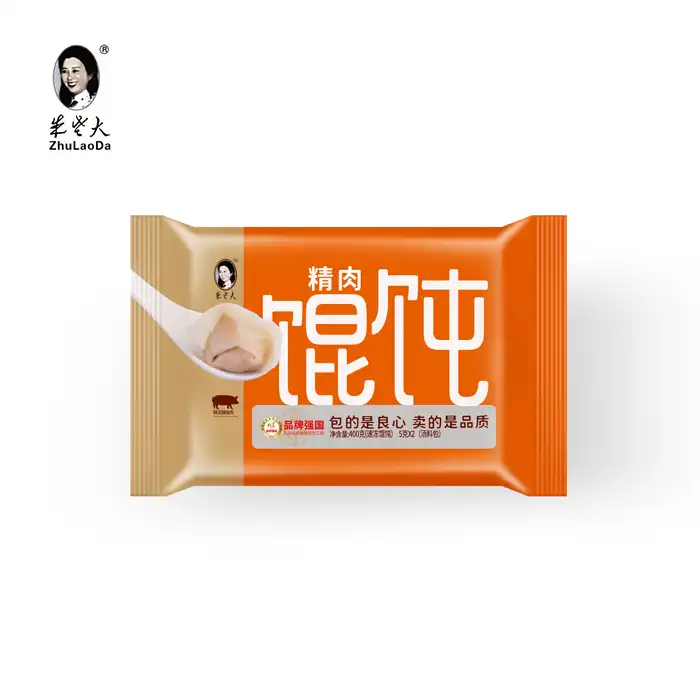
Since 2001, Zhulaoda has been making certified frozen dumplings. They have the manufacturing scale, cold-chain infrastructure, and food safety credentials to meet the strict requirements of B2B procurement. We provide 450g retail, 1kg, and 2.5kg restaurant-grade packaging, all of which are made in accordance with ISO9001, HACCP, and National QS standards, as a reliable supplier of pork and pickled chinese cabbage dumplings.
Our three automatic production lines can serve up to 100 tons every day, and our cold storage can hold more than 8,000 tons to meet your needs during the busy season. You can look at the full approval paperwork at zhulaodadumpling.com, or you can email our team at sdzldsp@163.com to get product samples and prices.
References
1. Journal of Food Science, "Probiotic Activity and Aromatic Acid Profiles in Milk-Fermented Brassica Vegetables," 2019.
2. Food Chemistry, "Nitrite Synthesis and Control in Fermentation Vegetable Products," 2021.
3. Nutrients — "Food Protein Digestibility or Amino Acid Bioavailability, from Processing Pork Products," 2020.
4. Journal of Food Microbiology, "Survival of Lacto Strains Under Thermal Treatment Conditions," 2018.
5. Comprehensive Reviews of Food Science and Food Safety, "Functional Properties of Fermentation Cabbage & Gut Microbiome Modulation," 2022.
6. "Affect of Freezing Frequency and Storage Temp on Physical Attributes of Fried Dumplings," 2020, LWT.
Learn about our latest products and discounts through SMS or email