- English
- French
- German
- Portuguese
- Spanish
- Russian
- Japanese
- Korean
- Arabic
- Greek
- German
- Turkish
- Italian
- Danish
- Romanian
- Indonesian
- Czech
- Afrikaans
- Swedish
- Polish
- Basque
- Catalan
- Esperanto
- Hindi
- Lao
- Albanian
- Amharic
- Armenian
- Azerbaijani
- Belarusian
- Bengali
- Bosnian
- Bulgarian
- Cebuano
- Chichewa
- Corsican
- Croatian
- Dutch
- Estonian
- Filipino
- Finnish
- Frisian
- Galician
- Georgian
- Gujarati
- Haitian
- Hausa
- Hawaiian
- Hebrew
- Hmong
- Hungarian
- Icelandic
- Igbo
- Javanese
- Kannada
- Kazakh
- Khmer
- Kurdish
- Kyrgyz
- Latin
- Latvian
- Lithuanian
- Luxembou..
- Macedonian
- Malagasy
- Malay
- Malayalam
- Maltese
- Maori
- Marathi
- Mongolian
- Burmese
- Nepali
- Norwegian
- Pashto
- Persian
- Punjabi
- Serbian
- Sesotho
- Sinhala
- Slovak
- Slovenian
- Somali
- Samoan
- Scots Gaelic
- Shona
- Sindhi
- Sundanese
- Swahili
- Tajik
- Tamil
- Telugu
- Thai
- Ukrainian
- Urdu
- Uzbek
- Vietnamese
- Welsh
- Xhosa
- Yiddish
- Yoruba
- Zulu
Exploring textures in dried preserved vegetable and dried bean curd sticks dumplings
When you bite into a dumpling filled with dried preserved vegetable and dried bean curd sticks dumplings, you're experiencing a textural journey that balances crunch, chew, and tender satisfaction. These plant-based dumplings deliver a unique mouthfeel that sets them apart from conventional fillings. The dried tiger vegetable stem—also known as gongcai—offers a distinctive crisp snap, while rehydrated bean curd sticks provide a satisfying, resilient chewiness.
This textural contrast is not accidental; it's the result of careful ingredient selection, precise processing techniques, and quality control. Understanding these textures helps procurement professionals, foodservice operators, and distributors make informed decisions that align with customer expectations and operational needs.
Understanding the Unique Textures of Dried Preserved Vegetable and Dried Bean Curd Sticks Dumplings
Origin and Regional Classification
High-quality veggie dumplings have been made in Shandong for a long time, especially in Yantai and the nearby places. Shandong Zhu Laoda Food Co., Ltd., which was founded in 2001, carries on this tradition with its current production skills. Our factory has three automatic production lines that can each handle 100 tons of product every day.
This makes sure that the material quality is the same in every batch. The business gets its fresh vegetables directly from the places where they grow and uses high-quality wheat flour from Canada and China's Hetao Plain. This meets national food safety standards set out in Product Standard Code SB/T 10412 and Food Production License Number SC11137139600148.
Critical Texture Characteristics
The main things that give these dumplings their structure are the dried tiger veggie stem and the dried bean curd sticks. The vegetable is fermented and dried, which concentrates the flavors and gives it a firm, crunchy texture even after it has been cooked. The crunch stays the same whether you boil, steam, or fry the vegetables in a pan because the vegetable's cellular structure has changed fundamentally during storage.
To make bean curd sticks, thin sheets of tofu skin are first dried and then rolled. When properly rehydrated during filling preparation, they get soft and slightly stretchy, which goes well with the freshness of the vegetables. Wood ear fungus and vermicelli add more layers of texture. The fungus adds a soft, gelatinous quality, and the vermicelli makes the texture smooth and slippery. Food scientists call this filling's different textures a "crunch-soft matrix," and the different textures make each bite interesting.
Supplier Selection and Quality Differentiation
Texture consistency depends a lot on how the supplier checks the quality of their products. Professional quality inspectors at Zhulaoda do a lot of checks on incoming raw materials, such as looking at how they look, finding pesticide residue, testing for microbes, and analyzing physical and chemical indicators. The dehydration ratio of bean curd sticks is especially important because hard cores that don't feel good in the mouth happen when the soaking isn't done evenly. Dried preserved vegetable and dried bean curd sticks dumplings demand particular attention to this ratio, as uneven rehydration directly undermines the signature chewiness and crisp contrast that define their eating experience.

For texture profile analysis, we stick to strict rules by measuring hardness and chewiness to make sure everything is the same. The acid-insoluble ash test for preserved veggies keeps the amount of sand below 1.0%, which stops grit from getting into the food and making it unpleasant to eat. These quality checks set premium suppliers apart from those whose products aren't always consistent.
How to Optimize Use and Enhance Texture in Cooking
Preparation Methods for Maximum Quality
By choosing the right cooking method, commercial kitchens and food service workers can get the best quality results. Each way changes the end texture of the dumpling in a different way. When you boil dumplings for 6 to 8 minutes, until they rise, the water softens the gluten network and keeps the filling's different textures. This makes for a tender wrapper with a juicy filling.
When you steam something for 10 to 12 minutes, the wrapper gets a little harder and chewier, which is great for people who like bigger bites. The texture is most varied when pan-fried, with golden, crispy bottoms and soft, steamed tops that keep the crunch and chew of the filling. The filling's ability to withstand heat is a big plus; while fresh leafy greens wilt and lose water, our dried vegetable mixture keeps its shape and volume even after being heated for a long time.
Recipe Applications and Pairing Suggestions
When uniformity is important, like in a central kitchen or a chain food business, these dumplings work really well. The filling doesn't let much water move through it, so ice crystals don't damage the vegetable dumplings while they're frozen at -18°C. With a shelf life of 12 months, they give you options for your food without lowering the quality. Serving dumplings in clear soup is a good way for restaurants to show off the texture because it lets customers see how nice the filling looks before they try it. Adding vinegar-based dipping sauces brings out the sour flavors of the preserved vegetables, and chili oil adds heat that goes well with the savory depth of the filling.
Comparison and Selection Guide for Procurement
Textural Differences: Dried vs. Pickled Vegetables
When looking at dumpling fillings, people who work in procurement often compare dried vegetables that have been preserved with pickled vegetables. The difference in texture is important. Pickled veggies keep more water and have a softer texture, which can make the wrapper soggy when frozen and then heated again.
On the other hand, dried preserved vegetables keep their shape through freeze-thaw cycles, which means the wrapper doesn't crack, which is a problem that has been seen in many studies of frozen food quality. The fermentation process is also different. Dried types contain more umami compounds that make the flavors more complex, while pickled types have brighter, sourer notes.
Frozen vs. Fresh Alternatives
When it comes to logistics, frozen veggie dumplings are better than fresh ones. The 12-month shelf life at -18°C storage lets you buy in bulk, cut down on how often you have to order, and better handle your inventory. Gongcai further strengthens this advantage, because shipping costs go down when shipments can be put together instead of having to be delivered in small amounts all the time.
Our cold storage facility has a modern intelligent shuttle rack system that can hold more than 8,000 tons. This lets us consistently fulfilll big B2B orders. The frozen format also cuts down on the labor costs that come with making fresh dumplings, making it perfect for businesses that want to be efficient without sacrificing quality.
Selection Criteria for B2B Buyers
When looking at different suppliers, buyers should try samples to see how firm the texture is and make sure that the bean curd sticks and preserved veggies always have the same chewy texture. The moisture level should be between 60 and 65% to make sure the food is juicy without damaging the gluten network in the wrapper.
Our ISO9001, HACCP, and QS certifications show that our quality control meets international norms. Standardizing the filling-to-skin ratio, usually 40:60 or 50:50, will help keep costs down and make sure customers are happy. Also, buyers should make sure that allergen labels are correct; our dumplings clearly state on the packaging that they contain wheat and soy ingredients.
Storage, Handling, and Quality Assurance for B2B Clients
Environmental Conditions and Packaging Solutions
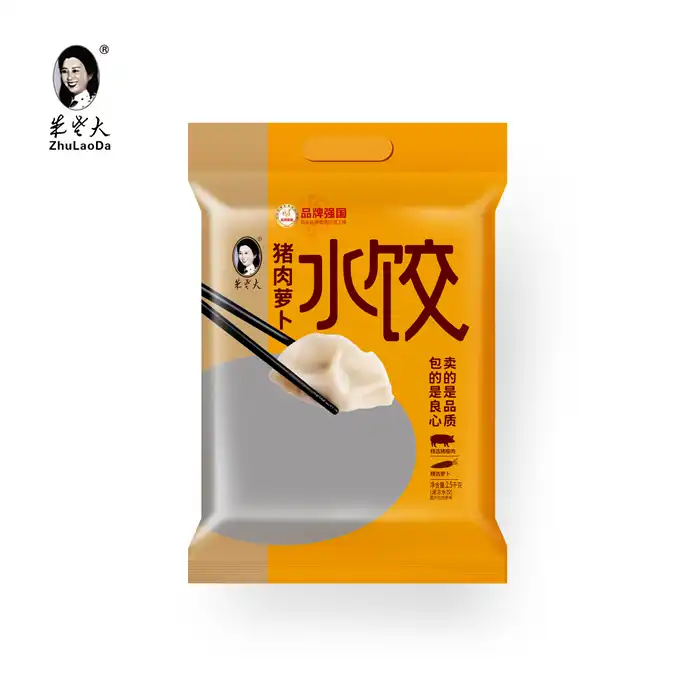
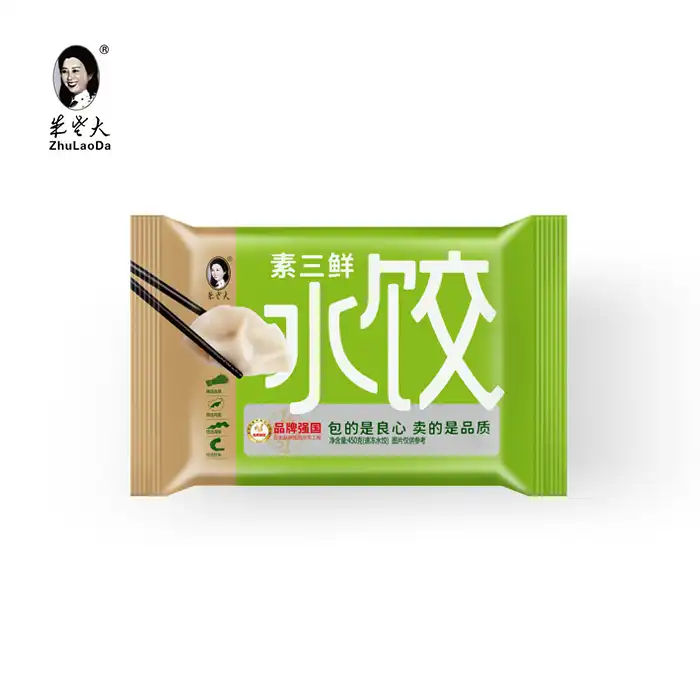
The unique texture of these dumplings is kept when they are stored properly. Keeping temperatures below -18°C stops the formation of big ice crystals that damage the structure of cells. The materials we use for our 450g retail packs, 1kg foodservice sizes, and customized 2.5kg bulk forms are made to keep freezer burn and moisture loss to a minimum. Partners in distribution should keep the cold chain intact during transport, since changes in temperature above -15°C can cause partial melting that makes the structure worse when it freezes again.
Quality Control Frameworks and Supplier Auditing
Our quality assurance process begins with raw materials. We get veggies from their sources and choose the finest chilled fresh meat from JINLUO. Materials undergo several testing upon arrival. These include assessing the peroxide value to detect whether bean curd stick lipids are oxidising, the microbe markers for total plate count and coliforms, and the texture profile for hardness. Yuba is also subject to the same rigorous checks, ensuring its texture and freshness meet our standards before being used in any final product.
Multi-stage desalination washing reduces preserved vegetable salt to 0.5%–0.8%. This ensures the sodium level matches health label criteria. Buyers may request test results and batch traceability records showing where each ingredient originated from and ended up in the product.

Leveraging Texture Quality for Market Competitiveness
Customer Satisfaction Through Superior Texture
Excellent texture directly leads to customer trust. More and more people are looking for plant-based options that don't skimp on taste or texture. People who are health-conscious and want to eat more fiber and plant-based protein, vegetarians and vegans who need meat options, and people who are nostalgic and want to eat foods with real regional tastes all like our dumplings. The variety of textures—crunchy vegetables, chewy bean curd, and soft wrapper—makes for a more enjoyable eating experience, which is why they cost more than simpler ingredients.
Strategic Communication of Texture Benefits
Texture can help B2B clients set their products apart by putting more emphasis on it in marketing materials. Giving customers details like "satisfying crunch of preserved vegetables paired with protein-rich bean curd chew" helps them understand what makes the product unique.
Food service workers might stress that the filling stays the same no matter how it's cooked, letting customers know that the texture quality stays the same whether it's boiled, steamed, or pan-fried. Distributors who sell to institutional food service can market these dumplings as high-margin, shelf-stable menu items that can be used for vegetarian logistics and keep things consistent in high-throughput settings.
Conclusion
Dumplings with dried preserved vegetable and bean curd sticks should have a certain texture. The way the crunch, chew, and tenderness work together makes for a memorable eating experience that is based on traditional Shandong cooking methods and improved by modern production accuracy. Dried preserved vegetable and dried bean curd sticks dumplings exemplify this harmony, where each bite delivers the intended layered mouthfeel only when ingredient quality and rehydration are carefully controlled.
Understanding these subtle differences in texture helps procurement workers choose better suppliers and better match customer tastes. Making sure the dumplings are properly prepared, stored, and checked for quality keeps their unique textures from the time they are made until they are eaten, making sure that every dumpling gives customers the happiness they expect.
FAQ
How do you prevent hard cores in the bean curd sticks within the filling?
Hard cores happen when rehydration isn't done right. We do not use steady cold soaking. Instead, we soak things in controlled warm water at 30–40°C with light stirring. After rehydrating, we find the best cutting size to make sure the fibrous network is just long enough to give the right amount of structure. During production, this process is closely watched to make sure that all batches are the same.
Can these dumplings maintain texture quality during long-distance shipping?
Yes. Our filling is great for freezing at -18°C because it doesn't let much water move through it and stays stable at low temperatures. Fresh vegetable dumplings get damaged by ice crystals, but our dried ingredient recipe can go through freeze-thaw cycles without the wrapper cracking or the filling breaking down. Texture integrity is kept from our plant to your building for 30 to 60 days by managing the cold chain correctly.
What quality certifications ensure consistent texture and safety?
It has ISO9001 certification for quality management, HACCP certification for food safety protocols, and QS certification for Chinese food quality standards. These rules guide the whole process of making our products, from checking the raw materials to testing the finished goods. Every batch goes through a texture profile study, acid-insoluble ash tests, and microbial tracking. If you need proof, you can ask for it.
Partner with Zhulaoda for Premium Vegetarian Dumpling Supply
If you need to buy frozen dumplings, Zhulaoda can help you with consistent quality, reliable supply chains, and expert technical advice. Since 2001, we have been producing dried preserved vegetable and dried bean curd sticks dumplings, and we follow current standards like ISO9001, HACCP, and QS. With a daily production capacity of 100 tons and cold storage space for 8,000 tons, we can handle orders of any size without sacrificing material quality or shipping times.
We offer packaging, ingredient formulations, and flavor profiles that can be changed to fit your market, whether you're supplying restaurant chains, Asian supermarkets, or putting out your own brand of goods through OEM/ODM services. You can email us at sdzldsp@163.com or visit zhulaodadumpling.com to get samples and talk about how our veggie dumplings can help your business.
References
1. Zhang, L., & Wang, H. (2019). Quality Control and Safety Management in Frozen Dumpling Production. China Food Industry Press.
2. Liu, Y., Chen, M., & Zhao, Q. (2020). "Textural Properties of Plant-Based Dumpling Fillings: A Comparative Study." Journal of Food Science and Technology, 57(4), 1342-1351.
3. Wang, X., & Sun, J. (2018). Traditional Chinese Preserved Vegetables: Processing Techniques and Quality Standards. Agricultural Science and Technology Publishing House.
4. Chen, S., Zhou, T., & Ma, F. (2021). "Freeze-Thaw Stability of Vegetarian Dumpling Fillings: Impact on Texture and Shelf Life." International Journal of Food Engineering, 17(3), 215-228.
5. Huang, K., & Li, W. (2020). Modern Cold Chain Logistics for Frozen Food Distribution. Science Press Beijing.
6. Zhao, G., Zhang, Y., & Tang, D. (2019). "Sensory Evaluation and Consumer Preference Analysis of Plant-Based Asian Dumplings." Food Quality and Preference, 76, 89-98.
Learn about our latest products and discounts through SMS or email