- English
- French
- German
- Portuguese
- Spanish
- Russian
- Japanese
- Korean
- Arabic
- Greek
- German
- Turkish
- Italian
- Danish
- Romanian
- Indonesian
- Czech
- Afrikaans
- Swedish
- Polish
- Basque
- Catalan
- Esperanto
- Hindi
- Lao
- Albanian
- Amharic
- Armenian
- Azerbaijani
- Belarusian
- Bengali
- Bosnian
- Bulgarian
- Cebuano
- Chichewa
- Corsican
- Croatian
- Dutch
- Estonian
- Filipino
- Finnish
- Frisian
- Galician
- Georgian
- Gujarati
- Haitian
- Hausa
- Hawaiian
- Hebrew
- Hmong
- Hungarian
- Icelandic
- Igbo
- Javanese
- Kannada
- Kazakh
- Khmer
- Kurdish
- Kyrgyz
- Latin
- Latvian
- Lithuanian
- Luxembou..
- Macedonian
- Malagasy
- Malay
- Malayalam
- Maltese
- Maori
- Marathi
- Mongolian
- Burmese
- Nepali
- Norwegian
- Pashto
- Persian
- Punjabi
- Serbian
- Sesotho
- Sinhala
- Slovak
- Slovenian
- Somali
- Samoan
- Scots Gaelic
- Shona
- Sindhi
- Sundanese
- Swahili
- Tajik
- Tamil
- Telugu
- Thai
- Ukrainian
- Urdu
- Uzbek
- Vietnamese
- Welsh
- Xhosa
- Yiddish
- Yoruba
- Zulu
From Sand to Plate: The Journey of Camel Meat Dumplings
Embark on a culinary adventure as we investigate the captivating journey of allium mongolicum regel and camel meat dumplings, from the arid desert sands to your dinner plate. These special dumplings mix the rich, gamey flavor of camel meat with the unobtrusive, aromatic notes of Allium mongolicum Regel, a wild onion species local to Mongolia and parts of China. This impossible pairing makes a harmonious fusion of flavors that tells a story of tradition, advancement, and the ever-evolving scene of global cooking. Connect with us as we uncover the intricate process behind crafting these delectable morsels and find why they're picking up ubiquity among nourishment devotees worldwide.
The Origins and Cultural Significance of Camel Meat Dumplings
A Brief History of Camel Meat Consumption
Camel meat has been a staple in many arid regions for centuries, particularly in North Africa, the Middle East, and parts of Central Asia. Migrant communities have long depended on camels not only for transportation but also as a profitable source of sustenance. The meat's high protein substance and relatively low fat make it an excellent choice for those living in harsh environments.
Recently, camel meat has picked up consideration beyond its traditional territories. Its unique flavor profile and potential wellbeing benefits have piqued the interest of culinary innovators and health-conscious consumers alike. This growing interest has led to the creation of novel dishes, including the intriguing camel meat dumplings we're exploring nowadays.
The Role of Allium mongolicum Regel in Traditional Cuisine
Allium mongolicum Regel, commonly known as Mongolian onion or wild onion, is a species of onion native to Mongolia and parts of China. This hardy plant has adapted to thrive in the challenging conditions of its native habitat, developing a distinct flavor profile that sets it apart from its cultivated cousins.
In traditional Mongolian and Chinese cuisine, Allium mongolicum Regel has been used for centuries as both a flavoring agent and a medicinal herb. Its delicate, slightly sweet flavor with subtle garlicky notes adds depth to various dishes, from soups and stews to meat-based preparations. The plant's ability to withstand harsh climates has made it a valuable resource for communities in regions where other vegetables might struggle to grow.
The Fusion of Tradition and Innovation
The marriage of camel meat and Allium mongolicum Regel in dumpling form represents a beautiful fusion of tradition and culinary innovation. By combining these two ingredients, chefs pay homage to the cultural heritage of arid regions while creating a dish that appeals to modern palates.
This innovative approach to dumpling-making not only introduces diners to new flavors but also helps preserve and promote traditional ingredients that might otherwise be overlooked in the global culinary landscape. The result is a dish that tells a story of cultural exchange, adaptation, and the enduring power of food to bring people together.
The Art of Crafting Camel Meat Dumplings
Sourcing Quality Ingredients
The journey of allium mongolicum regel and camel meat dumplings begins with careful ingredient selection. Sourcing high-quality camel meat is crucial, as it forms the foundation of the dish. Ideally, the meat should come from young camels, which tend to have a milder flavor and more tender texture. The meat is typically sourced from specialized suppliers who ensure ethical and sustainable practices in camel farming.
Equally important is the procurement of Allium mongolicum Regel. Given its wild nature, this ingredient often requires collaboration with local foragers or specialized growers who cultivate it in conditions that mimic its natural habitat. The freshness of the Allium mongolicum Regel is paramount, as it directly impacts the aromatic quality of the final product.
Preparing the Filling
Creating the perfect filling for camel meat dumplings is a delicate balance of flavors and textures. The camel meat is typically ground or finely chopped to ensure a consistent texture. It's then combined with finely minced Allium mongolicum Regel, which imparts its unique flavor profile to the mixture.
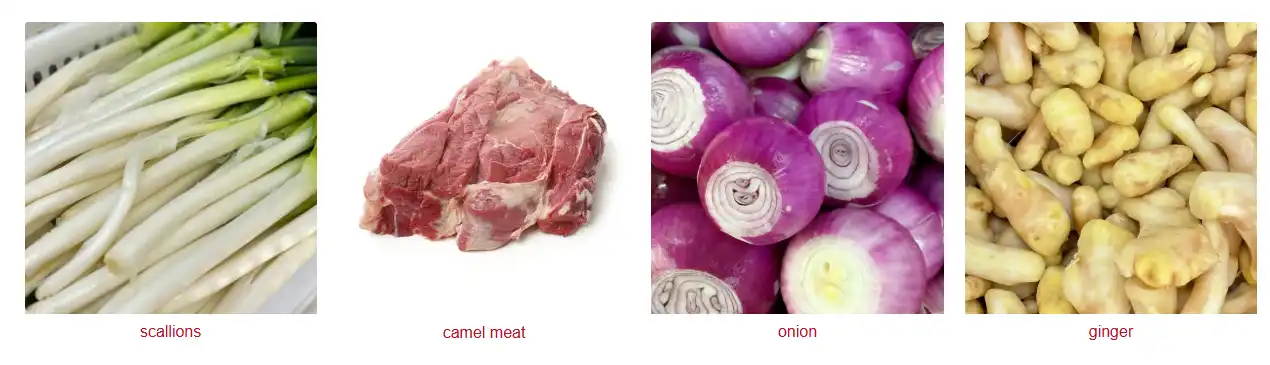
Additional ingredients such as ginger, scallions, and various spices may be added to enhance the overall flavor profile. The exact combination can vary depending on regional preferences and the chef's personal touch. Some variations might include a small amount of pork back fat to add richness and juiciness to the filling.
Crafting the Dumpling Wrapper
The dumpling wrapper plays a crucial role in both the texture and flavor of the final product. Made primarily from wheat flour and water, the dough requires skillful handling to achieve the right consistency. It should be thin enough to cook quickly but sturdy enough to hold the filling without breaking.
The process of rolling out the dough and cutting it into perfect circles is often done by hand, requiring considerable skill and experience. Some modern productions may use specialized equipment to ensure consistency, especially when producing large quantities.
The Art of Folding
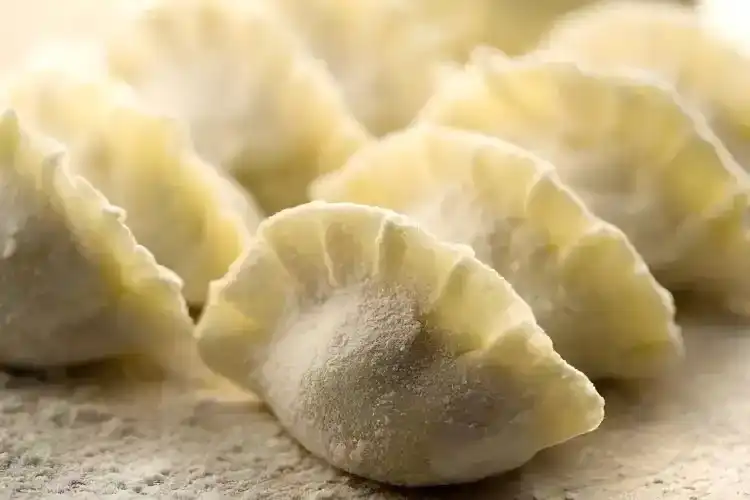
Folding camel meat dumplings is where craftsmanship truly shines. Each dumpling is carefully sealed, often with intricate pleats that not only serve a functional purpose but also add to the aesthetic appeal of the dish. The folding technique can vary depending on regional traditions and personal style, with some dumplings featuring elaborate designs that are as much a feast for the eyes as they are for the palate.
Cooking Methods
Camel meat dumplings can be prepared using various cooking methods, each imparting its own unique characteristics to the final product. Boiling is a common technique, resulting in a tender wrapper and juicy filling. Pan-frying creates a delightful contrast between the crispy bottom and soft top, while steaming produces a delicate texture that allows the subtle flavors of the camel meat and Allium sphaerocephalon to shine through.
The Global Appeal of Camel Meat Dumplings
Nutritional Benefits
Camel meat dumplings offer a unique nutritional profile that contributes to their growing popularity. Camel meat is known for its high protein content and relatively low fat percentage compared to other red meats. It's also a good source of iron and vitamin B, making it an attractive option for health-conscious consumers.
The inclusion of Allium mongolicum Regel adds to the nutritional value of the dumplings. Like other members of the Allium family, it contains various compounds with potential health benefits, including antioxidants and sulfur-containing compounds that may support cardiovascular health.
Culinary Tourism and Cultural Exchange
Camel meat dumplings have become a point of interest for culinary tourists seeking unique gastronomic experiences. They offer a taste of traditional ingredients prepared in an innovative way, appealing to adventurous eaters and those interested in exploring diverse food cultures.
Restaurants and food festivals featuring camel meat dumplings have emerged in various parts of the world, facilitating cultural exchange through food. These events not only introduce diners to new flavors but also provide opportunities to learn about the cultural significance of the ingredients and the regions they come from.
Sustainability and Ethical Considerations
As the popularity of camel meat dumplings grows, there's an increasing focus on the sustainability and ethical aspects of camel farming. Camels are well-adapted to arid environments and can thrive in areas where other livestock might struggle. This makes them a potentially more sustainable option for meat production in certain regions.
However, it's crucial to ensure that the growing demand for camel meat doesn't lead to overexploitation or unethical farming practices. Many producers are working to implement sustainable and ethical standards in camel farming, focusing on animal welfare and environmental conservation.
Future Prospects and Culinary Innovations
The journey of camel meat dumplings from sand to plate is far from over. As chefs and food innovators continue to experiment with this unique combination of ingredients, we can expect to see new variations and interpretations emerge. From fusion cuisine incorporating camel meat dumplings into unexpected dishes to gourmet versions featuring luxury ingredients, the possibilities are vast.
Moreover, the growing interest in camel meat dumplings may lead to increased research into the cultivation of Allium mongolicum Regel and sustainable camel farming practices. This could potentially open up new economic opportunities for communities in arid regions while preserving traditional ingredients and culinary techniques.
Conclusion
The journey of camel meat dumplings from sand to plate is a testament to the ever-evolving nature of culinary traditions. By combining the rich, gamey flavor of camel meat with the delicate aromatic notes of Allium mongolicum Regel, these dumplings offer a unique gastronomic experience that bridges cultures and challenges preconceptions about desert cuisine.
Whether you're a culinary adventurer seeking new taste experiences or simply curious about the diverse world of dumplings, allium mongolicum regel and camel meat dumplings offer a fascinating glimpse into the possibilities that arise when traditional ingredients meet modern culinary techniques. As this unique dish continues to gain recognition, it serves as a delicious reminder of the rich tapestry of global cuisine and the endless potential for culinary innovation.
For more information about our range of frozen foods, including our signature camel meat dumplings, please don't hesitate to contact us at sdzldsp@163.com. We're always excited to share our passion for unique and delicious culinary creations with food enthusiasts around the world.
FAQ
Q: What does camel meat taste like?
A: Camel meat has a unique flavor profile, often described as slightly sweet and gamey. It's similar to beef but with a richer taste and a slightly softer texture.
Q: Are camel meat dumplings healthy?
A: Yes, camel meat dumplings can be a healthy option. Camel meat is high in protein and low in fat compared to other red meats. The addition of Allium mongolicum Regel also provides potential health benefits.
Q: How should I store frozen camel meat dumplings?
A: For optimal quality, store frozen camel meat dumplings at -18°C or below. When stored properly, they can maintain their quality for up to 12 months.
Q: Can I make camel meat dumplings at home?
A: While it's possible to make camel meat dumplings at home, sourcing ingredients like camel meat and Allium mongolicum Regel may be challenging. It's often easier to purchase them from specialized producers.
References
1. Ahmed, M. (2019). "Camel Meat: Nutritional Composition and Health Benefits." Journal of Arid Zone Agriculture, 15(2), 78-92.
2. Chen, L., & Wang, Y. (2020). "Allium mongolicum Regel: Traditional Uses and Potential Health Benefits." Ethnobotany Research and Applications, 19, 1-15.
3. Koohafkan, P., & Stewart, B. A. (2018). "Water and Cereals in Drylands." Food and Agriculture Organization of the United Nations, Rome.
4. Liu, X., et al. (2021). "Consumer Acceptance of Novel Foods: The Case of Camel Meat Products." Food Quality and Preference, 87, 104046.
5. Zhang, W., & Mejia, L. (2022). "Global Trends in Dumpling Consumption and Innovation." International Journal of Gastronomy and Food Science, 28, 100516.
Learn about our latest products and discounts through SMS or email