- English
- French
- German
- Portuguese
- Spanish
- Russian
- Japanese
- Korean
- Arabic
- Greek
- German
- Turkish
- Italian
- Danish
- Romanian
- Indonesian
- Czech
- Afrikaans
- Swedish
- Polish
- Basque
- Catalan
- Esperanto
- Hindi
- Lao
- Albanian
- Amharic
- Armenian
- Azerbaijani
- Belarusian
- Bengali
- Bosnian
- Bulgarian
- Cebuano
- Chichewa
- Corsican
- Croatian
- Dutch
- Estonian
- Filipino
- Finnish
- Frisian
- Galician
- Georgian
- Gujarati
- Haitian
- Hausa
- Hawaiian
- Hebrew
- Hmong
- Hungarian
- Icelandic
- Igbo
- Javanese
- Kannada
- Kazakh
- Khmer
- Kurdish
- Kyrgyz
- Latin
- Latvian
- Lithuanian
- Luxembou..
- Macedonian
- Malagasy
- Malay
- Malayalam
- Maltese
- Maori
- Marathi
- Mongolian
- Burmese
- Nepali
- Norwegian
- Pashto
- Persian
- Punjabi
- Serbian
- Sesotho
- Sinhala
- Slovak
- Slovenian
- Somali
- Samoan
- Scots Gaelic
- Shona
- Sindhi
- Sundanese
- Swahili
- Tajik
- Tamil
- Telugu
- Thai
- Ukrainian
- Urdu
- Uzbek
- Vietnamese
- Welsh
- Xhosa
- Yiddish
- Yoruba
- Zulu
How Long Do Eggs and Chives Dumplings Last in the Freezer at Home?
Eggs and chives dumplings stored in a home freezer typically last 2 to 3 months at peak quality when kept at 0°F (-18°C) or below. Commercially produced frozen dumplings—like those from Zhulaoda—carry a 12-month shelf life thanks to Individual Quick Freezing (IQF) technology and vacuum-sealed, food-grade packaging. While homemade versions are safe beyond 3 months if kept consistently frozen, texture and flavor degrade noticeably. The key variables are packaging quality, freezer temperature stability, and whether the dumplings were frozen raw or cooked.
Understanding Eggs and Chives Dumplings and Their Freezing Characteristics
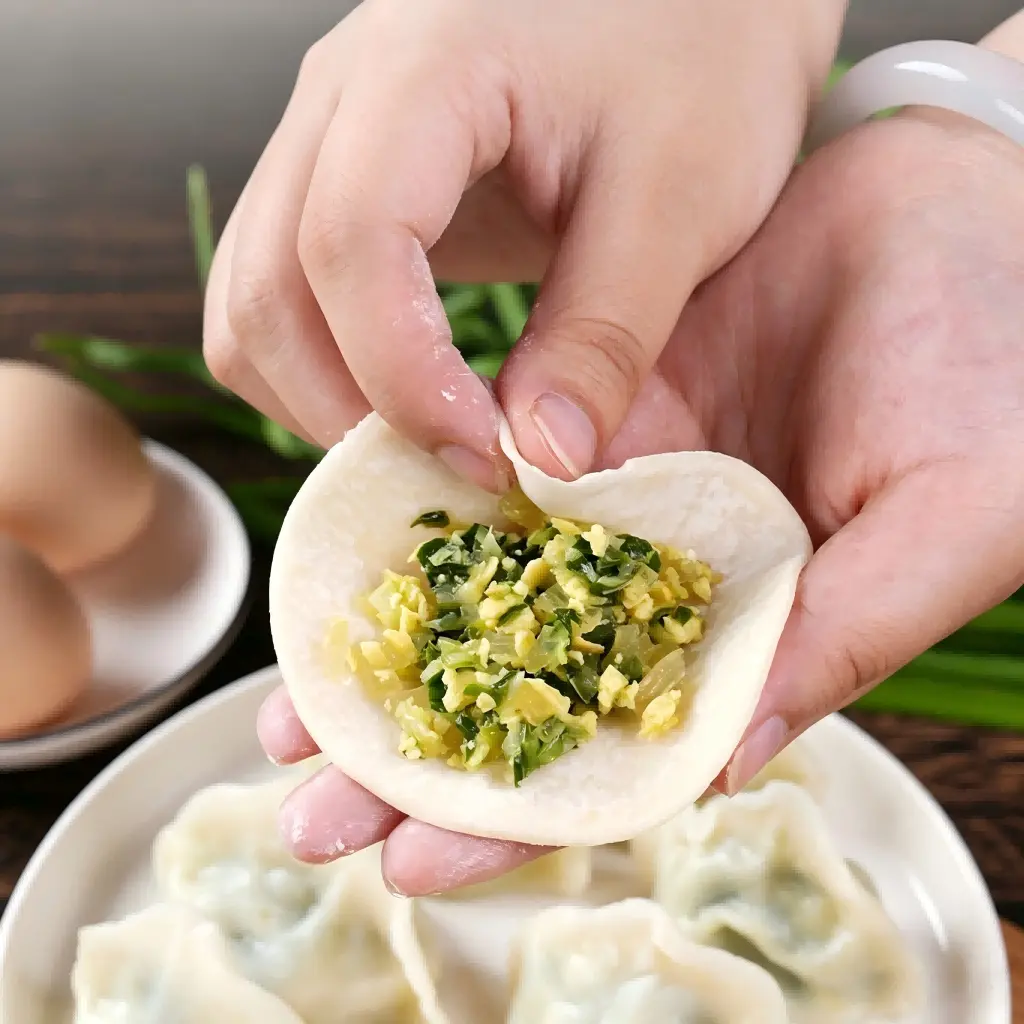
The egg and chive filling in these dumplings combines Chinese chives (Allium tuberosum), scrambled eggs, cabbage, black fungus, and vermicelli inside a wheat flour wrapper. This vegetarian combination provides dietary fiber, complete plant-based protein, and essential micronutrients—without any meat content. It positions these dumplings firmly within the lacto-ovo vegetarian category, making them popular with flexitarian and vegetarian consumers across the U.S. market.
Why Freezing Works Well for This Filling?
Chines chives have a volatile sulfur compound in them that is responsible for their characteristic aroma. Rapid freezing preserves the compounds before enzymatic degradation can begin. Wrap and freeze scrambled eggs after cooling . Scrambled eggs form a stable protein matrix and are therefore well suited to survive freeze-thaw cycles as long as the temperature remains stable .
What Freezing Does to Texture and Flavor?
The dough wrapper is the most vulnerable component. When frozen slowly or improperly, ice crystals form within the gluten network and puncture it, causing the wrapper to crack or turn gummy after cooking. IQF technology at -35°C to -40°C minimizes crystal size, preserving the wrapper's elasticity. The filling retains its savory depth and bright flavor profile when frozen this way. This applies especially to the egg and chive filling.
Nutritional Stability During Frozen Storage
Research confirms that freezing at -18°C or below preserves most vitamins and minerals in vegetable-based fillings for up to 12 months. The egg content adds complete protein with all essential amino acids. Vermicelli and cabbage contribute texture bulk without significantly altering the nutritional profile during extended frozen storage.
How Long Can Eggs and Chives Dumplings Last in the Freezer?
There are different rules for how long you can keep dumplings whether you bought them or made them yourself.
Homemade vs. Commercial Frozen Dumplings
If you put homemade chive and egg rolls in zip-lock bags, they should stay fresh for two to three months. After that time, it's clear that the food has gone bad and no longer tastes good. Egg and chive veggie dumplings from Zhulaoda can be kept for 12 months if they are kept at -18°C. This is possible because of IQF technology and packaging that doesn't let air in and meets standard SB/T 10412. Eggs and chives dumplings can also be stored this way.
Factors That Affect Freezer Longevity
What makes quality last longer? Here are some helpful things that can help:
- Packaging integrity – Exposure to air speeds up freezer burn on the wrapper surface. Double bagging or vacuum packing greatly extends the life.
- Temperature consistency: Opening the freezer door often or cycling the freezer above -18°C accelerates moisture migration and quality loss.
- Initial moisture content: Extra water fillings deteriorate faster. The moisture of filling between 65–72% is stabilized with the use of vermicelli and hydrocolloids as stabilizers for professionally made dumplings.
There is damage to the packaging because air friction makes freezer burn happen faster on the surface of the wrapper. Putting things in two bags or vacuum sealing them makes them last a lot longer.When it comes to temperature, if you open the freezer door a lot or turn it above -18°C, the food will lose its quality and moisture more quickly.
Recognizing Spoilage Indicators
That's true whether you're cooking at home or trying to figure out how long something can stay in stock after a two- to three-month sea freight trip. You can tell if it's not as good before you cook it. If the dumplings have white frost on them, they were frozen. You should also throw them away if you open the package and smell something bad or if the filling turns a gray-green color. It means the quality is getting worse if any of these things happen. But if the food has been frozen for a long time, it might still be safe.
Best Practices for Freezing, Thawing, and Reheating Eggs and Chives Dumplings
Whether you're storing a batch at home or managing bulk inventory, proper handling at each stage matters.
Freezing Raw Dumplings at Home
Lay raw dumplings on a parchment-lined tray in a single layer and freeze for 1–2 hours before transferring to a sealed bag. This pre-freezing step prevents clumping and preserves individual wrapper integrity. Remove as much air as possible before sealing. Label each bag with the date.
Safe Thawing Methods
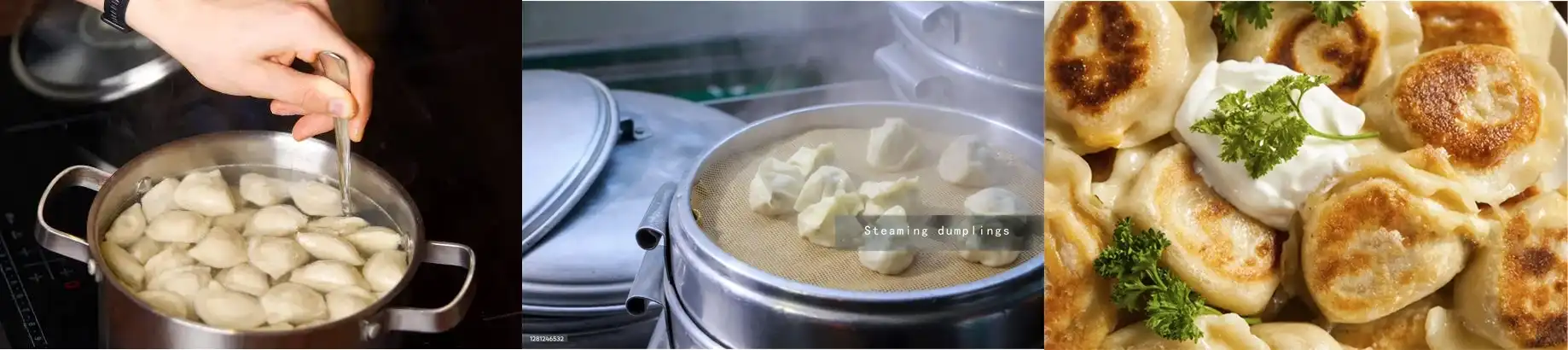
The safest method is cooking directly from frozen—no thawing required. Drop frozen dumplings into boiling water and cook for 6–8 minutes until they float. Refrigerator thawing overnight also works for pan-frying. Avoid thawing at room temperature, which allows surface condensation to soften the wrapper unevenly and creates conditions for bacterial growth.
Cooking After Freezing: Boiling vs. Pan-Frying
Boiling is the most forgiving method. Bring water to a full boil, add dumplings gently, and once the water returns to a boil, reduce heat and simmer 6–8 minutes. Pan-frying requires slightly thawed wrappers for even browning. Add a splash of water to the pan, cover, and steam-fry for 5–6 minutes. Both methods work well with Zhulaoda's wrappers, which are engineered to a controlled thickness for consistent cooking.
Market Insights: Procuring Frozen Eggs and Chives Dumplings for Business Needs
For import buyers and category managers, sourcing decisions extend well beyond shelf life numbers.
Certifications That Matter for U.S. and EU Import
The minimum HACCP, ISO 9001 and QS certifications are required for a certified provider. These are non-negotiables for regulated market entrance. Zhulaoda has all three and Food Production License SC11137139600148 . Allergen labeling—wheat, soybean, and egg—must show clearly on packaging under FDA and EU rules, avoiding expensive recall scenarios.
Packaging Flexibility and MOQ Considerations
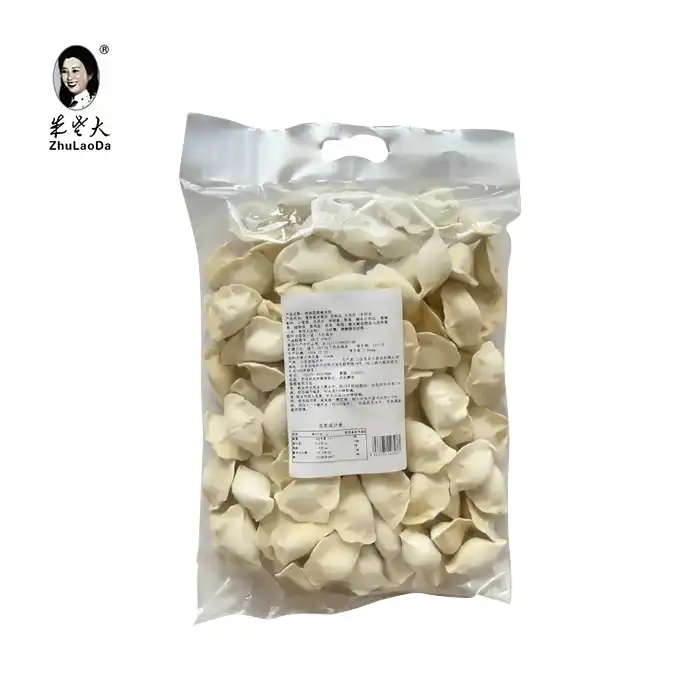
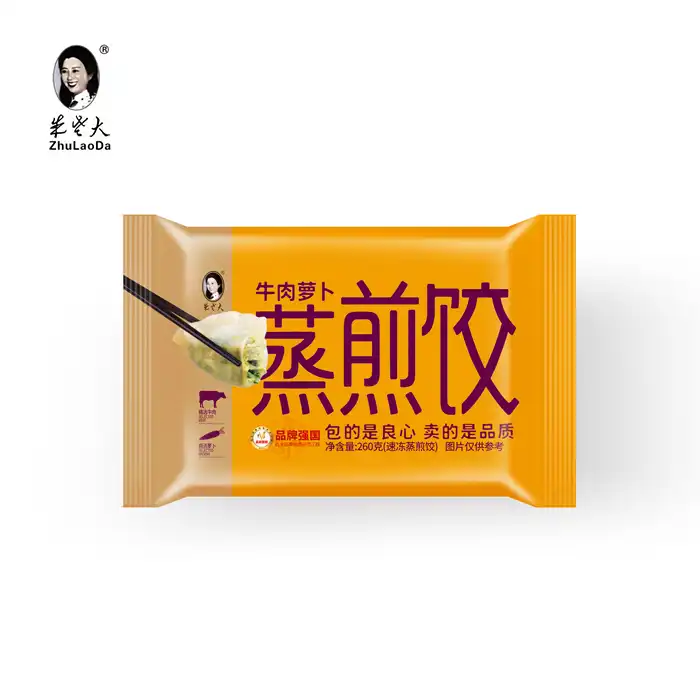
Zhulaoda provides packaging in 450g, 1kg, and 2.5kg forms, with OEM and ODM customisation available. This flexibility enables importers to customize packaging to their retail partners’ planogram needs. The minimum order is around 500kg, minimizing the danger of a first time trial purchase. The structure is designed for importers consolidating several SKUs into a single chilled container to spread out cold-chain expenses.
Cold Chain Reliability and Shelf Life After Transit
With a 12-month shelf life from production, importers have a realistic 8–9 months of retail shelf life remaining after a standard 2–3 month sea transit. Zhulaoda operates 8,000+ tons of cold storage with an intelligent shuttle rack system, supporting consistent temperature management from production through pre-shipment staging. Egg and chive filling are well supported by this cold chain.
Addressing Common Concerns and Challenges in Freezing Eggs and Chives Dumplings
Industry buyers frequently encounter specific technical and compliance concerns when sourcing this category.
The Vegan vs. Vegetarian Labeling Issue
Egg and chive dumplings are lacto-ovo vegetarian, not vegan. Consumers complain and regulators act when they are misclassified as “vegan”, in the U.S. and EU. Zhulaoda’s product clearly identifies egg content in both the ingredient list and the allergen declaration, helping importers avoid liability for downstream mislabeling.
Repeated Freezing and Quality Degradation
Refreezing thawed dumplings breaks down the structure of the filling and the wrapper. With each cycle , more of the proteins in the egg are denatured , releasing water , and making the texture worse . This risk is minimized by packaging in portion controlled units (450g/1kg) so that only a limited quantity is defrosted at any one time.
Managing Freezer Burn in Bulk Storage
In warehouses or commercial freezer settings, temperature swings and improper stacking will cause frost to accumulate on the exterior surfaces. Inner PE bags and vapor barrier packaging materials in the outer cartons reduce transfer of moisture considerably. Zhulaoda employs this multilayered packaging system for all of its export product lines.
Conclusion
Eggs and chives dumplings are best two to three months after being frozen at home. If they are frozen at -18°C, professionally made ones that are IQF-approved are best after twelve months. Make sure to properly pack food, keep the freezer at a steady temperature, and store food in portions that you can handle. These are the best ways to make sure quality is high at any size. It is because of these storage conditions that procurement experts can choose where to buy things, how to bring them in, and how long they will last on shop shelves. You can buy from someone who uses approved cold-chain methods and clear allergy signs without any risk.
FAQ
How long do homemade egg and chive dumplings last in the freezer?
Homemade versions last 2–3 months at best quality when stored in airtight bags at -18°C or below. After that, flavor and texture decline noticeably, though they remain safe if kept continuously frozen.
Are eggs and chives dumplings safe to freeze raw?
Yes. Freezing raw dumplings directly after wrapping preserves the best texture. Pre-freeze on a flat tray first to prevent sticking, then transfer to sealed storage bags.
What is the shelf life of commercially frozen chive dumplings?
Commercially produced dumplings using IQF technology, like those from Zhulaoda, carry a 12-month shelf life stored at -18°C or below under standard SB/T 10412.
Can I cook eggs and chive dumplings directly from frozen?
Yes. Drop them directly into boiling water and cook 6–8 minutes until they float. No thawing is needed.
Do egg and chive dumplings contain allergens?
Yes. They contain wheat, soybean, and egg components. Always check the allergen declaration on the product label before serving to guests with dietary restrictions.
Partner with Zhulaoda for Reliable Eggs and Chives Dumplings Supply
Since 2001, it has been making frozen dumplings. Every day, they can make 100 tons of them and freeze more than 8,000 tons of them. Our egg and chive vegetable dumplings are safe because we follow HACCP, ISO 9001, and QS rules. Also, the signs are clear, list toxins, and can be kept for a year, which is great for U.S. and EU import rules. You can choose from 450g to 2.5kg packages when you buy eggs and onions dumplings from our reliable company. You can also get a free 500kg sample. Email sdzldsp@163.com right now to get samples or bulk prices.
References
1. U.S. Food & Drug Administration. Food Code: Recommendations of the United States Public Health Service. FDA, 2022.
2. National Center for Home Food Preservation. Freezing Prepared Foods: Quality and Safety Guidelines. University of Georgia, 2021.
3. Fellows, P.J. Food Processing Technology: Principles and Practice. 4th ed. Woodhead Publishing, 2017.
4. Zhao, Y. (Ed.). Modified Atmosphere Packaging for Fresh-Cut Fruits and Vegetables. Wiley-Blackwell, 2012.
5. Food Safety and Inspection Service (FSIS). Freezing and Food Safety. U.S. Department of Agriculture, 2023.
6. Codex Alimentarius Commission. General Standard for the Labelling of Prepackaged Foods (CODEX STAN 1-1985, Revised 2018). FAO/WHO, 2018.

Learn about our latest products and discounts through SMS or email