- English
- French
- German
- Portuguese
- Spanish
- Russian
- Japanese
- Korean
- Arabic
- Greek
- German
- Turkish
- Italian
- Danish
- Romanian
- Indonesian
- Czech
- Afrikaans
- Swedish
- Polish
- Basque
- Catalan
- Esperanto
- Hindi
- Lao
- Albanian
- Amharic
- Armenian
- Azerbaijani
- Belarusian
- Bengali
- Bosnian
- Bulgarian
- Cebuano
- Chichewa
- Corsican
- Croatian
- Dutch
- Estonian
- Filipino
- Finnish
- Frisian
- Galician
- Georgian
- Gujarati
- Haitian
- Hausa
- Hawaiian
- Hebrew
- Hmong
- Hungarian
- Icelandic
- Igbo
- Javanese
- Kannada
- Kazakh
- Khmer
- Kurdish
- Kyrgyz
- Latin
- Latvian
- Lithuanian
- Luxembou..
- Macedonian
- Malagasy
- Malay
- Malayalam
- Maltese
- Maori
- Marathi
- Mongolian
- Burmese
- Nepali
- Norwegian
- Pashto
- Persian
- Punjabi
- Serbian
- Sesotho
- Sinhala
- Slovak
- Slovenian
- Somali
- Samoan
- Scots Gaelic
- Shona
- Sindhi
- Sundanese
- Swahili
- Tajik
- Tamil
- Telugu
- Thai
- Ukrainian
- Urdu
- Uzbek
- Vietnamese
- Welsh
- Xhosa
- Yiddish
- Yoruba
- Zulu
How to Import Pork and Celery Dumplings Safely and Efficiently
Before you try to bring pork and celery dumplings into the country, write a product brief. This will make it easy and safe for you to do. Once you're happy with the factory, let them make a sample that is the same as the real thing. Then, make sure the product is good enough for the market you want to sell it to. The last thing is that you need to be in charge of the frozen chain from loading to delivering. For people in the US who buy in stores or online, the order of these steps is important. Food safety rules, labeling laws, and temperature records can all stop a shipment that looks fine on paper. This guide will walk you through each step in easy-to-understand language. Having three automatic production lines and written specifications also shows that Shandong Zhu Laoda Food Co., Ltd. supports private-label programs.
Define Your Requirements and Screen Dumpling Manufacturers
Write a Product Brief Before You Request Quotes
With a clear brief, you can avoid weeks of back and forth. There are a lot of things to think about when making a food product: the net weight, the piece size, the wrapper thickness, the filling ratio, the cooking method, and the price you want it to sell for on the shelf. Pack sizes that we always use are 450 g, 1 kg, and 2.5 kg. Before you order, please let us know what barcodes, artwork, and cartons you need. We can change the sizes of the packs. Write down your target MOQ, your annual volume, and the Incoterms you'd like to use. People who buy things should also think about allergen, clean label, and store-specific rules when putting together a private label line. Because of this, the supplier can give a correct price quote, and the product won't need to be redesigned after samples are made.
Check Capacity, Certifications, and Traceability
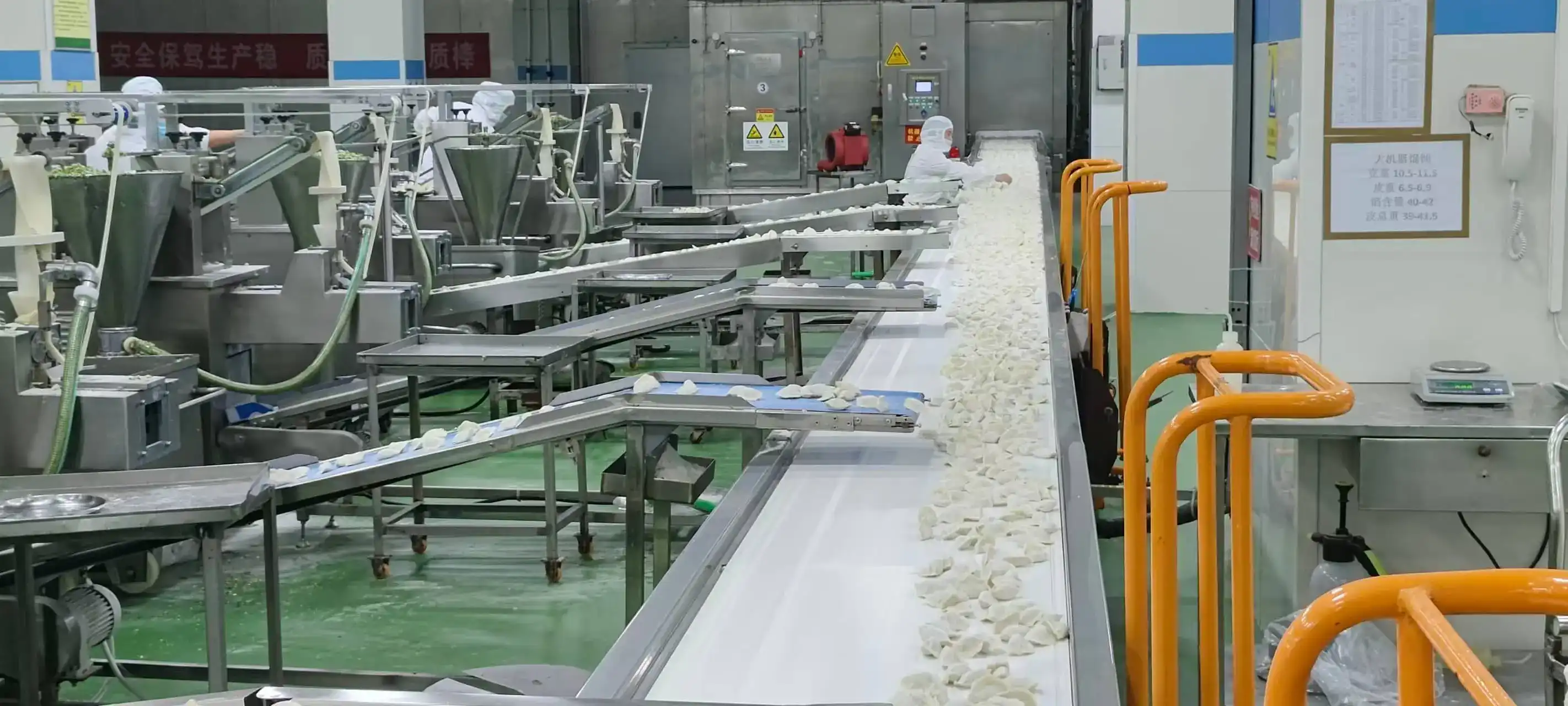
It doesn't matter how cheap a plant is if it can't feed you during peak season. You should ask about the number of lines, the daily output, the cold storage, and the source of the raw materials. There are three automatic lines at Zhulaoda that can make up to 100 tons of goods every day. Our smart shuttle-rack cold store holds more than 8,000 tons of frozen dumplings. We have ISO 9001, HACCP, and QS certifications, and our food license number is SC11137139600148. Ask each seller to show you certificates that are valid for their site and the goods they sell. Make sure there are written procedures for recalls and that you can keep track of materials from the lot they come in to the finished carton.
Protect Your Recipe and Brand Identity
People who buy under their own brands are often worried that a plant will make a similar product for a competitor, especially with pork and celery filling products. Talk about it before you send a recipe or art. Write down who owns your specifications and packaging files, have them sign a promise to keep them secret, and make it clear who can see them. Being steady is just as important. Ask for a fixed specification sheet, batch records, and samples that will be kept so that your team can compare lots over time. First, we're glad to be having these talks because a clear agreement keeps everyone safe and makes it easier to run a supply program that lasts for more than one year.
Verify Quality and Confirm US Import Compliance
Approve Samples That Match Production
Tests should only be signed off on if they were made on the same line and with the same recipe as your order. People who buy them boil, steam, and fry them in a pan. Rate how the onion and celery smell, how the spices are balanced, how strong the wrapper is, and how well the seal works on a single sheet that everyone can see. So, the groups in charge of purchasing, checking the quality, and cooking can all agree on one choice. Our pork and celery dumplings are made with wheat flour, celery, drinking water, ginger, scallions, vegetable oil, soy sauce, edible salt, monosodium glutamate, acid-hydrolyzed vegetable protein seasoning powder (water, edible soybean meal), and food additives (distarch phosphate, flavoring essence). Before you sign that list, make sure it matches the rules for your label.
Review Raw Material and Factory Controls
Find out how they check the things they use. Our fresh vegetables come straight from the farm, and the best chilled fresh meat comes from JINLUO. We also picked wheat flour from Canada and China's Hetao Plain. People check the look of the materials that come in, look for pesticide residue, test for microbes, and check for physical and chemical indicators. Vegetable cutters, dicers, choppers, meat slicers, and meat grinders are used to make the filling. There are systems in the workshop that clean the air and keep things germ-free, and the product meets SB/T 10412 requirements. Your QC team can see these controls during a factory audit, which can happen in person or via video.
Confirm Eligibility, Labels, and Allergens
Before you start making things, you should pay attention to US rules. The USDA FSIS usually keeps an eye on products that have more than 3% raw meat in them. Products made from meat can only come from certain places and companies. Before you place an order, look at the FSIS list of people who can buy from and talk to a licensed customs broker. Labels must also meet US standards for things like listing ingredients, net weight, country of origin, and how to handle the food. To many people in the US, wheat and soy are very bad for them, and both are in our dumplings. The only reason celery is on the list of ingredients is because it's not a major allergen in the US. We'll give the label information you need to your broker if you send it to us.
Control the Frozen Cold Chain and Shipping
Set Temperature Targets and Storage Rules
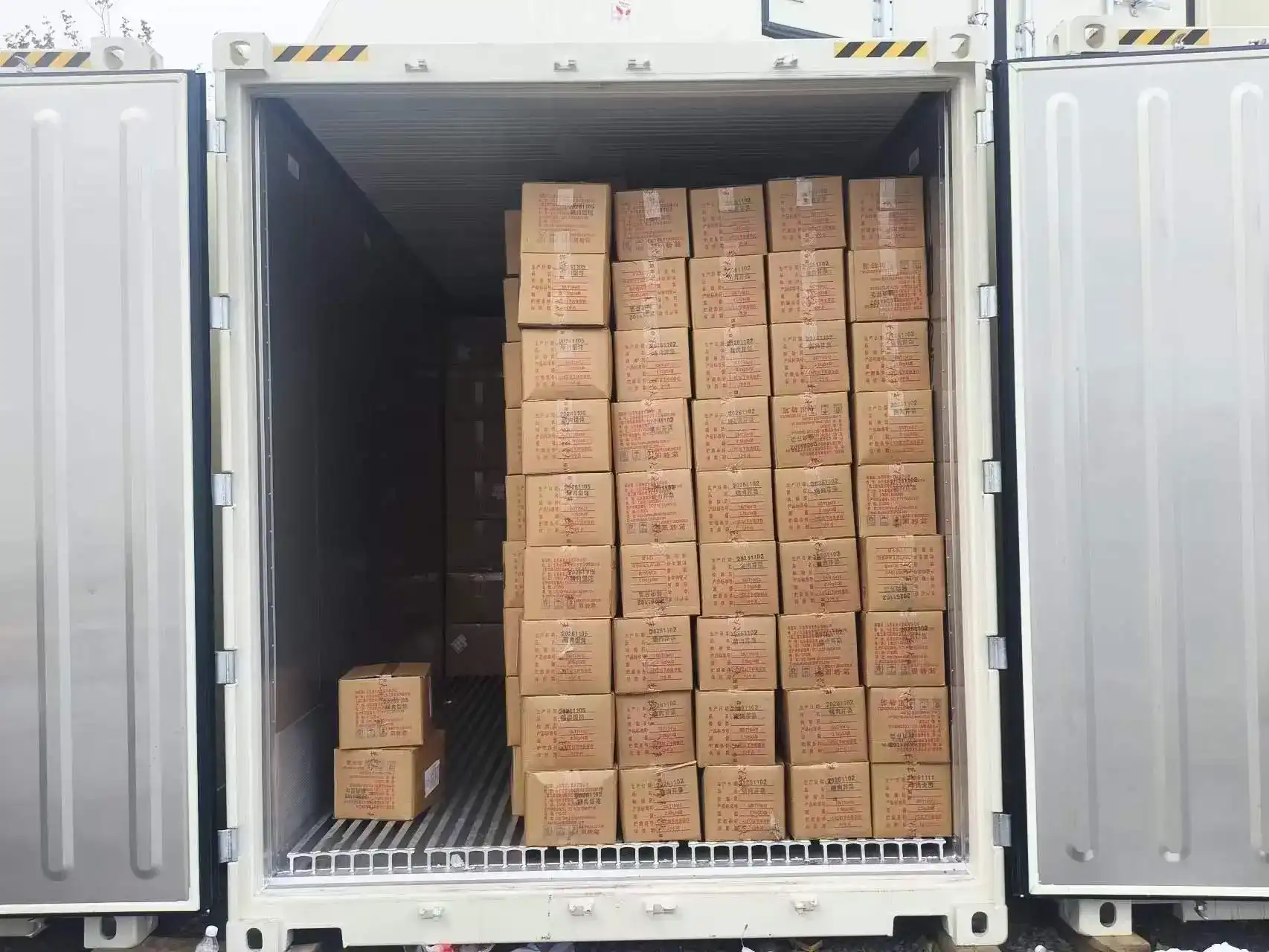
From the factory to the place where they are shipped, frozen dumplings need to stay at a steady temperature. It has to be at least -18°C where we store things, which is the same as the Codex standard for foods that need to be frozen quickly. On your purchase order, write down that number, along with the temperature at which the container is loaded, how cold it was before it was loaded, and a range that is acceptable. Ask that a data logger be put in each container, and then ask for the download when you get there. When the temperature changes, the ice may re-crystallize, which can make the filling wet after it has been cooked. Our goods can stay on the shelf for a year, so make plans for when to reorder them so you can keep selling them and meet your stock dates.
Choose Ocean Freight, Air Freight, and Documents
When you plan to buy a lot of things, refrigerated ocean containers are a good choice because they usually cost less per carton than air freight. Air freight can be used to send samples or a quick launch. No matter what you choose, make sure you get a loading record with the numbers and seals of the containers, the layout of the pallets, temperature readings, and pictures. Most of the time, people bring in the commercial invoice, packing list, bill of lading, certificate of origin, and any health or inspection certificates that the destination country needs. FSIS checks meat products that are brought in again at official import businesses, so make sure you know when the inspections will happen. We can give you shipment papers and keep you up to date. Your broker should go over each file before the ship leaves.
Assign Responsibility for Delays and Damage
Note down the risks. Customs holds, thawing, damaged cartons, or lots that are rejected should all be covered by your contract. It should also say who pays and how long you have to file a claim. Pick Incoterms that your team can understand. You pay for the freight when you buy something FOB. When you buy something with CIF or CFR, the seller sets up the main carriage. It should be separate from other costs in the budget to cover frozen cargo. Take pictures of the seals, write down the core temperature, and open a few boxes as soon as you get there. To settle claims more quickly and build trust between the buyer and the supplier, keep quick records.
Compare Costs, MOQ, and the Right Product Format
Calculate Total Landed Cost
Extras that cost a lot of money might be hidden by a low ex-factory quote. Include how much the item cost, how it was tested, how it was shipped (by land and sea), how much insurance it had, how much it cost to ship, how much it cost to store in cold storage, how much it cost to deliver locally, and how much money you think the item will lose. Divide the sum by the number of packs you can sell to get the real cost per pack. Compare that number to the price you want to set for the shelf and the profit you want to make. With a private label, you can make more money than with a national brand, but only if the landed cost stays low. You can look at each offer line by line if you ask each company to quote you in the same way.
Weigh MOQ Against Shelf Life and Demand
Your sales rate and MOQ should match up. Because it only lasts for a year, a big first order can leave you with old stock. You can look at MOQ in relation to how much the store sells each week, the number of SKUs, and how long it takes to reorder. Find out if different SKUs can share a container. This is how you can compare the tastes of different pork and celery dumplings. Also, please find out how many people can fit during busy times. Because we have three automatic lines, we can plan our work around what you tell us you need. We suggest you place a small pilot order before signing an annual contract. We can talk about a good MOQ if you let us know early on how much you plan to order.
Match the Format to Your Sales Channel
On store shelves, 450-gram bags with nutrition facts, barcodes, and clear cooking instructions do well, and they can support balanced nutrition labeling. Food service buyers like 2.5 kg cartons because each serving is the same size and costs less. For larger homes and online stores, 1 kg packs are better. For online shopping to work, the last mile of delivery needs to be frozen, and the boxes need to be insulated. Look at your price range to see where steamed pork dumplings, pork and cabbage, potstickers, and pork and celery dumplings don't fit. The celery adds a light crunch and a fresh smell to the pork. The dumplings can be boiled, steamed, or fried in a pan.
Build a Safe Process From Pilot Order to Regular Supply
Follow a Staged Order Path
At each stage of a staged path, the risk is lower. First, check to see if the supplier has the right credentials, such as export references, certificates, and specifications. After that, hand out the samples and write down the recipe, the amounts, and the way they were packaged. Then, audit or video review the factory and check things like how clean it is, how well it is tracked, and how well it keeps things cold. As part of a small test order, keep an eye on the temperature and check the cartons. You and your QC team should talk about the results and then sign the contract for another year. From the first contact to the bulk order, you should wait two to four months, so start a long time before your shelf-reset date.
Avoid the Most Common Import Mistakes
There are a lot of mistakes that people make the first time they import. Price is the only reason people buy something, they approve a sample that production can't match, they don't read temperature logs, they print allergen statements that aren't correct, or they buy more stock than stores can sell. There are simple ways to fix all of them: landed-cost math, written specifications, an early regulatory check, data loggers, label review, a pilot shipment, and staged replenishment. The contract for private label should have items about privacy, who owns the art, and the area. In the agreement, spell out the rights to inspect, how to file a claim, how to fix the problem, and the duty to recall. That way, everyone knows the rules before there is a problem.
See How Zhulaoda Supports B2B Buyers
Shandong Zhu Laoda Food Co., Ltd. has been in business since March 2001 and makes candy haws, noodles, frozen dumplings, and rice balls made of glutinous rice. Our base is one of the biggest places in southern Shandong and northern Jiangsu to process frozen food. Lots of places around the world get our goods. Our team can send you samples, make custom packaging in 450 g, 1 kg, and 2.5 kg sizes, and keep you up to date on when your pork and celery dumplings will arrive. Before you decide, give us a call and ask for our certificates, information about the products, lead times, and how to make a claim. Go to zhulaodadumpling.com to learn more about the product.
Conclusion
Lots of choices need to be made before pork and celery dumplings can be brought into the country safely. It is possible to get accurate quotes if you give a written brief. If a supplier can make the product again, factory checks on raw materials, capacity, certificates, and traceability will show. To avoid surprises, use samples that are the same as those used in production and read labels carefully. They should list allergens for wheat and soy. US buyers also need to make sure that the product and plant meet FSIS standards before they place an order. Clear contract terms, storage at or below -18°C, and keeping the quality high while it's being shipped are all things that help. The profit for each channel is based on the COA, the MOQ, the pack sizes, and the shelf life of one year. Lowering risk and making sure that each batch is consistent is what a pilot shipment and staged reorders do.
FAQ
What documents do I need to import frozen dumplings?
A common type of paper is the invoice, packing list, bill of lading, certificate of origin, and any health or inspection certificates that your destination needs. When meat products come into the US, they also need paperwork from the FSIS. Get a full list from your broker.
How should I store pork and celery dumplings?
Keep them frozen at -18°C or lower. It can be kept for a year, and you shouldn't thaw and freeze it more than once.
Do you offer custom packaging?
Yes. You can choose from packs of 450 g, 1 kg, or 2.5 kg, depending on what you need. Tell us what you want and how many cartons you need. Then we'll let you know what we can do.
Do the dumplings contain allergens?
Yes. Some of the ingredients are made from wheat and soy.
Can I request samples before ordering?
Yes. We'll set up samples after you email us with information about your target market and the number of items you expect to buy.
Request Pork and Celery Dumplings Samples and Quotes from Zhulaoda
There are pork and celery dumplings at Zhulaoda. It is approved by HACCP, ISO 9001, and QS, and its goods are sent to more than 30 countries. It has three automatic production lines. Email sdzldsp@163.com with your packaging needs, the size of the packs you need, and the amount of products you buy every year. We will let you know more about what to do next.
References
1. Code of Federal Regulations, Title 9, Part 327: Imported Products, 2023.
2. Food Allergen Labeling and Consumer Protection Act of 2004, U.S. Food and Drug Administration, 2004.
3. Food Standards and Labeling Policy Book, USDA Food Safety and Inspection Service, 2005.
4. General Principles of Food Hygiene (CXC 1-1969), Codex Alimentarius Commission, 2020.
5. Code of Practice for the Processing and Handling of Quick Frozen Foods, Codex Alimentarius Commission, 1976.
6. SB/T 10412, Quick-Frozen Wheat Flour and Rice Products, Ministry of Commerce of the People's Republic of China, 2007.

Learn about our latest products and discounts through SMS or email