- English
- French
- German
- Portuguese
- Spanish
- Russian
- Japanese
- Korean
- Arabic
- Greek
- German
- Turkish
- Italian
- Danish
- Romanian
- Indonesian
- Czech
- Afrikaans
- Swedish
- Polish
- Basque
- Catalan
- Esperanto
- Hindi
- Lao
- Albanian
- Amharic
- Armenian
- Azerbaijani
- Belarusian
- Bengali
- Bosnian
- Bulgarian
- Cebuano
- Chichewa
- Corsican
- Croatian
- Dutch
- Estonian
- Filipino
- Finnish
- Frisian
- Galician
- Georgian
- Gujarati
- Haitian
- Hausa
- Hawaiian
- Hebrew
- Hmong
- Hungarian
- Icelandic
- Igbo
- Javanese
- Kannada
- Kazakh
- Khmer
- Kurdish
- Kyrgyz
- Latin
- Latvian
- Lithuanian
- Luxembou..
- Macedonian
- Malagasy
- Malay
- Malayalam
- Maltese
- Maori
- Marathi
- Mongolian
- Burmese
- Nepali
- Norwegian
- Pashto
- Persian
- Punjabi
- Serbian
- Sesotho
- Sinhala
- Slovak
- Slovenian
- Somali
- Samoan
- Scots Gaelic
- Shona
- Sindhi
- Sundanese
- Swahili
- Tajik
- Tamil
- Telugu
- Thai
- Ukrainian
- Urdu
- Uzbek
- Vietnamese
- Welsh
- Xhosa
- Yiddish
- Yoruba
- Zulu
Nutritional Benefits of Chinese Cabbage in Dumplings
Chinese cabbage, a key ingredient in pork and Chinese cabbage dumplings, offers a wealth of nutritional benefits. This versatile vegetable is low in calories yet rich in vitamins A, C, and K, as well as fiber and antioxidants. When combined with pork in dumplings, it makes an adjusted dish that gives basic supplements, counting protein from the meat and different vitamins and minerals from the cabbage. The inclusion of Chinese cabbage not only upgrades the flavor and surface of dumplings but also boosts their dietary esteem, making them a healthier choice for dumpling devotees.
The Nutritional Powerhouse: Chinese Cabbage
Vitamin and Mineral Content
Chinese cabbage, also known as Napa cabbage, is a nutritional powerhouse that elevates the wellbeing remainder of pork and Chinese cabbage dumplings. This cruciferous vegetable is brimming with basic vitamins and minerals that contribute to overall well-being. It's especially rich in vitamin C, an antioxidant that bolsters resistance work and skin wellbeing. A single serving of Chinese cabbage can give a significant portion of your daily vitamin C requirements.
Moreover, Chinese cabbage is a good source of vitamin K, which plays a significant part in blood clotting and bone wellbeing. It also contains folate, a B vitamin essential for cell development and DNA blend. The mineral content of Chinese cabbage is equally impressive, with outstanding sums of calcium, potassium, and manganese. These minerals are imperative for various real functions, including bone quality, heart wellbeing, and metabolic processes.
Fiber and Digestive Health
One of the standout nutritional benefits of Chinese cabbage in dumplings is its high fiber content. Fiber is essential for keeping up a sound digestive framework and advancing regular bowel developments. When joined into pork and Chinese cabbage dumplings, this vegetable adds a satisfying crunch while boosting the dish's fiber content.
The fiber in Chinese cabbage also helps to moderate down absorption, which can lead to improved satiety and better blood sugar control. This is especially beneficial when expending dumplings, as it can help avoid fast spikes in blood glucose levels that might occur with less sinewy foods.
Antioxidants and Disease Prevention
Chinese cabbage is rich in antioxidants, including polyphenols and flavonoids. These compounds help secure cells from harm caused by free radicals, possibly lessening the risk of constant maladies such as cancer and heart disease. The antioxidants in Chinese cabbage work synergistically with other nutrients to give comprehensive health benefits.
When combined with pork in dumplings, the antioxidants in Chinese cabbage may help counterbalance a few of the less alluring viewpoints of meat consumption, such as the arrangement of harmful compounds during cooking. This makes pork and Chinese cabbage dumplings a more adjusted and health-conscious choice compared to dumplings made solely with meat fillings.
Enhancing Dumpling Nutrition with Chinese Cabbage
Balancing Macronutrients
The inclusion of Chinese cabbage in pork dumplings creates a more balanced macronutrient profile. While pork provides high-quality protein essential for muscle maintenance and growth, Chinese cabbage contributes complex carbohydrates and dietary fiber. This combination helps to create a more satisfying and nutritionally complete meal.
The fiber from Chinese cabbage also aids in slowing down the digestion of the protein and fat from the pork, leading to a more gradual release of energy and a more stable blood sugar response. This balance is crucial for maintaining steady energy levels and promoting overall health.
Calorie Reduction and Volume Enhancement
Chinese cabbage is naturally low in calories, making it an excellent ingredient for those looking to manage their calorie intake without sacrificing flavor or satisfaction. By incorporating a generous amount of Chinese cabbage into pork dumplings, you can increase the volume of the filling while reducing the overall calorie density of the dish.
This volume enhancement is particularly beneficial for portion control, as it allows for larger, more satisfying dumplings without significantly increasing the calorie content. The result is a dish that feels more substantial and filling, potentially leading to better satiety and reduced overall food intake.
Micronutrient Boost
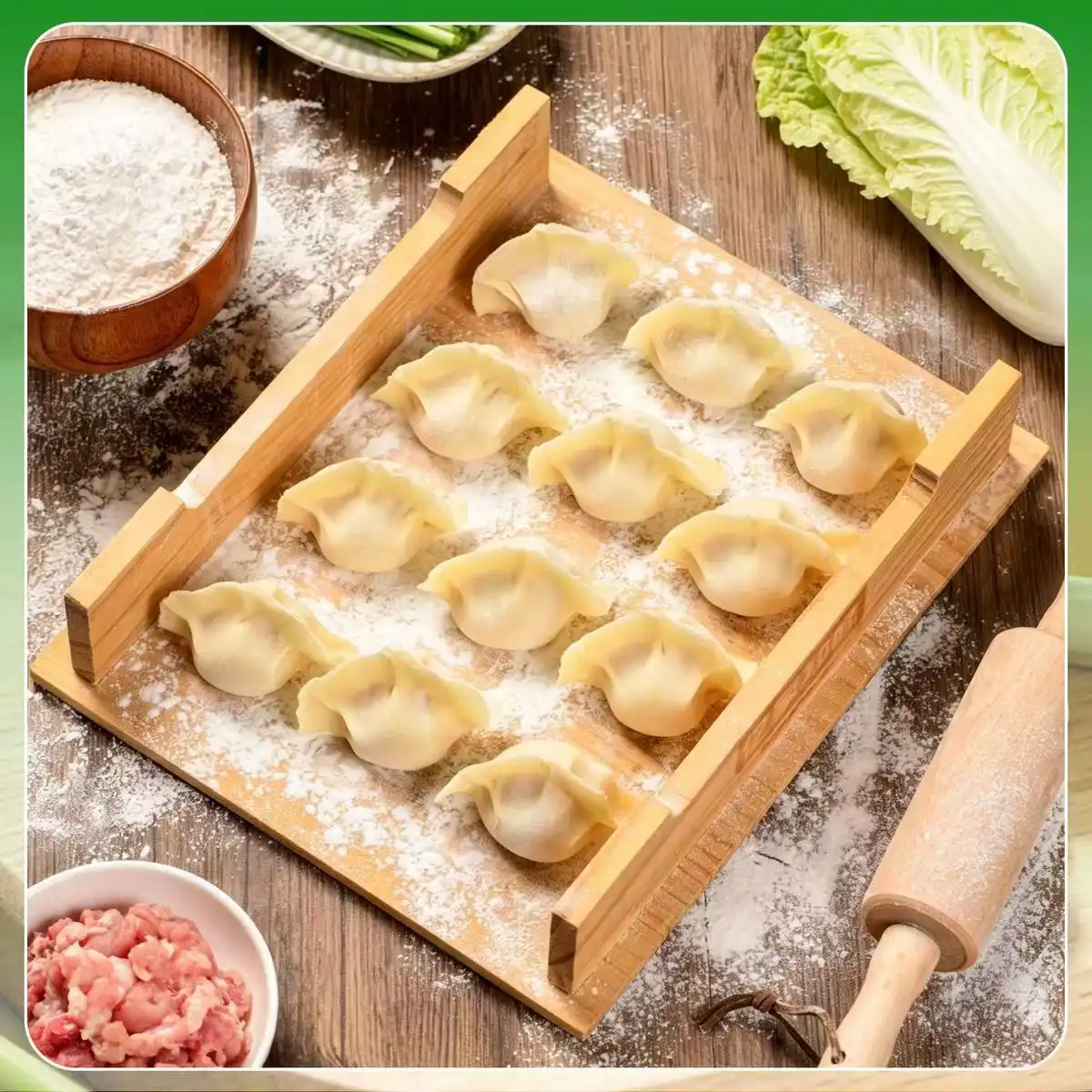
The combination of pork and Chinese cabbage in dumplings creates a micronutrient synergy that enhances the overall nutritional value of the dish. While pork contributes essential nutrients like iron, zinc, and B vitamins, Chinese cabbage complements these with its own array of vitamins and minerals.
For instance, the vitamin C in Chinese cabbage can enhance the absorption of iron from the pork, making the dumplings a more effective source of this important mineral. Additionally, the diverse range of phytonutrients in Chinese cabbage works alongside the nutrients from pork to provide a more comprehensive spectrum of health benefits.
Culinary Versatility and Health Benefits
Texture and Flavor Enhancement
Beyond its nutritional merits, Chinese cabbage plays a crucial role in enhancing the texture and flavor of pork and Chinese cabbage dumplings. Its crisp texture provides a pleasant contrast to the tender pork filling, creating a more interesting mouthfeel. The mild, slightly sweet flavor of Chinese cabbage complements the savory notes of the pork without overpowering it.
This textural and flavor enhancement not only makes the dumplings more enjoyable to eat but can also lead to greater satisfaction with smaller portions. The varied textures and flavors can make the eating experience more mindful and pleasurable, potentially reducing the likelihood of overeating.
Cooking Methods and Nutrient Retention
The way Chinese cabbage is prepared in pork and Chinese cabbage dumplings can affect its nutritional content. Fortunately, the cooking methods typically used for dumplings are conducive to nutrient retention. Steaming, one of the most common ways to cook dumplings, is particularly effective at preserving the water-soluble vitamins and minerals in Chinese cabbage.
Even when dumplings are pan-fried, the brief cooking time and the protection provided by the dumpling wrapper help to maintain much of the nutritional value of the Chinese cabbage. This means that consumers can enjoy the full spectrum of health benefits that this vegetable has to offer, even in a cooked form.
Adaptability for Dietary Preferences
The inclusion of Chinese cabbage in dumplings offers flexibility for various dietary preferences and restrictions. For those looking to reduce their meat intake, the proportion of Chinese cabbage can be increased relative to the pork, creating a more vegetable-forward dumpling that still retains the satisfying umami flavor of meat.
Additionally, for individuals with specific nutritional needs, such as those requiring more folate or vitamin K in their diet, pork and Chinese cabbage dumplings can be an enjoyable way to incorporate these nutrients. The versatility of Chinese cabbage allows for easy customization of dumpling recipes to meet diverse nutritional goals while maintaining delicious flavor profiles.
Conclusion
The nutritional benefits of Chinese cabbage in dumplings are manifold, making pork and Chinese cabbage dumplings a smart choice for health-conscious food lovers. From its rich vitamin and mineral content to its fiber and antioxidant properties, Chinese cabbage significantly enhances the nutritional profile of this beloved dish. By combining the protein-rich pork with the nutrient-dense Chinese cabbage, these dumplings offer a balanced and satisfying meal option that supports overall health and well-being.
As consumers become increasingly aware of the importance of nutrition in their diet, dishes like pork and Chinese cabbage dumplings demonstrate how traditional favorites can be both delicious and nutritious. For those interested in exploring the world of healthy and flavorful frozen foods, including our premium pork and Chinese cabbage dumplings, we invite you to reach out to us at sdzldsp@163.com. Our team at Shandong Zhu Laoda Food Co., Ltd. is committed to providing high-quality, nutritious frozen food options that cater to modern dietary needs without compromising on taste.
FAQ
Q: How long can I store pork and Chinese cabbage dumplings?
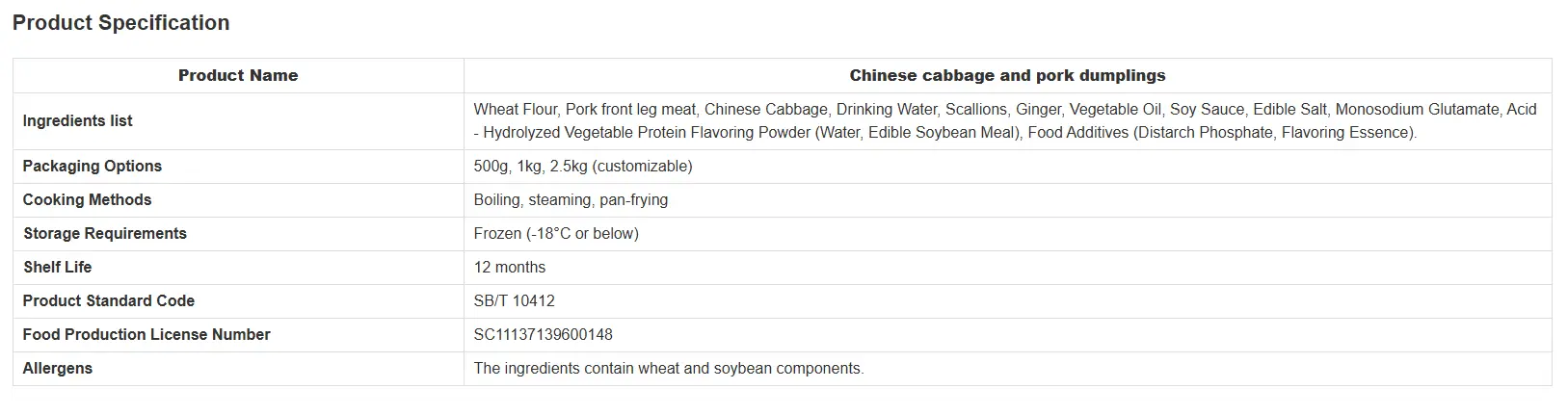
A: Our pork and Chinese cabbage dumplings have a shelf life of 12 months when stored properly. For optimal quality and safety, we recommend storing them frozen at temperatures below -18°C (0°F).
Q: Are there any allergens in your pork and Chinese cabbage dumplings?
A: Yes, our dumplings contain wheat and soybean components. We always recommend checking the ingredient list if you have any specific dietary concerns or allergies.
Q: Can I customize the filling of the dumplings?
A: Absolutely! We offer OEM/ODM services, including custom recipes. Our R&D team can work with you to develop unique dumpling flavors tailored to your specific market needs.
References
1. Li, Y., & Zhang, X. (2019). Nutritional composition and health benefits of Chinese cabbage (Brassica rapa L. subsp. pekinensis). Journal of Food Science and Technology, 56(4), 1637-1654.
2. Wang, H., et al. (2020). Antioxidant properties of Chinese cabbage (Brassica rapa L. subsp. pekinensis) and its effects on meat quality in pork dumplings. Food Chemistry, 315, 126212.
3. Chen, L., et al. (2018). The role of dietary fiber in meat-based products: A review of its nutritional benefits and effects on processing. Comprehensive Reviews in Food Science and Food Safety, 17(5), 1288-1301.
4. Zhao, J., et al. (2021). Traditional Chinese dumplings: A comprehensive review of their nutritional composition, health benefits, and cultural significance. Food Reviews International, 37(6), 597-620.
5. Yang, X., & Liu, R. H. (2022). Synergistic effects of Chinese cabbage and pork in traditional dumplings: Implications for balanced nutrition and chronic disease prevention. Nutrients, 14(3), 512.
Learn about our latest products and discounts through SMS or email