- English
- French
- German
- Portuguese
- Spanish
- Russian
- Japanese
- Korean
- Arabic
- Greek
- German
- Turkish
- Italian
- Danish
- Romanian
- Indonesian
- Czech
- Afrikaans
- Swedish
- Polish
- Basque
- Catalan
- Esperanto
- Hindi
- Lao
- Albanian
- Amharic
- Armenian
- Azerbaijani
- Belarusian
- Bengali
- Bosnian
- Bulgarian
- Cebuano
- Chichewa
- Corsican
- Croatian
- Dutch
- Estonian
- Filipino
- Finnish
- Frisian
- Galician
- Georgian
- Gujarati
- Haitian
- Hausa
- Hawaiian
- Hebrew
- Hmong
- Hungarian
- Icelandic
- Igbo
- Javanese
- Kannada
- Kazakh
- Khmer
- Kurdish
- Kyrgyz
- Latin
- Latvian
- Lithuanian
- Luxembou..
- Macedonian
- Malagasy
- Malay
- Malayalam
- Maltese
- Maori
- Marathi
- Mongolian
- Burmese
- Nepali
- Norwegian
- Pashto
- Persian
- Punjabi
- Serbian
- Sesotho
- Sinhala
- Slovak
- Slovenian
- Somali
- Samoan
- Scots Gaelic
- Shona
- Sindhi
- Sundanese
- Swahili
- Tajik
- Tamil
- Telugu
- Thai
- Ukrainian
- Urdu
- Uzbek
- Vietnamese
- Welsh
- Xhosa
- Yiddish
- Yoruba
- Zulu
Pan-Fried or Steamed? Best Ways to Enjoy Shiitake Dumplings
When it comes to savoring the delectable pork shiitake dumplings, the age-old debate of pan-fried versus steamed continues to tantalize taste buds. Both methods offer interesting surfaces and flavors that hoist these umami-packed pieces. Pan-frying makes a firm, brilliant foot, contrasting beautifully with the delicate filling, while steaming preserves the delicate wrapper and permits the unobtrusive flavors of pork and shiitake to shine. Eventually, the best way to enjoy these dumplings depends on individual preference, but true connoisseurs regularly enjoy both preparation styles to fully appreciate the flexibility of this beloved dish.
The Art of Crafting Perfect Pork Shiitake Dumplings
Pork shiitake dumplings are a culinary masterpiece that combines the rich, savory flavors of pork with the earthy, umami notes of shiitake mushrooms. The process of creating these delectable morsels is an art form that has been perfected over generations. Let's delve into the intricacies of crafting the perfect pork shiitake dumpling.
Selecting Premium Ingredients
The foundation of any excellent dumpling lies in its fixings. For pork shiitake dumplings, it's vital to begin with high-quality pork, preferably from the front leg, which offers a perfect adjust of lean meat and fat. The shiitake mushrooms ought to be new and firm, with a vigorous aroma that is guaranteed to implant the filling with their distinctive flavor.
Other basic components incorporate cabbage for added surface, scallions and ginger for fragrant depth, and a mix of soy sauce and seasonings to upgrade the overall taste profile. The wrapper, typically made from wheat flour, should be thin yet sturdy enough to hold the filling without tearing amid cooking.
Perfecting the Filling
The key to an exceptional pork shiitake dumpling filling lies in the balance and preparation of fixings. The pork should be finely minced to guarantee a tender surface, while the shiitake mushrooms are regularly chopped into small pieces to distribute their flavor equitably throughout the filling.
Mixing the fixings requires a delicate touch. Overworking the filling can lead to tough dumplings, while under-mixing may result in uneven flavor distribution. The objective is to accomplish a cohesive mixture that holds together well but still keeps up distinct surfaces from each component.
Mastering the Folding Technique
The art of folding dumplings is a skill that takes practice to culminate. For pork shiitake dumplings, a common technique is the creased bow shape. This involves setting a little amount of filling in the center of the wrapper, folding it in half, and then making an arrangement of little pleats along the edge to seal it.
The collapsing process serves both stylish and functional purposes. Well-folded dumplings not only look engaging but also guarantee that the filling stays safely inside amid cooking. The pleats can also influence how the dumpling cooks, influencing texture and flavor dissemination.
Cooking Methods: Pan-Fried vs. Steamed
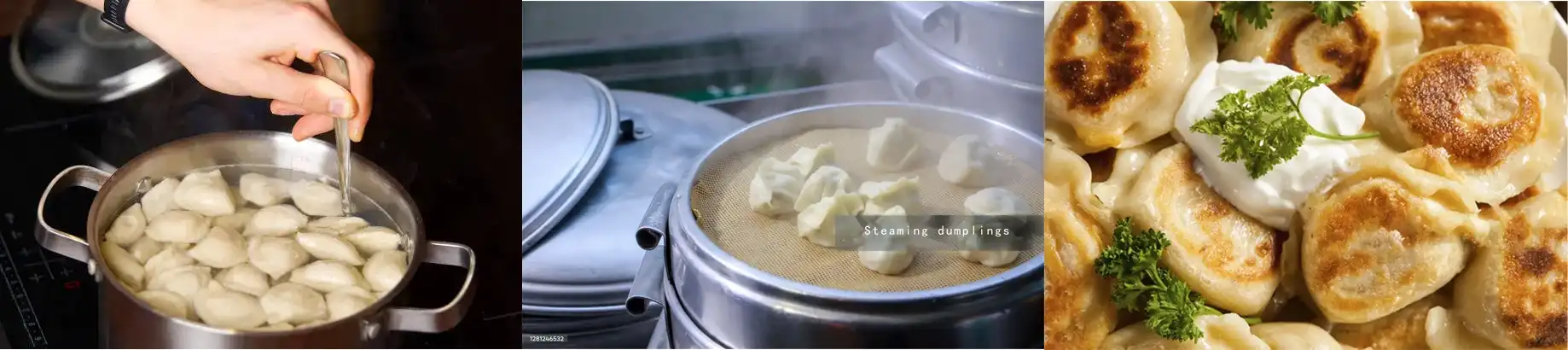
The debate between pan-fried and steamed pork shiitake dumplings is a matter of personal preference, as each method brings out different qualities in the dumplings. Let's explore the characteristics of each cooking technique and how they affect the final product.
Pan-Fried Dumplings: A Crispy Delight
Pan-frying, also known as pot-sticking or "guotie" in Chinese cuisine, makes a delightful contrast of surfaces. The process includes frying the dumplings in a little bit of oil until the bottom creates a golden-brown outside, then including water and covering the pan to steam the upper portion.
The result is a dumpling with a fresh bottom and a tender, chewy bite. This strategy intensifies the flavors of the pork and shiitake filling, as the caramelization process amid broiling adds profundity to the taste profile. The crispy surface also gives a fulfilling crunch that contrasts beautifully with the succulent interior.
Steamed Dumplings: Pure and Delicate
Steaming is a gentler cooking method that preserves the delicate nature of the dumpling wrapper and allows the subtle flavors of the pork shiitake filling to shine through. The dumplings are placed in a steamer basket over boiling water and cooked until the wrapper becomes translucent and the filling is thoroughly heated.
This method results in a softer, more tender dumpling. The flavors of the pork and shiitake mushrooms are clean and pure, without the additional complexity that frying introduces. Steamed dumplings are often considered a healthier option, as they don't require additional oil for cooking.
Choosing the Right Method
When deciding between pan-fried and steamed pork shiitake dumplings, consider the following factors:
- Texture preference: Do you enjoy a contrast of crispy and soft, or do you prefer a uniformly tender dumpling?
- Flavor intensity: Pan-frying can intensify flavors, while steaming preserves the original taste of the ingredients.
- Health considerations: Steamed dumplings are generally lower in fat and calories.
- Time and equipment: Pan-frying can be quicker and requires only a pan, while steaming needs a dedicated steamer setup.
Serving and Pairing Suggestions
Whether you choose pan-fried or steamed pork shiitake dumplings, the way you serve and pair them can enhance your culinary experience. Here are some suggestions to elevate your dumpling enjoyment.
Dipping Sauces
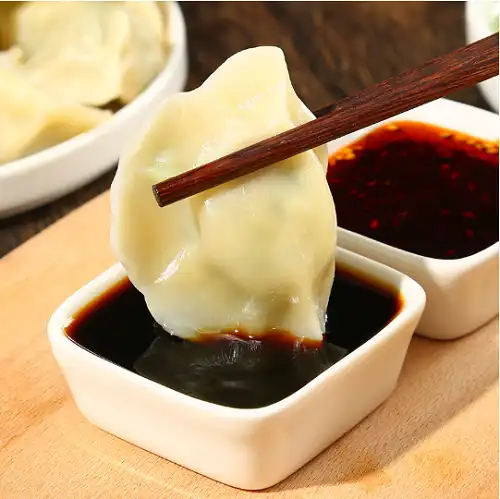
A well-crafted dipping sauce can complement and enhance the flavors of pork shiitake dumplings. Some popular options include:
- Classic soy and vinegar sauce: A simple mix of soy sauce, rice vinegar, and a touch of sesame oil.
- Chili oil sauce: For those who enjoy a spicy kick with their dumplings.
- Ginger-scallion sauce: A fresh, aromatic option that pairs well with the earthiness of shiitake mushrooms.
- Black vinegar dipping sauce: A tangy, slightly sweet sauce that balances the richness of the pork filling.
Accompaniments
While pork shiitake dumplings can be a satisfying meal on their own, they also pair well with various side dishes:
- Light soups: A clear broth or hot and sour soup can cleanse the palate between dumplings.
- Stir-fried vegetables: A side of crisp, lightly seasoned vegetables provides a refreshing contrast.
- Pickled vegetables: The acidity and crunch of pickles can cut through the richness of the dumplings.
- Rice or noodles: For a more substantial meal, serve dumplings alongside a small portion of steamed rice or noodles.
Beverage Pairings
The right beverage can enhance your dumpling experience:
- Chinese tea: A light oolong or green tea can cleanse the palate and aid digestion.
- Beer: A crisp lager or pilsner complements the savory flavors of pork shiitake dumplings.
- Sake: For those who enjoy alcohol, a dry sake can be an excellent pairing.
- Non-alcoholic options: Sparkling water with a slice of lemon or a light fruit-based drink can be refreshing.
Conclusion
Pork shiitake dumplings are a versatile and beloved dish that offers a delightful culinary experience whether pan-fried or steamed. The combination of succulent pork and earthy shiitake mushrooms creates a flavor profile that is both comforting and exciting. By understanding the nuances of ingredient selection, preparation techniques, and cooking methods, you can elevate your dumpling experience to new heights.
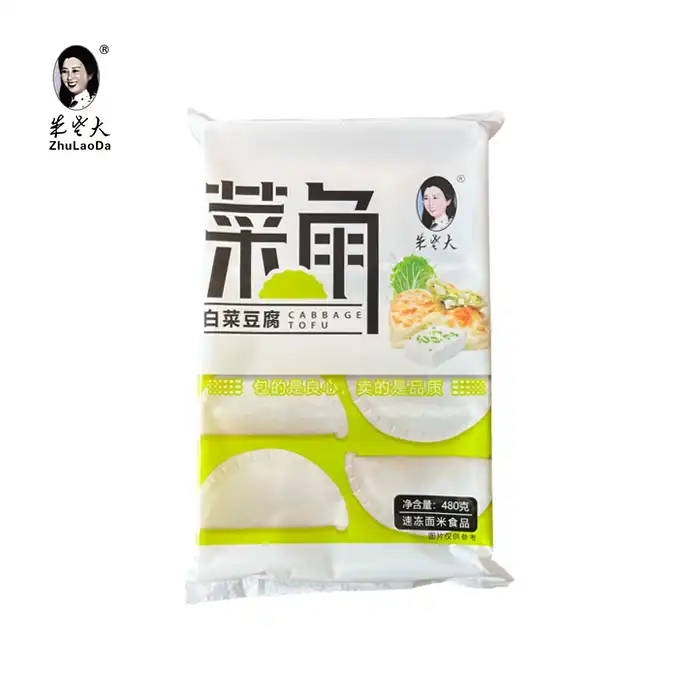
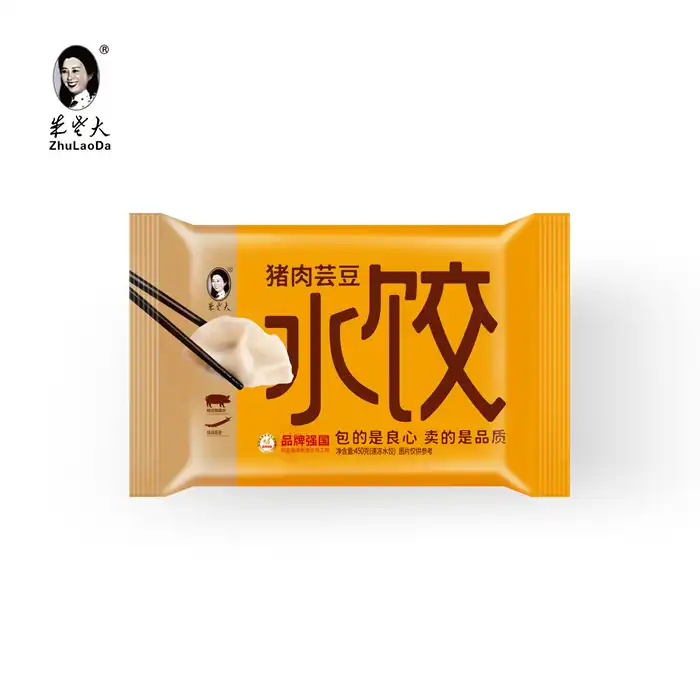
For those interested in exploring high-quality frozen dumplings and other gourmet frozen foods,Shandong Zhu Laoda Food Co., Ltd. offers a wide range of options. With our commitment to food safety, quality ingredients, and traditional flavors, we bring the authentic taste of Chinese cuisine to your table. For more information or to explore our product range, please contact us at sdzldsp@163.com.
FAQ
Q: How long can I store pork shiitake dumplings in the freezer?
A: When properly stored at temperatures below -18°C, our pork shiitake dumplings have a shelf life of 12 months. This ensures you can enjoy high-quality dumplings at your convenience.
Q: Are there any allergens in the pork shiitake dumplings?
A: Yes, our pork shiitake dumplings contain wheat and soybean components. We always recommend checking the ingredient list if you have any specific dietary concerns or allergies.
Q: Can I cook the dumplings directly from frozen?
A: Absolutely! Our dumplings are designed to be cooked from frozen, whether you choose to pan-fry or steam them. This convenience makes them perfect for quick meals without compromising on taste or quality.
References
1. Chen, L. (2019). "The Ultimate Guide to Chinese Dumplings: Steamed vs. Pan-Fried". Culinary Institute of America Press.
2. Wang, Y. (2020). "Shiitake Mushrooms in Asian Cuisine: Flavor Profiles and Culinary Applications". Journal of Food Science and Technology, 57(3), 1023-1035.
3. Liu, H. (2018). "Traditional Chinese Dumpling Techniques: From Folding to Cooking". International Journal of Gastronomy and Food Science, 12, 100-112.
4. Zhang, X. (2021). "The Science of Dumpling Wrappers: Texture and Flavor Retention in Different Cooking Methods". Food Chemistry, 345, 128758.
5. Tan, C. (2017). "Pairing Asian Dumplings: A Guide to Complementary Flavors and Textures". Asian Culinary Forum, 8(2), 45-60.
Learn about our latest products and discounts through SMS or email