- English
- French
- German
- Portuguese
- Spanish
- Russian
- Japanese
- Korean
- Arabic
- Greek
- German
- Turkish
- Italian
- Danish
- Romanian
- Indonesian
- Czech
- Afrikaans
- Swedish
- Polish
- Basque
- Catalan
- Esperanto
- Hindi
- Lao
- Albanian
- Amharic
- Armenian
- Azerbaijani
- Belarusian
- Bengali
- Bosnian
- Bulgarian
- Cebuano
- Chichewa
- Corsican
- Croatian
- Dutch
- Estonian
- Filipino
- Finnish
- Frisian
- Galician
- Georgian
- Gujarati
- Haitian
- Hausa
- Hawaiian
- Hebrew
- Hmong
- Hungarian
- Icelandic
- Igbo
- Javanese
- Kannada
- Kazakh
- Khmer
- Kurdish
- Kyrgyz
- Latin
- Latvian
- Lithuanian
- Luxembou..
- Macedonian
- Malagasy
- Malay
- Malayalam
- Maltese
- Maori
- Marathi
- Mongolian
- Burmese
- Nepali
- Norwegian
- Pashto
- Persian
- Punjabi
- Serbian
- Sesotho
- Sinhala
- Slovak
- Slovenian
- Somali
- Samoan
- Scots Gaelic
- Shona
- Sindhi
- Sundanese
- Swahili
- Tajik
- Tamil
- Telugu
- Thai
- Ukrainian
- Urdu
- Uzbek
- Vietnamese
- Welsh
- Xhosa
- Yiddish
- Yoruba
- Zulu
Pickled Chinese Cabbage and Pork Dumplings: A Northern Chinese Classic
If you work in frozen food distribution or import sourcing, you already know that authenticity sells. Pickled Chinese cabbage and pork dumplings — known in Mandarin as suancai zhurou jiaozi — represent one of the most recognizable and emotionally resonant comfort foods across the Northeast Chinese diaspora. This guide covers everything from cultural heritage and production science to procurement strategy and supplier selection, helping B2B buyers make confident, informed decisions.
The Rich Tradition Behind This Iconic Dumpling
Fermentation as Cultural Identity
In northeastern China (Dongbei), Napa cabbage was traditionally fermented over the winter to make suancai, a sour, lactic acid-fermented vegetable that was made before modern refrigerators. When mixed with ground pork and wrapped in hand-crimped wheat, the dumpling has a deep umami flavor, a clean sour note, and a satisfying bite. This isn't just a seasonal thing; it's a basic necessity. For the Chinese people who live outside of Dongbei, this taste brings back memories that make them buy it again and again, both in stores and restaurants.
Why Fermentation Matters for B2B Buyers
Fermentation does more than just make food taste better. Lactic acid bacteria that are made during natural pickling make probiotics and B vitamins, which are in line with the health-conscious messages that are popular in North American stores. Cabbage is slightly acidic, which helps keep the filling from becoming too wet. This lowers the risk of the wrapping becoming too saturated, which is a known quality problem with mass-produced frozen dumplings. This technical advantage is something that buyers who care about how the product looks on the shelf and how consistent it is at scale should know about.
Mastering Preparation: Filling Integrity at Scale
Controlling Moisture — The Core Manufacturing Challenge
More than 90% of the weight of raw Napa cabbage is water. Without the right pre-treatment, the osmotic release caused by the salt fills the pork filling and makes the wrapping weaker when it freezes. In industrial-grade production, this is fixed by controlling the salting process, which is then followed by centrifuge drying and an oil-coating step that makes a barrier against water before the cabbage is mixed with the pork matrix.
Pickled Chinese cabbage and pork dumplings present an additional challenge, because the pickled variety already contains extra moisture and salt; however, during the Individual Quick Freezing (IQF) process, this order keeps the cabbage's crisp structure and keeps the juices inside the dumpling.
Pork Selection and Seasoning Balance
The only place Zhulaoda gets pork front leg meat from is JINLUO, a licensed processor with full paperwork for tracking. The best lean-to-fat ratio for front leg meat is about 7:3. This makes it juicy without getting greasy after boiling or pan-frying. The seasoning mix of scallions, ginger, soy sauce, and edible salt is kept simple on purpose so that the fermented cabbage can carry the flavor. This restraint is on purpose; it keeps the real Dongbei character that Chinese people living outside of China know and want.
The full ingredient list is: Wheat Flour, Pork Front Leg Meat, Pickled Chinese Cabbage, Drinking Water, Expanded Soy-Based Products, Cabbage, Vegetable Oil, Scallions, Ginger, Soy Sauce, Edible Salt, Monosodium Glutamate, Acid-Hydrolyzed Vegetable Protein Seasoning Powder (Water, Edible Soybean Meal), and Food Additives (Distarch Phosphate, Flavoring Essence). Allergen note: contains wheat and soybean components.

Comparing Varieties and Sourcing the Right Product
Pickled Cabbage vs. Fresh Cabbage Fillings
The difference between pickled and fresh cabbage dumplings is important for both taste and convenience. Fresh cabbage dumplings are softer and better for a wider range of people. On the other hand, fermented cabbage dumplings have a stronger, more complicated flavor that makes core Dongbei and Korean-heritage customers faithful. When it comes to buying, fermented cabbage also has a longer taste window when stored frozen, because the lactic acid environment slows down microbiological breakdown more than raw veggie products.
Packaging Options Designed for Dual Channels
Here are the available packaging configurations that directly address retail and foodservice channel requirements:
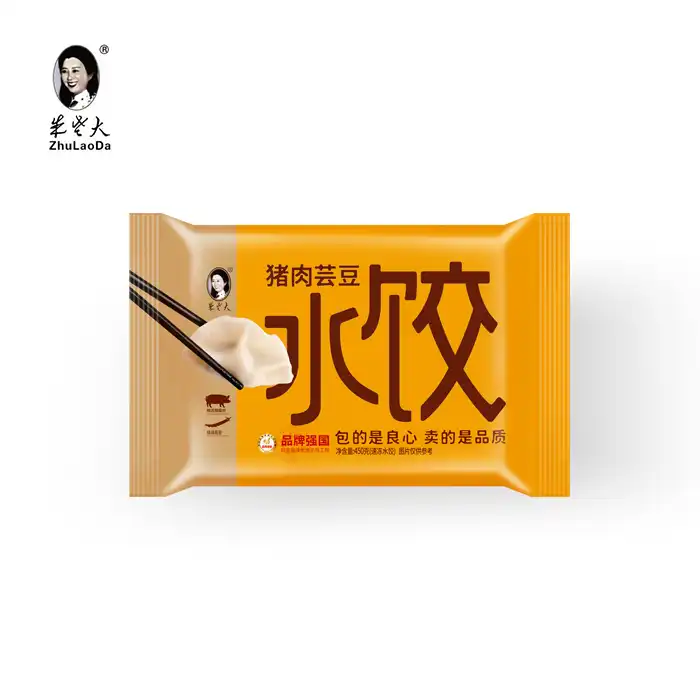
- 450g retail pack — This size is meant to fit on the shelves of Asian supermarkets and is priced for everyday use. The format is the same as how frozen foods are usually priced in Asian grocery stores in North America.
- 1kg foodservice pack — Intended for Chinese restaurant owners who need to control portions consistently and get more of each SKU without having to pay more for expensive retail packing.
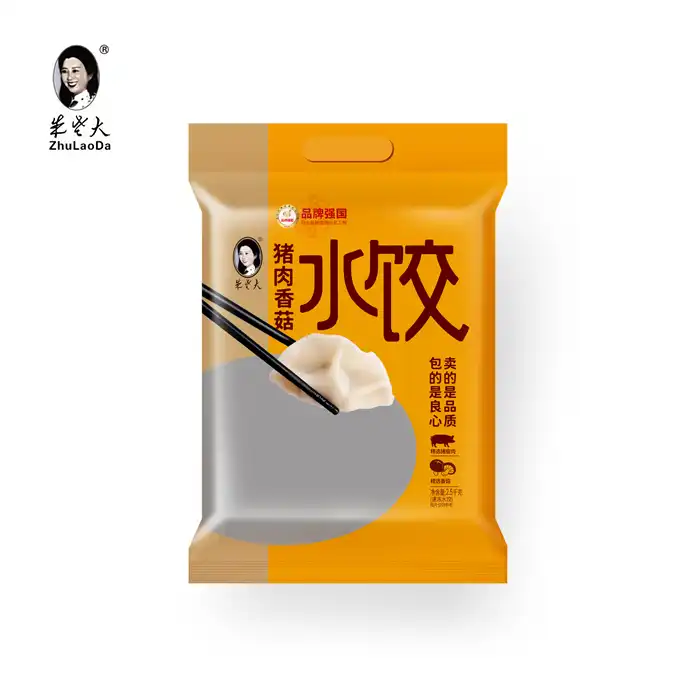
- 2.5kg bulk pack — This is for central kitchens and food providers who do a lot of work each week.
Labels for all three formats can be changed to meet the rules of the destination market. For example, they can have English-language ingredient lists, allergen alerts, and storage instructions for pickled Chinese cabbage and pork dumplings, ensuring that this specific product meets local compliance while these packaging options solve the main problem that importers have when they have to deal with both retail and restaurant channels at the same time.
Procurement Strategy: What Serious Buyers Evaluate
Importers working in the US, Canada, or Korea must pay close attention to a number of compliance steps when they look for pickled Chinese cabbage and pork dumplings. The most important things to think about are ractopamine-free pork certification, nitrite residue levels in the pickled cabbage (which are usually checked against food additive standards in the target country), and cold chain paperwork that shows the food has been stored continuously at -18°C.
Zhulaoda's goods are made with a Food Production License SC11137139600148, follow Product Standard Code SB/T 10412, and have been tested to last for 12 months at -18°C or lower. The business has three automated production lines that can each make up to 100 tons of goods every day. It also has a cold storage warehouse that can hold more than 8,000 tons of goods and is supported by an intelligent shuttle rack system. The importer was worried about the reliability of the supply during busy buying times, like Chinese New Year and mid-autumn festivals, when demand usually goes up. This capacity scale directly answers that concern.
A multi-step HACCP protocol is used for quality control. Pork and cabbage are the primary raw materials in this process. Pickled cabbage that comes in is checked for nitrite residues and textural firmness. Pork is checked for Peroxide Value and Volatile Basic Nitrogen.
Finally, finished products are checked against GB 19295 parameters such as Total Plate Count, Coliforms, S. aureus, and Salmonella. Before packaging, metal detection and X-ray inspection find any foreign materials that might be harmful. According to industry standards, the rate at which the wrapper bursts when it's cooking quickly must stay below 1%. Zhulaoda tests all of its production runs to make sure they meet these requirements.

Enhancing Product Appeal for Your Market
Serving and Pairing Positioning
People with both Chinese and Korean roots know that these suancai dumplings go well with black rice vinegar, chili oil, or a sesame-soy dip because of the way they taste. For Korean market positioning, the pickled cabbage filling is conceptually similar to kimchi. This creates a real cross-cultural bridge that stores and restaurants can use for language marketing. This is not a forced comparison; both customs come from lacto-fermentation methods used in Northeast Asia, but the ways they use taste are similar.
Brand Storytelling for Import Distributors
Shandong Zhu Laoda Food Co., Ltd. has been in business since March 2001, which is more than twenty years. This is the kind of factory background that makes importers trust the company. The business gets its wheat flour from Canada and Hetao Plain. It also runs the most advanced frozen food processing base in southern Shandong and northern Jiangsu and keeps its production workshop up to code with fresh air and sterilization systems. These confirmed practical details go right into the story of authenticity that Asian restaurant owners and shoppers react to.
Conclusion
In the market for importing frozen foods from Korea and North America, pickled Chinese cabbage and pork dumplings have a stable place with little competition. People from the Dongbei diaspora are strong emotional buyers, and the fermented taste profile of pickled Chinese cabbage and pork dumplings has real broad appeal in stores that sell Korean heritage goods.
This SKU is a useful addition to a frozen food import business because Zhulaoda can make a lot of them, their infrastructure for compliance, and the packing can be changed to fit your needs. The 12-month shelf life of pickled Chinese cabbage and pork dumplings at -18°C works with the longer shipping times needed for cross-Pacific shipping, and the dual-channel packaging formats mean that the products don't need to be re-formatted after they're imported.
FAQ
Does the freezing process affect the texture of the pickled cabbage filling?
When pickled cabbage is properly prepared, it stays crisp through IQF because centrifuge dewatering gets rid of any extra water before freezing. When the core temperature hits -18°C during the best freeze window, ice crystals form less quickly inside the cabbage cell walls. Every batch of Zhulaoda's production checks this.
What is the difference between commercial and artisanal pickled cabbage in dumplings?
When commercial suancai is used to make dumplings, it goes through a standard fermentation process with nitrite tracking that can't be done regularly by hand picklers. This is important for import compliance because nitrite residue limits are checked when goods come into the country.
Can these dumplings be pan-fried instead of boiled?
The shape of the dough lets it be fried in a pan. But because the cabbage filling keeps its wetness, it's important to keep an eye on the temperature while it's cooking—the best oil temperature is around 170°C—so that pressure inside the wrapper doesn't build up and it breaks.
What allergens are present?
The product contains wheat and soybean components. Full English-language allergen labels can be put on export packages to meet the needs of the US and Canadian markets.
What is the minimum order quantity for trial imports?
Zhulaoda lets new customers try shipping with LCL (less-than-container-load) packages. Talk to the export team directly about sample packages for shipping and paperwork.
Source Authentic Pickled Chinese Cabbage and Pork Dumplings from Zhulaoda
Pickled Chinese cabbage and pork dumplings from Zhulaoda are the real deal. Zhulaoda gives foreign importers what they really want: verified food safety credentials, dual-channel packaging, and a history of 20 years of making frozen dumplings. Zhulaoda is ready to help you with your next buying cycle. They are a reliable seller of pickled Chinese cabbage and pork dumplings, and they can also export. Send an email to sdzldsp@163.com asking for product samples and export paperwork, or go to zhulaodadumpling.com to start your request.
References
1. Newman, J. & Judi, A. — Food Culture in China, Greenwood Press, 2004.
2. Breidt, F. et al. — "Fermented Vegetables," Food Microbiology: Fundamentals and Frontiers, ASM Press, 2013.
3. Zhao, G. et al. — "Lactic Acid Bacterial Diversity and Safety in Traditional Chinese Suancai Fermentation," LWT – Food Science and Technology, 2019.
4. Lin, C. & Chou, C. — "Quality Evaluation of Frozen Dumplings Under Different Storage Conditions," Journal of Food Engineering, 2017.
5. China National Standard GB 19295 — National Food Safety Standard for Quick-Frozen Wheat Flour and Rice Products, National Health Commission of China, 2021.
6. Huang, H. — Science and Civilisation in China: Volume 6, Biology and Biological Technology – Part V: Fermentations and Food Science, Cambridge University Press, 2000.
Learn about our latest products and discounts through SMS or email