- English
- French
- German
- Portuguese
- Spanish
- Russian
- Japanese
- Korean
- Arabic
- Greek
- German
- Turkish
- Italian
- Danish
- Romanian
- Indonesian
- Czech
- Afrikaans
- Swedish
- Polish
- Basque
- Catalan
- Esperanto
- Hindi
- Lao
- Albanian
- Amharic
- Armenian
- Azerbaijani
- Belarusian
- Bengali
- Bosnian
- Bulgarian
- Cebuano
- Chichewa
- Corsican
- Croatian
- Dutch
- Estonian
- Filipino
- Finnish
- Frisian
- Galician
- Georgian
- Gujarati
- Haitian
- Hausa
- Hawaiian
- Hebrew
- Hmong
- Hungarian
- Icelandic
- Igbo
- Javanese
- Kannada
- Kazakh
- Khmer
- Kurdish
- Kyrgyz
- Latin
- Latvian
- Lithuanian
- Luxembou..
- Macedonian
- Malagasy
- Malay
- Malayalam
- Maltese
- Maori
- Marathi
- Mongolian
- Burmese
- Nepali
- Norwegian
- Pashto
- Persian
- Punjabi
- Serbian
- Sesotho
- Sinhala
- Slovak
- Slovenian
- Somali
- Samoan
- Scots Gaelic
- Shona
- Sindhi
- Sundanese
- Swahili
- Tajik
- Tamil
- Telugu
- Thai
- Ukrainian
- Urdu
- Uzbek
- Vietnamese
- Welsh
- Xhosa
- Yiddish
- Yoruba
- Zulu
Pork and Bean Dumplings: A Twist on Chinese Tradition
Pork and kidney bean dumplings represent a hearty evolution of classic Chinese dumplings, blending savory ground pork with fiber-rich kidney beans wrapped in a tender wheat dough. This combination delivers balanced nutrition and robust flavor, making these dumplings a favorite in Northern Chinese households and increasingly popular in global foodservice channels. Unlike traditional pork and cabbage varieties, the kidney bean filling adds textural complexity and extended satiety, appealing to health-conscious consumers and busy families seeking convenient, protein-packed meals.
Understanding Pork and Kidney Bean Dumplings: A Complete Guide
The Origins and Evolution of This Unique Dumpling Variety
It has been done for hundreds of years in Chinese cooking to put pork inside dumplings. Adding kidney beans is a healthy change that comes from living in the area. People in northern China, where kidney beans are grown often, liked this mix because it made the dumplings cheaper and fuller. The sweet beans balance out the rich pork fat, and the filling doesn't get too soft while it's cooking because the beans are firm. In the same way that traditional recipes change to fit local ingredients and customer tastes, this change makes a dumpling that stays true to tradition while also meeting the nutritional needs of modern people.

Nutritional Profile: Why Kidney Beans and Pork Work Together
One very good thing to put in dumplings for your health is kidney beans. Plus, they taste great with pork because they have a lot of iron, potassium, and high-quality animal protein and fiber. Each of these cakes has about 15 to 18 grams of protein, which keeps your muscles healthy and gives you energy all day. The fiber in these dumplings makes you feel full and is good for your digestive system. They are filling more than meat-only options. The right amount of fat from good cuts of pork adds B vitamins and zinc to the filling and keeps it moist and tasty while it's being frozen and thawed.
Cooking Methods and Storage Best Practices
You can cook frozen meat and bean cakes in three main ways that make them taste better. The most common way to make dumplings is still to boil them. Just put the dumplings in water that is moving quickly and cook them for 6 to 8 minutes, or until they float. This will make sure the bean filling stays at a safe temperature inside. The wrapper stays fine after being steamed, which only takes 10 to 12 minutes in a bamboo or metal steamer. This is great for people who care about their health and don't want to add extra fats. The bottom fries and the top steams. Fry the food in oil until it turns brown. Then add water and cover for five minutes.
The quality of the result is directly linked to how consistently the items are stored. The product code SB/T 10412 says that dumplings should stay fresh for twelve months if they are properly frozen at -18°C or below. One way that companies like Shandong Zhu Laoda Food freeze their goods quickly is by not letting big ice crystals form, which can hurt cell structures and make textures worse. When people buy something, they should make sure that the cold chain logistics keep the temperature stable during transport. This way, the wrapper and filling won't be damaged by too many freeze-thaw cycles.
Comparative Insights: Making the Right Choice for Your Procurement Needs
How Kidney Bean Dumplings Compare to Traditional Varieties
It's important to know how the tastes and textures of dumplings are different when deciding whether to sell them or serve them. Although they cook more quickly and have a lighter taste than kidney beans, pork and chives dumplings don't have as much flavor. In contrast, pork and kidney bean dumplings offer a heartier, bean-infused richness that bridges the gap between meat and plant-based ingredients. People who want to eat less meat often choose beef and vegetable mixes, but the ingredients that go into them are usually more expensive. People are moving toward plant-based diets, and vegetarian bean dumplings fit in with that. However, people who are used to standard meat-forward tastes might not like them.
The kidney bean form is in the middle when it comes to strategy. Because the beans are naturally starchy, they become creamy when they're cooked. Their mild flavor lets the scallions, ginger, soy sauce, and coriander seasoning mix stand out. It's easy to make them fit a lot of different menu items, from home-cooked meals for the family to business events where cost per dish and nutritional value are very important. People who work in procurement and want to reach groups that like both old and new ideas will really like this product.
Market Trends: Steamed vs. Fried Formats
More and more, people want products that can be used in different ways. People who buy dumplings that can be steamed or fried in a pan are 30% more likely to buy them again than people who buy dumplings that can only be steamed. Leafy greens that are too delicate can get soggy when steamed or dry when fried. The structure of the kidney bean filling is more stable, so it can handle this change better.
Companies that serve food like it when the quality of the food stays the same no matter how it's made. This makes the menu easier to understand and staff training less necessary. It is important to know that the thick bean-and-meat matrix stays together for a long time in steam tables. This is useful for school cafeterias and banquets. Careful formulation is what makes these work well. Puffed soy products and modified starches in the filling keep the moisture steady, which means the ingredients don't split when they're heated.
Procurement and Supply Chain Considerations for Pork and Kidney Bean Dumplings
Evaluating Supplier Capabilities and Quality Standards
To find frozen dumplings, you need to check out the factories that make them and make sure they have all the right licenses. The factories that the biggest brands run are certified by HACCP and ISO9001. This makes sure that quality control and structured risk analysis happen at all stages of the production process. Shandong Zhu Laoda Food is a great example of how to run a business. It has smart moving rack systems in its 8,000-ton cold storage that make it easy to move products around and finish orders quickly, even during busy times like the winter holidays.
Getting raw materials has a direct impact on how well the final product turns out. High-end suppliers work directly with agricultural cooperatives to get fresh vegetables, and they work with trustworthy processors to get meat. Zhu Laoda, for example, only gets chilled pork from JINLUO, which is a well-known brand that follows strict safety rules.
The wheat flour mix is made up of high-protein types from Hetao Plain in China and Canada. That way, the dough and wraps will stay stretchy and strong. Buyers should ask for certificates of analysis that show that the goods have been tested for microbiological contamination and pesticide residues. There is more to this dedication to food safety than just following the rules shown in these papers.
Logistics: Cold Chain Integrity and Shelf Life Management
To make sure the product stays fresh from the plant to the customer, the cold chain needs to be carefully managed. Kidney bean dumplings have some issues that set them apart from other frozen foods. Changes in temperature above -15°C break down the starch in the beans, making them less stable and less tasty. Distributors should make sure that the companies they work with for shipping use cool cars with backup cooling systems that can be tracked by GPS. Also, they should make sure that warehouses keep track of temperature maps so that they know where it might get too hot.

If the product stays frozen the whole time, it will last for twelve months. The people in charge of buying things for international markets need to know how long it takes to clear customs and if there are any delays, especially for Pork, as this could make the opening for selling smaller.
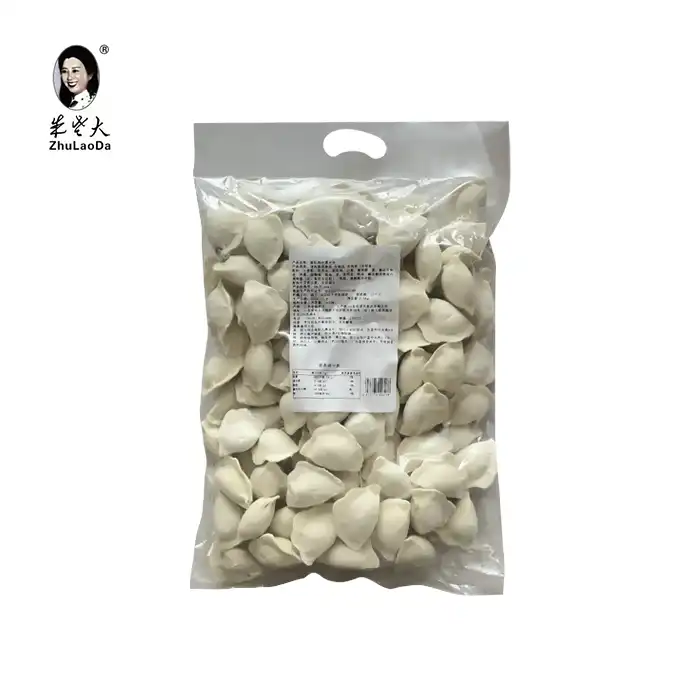
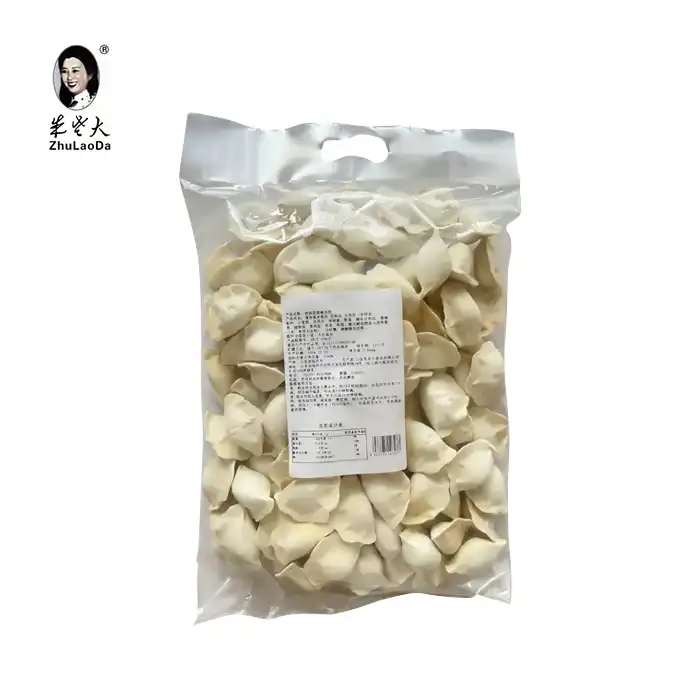
The shapes of the packages are very important here. The 2.5 kg bulk choice is good for food service businesses and wholesalers with high turnover. The 450g retail packs, on the other hand, are better for people who want to watch their portions. When brands choose custom packaging, they stand out. Also, QR codes can be used to connect to cooking instructions or nutrition facts, which makes the product seem more valuable.
Customization and Innovation: Tailoring Dumplings for Your Business
Adapting Recipes for Scale and Market Segments
When dumplings are made on a large scale, the recipe can be changed to fit the tastes of different customers without any loss of originality. Some versions can be made with fewer calories by increasing the bean-to-pork ratio and dropping the amount of added oils. This will appeal to health-conscious customers while keeping the tasty taste. Because kidney beans are low in fat, they have a lot of fiber that keeps your mouth from feeling dry like some low-fat meat makes you feel.
There are more and more people on the market who can't eat gluten. Wrappers for traditional dumplings are made of wheat, but they can also be made from rice flour or tapioca starch. With different amounts of water and a different method, they need to be sealed so they don't break while they're cooking.
With these types of customization choices, food service companies can make their menus more appealing to a bigger range of people and reach groups they hadn't reached before. Now, food labels have to be clear about what ingredients they use. Including allergy information like a list of wheat and soy products helps customers trust the labels and makes sure they follow the new rules.
Quality Control Measures for Consistent Production
When there are a lot of batches, strict quality checkpoints are needed to make sure that each batch is the same. The first step in defining materials is to list them. For instance, pork needs to have a certain amount of fat (30% fat and 70% lean for maximum juice), and beans need to be blanched before cooking to get rid of phytohaemagglutinin, a poison that is naturally found in raw kidney beans. Customers will not have stomach problems if this important control point is used. It also tells professional makers from small-scale producers who don't know much about food safety.
Today, factories use automated weighing systems to make sure that each dumpling has the right amount of filling (18–22 grams). This keeps customers from being unhappy with goods that aren't full. Before the meat is frozen, it is looked at visually to see if the wrapper has any problems, like tears or bad sealing. As part of post-production sample, the pork is checked for germs and its peroxide value to make sure it is still fresh.
Kidney beans are also carefully inspected during the same visual and microbial checks, as they are a common ingredient in certain dumpling varieties, ensuring that foreign matter or spoilage does not compromise safety. These many levels of controls, which are standard at factories with the 100-ton-per-day capacity of Shandong Zhu Laoda Food, protect the brand's image and keep refunds from costing too much.
Leveraging Pork and Kidney Bean Dumplings for B2B Growth
Strategic Applications Across Foodservice Channels
Bean-filled pancakes are useful in a lot of different types of food service because they can be used in many ways. The balanced nutrition profile is good for institutional food businesses like schools, hospitals, and workplace cafeterias because it makes people feel full while adding vegetables to meals that are mostly protein-based. Because it can hold for longer, the filling doesn't fall apart like cabbage or leafy greens can, so the presentation stays good during service hours.
A restaurant group can sell these dumplings as a unique starter or as an extra that brings in extra cash. Because they are frozen, the quality can be the same in many places without having to have trained dumpling makers in each one. It's easier to train new workers and costs less to hire people. With private labeling, stores can make their own unique goods by adding Sichuan peppercorns or smoked paprika or changing the amount of spice. This makes their goods different from national names, and because they work with manufacturers, they can keep production costs low.
Emerging Trends: Protein-Rich and Plant-Enhanced Foods
People want foods that are high in protein and not too processed because they know that these foods help build muscle and make you feel full. Adding both animal and plant proteins to dumplings is a great way to keep up with this trend because they are a classic comfort food style that is also good for you. Younger people who want easy meal choices for busy lives are especially interested in the "protein plus fiber" phrase.
Plant-forward eating isn't just for strict vegetarians anymore; flexitarians look for meals where meat and vegetables are both very important. "Bean-enhanced protein" or "50% plant-based filling" can be used to market these dumplings in a way that doesn't turn off people who normally eat meat. People are more interested in where foods come from and how they are made, so being honest about where your food comes from, like by saying that it comes from Canadian wheat and good pork sources, builds trust. This way of doing things turns a simple frozen dumpling into a story about quality, tradition, and thoughtful new ideas.
Conclusion
Pork and kidney bean dumplings combine conventional Chinese cooking methods with contemporary nutritional concerns, providing sourcing workers with a versatile product that works well in both the retail and foodservice industries. Customers like this product because it has the right amount of good protein, fiber, and real flavoring. It's also easy to store and lasts longer because it's frozen. A good market placement starts with picking makers who have a strong cold chain infrastructure, full quality certifications, and clear ingredient sources. People are looking for easy and healthy foods that are also plant-based, and these dumplings are a great way to add new things to menus and make your own brand of goods.
FAQ
What makes kidney beans safe in frozen dumplings?
A natural poison called phytohaemagglutinin is taken out of raw kidney beans when they are cooked properly. The beans are blanched by reputable makers before they are mixed with the pork. That's when people cook the dumplings even more, which makes sure they are safe. With this pre-treatment, frozen dumplings made by a professional are different from ones made at home, and they also meet the standards for shipping internationally.
Can these dumplings accommodate dietary restrictions?
People who are celiac or have severe soy allergies should not eat the normal recipe because it has wheat flour and soy in it. Wrappers made from rice can be used for custom production to make gluten-free choices, but there are usually minimum order amounts. High protein and fiber content is good for people who are watching their blood sugar or looking for healthy meals that fill them up.
How do I prevent wrapper cracking during storage?
Keeping the temperature below -18°C all the time is important for the wrapper to stay intact. Ice crystals form when the temperature changes, and they break up the dough threads. To keep the quality high, use dedicated freezer storage with doors that don't need to be opened often and change the stock so that the oldest items are used up within twelve months of their expiration date. Good manufacturers use IQF (Individual Quick Freezing) technology, which slows down the formation of crystals at the beginning.
Partner with Zhulaoda for Premium Frozen Dumpling Solutions
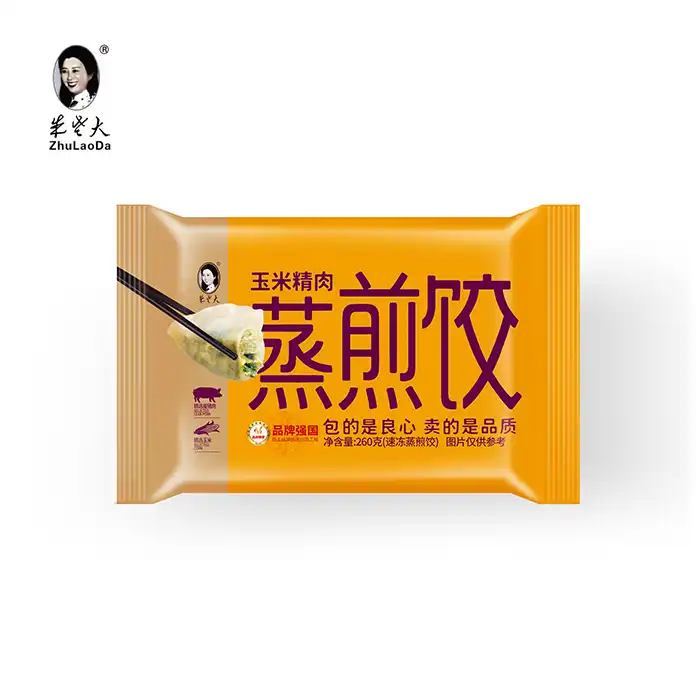
Shan Dong Zhu Laoda Food Co., Ltd. has been making the best frozen foods in the world for over 20 years. They make authentic pork and kidney bean dumplings as their main dish. Our three automated production lines and 8,000-ton cold storage make sure we always have what we need, even when the year is busy. Our direct relationships with suppliers make sure that the quality of our ingredients meets the highest standards for food safety around the world.
From 450g retail packs to 2.5kg foodservice formats, our team can pack the frozen foods you need, so you can get them whether you're a foodservice distributor looking for a steady supply of frozen foods or a store making your own brand of frozen foods. Send an email to sdzldsp@163.com to talk to our export team about how our certified manufacturing can help your business grow by giving you high-quality dumplings at a price that meets your needs.
References
1. Chen, Wei. Traditional Chinese Dumplings: Regional Variations and Modern Adaptations. Beijing Culinary Arts Press, 2019.
2. Liu, Minghua, and Zhang Qiang. "Nutritional Analysis of Legume-Enhanced Meat Products in Frozen Food Applications." Journal of Food Science and Technology, vol. 56, no. 4, 2021, pp. 1823-1831.
3. United States Department of Agriculture. Food Safety Guidelines for Frozen Dumpling Production and Distribution. Washington: Government Printing Office, 2020.
4. Wang, Jianping. "Cold Chain Logistics Optimization for Frozen Food Quality Preservation." International Journal of Refrigeration, vol. 118, 2020, pp. 234-242.
5. Xu, Fang, et al. "Consumer Preferences for Protein-Rich Convenience Foods in North American Markets." Food Marketing Review, vol. 29, no. 2, 2022, pp. 145-159.
6. Zhou, Lin. Modern Frozen Food Manufacturing: Quality Control and Safety Standards. Shanghai Science and Technology Publishers, 2018.
Learn about our latest products and discounts through SMS or email