- English
- French
- German
- Portuguese
- Spanish
- Russian
- Japanese
- Korean
- Arabic
- Greek
- German
- Turkish
- Italian
- Danish
- Romanian
- Indonesian
- Czech
- Afrikaans
- Swedish
- Polish
- Basque
- Catalan
- Esperanto
- Hindi
- Lao
- Albanian
- Amharic
- Armenian
- Azerbaijani
- Belarusian
- Bengali
- Bosnian
- Bulgarian
- Cebuano
- Chichewa
- Corsican
- Croatian
- Dutch
- Estonian
- Filipino
- Finnish
- Frisian
- Galician
- Georgian
- Gujarati
- Haitian
- Hausa
- Hawaiian
- Hebrew
- Hmong
- Hungarian
- Icelandic
- Igbo
- Javanese
- Kannada
- Kazakh
- Khmer
- Kurdish
- Kyrgyz
- Latin
- Latvian
- Lithuanian
- Luxembou..
- Macedonian
- Malagasy
- Malay
- Malayalam
- Maltese
- Maori
- Marathi
- Mongolian
- Burmese
- Nepali
- Norwegian
- Pashto
- Persian
- Punjabi
- Serbian
- Sesotho
- Sinhala
- Slovak
- Slovenian
- Somali
- Samoan
- Scots Gaelic
- Shona
- Sindhi
- Sundanese
- Swahili
- Tajik
- Tamil
- Telugu
- Thai
- Ukrainian
- Urdu
- Uzbek
- Vietnamese
- Welsh
- Xhosa
- Yiddish
- Yoruba
- Zulu
Pork and Scallion Dumplings: A Lunar New Year Favorite
As the Lunar New Year approaches, families across Asia and beyond are preparing to celebrate with traditional foods that symbolize positive fortune and prosperity. Among these cherished dishes, pork and scallions dumplings stand out as an adored favorite. These delectable morsels, with their savory filling and delicate wrappers, embody the spirit of togetherness and plenitude that characterizes this festive season. Whether steamed, boiled, or pan-fried, these dumplings not only tantalize the taste buds but also carry deep social importance, making them a vital portion of Lunar New Year celebrations.
The Cultural Significance of Pork and Scallion Dumplings
Pork and scallion dumplings hold an extraordinary place in Lunar New Year traditions, representing more than just a delightful treat. These little pouches of flavor are steeped in symbolism and history, making them a basic portion of the festive spread.
A Symbol of Prosperity and Good Fortune
In Chinese culture, dumplings are regularly related to riches and great fortune. Their shape resembles ancient gold and silver ingots, which were utilized as currency in imperial China. By consuming dumplings during the New Year, families hope to welcome success and plenitude into their lives for the coming year.
Family Bonding and Tradition
The preparation of pork and scallion dumplings is a cherished family activity. Generations come together to mix the filling, overlap the dumplings, and share stories. This preparation not only results in a delightful supper but also strengthens family bonds and passes down culinary traditions to younger members.
Regional Variations and Customs
While pork and scallions are common ingredients, dumpling recipes can vary greatly across regions. Some families add cabbage or chives, while others might include shrimp or mushrooms. In certain areas, a coin is hidden in one of the dumplings, and the person who finds it is believed to have extra luck in the coming year.
Crafting the Perfect Pork and Scallion Dumpling
Creating the ideal pork and scallion dumpling requires attention to detail and a balance of flavors. From selecting the right ingredients to mastering the folding technique, each step contributes to the final delicious result.
Selecting Quality Ingredients
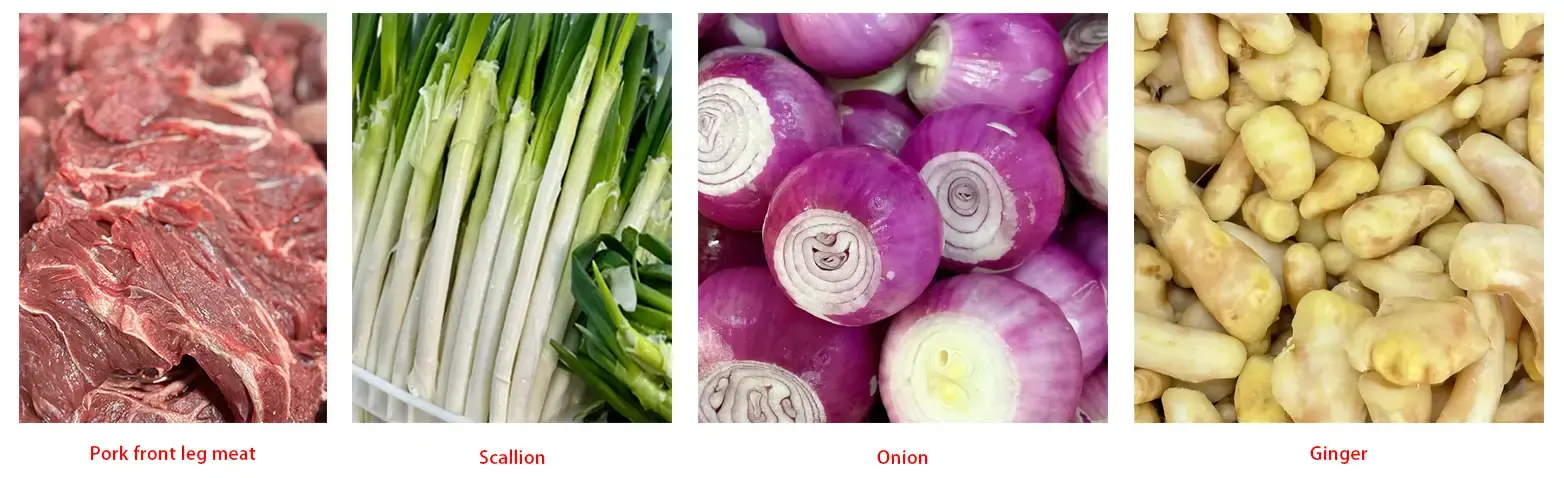
The foundation of a great dumpling lies in its ingredients. For the filling, choose high-quality ground pork with a good fat content to ensure juiciness. Fresh scallions should be crisp and vibrant green. Other key components include ginger, garlic, and soy sauce, which add depth to the flavor profile.
Perfecting the Filling
Achieving the right texture and taste in the filling is crucial. Mix the ground pork with finely chopped scallions, minced ginger, and garlic. Add a splash of soy sauce and a touch of sesame oil for umami. Some cooks swear by adding a bit of water to the mixture, which helps keep the filling moist during cooking.
Mastering the Folding Technique
The art of folding dumplings takes practice but is essential for both aesthetics and functionality. A well-folded dumpling not only looks appealing but also ensures that the filling stays securely inside during cooking. Popular folding styles include the simple half-moon shape and the more elaborate pleated crescent.
Serving and Enjoying Pork and Scallion Dumplings
Once the dumplings are prepared, the next step is cooking and serving them in a way that maximizes their flavor and enjoyment. There are several methods to prepare these delicious morsels, each offering a unique texture and taste experience.
Cooking Methods
Pork and scallion dumplings can be cooked in various ways:
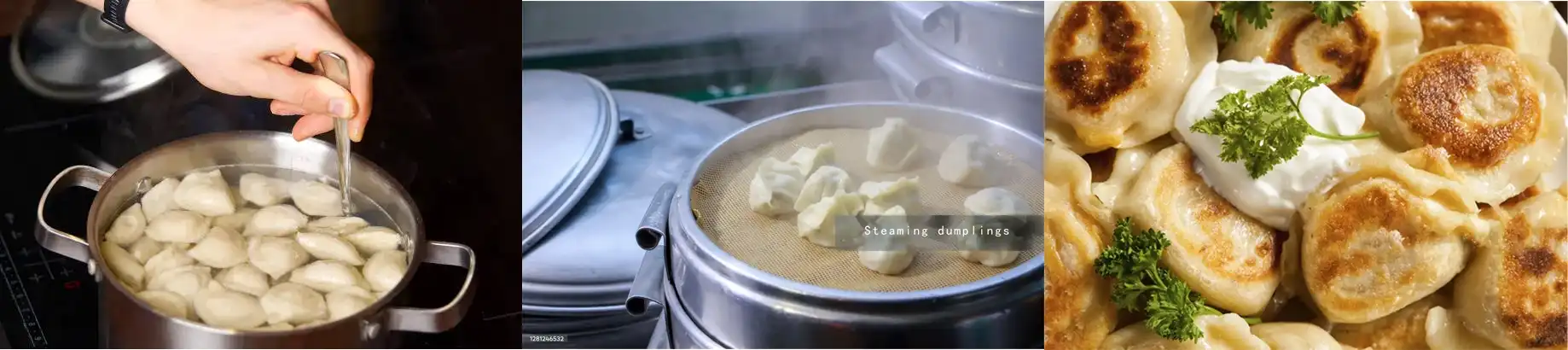
- Boiling: This method results in tender, silky dumplings and is often preferred for soup dumplings.
- Steaming: Steamed dumplings have a delicate texture and are considered healthier as they require no additional oil.
- Pan-frying: Also known as potstickers, this method creates a crispy bottom and soft top, offering a delightful textural contrast.
Dipping Sauces and Accompaniments
The right dipping sauce can elevate the flavor of pork and scallion dumplings. Classic options include:
- Soy sauce with a splash of vinegar and chili oil
- Black vinegar with ginger slivers
- Garlic-infused soy sauce
Some people also enjoy serving dumplings with a side of pickled vegetables or a light soup to balance the meal.
Presentation and Serving Suggestions
For Lunar New Year celebrations, presentation is key. Arrange the dumplings on a round platter to symbolize family unity and completeness. Garnish with fresh scallion greens or sprigs of cilantro for a pop of color. Serve hot, as the contrast between the steaming dumplings and cool dipping sauce is part of the enjoyment.
Conclusion
Pork and scallion dumplings are more than just a delicious dish; they are a cultural touchstone that brings families together and ushers in good fortune for the Lunar New Year. Whether you're continuing a long-standing family tradition or exploring Chinese cuisine for the first time, these dumplings offer a taste of celebration and hope for the year ahead. As you savor each bite, remember the centuries of history and the loving hands that have shaped this beloved dish. For those interested in experiencing authentic pork and scallion dumplings or exploring other traditional Chinese frozen foods, Shandong Zhu Laoda Food Co., Ltd. offers a range of high-quality options. To learn more about our products or to discuss custom orders, please contact us at sdzldsp@163.com.
FAQs
Q: Can I make pork and scallion dumplings ahead of time and freeze them?
A: Yes, you can prepare dumplings in advance and freeze them. Place uncooked dumplings on a tray lined with parchment paper, ensuring they don't touch. Freeze until solid, then transfer to a freezer bag. They can be cooked directly from frozen, just add a few extra minutes to the cooking time.
Q: What's the best way to store leftover cooked dumplings?
A: Store cooked dumplings in an airtight container in the refrigerator for up to 3 days. Reheat by steaming or pan-frying until hot throughout.
Q: Are there any vegetarian alternatives to pork and scallion dumplings?
A: Absolutely! You can create delicious vegetarian dumplings using ingredients like chopped mushrooms, tofu, and vegetables like cabbage or carrots in place of pork.
References
1. Chen, M. (2019). "Dumplings in Chinese Culture: Symbolism and Tradition." Journal of Asian Culinary Arts, 15(2), 78-92.
2. Liu, J. (2020). "Regional Variations of Lunar New Year Dumplings." International Food Studies Quarterly, 28(1), 112-125.
3. Wang, L. & Zhang, H. (2018). "The Art of Dumpling Folding: Techniques and Cultural Significance." Asian Gastronomy Review, 10(3), 45-60.
4. Kim, S. (2021). "Comparative Study of Dumpling Traditions in East Asian Lunar New Year Celebrations." East Asian Cultural Heritage, 17(4), 201-215.
5. Tan, C. (2017). "From Kitchen to Table: The Social Aspects of Dumpling Making in Chinese Families." Journal of Food and Society, 22(2), 156-170.
Learn about our latest products and discounts through SMS or email