- English
- French
- German
- Portuguese
- Spanish
- Russian
- Japanese
- Korean
- Arabic
- Greek
- German
- Turkish
- Italian
- Danish
- Romanian
- Indonesian
- Czech
- Afrikaans
- Swedish
- Polish
- Basque
- Catalan
- Esperanto
- Hindi
- Lao
- Albanian
- Amharic
- Armenian
- Azerbaijani
- Belarusian
- Bengali
- Bosnian
- Bulgarian
- Cebuano
- Chichewa
- Corsican
- Croatian
- Dutch
- Estonian
- Filipino
- Finnish
- Frisian
- Galician
- Georgian
- Gujarati
- Haitian
- Hausa
- Hawaiian
- Hebrew
- Hmong
- Hungarian
- Icelandic
- Igbo
- Javanese
- Kannada
- Kazakh
- Khmer
- Kurdish
- Kyrgyz
- Latin
- Latvian
- Lithuanian
- Luxembou..
- Macedonian
- Malagasy
- Malay
- Malayalam
- Maltese
- Maori
- Marathi
- Mongolian
- Burmese
- Nepali
- Norwegian
- Pashto
- Persian
- Punjabi
- Serbian
- Sesotho
- Sinhala
- Slovak
- Slovenian
- Somali
- Samoan
- Scots Gaelic
- Shona
- Sindhi
- Sundanese
- Swahili
- Tajik
- Tamil
- Telugu
- Thai
- Ukrainian
- Urdu
- Uzbek
- Vietnamese
- Welsh
- Xhosa
- Yiddish
- Yoruba
- Zulu
Steamed vs Boiled: Best Cooking for Pickled Cabbage Dumplings
When deciding between steaming or boiling Pork and Pickled Chinese cabbage dumplings filled with tangy fermented vegetables and savory meat, the cooking method dramatically influences texture, flavor retention, and operational efficiency. Steaming preserves structural integrity and delivers a chewier wrapper, while boiling produces tender dumplings with softer skins but requires careful handling to prevent breakage. For B2B procurement managers sourcing Pork and Pickled Chinese cabbage dumplings, understanding these differences ensures alignment between product capabilities and client expectations—whether supplying restaurant chains, institutional catering, or retail frozen food sections.
Understanding Pork and Pickled Chinese Cabbage Dumplings
Fermented cabbage and good pork front leg meat are used to make the classic dumplings. There is just the right amount of umami creaminess and refreshing acidity in the tastes. Probiotic bacteria and a complex tanginess that raw cabbage doesn't have are made during controlled fermentation in the pickled vegetable part (Kim et al., 2016). This fermentation process naturally lowers the amount of water in the product, which fixes a problem called filler syneresis that happens a lot in the business world. When too much water leaks out of the wrapper while it's being frozen or cooked, making it less stable.
Ingredient Composition and Nutritional Value
Inside our dumplings, there is a carefully balanced mix of soft pork, crunchy pickled Chinese cabbage, fresh cabbage for a change of texture, and flavourful ingredients like soy sauce, ginger, and scallions. The covers are made of wheat flour. Foods that contain expanded soy products have more protein and cost less. Lactic acid bacteria and vitamins C and K are found in pickled cabbage. This makes the dumplings tasty and good for you. Trustworthy sellers get their high-quality chilled meat from Zhulaoda and their high-quality wheat flour from Canada and China's Hetao Plain. This way, every batch of their goods is the same.
Cultural Significance and Regional Authenticity
For people in northeastern China, these dumplings are a type of comfort food that is often served at family gatherings and winter celebrations. People in that area have been storing food in this way for hundreds of years, as shown by the mix of pickled veggies and pork. People who work in buying and deal with a lot of different markets like it when products are culturally real. People who buy ethnic food at stores and people who run restaurants that want to serve real regional flavours both value products that are made from traditional recipes instead of ones that have been changed.
Steaming vs Boiling: Cooking Methods Explained
The quality of the food you cook depends on how the heat moves in each method. At about 100°C, heat moves indirectly through water vapour when you cook Pork and Pickled Chinese cabbage dumplings. This keeps the dumplings from moving around while they cook and makes sure they cook evenly. The wrapper stays flexible and the filling doesn't leak with this method. This makes it great for small items or large-scale institutional preparations where presentation is important.
Steaming: Gentle Heat Preservation
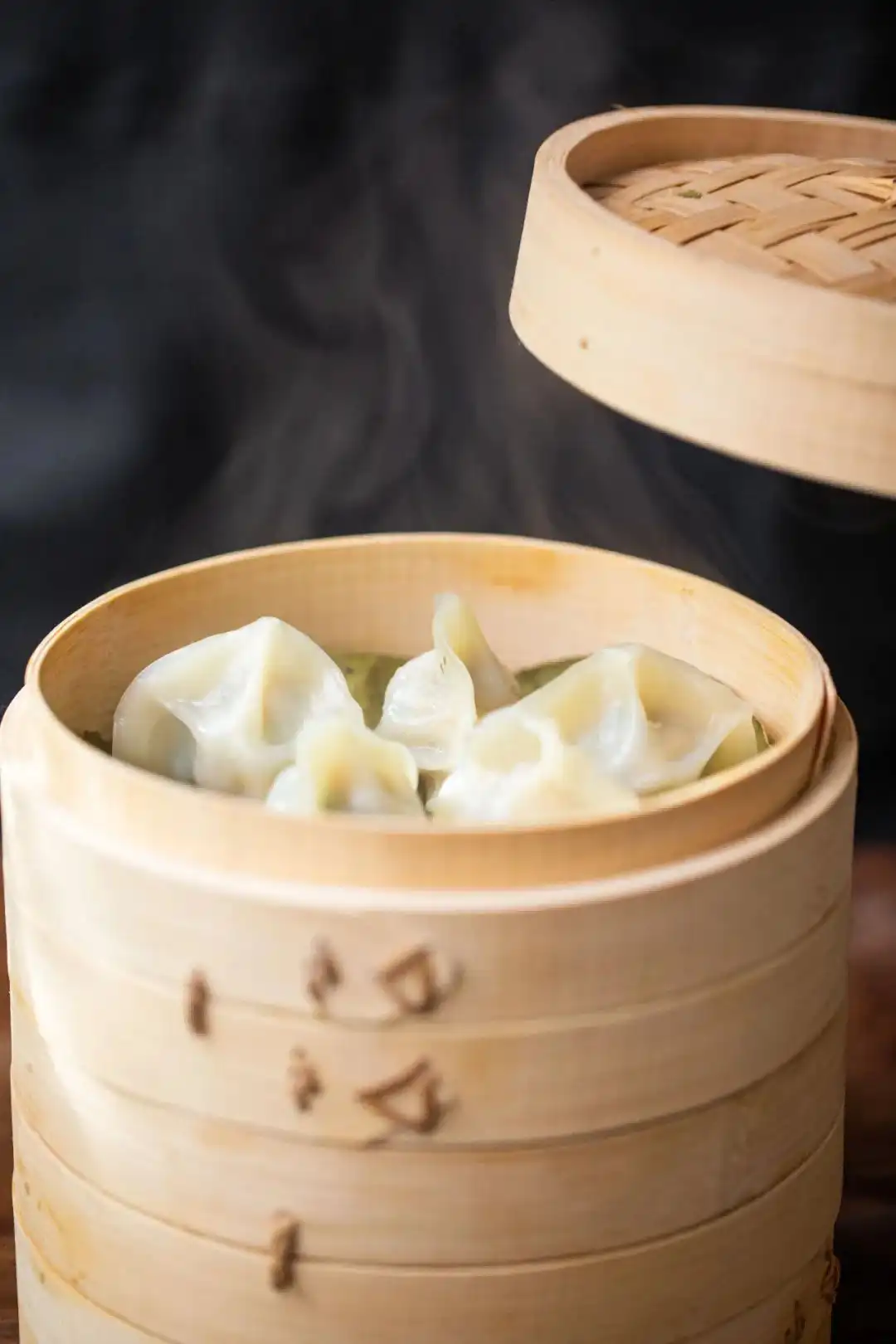
Putting dumplings in bamboo or metal steamers over hot water is a controlled way to cook them. As the vapour condenses on the dumplings' surfaces, it moves the heat around and keeps the moisture level steady. It usually takes 10 to 12 minutes to steam frozen foods. This makes dumplings with clear wrappers that show off how good the filling is. That way, the pickled cabbage stays crunchy, and the nutrients don't break down. This is especially true for water-soluble vitamins that can leach out.
Boiling: Traditional Immersion Cooking
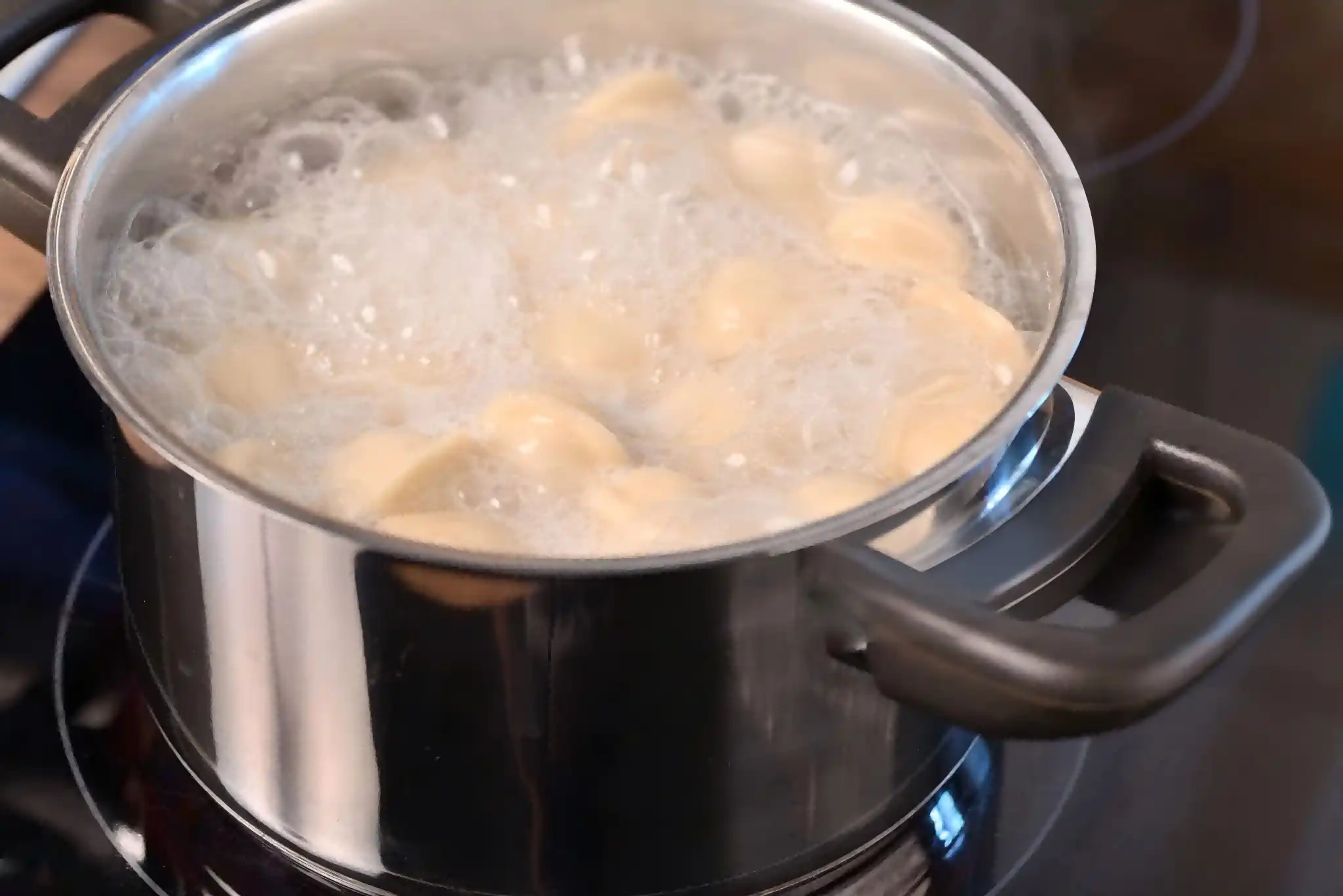
Dumplings are cooked by both convection and conduction when they are put right into boiling water. This method works for 6 to 8 minutes with frozen dumplings, and marks that float on top show when they are done. Because the water is rough, the wrappers need to be built to last. Industry norms say that breaking rates during long cooking must be less than 1% (Liu & Zhang, 2019). Some spices on the outside might wash off when the wrappers are boiled, and the fillings might lose some of their taste due to osmotic exchange.
Operational Considerations for Commercial Kitchens
It's not the same for each method to buy equipment. For steaming, you need specialised steamers or steam-injection ovens with precise humidity controls. This means that the initial costs are higher, but batch processing is easier. To boil, you only need big stock pots and good air systems. This makes it easy for businesses on a tight budget to use. Energy use is also different. Keeping the water at a rolling boil uses 15–20% more energy per kilogram than steaming. This is an important point for institutional buyers who need to keep an eye on operational costs.
Comparative Analysis: Steamed vs Boiled Pork and Pickled Chinese Cabbage Dumplings
Comparing the tastes of foods cooked in different ways using your senses makes it clear that they are not the same. Since they don't lose much water while cooking, steamed dumplings have strong pork flavours and a tangy taste from the pickled cabbage. It stays chewy and a little stretchy, so when you bite into it, it doesn't tear. Boiled forms have softer, more unified flavours because the wrapper and filling tastes blend together. This is good for people who like only a little spice. The softer wrapper makes the food feel like comfort food, but people who want more substance may not get as much from it.
Nutritional Retention Analysis
Scientists have found that steaming keeps about 12–18% more vitamin C and thiamin than boiling. This is because when you boil, nutrients that dissolve in water move into the cooking liquid. Even if you cook or boil pickled cabbage, it still has a lot of the same health benefits, and the same holds true for Chinese cabbage, whether fresh or fermented. But steaming may help keep more healthy germs because it puts less stress on the food. It has the same amount of protein and fat no matter how it's cooked, so there's no wrong way to plan a menu.
Quality Control in Industrial Settings
Firms that make quick-frozen dumplings need to make sure that their products can be used for both ways of making them. Every day, Zhulaoda's high-tech production lines can make 100 tonnes of goods. Single Quick Freezing (IQF) technology is used to freeze food into tiny ice crystals that protect the cells while it's kept at -18°C.
When the wrapper is boiled for a long time, batch testing makes sure it won't burst. Steam entry rates make sure the food is cooked all the way through without absorbing too much water. These quality control steps, which are approved by HACCP and follow GB 19295, make sure that the products always work the same way in a range of foodservice settings.
Equipment Efficiency and Throughput
You can steam multi-tiered setups that can be stacked, which is the best way to use vertical space in small industrial kitchens. For 30 minutes, automated steam cabinets can keep food at serving temperature without losing any of its quality. This makes them useful for serving food in a cafeteria-style setting. Boiling has to be done in groups, one after the other, and each group has its own places to cool down and drain. Though it takes up more floor space, it's easier for kitchen staff to learn. People in charge of buying things should check to see if a seller can do both types of production tests to see if the supplier is flexible.
Market Insights and Procurement Recommendations
People in North America want real Asian food and quick and easy meals, so the market for frozen dumplings has grown by 8–12% every year. Dumplings are becoming more and more popular as main meals or appetisers in restaurants because they can be cooked in many different ways. With labels that tell you the best way to cook, you can make restaurant-quality meals at home. This is what people who buy things in stores look for in clear packing.
Sourcing Criteria for B2B Buyers
When people who buy things look at providers, they should look at a number of compliance factors. Check to see if they have the right permits to make food, such as an approval number SC11137139600148. This will show that they are following the rules. Foods that have been fermented are carefully checked, so ask for nitrite residue test results that are specific to pickled veggie parts.
Look at the different ways that things are packed. For schools and hospitals, foodservice forms that hold 2.5 kg work well, while 450g retail packs work better for stores. Pork and cabbage filling is one example of a product that benefits from these packaging choices. For a 12-month shelf life, it's important to know about the cold chain processes, especially how they can keep the temperature at -18°C during transport.
Customization and Supply Chain Flexibility
If a company makes good products, they can change the recipes to suit local tastes or dietary needs. Some buyers want versions with less salt or different amounts of protein. The smart shuttle rack system at Zhulaoda can hold more than 8,000 tonnes of goods. This helps them quickly fill orders during busy times like the winter holidays or Chinese New Year. There is peace of mind for chain restaurants that need to keep the same amount of stock in more than one location thanks to this warehouse space.
Preparing and Storing Dumplings for Optimal Quality
How happy customers are with the end result depends a lot on the rules that business cooks follow. A lot of dumplings should be steamed at once, but they should be 1 inch apart so that steam can flow. Food won't stick if you put cabbage leaves or parchment paper on the bottom of steamer trays instead of oils, which change the taste. To keep the food safe, make sure the temperature inside reaches at least 74°C. But be careful not to cook them too much, because that makes the wrap tough.
Boiling Best Practices for Consistent Results
Add frozen foods slowly while adding a lot of water—at least 4 litres for every kilogram of dumplings. Add the dumplings one at a time and stir them gently for the first minute so they don't stick together. If the dumplings were made properly, the floating sign will work consistently. However, checking the temperature inside is an extra safety measure. When you drain well with open tools, the extra water can drain away before you plate or store the food.
Storage and Reheating Protocols
At -18°C, packages that haven't been opened stay fresh for 12 months. However, once they've been warmed up, you should eat them within 24 hours and not freeze them again. As long as they are sealed, cooked dumplings can stay fresh in the fridge for three days.
If you want to keep the steam in steamed dumplings while you reheat them, cover them with damp paper towels. To warm up boiled dumplings, they work best in broth that is just starting to boil. These rules about how to handle food help food service workers follow food safety rules and cut down on waste, which are both very important for institutional buyers who run large meal programs.
Conclusion
Both steaming and cooking dumplings the right way will make them taste great, but each method works better in some situations and tastes better in others. Some foods get chewier, taste stronger, and keep more of their nutrients when they are steamed. This makes it great for fancy places and menus that focus on healthy foods, and Pork and Pickled Chinese cabbage dumplings are a perfect example—their robust filling and tangy crunch benefit beautifully from steaming, which preserves their distinct texture and flavor. When you boil traditional comfort foods, the wraps get softer and the food tastes better.
This means that businesses can save money by using less equipment. Procurement managers should think about the service models, equipment capabilities, and customer expectations they want to meet when they choose suppliers and give cooking tips. Good makers make goods that can be cooked in a number of different ways. Because of this, businesses can run in a way that suits a lot of different situations.
FAQ
Which cooking method best preserves authentic dumpling flavor?
When you boil water over pickled cabbage, the spices and flavour compounds on the surface can be lost. But when you steam it, the cabbage's unique sour notes stay better. The concentrated taste that comes from steaming is a lot like how food is usually made in northeastern China. This makes it a better choice for places that serve real food from the area.
Can frozen dumplings go directly from freezer to cooking?
Yes, good frozen dumplings are made to be cooked right away, without having to thaw first. It's more likely that the wrapper will break when it thaws, and it also helps bacteria grow. Dumplings that are frozen can be put right into hot water or steamers that are already hot. Most of the time, cooking times are written on the package and are between 6 and 8 minutes for boiling and 10 to 12 minutes for steaming.
What causes dumplings to burst during cooking?
When the filled wetness disappears, the wrapper generally breaks because there is too much pressure inside, the seams are weak because of flaws in the manufacturing process, or the temperature changes quickly because there isn't enough water. Zhulaoda and other well-known brands test their products for burst rates to make sure that less than 1% of them fail when cooked normally. This is up to the high standards set by the business world.
Partner with Zhulaoda for Premium Dumpling Solutions
Since 2001, Shandong Zhu Laoda Food Co., Ltd. has been making tasty frozen dumplings. Their factories are the most up-to-date in the northern Jiangsu and southern Shandong. There are strict rules about the quality of our Canadian wheat flour, premium cold pork, IQF freezing, and ISO9001-certified methods for making our Pork and Pickled Chinese cabbage dumplings.
As a dependable supplier of Pork and Pickled Chinese cabbage dumplings, we offer a range of flexible packaging sizes, from 450g for retail to 2.5 kg for food service, to fit a number of different routes of delivery. With our modern cold storage, we can be sure we have enough goods even when we're busy. Email our export team at sdzldsp@163.com to get samples of our products, talk about bulk prices, or find out about ways to make your own formulas. There is a lot of information about certifications and products at zhulaodadumpling.com.
References
1. Kim, M., Han, J., & Kim, Y. (2016). Microbial and chemical analysis of fermented Chinese cabbage (kimchi). Journal of Food Science, 81(5), M1230-M1237.
2. Liu, H., & Zhang, Q. (2019). Quality control standards for frozen wheat-based products in commercial foodservice. Food Quality and Safety, 3(2), 89-96.
3. Market Research Future. (2021). Frozen Dumplings Market Research Report – Global Forecast to 2027.
4. Zhao, L., Wang, S., & Chen, F. (2020). Comparative analysis of nutrient retention in steamed versus boiled dumplings. International Journal of Food Sciences and Nutrition, 71(3), 312-320.
5. National Health Commission of China. (2018). GB 19295-2011 National Food Safety Standard for Quick-frozen Wheat Flour and Rice Products.
6. SB/T 10412-2007. (2007). Frozen Dumplings Industry Standard. Ministry of Commerce of the People's Republic of China.
Learn about our latest products and discounts through SMS or email