- English
- French
- German
- Portuguese
- Spanish
- Russian
- Japanese
- Korean
- Arabic
- Greek
- German
- Turkish
- Italian
- Danish
- Romanian
- Indonesian
- Czech
- Afrikaans
- Swedish
- Polish
- Basque
- Catalan
- Esperanto
- Hindi
- Lao
- Albanian
- Amharic
- Armenian
- Azerbaijani
- Belarusian
- Bengali
- Bosnian
- Bulgarian
- Cebuano
- Chichewa
- Corsican
- Croatian
- Dutch
- Estonian
- Filipino
- Finnish
- Frisian
- Galician
- Georgian
- Gujarati
- Haitian
- Hausa
- Hawaiian
- Hebrew
- Hmong
- Hungarian
- Icelandic
- Igbo
- Javanese
- Kannada
- Kazakh
- Khmer
- Kurdish
- Kyrgyz
- Latin
- Latvian
- Lithuanian
- Luxembou..
- Macedonian
- Malagasy
- Malay
- Malayalam
- Maltese
- Maori
- Marathi
- Mongolian
- Burmese
- Nepali
- Norwegian
- Pashto
- Persian
- Punjabi
- Serbian
- Sesotho
- Sinhala
- Slovak
- Slovenian
- Somali
- Samoan
- Scots Gaelic
- Shona
- Sindhi
- Sundanese
- Swahili
- Tajik
- Tamil
- Telugu
- Thai
- Ukrainian
- Urdu
- Uzbek
- Vietnamese
- Welsh
- Xhosa
- Yiddish
- Yoruba
- Zulu
Tangyuan Sesame Market Guide: Pricing, Storage, and Demand Trends
If you are a distributor, foodservice buyer, or procurement manager sourcing frozen Asian desserts, this guide is written for you. Sesame tangyuan — glutinous rice balls filled with aromatic black and white sesame paste — have moved well beyond niche cultural foods. They now hold a steady place in cold chain retail, hot pot restaurant dessert menus, and Asian grocery supply chains across the United States and beyond. This guide walks through market structure, pricing variables, proper cold storage protocols, and where demand is heading, so you can make faster, better-informed wholesale decisions around tangyuan sesame procurement.
Understanding the Tangyuan Sesame Market Landscape
Over the past ten years, the frozen glutinous rice ball category has steadily grown. This is due to both the buying habits of Asian Americans living outside of Asia and a general interest in Asian street food. Tangyuan sesame, which can be eaten all year, is at the heart of this growth.
Seasonal Demand Peaks
Around the Winter Solstice (Dongzhi) and the Lantern Festival, when cultural traditions drive buying in homes and restaurants, sales go up sharply. Hot pot chains, in particular, offer sesame-filled sweet dumplings for free as desserts during these times. People who buy things but don't secure supplies 6–8 weeks ahead of time often run out.
Product Format Diversity
In today's business-to-business market, formats range from standard frozen retail packs to bulk foodservice cases. For example, Zhulaoda's sesame tangyuan is available in 450g, 1kg, and 2.5kg customizable packaging, so it can be used on supermarket shelves, in restaurants behind the scenes, and for institutional catering without needing different SKUs from different suppliers.
Evolving Consumer Expectations
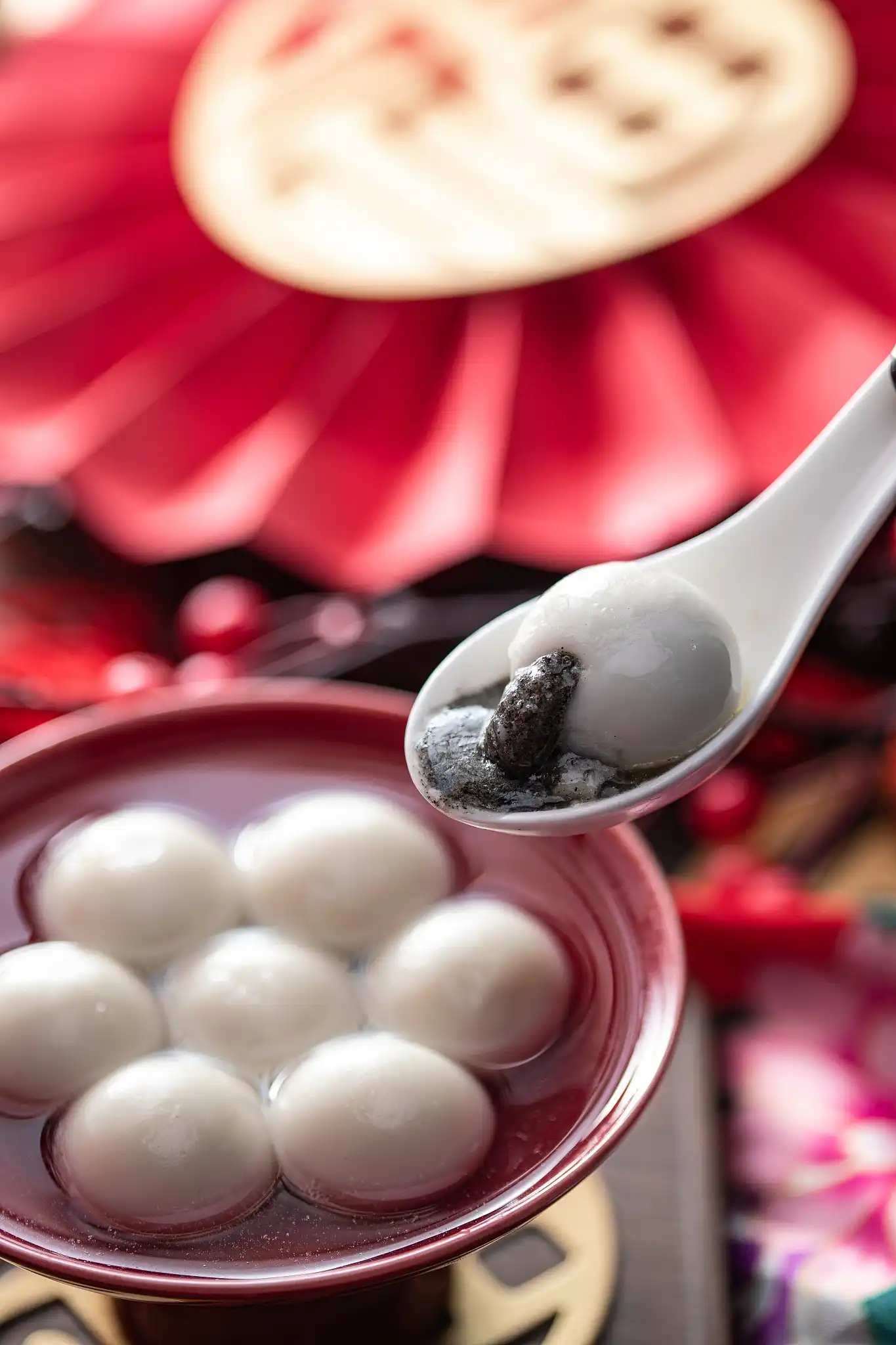
End consumers read ingredient labels more and more and expect clean, easy-to-recognize ingredients. Sesame tangyuan from Zhulaoda is made with peanuts, white and black sesame seeds, glutinous rice flour, vegetable oil, and food-grade emulsifiers. It does not have any added flavors. This clear information about the ingredients helps stores sell more and get customers to buy again.
Pricing Dynamics and Factors Affecting Cost
There is no set price for frozen sesame rice balls. During a sourcing cycle, prices can go up or down depending on a number of factors. Knowing these factors helps sellers negotiate better terms and predict when margin pressure will happen.
Raw Material Inputs
The prices of black sesame seeds change with the harvest seasons, especially in China's main producing areas. The costs of white sesame and peanuts are extra. Milling higher-grade sesame paste to 80–100 mesh fineness makes it smoother and better at releasing aromas, but it costs more to make than finer versions. This grinding specification has a direct effect on how good the filling is thought to be.
Packaging and Format Premiums
Bulk 2.5 kg restaurant packs are cheaper per unit than retail-ready 450g boxes, but they need cold chain packing that keeps the balls from bumping into each other while they're being shipped. Adding modified starches and emulsifiers, like the guar gum, xanthan gum, and sodium tripolyphosphate in Zhulaoda's recipe, doesn't cost much more but is necessary to keep the skin flexible during freeze-thaw cycles. Tangyuan sesame fillings benefit most from this, since a brittle skin cracks and leaks paste before the product ever reaches the kitchen.
Wholesale Volume and Payment Terms
Buyers who order full pallets always get better per-case prices than buyers who place mixed or partial orders. How you pay, how much you have to order, and any agreements for regional exclusivity all affect the final landed cost. Setting up a yearly volume deal with a single manufacturer can help keep prices from going up during certain times of the year and give procurement teams more control over their budgets.
Best Practices for Storing and Handling Tangyuan Sesame Products
During storage, the quality of an object can go up or down. If the cold chain is broken at any point, frozen sesame tangyuan that leaves the factory in perfect condition could arrive cracked, cloudy when cooked, or smelling and tasting rancid.
Temperature Control Requirements
Sesame tangyuan from Zhulaoda should be kept at or below -18°C all the time. If kept in the right way, it can last for 12 months. Any change in temperature above -5°C, even for a short time, causes the glutinous rice skin and the lipid-based sesame filling to expand differently. This creates micro-fractures that get worse with each additional thermal cycle. The industry's quality standards say that the product must be stable during 3–5 cycles of freeze-thaw, and the skin cracking failure rate must be less than 1%.
Cold Chain Logistics for B2B Buyers
For distributors who move goods between stops in different regions, standard safety measures include keeping temperature logs on the trailer and putting pallets away from doorways. Zhulaoda runs a cold storage warehouse with an intelligent shuttle rack system that can hold more than 8,000 tons of frozen goods. This system keeps the temperatures stable during peak shipping times even when the warehouse is very busy.
Quality Inspection on Receipt
When the buyer gets the package, they should look for obvious cracks, freezer burn marks, and strange lumps inside. By boiling 5–6 pieces for 8 minutes, you can easily check if the soup is clear. If you can see cloudiness, that means filling is leaking, which means the skin's integrity was weakened during transport. The product code for Zhulaoda's sesame tangyuan is SB/T 10412, and the license number for making food is SC11137139600148.
Current Demand Trends and Market Opportunities
In the past few years, there have been big changes in how frozen sesame sweet dumplings are bought in restaurants and stores. For making purchases, it's helpful to keep an eye on a few different trend lines.
Hot Pot and Dessert Chain Growth
There are now more desserts at hot pot restaurants across the United States. Sesame tangyuan has become a cheap and satisfying way to end a meal, and it's often served for free. This channel cares about stable pricing, consistent quality (the product should float within 3–4 minutes of boiling and keep its shape at a rolling boil), and a steady supply during busy dining times. Sweet dumplings like these work as a low-cost add-on that lifts perceived value without adding kitchen labour.
Asian Grocery and Retail Expansion
In big cities, grocery stores have added more frozen Asian foods to their regular sections. Products that have clear English labels, lists of ingredients that are easy to understand, and a range of packaging sizes sell more quickly. The 450g size works well for this type of store, while the 1kg and 2.5kg sizes are better for bulk buyers and club-format shops.
OEM and Private Label Interest
More and more regional wholesalers want private label tangyuan programs, in which the product is made to their exact specifications and sold under their own name. Zhulaoda can make a lot of things—three automatic lines can produce up to 100 tons of goods every day—so they can work with OEMs on large orders that most local makers can't handle. This is a real way for sellers who want to build their own product lines to grow.
Choosing the Right Sesame Tangyuan Supplier
Supplier selection for a category like frozen sesame glutinous rice balls goes beyond comparing price lists. The right manufacturing partner protects your margins, your reputation, and your supply continuity.
Production Capacity and Facility Standards
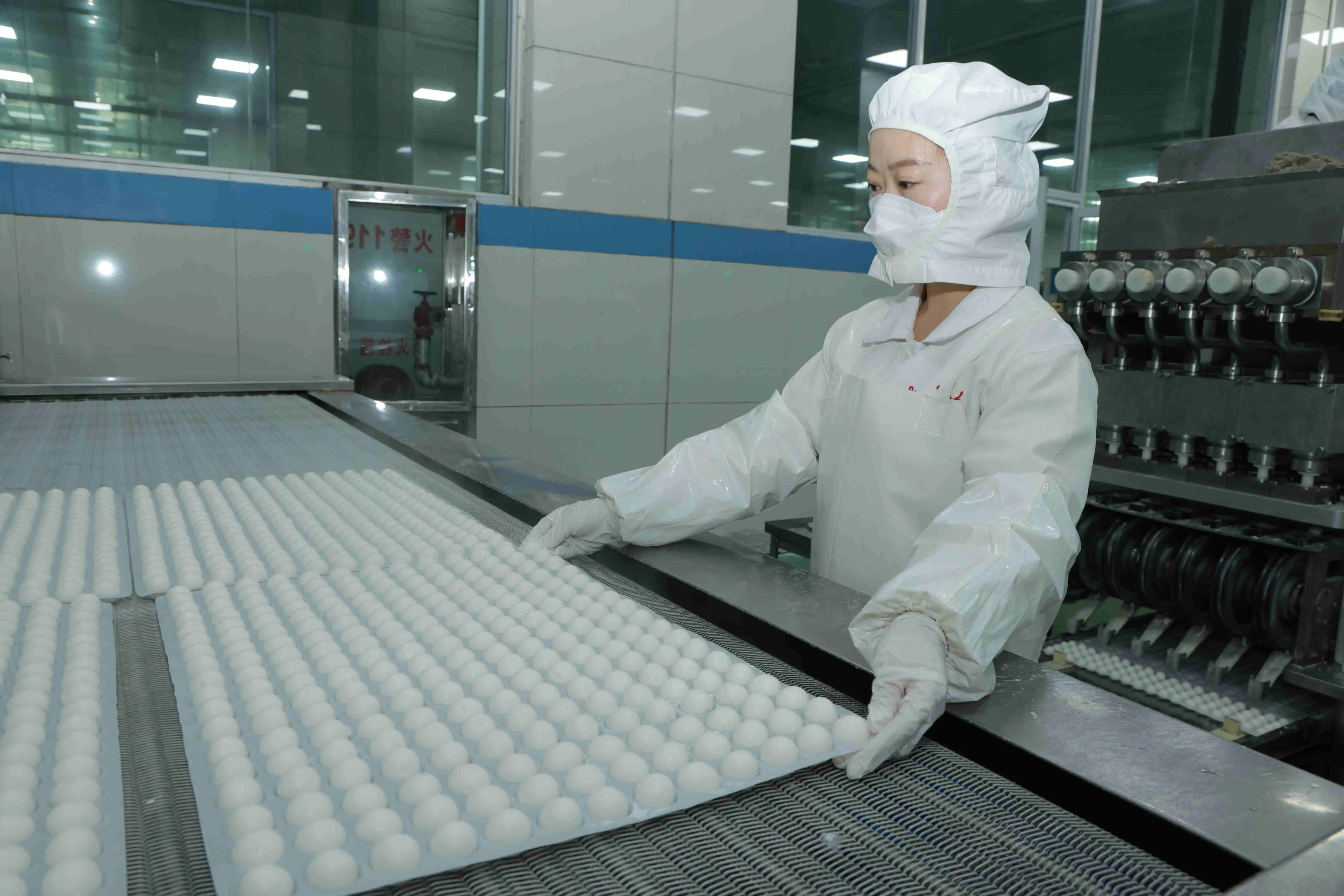
Zhulaoda was established in 2001 and operates as a modern standardized frozen food enterprise in southern Shandong — the largest frozen food processing base in the southern Shandong and northern Jiangsu region by facility scale. The production workshop uses advanced fresh air and sterilization systems, meeting hygiene standards required for food export and domestic food safety certification.
Ingredient Sourcing Transparency
Zhulaoda sources flour from premium wheat growing regions and applies strict incoming inspection protocols covering pesticide residue, microbial safety, and physical-chemical indicators. For sesame tangyuan specifically, lipid oxidation indicators (Peroxide Value at or below 0.25g/100g) and Salmonella and Staphylococcus aureus testing are part of the quality control routine — because the sesame filling's high unsaturated fat content makes rancidity risk real if raw materials are not vetted properly.
Multi-Format Flexibility
A supplier worth partnering with long-term should offer packaging flexibility without requiring prohibitively high MOQs for format changes. Zhulaoda's 450g, 1kg, and 2.5kg options — all customizable — reflect this practical approach to serving diverse channel needs within a single product line.
Conclusion
Distributors and food service businesses that are ready to put money into building the right supplier relationship can get steady quantities of sesame tangyuan all year long. You can set prices that are reasonable if you know how much the raw materials and packaging cost. For quality preservation, proper cold chain storage at -18°C or below is a must. Demand keeps going up in OEM, Asian stores, and hot pot restaurants. When you choose a manufacturer like Zhulaoda, which has been making things for more than 20 years, has real scale, and has verified certifications, you get rid of the supply uncertainty that hurts margins in this competitive category. Tangyuan sesame demand in particular rewards buyers who lock in supply early.
FAQ
Can sesame tangyuan be cooked directly from frozen?
Yes. These foods are made to be cooked straight from the freezer. When you thaw sticky rice dough before cooking it, it softens unevenly, which makes the skin fall apart and stick. Put them into boiling water right away and cook for 6 to 8 minutes, until they float.
What allergens are present in sesame tangyuan?
Zhulaoda's sesame tangyuan has peanuts and sesame seeds in it. When buyers are looking for food for places that need to eat without allergens, they should make this clear on menus and packages.
How do I verify if a batch has been cold chain compromised?
Heading 3:018: Look for top cracks or frost clusters, and then do a boil test. If the soup is clear after 8–10 minutes of cooking, the seal is still good.
What is the shelf life under correct storage?
12 months if stored continuously at or below -18°C. Cloudy water means that the filling is leaking because the skin has broken down from being exposed to high temperatures. Partially melting and refreezing drastically reduces the useful shelf life and raises the risk of breaking.
Partner with Zhulaoda for Your Tangyuan Sesame Supply
Finding a reliable tangyuan sesame supplier isn't just about getting the best deal. It's also about finding a manufacturer that can grow with your business in terms of production volume, quality control, and packaging options. Since 2001, Zhulaoda has been supplying the frozen food industry. They have a verified food production license (SC11137139600148) and multi-format bulk options that are designed to fit the needs of distributor workflows. To get information about the product, the minimum order quantity, or an example arrangement, go to zhulaodadumpling.com or email sdzldsp@163.com.
References
1. China National Light Industry Council. Standard for Quick-Frozen Glutinous Rice Balls: SB/T 10412. China Commerce Press, 2007.
2. Grand View Research. Frozen Food Market Size, Share & Trends Analysis Report. Grand View Research, 2023.
3. International Association of Refrigerated Warehouses (IARW). Cold Chain Logistics Best Practices for Frozen Food Distribution. IARW, 2022.
4. Journal of Food Science. Starch Retrogradation and Texture Changes in Glutinous Rice Products During Freeze-Thaw Cycles. Institute of Food Technologists, 2021.
5. Mintel Group Ltd. Asian Frozen Food Trends: Consumer Demand and Ingredient Transparency in North America. Mintel, 2023.
6. USDA Foreign Agricultural Service. China Oilseeds and Products Annual Report: Sesame Seed Production and Trade. USDA, 2023.
Learn about our latest products and discounts through SMS or email