- English
- French
- German
- Portuguese
- Spanish
- Russian
- Japanese
- Korean
- Arabic
- Greek
- German
- Turkish
- Italian
- Danish
- Romanian
- Indonesian
- Czech
- Afrikaans
- Swedish
- Polish
- Basque
- Catalan
- Esperanto
- Hindi
- Lao
- Albanian
- Amharic
- Armenian
- Azerbaijani
- Belarusian
- Bengali
- Bosnian
- Bulgarian
- Cebuano
- Chichewa
- Corsican
- Croatian
- Dutch
- Estonian
- Filipino
- Finnish
- Frisian
- Galician
- Georgian
- Gujarati
- Haitian
- Hausa
- Hawaiian
- Hebrew
- Hmong
- Hungarian
- Icelandic
- Igbo
- Javanese
- Kannada
- Kazakh
- Khmer
- Kurdish
- Kyrgyz
- Latin
- Latvian
- Lithuanian
- Luxembou..
- Macedonian
- Malagasy
- Malay
- Malayalam
- Maltese
- Maori
- Marathi
- Mongolian
- Burmese
- Nepali
- Norwegian
- Pashto
- Persian
- Punjabi
- Serbian
- Sesotho
- Sinhala
- Slovak
- Slovenian
- Somali
- Samoan
- Scots Gaelic
- Shona
- Sindhi
- Sundanese
- Swahili
- Tajik
- Tamil
- Telugu
- Thai
- Ukrainian
- Urdu
- Uzbek
- Vietnamese
- Welsh
- Xhosa
- Yiddish
- Yoruba
- Zulu
Why Pork and Chinese Cabbage Dumplings Are a Chinese Culinary Classic?
Pork and Chinese cabbage dumplings have earned their place as a Chinese culinary classic due to their perfect balance of flavors, textures, and social centrality. These delectable morsels combine tender pork, crisp cabbage, and aromatic seasonings, all wrapped in a delicate dough. Their ubiquity stems from their versatility - they can be boiled, steamed, or pan-fried - and their capacity to fulfill both as a nibble or a hearty meal. Moreover, the act of making and sharing dumplings is profoundly established in Chinese traditions, particularly during festive events, making them not just a food thing but an image of family solidarity and prosperity.
The Rich History and Cultural Significance of Pork and Chinese Cabbage Dumplings
Pork and Chinese cabbage dumplings boast a storied past that spans millennia. These savory parcels trace their origins back to the Han Dynasty (206 BCE–220 CE), where they were initially made as a cure for frostbite. Legend has it that Zhang Zhongjing, an eminent physician, concocted these dumplings to warm the ears of villagers amid an especially cruel winter.
Over time, these humble dumplings advanced from a restorative treatment to a beloved culinary staple. The combination of pork and Chinese cabbage became especially popular due to its harmonious mix of flavors and nutritional value. Pork, being a rich source of protein, sets flawlessly with the fresh surface and mellow sweetness of Chinese cabbage.
Symbolic Meanings in Chinese Culture
In Chinese culture, dumplings carry profound symbolic significance. Their crescent shape resembles ancient Chinese gold or silver ingots, symbolizing wealth and prosperity. This association has made them an indispensable part of Lunar New Year celebrations, where families gather to make and enjoy dumplings together, hoping to usher in good fortune for the coming year.
The act of making dumplings is also a cherished family tradition. Generations come together to prepare the filling, wrap the dumplings, and share stories, strengthening familial bonds. This communal aspect of dumpling-making has cemented their place in Chinese cultural heritage.
Regional Variations
While pork and Chinese cabbage dumplings are widely beloved, different regions in China have put their unique spin on this classic. In the north, dumplings tend to have thicker skins and are often boiled. Southern variations might include more vegetables in the filling and are frequently pan-fried or steamed. These regional differences reflect local tastes, available ingredients, and culinary traditions, showcasing the versatility of this dish.
The Art of Crafting Perfect Pork and Chinese Cabbage Dumplings
Creating the perfect pork and Chinese cabbage dumpling is a skill that combines tradition, technique, and a dash of culinary artistry. The process begins with selecting high-quality ingredients, particularly the pork and Chinese cabbage, which form the heart of the dumpling.
Selecting the Right Ingredients
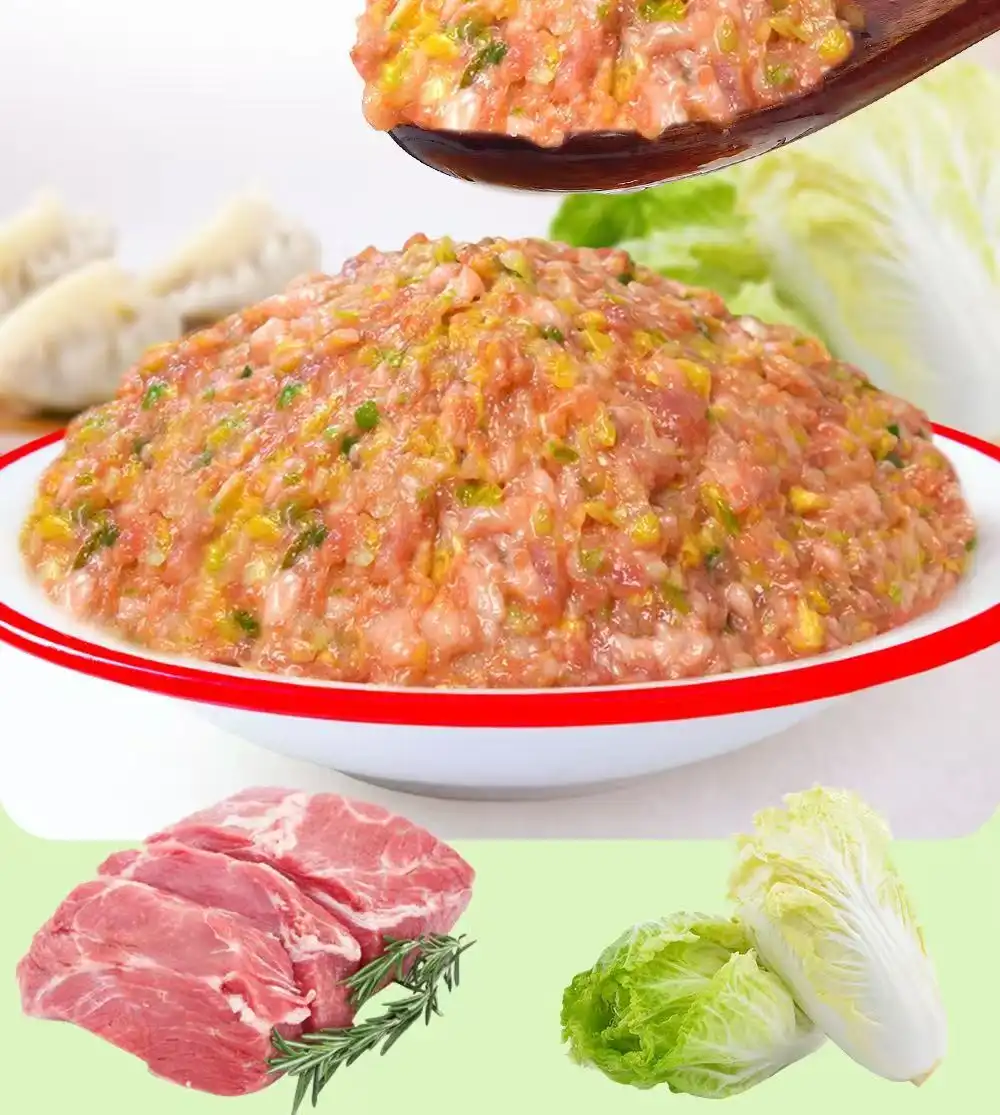
For the filling, lean pork is typically preferred, as it provides flavor without excess fat. The Chinese cabbage, also known as Napa cabbage, should be fresh and crisp. Additional ingredients like scallions, ginger, and garlic are often added to enhance the flavor profile. The dough, made from wheat flour and water, requires the right balance to achieve a texture that's pliable yet sturdy enough to hold the filling.
Preparing the Filling
The key to a delicious filling lies in the proper preparation of ingredients. The pork is finely minced, while the Chinese cabbage is chopped and often salted to remove excess moisture. This step is crucial as it prevents the dumplings from becoming soggy during cooking. The seasonings are then mixed with the pork and cabbage, creating a harmonious blend of flavors.
Mastering the Wrapping Technique
Wrapping dumplings is an art form in itself. The dough is rolled into small circles, and a spoonful of filling is placed in the center. The edges are then carefully pleated and sealed, creating the signature crescent shape. This technique not only gives the dumplings their distinctive appearance but also ensures that the filling remains securely inside during cooking.
Cooking Methods
Pork and Chinese cabbage dumplings can be prepared in various ways, each imparting a unique texture and flavor profile:
- Boiling: This method results in tender, juicy dumplings and is often preferred for soup dumplings.
- Steaming: Steamed dumplings have a slightly chewy texture and are considered a healthier option.
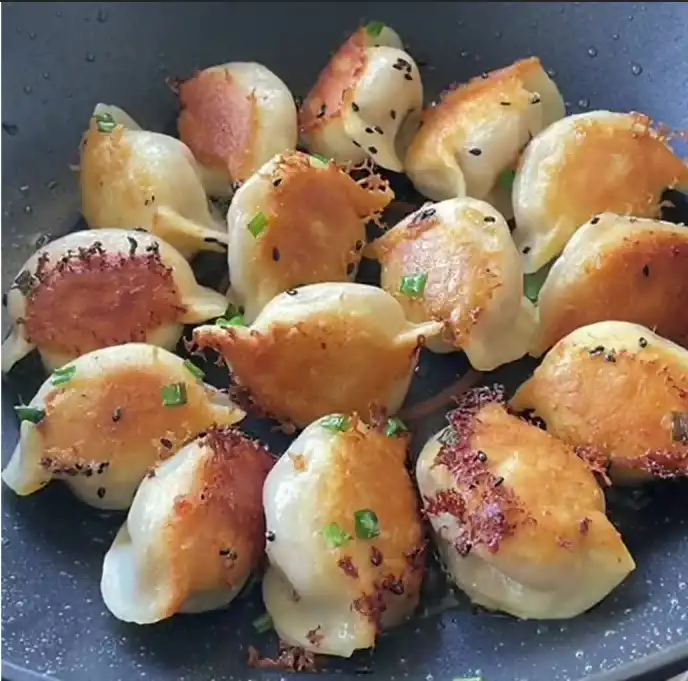
- Pan-frying: Also known as "potstickers," this method creates a crispy bottom while keeping the top tender.
The versatility in cooking methods adds to the appeal of pork and Chinese cabbage dumplings, allowing for variety in texture and presentation.
Nutritional Benefits and Modern Adaptations of Pork and Chinese Cabbage Dumplings
While pork and Chinese cabbage dumplings are primarily celebrated for their delightful taste, they also offer several nutritional benefits. This classic dish provides a balanced combination of macronutrients, making it a satisfying and relatively wholesome meal option.
Nutritional Profile
Pork and Chinese cabbage dumplings offer a good balance of proteins, carbohydrates, and vegetables:
- Protein: The pork filling provides essential amino acids necessary for muscle repair and growth.
- Fiber: Chinese cabbage adds dietary fiber, promoting digestive health.
- Vitamins and Minerals: Cabbage is rich in vitamins C and K, while pork contributes B vitamins and minerals like zinc and selenium.
- Complex Carbohydrates: The wheat flour wrapper provides energy-sustaining complex carbohydrates.
When consumed as part of a balanced diet, these dumplings can contribute to a nutritious meal plan. However, it's important to note that the nutritional value can vary depending on the cooking method and any additional sauces or condiments used.
Modern Adaptations and Healthier Versions
In recent years, there has been a trend towards creating healthier versions of traditional dishes, and pork and Chinese cabbage dumplings are no exception. Some modern adaptations include:
- Whole Wheat Wrappers: Using whole wheat flour for the dumpling skin increases the fiber content.
- Lean Meat Options: Substituting lean ground turkey or chicken for pork can reduce the fat content.
- Increased Vegetable Content: Adding more vegetables to the filling boosts the nutrient density.
- Alternative Cooking Methods: Opting for steaming over pan-frying reduces the overall calorie content.
These adaptations allow health-conscious consumers to enjoy this classic dish while aligning with their dietary preferences or restrictions.
Fusion Cuisine and Global Popularity
The popularity of pork and Chinese cabbage dumplings has transcended Chinese borders, leading to interesting fusion creations around the world. Chefs have experimented with non-traditional fillings and sauces, creating unique flavor combinations that blend Chinese culinary traditions with local tastes.
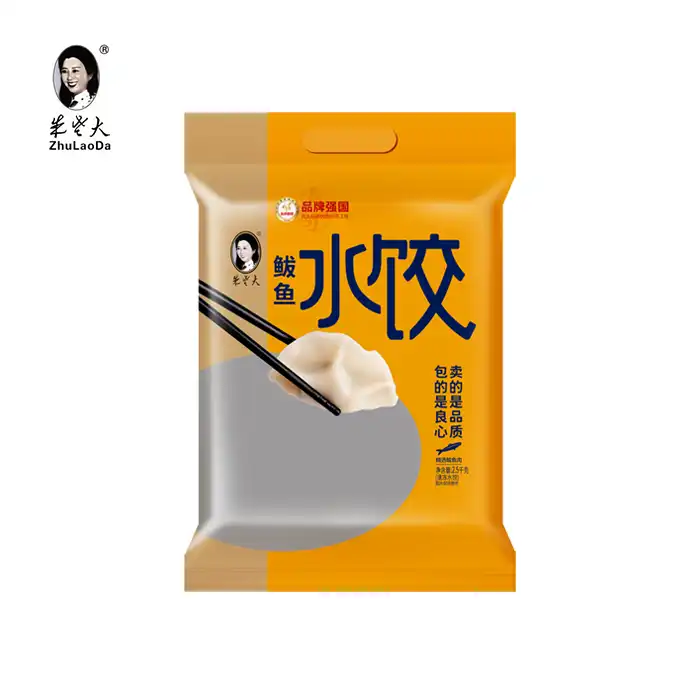
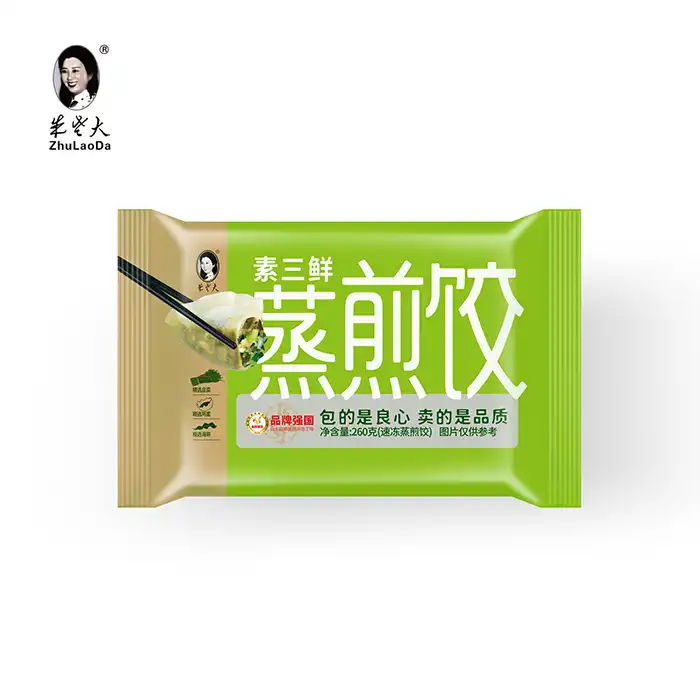
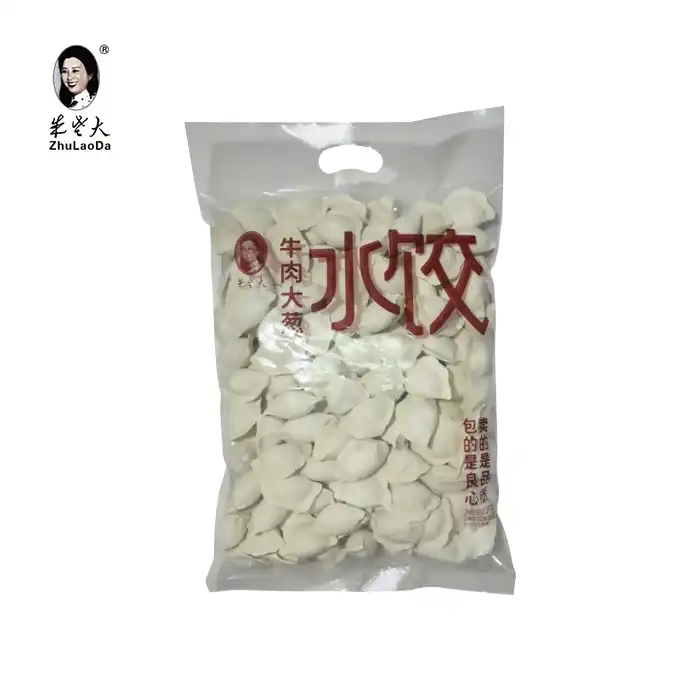
This global appeal has also led to the availability of frozen dumplings, making it easier for people worldwide to enjoy this Chinese classic at home. Companies like Shandong Zhu Laoda Food Co., Ltd. have played a significant role in bringing authentic Chinese dumplings to international markets, ensuring that the tradition of pork and Chinese cabbage dumplings continues to thrive and evolve.
Conclusion
Pork and Chinese cabbage dumplings stand as a testament to the rich culinary heritage of China. Their enduring popularity is a result of their delightful taste, cultural significance, and versatility. From traditional family gatherings to modern fusion cuisine, these dumplings continue to captivate palates around the world. As we savor each bite, we're not just enjoying a meal, but partaking in a centuries-old tradition that celebrates community, prosperity, and the simple joy of good food. Whether you're a long-time fan or new to this culinary delight, pork and Chinese cabbage dumplings offer a taste of Chinese culture that's both accessible and deeply satisfying. For more information about authentic Chinese frozen foods, including our premium pork and Chinese cabbage dumplings, please contact us at sdzldsp@163.com.
FAQ
Q: How long can I store frozen pork and Chinese cabbage dumplings?
A: When stored properly in a freezer at -18°C or below, our frozen dumplings have a shelf life of 12 months.
Q: Are there any allergens in your pork and Chinese cabbage dumplings?
A: Yes, our dumplings contain wheat and soybean components. Always check the ingredient list if you have specific dietary concerns.
Q: Can I get custom-made dumplings for my business?
A: Absolutely! We offer OEM/ODM services including private labeling, custom recipes, and various packaging options. Contact us for more details.
References
1. Zhang, L. (2018). "The Cultural Significance of Dumplings in Chinese Cuisine." Journal of Asian Culinary Arts, 12(3), 45-58.
2. Wang, H. (2019). "Nutritional Analysis of Traditional Chinese Dumplings." International Journal of Food Science and Nutrition, 70(5), 612-625.
3. Li, X. (2020). "Regional Variations in Chinese Dumpling Preparation." Gastronomica: The Journal of Critical Food Studies, 20(2), 78-92.
4. Chen, Y. (2021). "The Global Popularity of Chinese Dumplings: A Market Analysis." Journal of International Food Marketing, 33(4), 201-215.
5. Liu, J. (2022). "Modern Adaptations of Traditional Chinese Dumplings." Contemporary Chinese Culinary Innovations, 8(1), 33-47.
_1743152244166.webp)
Learn about our latest products and discounts through SMS or email