- English
- French
- German
- Portuguese
- Spanish
- Russian
- Japanese
- Korean
- Arabic
- Greek
- German
- Turkish
- Italian
- Danish
- Romanian
- Indonesian
- Czech
- Afrikaans
- Swedish
- Polish
- Basque
- Catalan
- Esperanto
- Hindi
- Lao
- Albanian
- Amharic
- Armenian
- Azerbaijani
- Belarusian
- Bengali
- Bosnian
- Bulgarian
- Cebuano
- Chichewa
- Corsican
- Croatian
- Dutch
- Estonian
- Filipino
- Finnish
- Frisian
- Galician
- Georgian
- Gujarati
- Haitian
- Hausa
- Hawaiian
- Hebrew
- Hmong
- Hungarian
- Icelandic
- Igbo
- Javanese
- Kannada
- Kazakh
- Khmer
- Kurdish
- Kyrgyz
- Latin
- Latvian
- Lithuanian
- Luxembou..
- Macedonian
- Malagasy
- Malay
- Malayalam
- Maltese
- Maori
- Marathi
- Mongolian
- Burmese
- Nepali
- Norwegian
- Pashto
- Persian
- Punjabi
- Serbian
- Sesotho
- Sinhala
- Slovak
- Slovenian
- Somali
- Samoan
- Scots Gaelic
- Shona
- Sindhi
- Sundanese
- Swahili
- Tajik
- Tamil
- Telugu
- Thai
- Ukrainian
- Urdu
- Uzbek
- Vietnamese
- Welsh
- Xhosa
- Yiddish
- Yoruba
- Zulu
Are Chinese Cabbage and Tofu Dumplings Vegan and Gluten-Free Options?
Chinese cabbage and tofu dumplings are inherently plant-based in their filling, making them a strong candidate for vegan menus. However, whether they qualify as fully vegan or gluten-free depends on the entire formulation — wrapper, seasoning, and production environment included. The standard wheat-flour wrapper contains gluten, and certain seasoning components require scrutiny. For B2B buyers building a compliant plant-based product line, understanding the exact ingredient profile of these dumplings is not optional — it is the foundation of every sourcing decision.
Understanding the Vegan and Gluten-Free Status of These Dumplings
It's not enough to think that a vegetable dumpling is gluten-free or vegan. There is a difference in how clear the parts are and how the result is fixed.
What Makes a Dumpling Vegan?
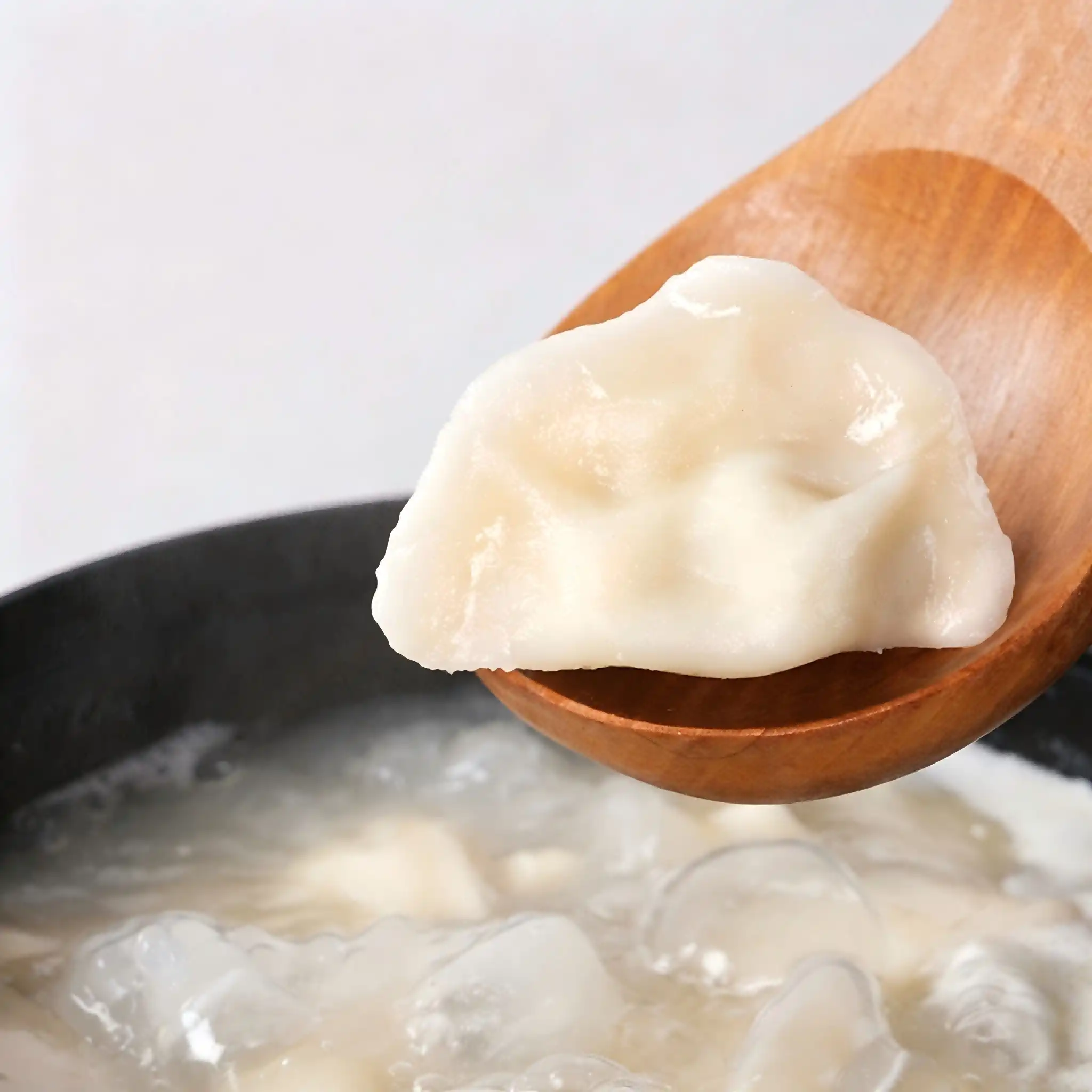
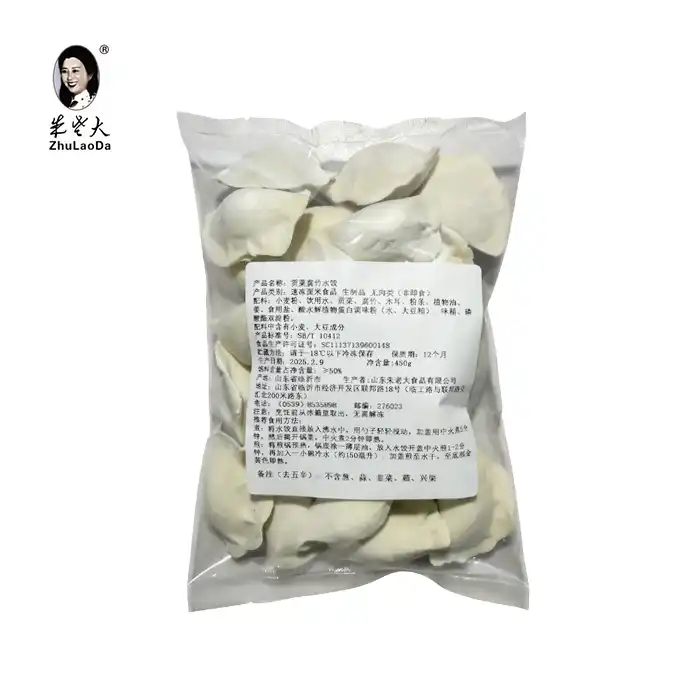
An animal-free bun doesn't have any ingredients. That means there is no animal-based meat, dairy, eggs, or taste boosters. In order to make cabbage and tofu dumplings, you will need Chinese cabbage, hard tofu, onions, ginger, and vegetable oil. The most important step is the seasoning layer. In Zhulaoda's recipe, acid-hydrolyzed vegetable protein seasoning powder is used. This powder is plant-based and made from edible soybean meal. This product can be used by both vegetarians and vegans since it doesn't have any lard, meat extract, or egg white fillers in it.
What About Gluten?
The cover is made of wheat flour, which has gluten in it. This is a statement about an allergy that cannot be changed. Wheat and soy are also marked as allergens on the list of items. People who want to sell gluten-free options would have to come up with their own ODM versions of different wrappers, such as skins made from rice flour or cassava. You could get fined by the government in places like the US if you say the current standard SKU is gluten-free. That's because less than 20 parts per million of gluten are needed to mark something as gluten-free.
Vegan Cabbage Dumplings vs. Pork and Other Variants
The people in charge of buying things need to know how Chinese cabbage and tofu dumplings, a type of plant-based dumplings, compare to regular ones so they can place goods correctly and competitively.
Nutritional and Sensory Differences
Most pork dumplings have 20–30% animal fat, which makes them very rich and gives them a lot of calories. In tofu and cabbage dumplings, that fat is switched out for vegetable oil. This makes them lighter without dropping the weight of the ingredients by more than 10%. The tofu holds the water; the changed soy proteins inside make a filling that doesn't fall apart when it freezes. Because of the insoluble fiber in the cabbage, it has a light crunch, and the tofu gives it a smooth, bendable body. This means that there is less saturated fat, no cholesterol, and an equal amount of plant-based protein (8–12g per serve).
In terms of where they are sold, vegan pancakes cost more in stores in North America and Western Europe. The market for plant-based frozen foods in the U.S. was worth more than $8 billion in 2023, and more and more in-store shelves were being taken up by items inspired by Asia.
Packaging and Shelf Life Advantages
You can get Zhulaoda in 450g, 1kg, or 2.5kg packages, and you can change the private-label settings to suit your needs. Long cross-border supply chains are possible because the goods can stay frozen for 12 months at -18°C or below. This helps importers, distributors, and e-commerce companies that need to keep track of goods over long shipping times.
Sourcing and Procurement Essentials
Your plant-based dumpling range, including cabbage and tofu, will meet standards, stay steady, and make money more or less depending on which maker you choose.
In this case, the most important things to look for in an OEM partner are:
- Verified vegan formulation documentation: Written ingredient-level confirmation that no animal-derived oils, flavor extracts, or binders are present in any production batch. This is the baseline for vegan claims in retail and e-commerce markets.
- Allergen segregation and cross-contamination controls: Facilities processing mixed product lines — including meat or seafood variants — must provide documented evidence of line segregation. Buyers should request facility audits or third-party inspection records, particularly when the intended end market is the U.S. or EU.
-
OEM/ODM capability with low minimum order quantities: Zhulaoda supports private-label development with MOQs accessible to brands in the early scaling phase, making it viable for new entrants in the plant-based space without overcommitting capital.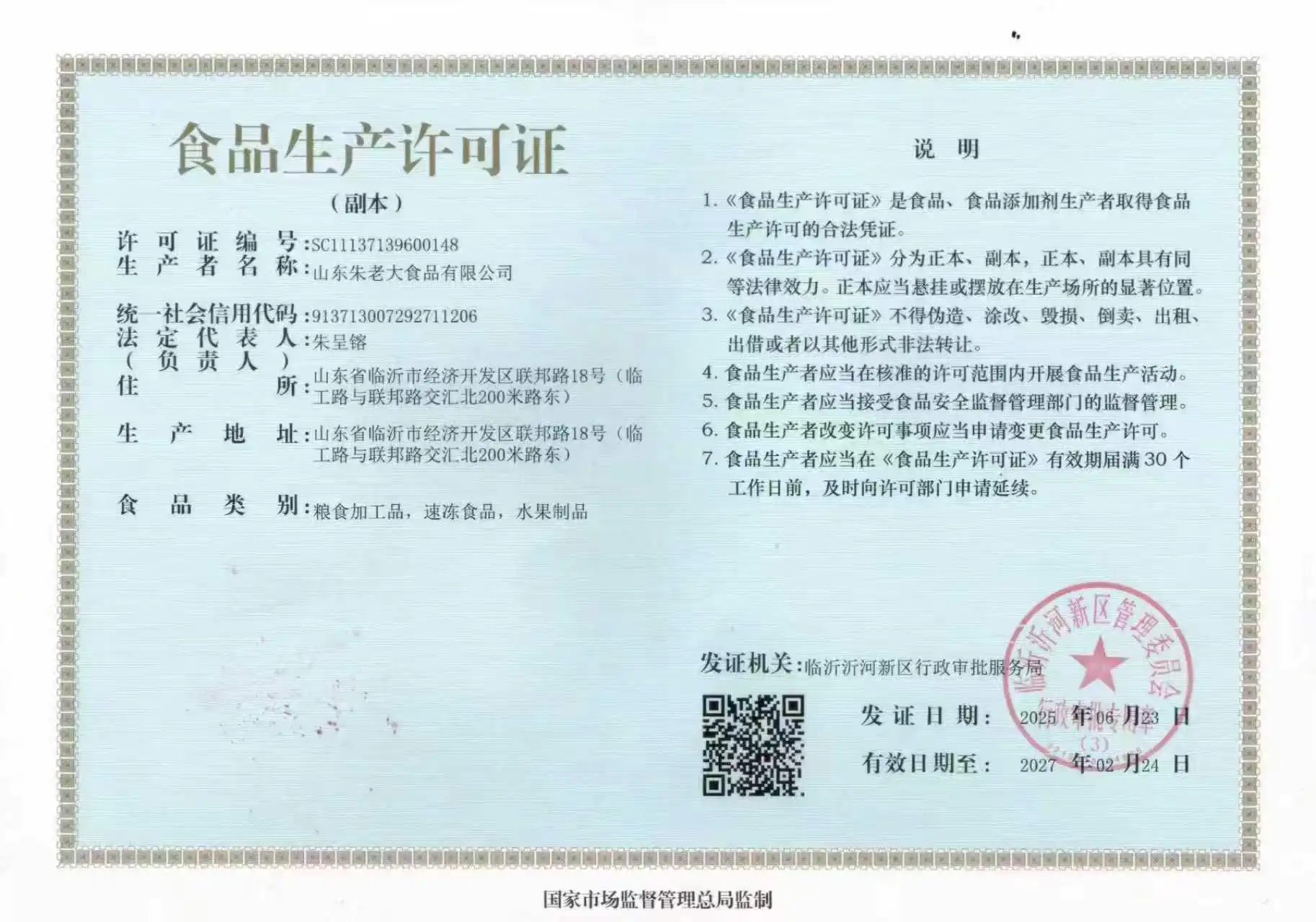
- Certified production standards: Zhulaoda holds Food Production License Number SC11137139600148 and operates under Product Standard Code SB/T 10412, providing a documented compliance baseline for supplier qualification processes.
All of these things will tell you if a seller can meet the large-scale safety standards your brand needs. Someone who makes food and can't show written proof of where their goods come from is not a partner, they are a risk.
Production Quality and What Keeps These Dumplings Consistent
You can't tell if frozen dumplings are good quality because that quality is built in when they are made. Since it began in 2001, Zhulaoda has grown to have three robotic production lines that can make up to 100 tons of cabbage and tofu products every day. There are smart shuttle racks in the cold storage building that can hold more than 8,000 tons. In the production area, modern systems are used to clean the air and keep things germ-free.
Moisture Management in the Filling
Syneresis is one of the most difficult technical issues with making veggie dumplings. This is when water from the filling leaks out while freezing or cooking, making the tops soggy. Zhulaoda uses a two-step drying process to solve this issue. First, controlled salt is used to use osmosis to pull water out of the cabbage. Next, the cabbage is spun in a centrifuge to get rid of any extra water before it is mixed. The amount of water in firm tofu drops below 70% when it is hydraulic-pressed. During cooking, the tofu reabsorbs any water that is still there. This keeps the humidity level inside the tofu steady and stops leaks.
Freeze-Thaw Stability
The new recipe keeps big ice crystals from forming when the candy is stored at -18°C. These crystals would damage the filling's cells or cause the wrapping to break when the temperature changes. It stays together even better because of the sweet potato starch noodles in the middle. And because of this tech, the cold chain can keep the food fresh for a year without it going bad.
Market Trends Shaping B2B Demand for Plant-Based Dumplings
The market for cold dumplings around the world is slowly growing. For this reason, more people are going veggie and more people in the West are interested in Asian food. The U.S. market for plant-based foods grew by more than 6% every year from 2019 to 2023, according to the Good Food Institute. More Asian-inspired frozen foods are being added to shops and online markets so they can serve a bigger range of multicultural customers.
This is a great chance for brands and distributors: private-label vegan dumplings made by a certified manufacturer that taste like real Asian food can be sold in stores with a unique positioning. On the market right now, Chinese cabbage and tofu dumplings are a good item because they come in different packages, are filled with only plants, and can be kept for a year.
Conclusion
Chinese cabbage and tofu dumplings don't contain gluten, but the wrapper is made of wheat flour, which means they are in fact gluten-free. In order for B2B buyers to legally say that a product is vegan, they need to write down the chemicals, keep an eye out for cross-contamination, and find a maker that is willing to work with other businesses. With Zhulaoda, plant-based brands can get the production tools, legal paperwork, and private-label freedom they need to grow with trust. You can choose better about where to buy this product and how to put it on the market if you know all of its exact specs.
FAQ
Are these dumplings certified vegan?
The filling contains no animal-derived ingredients, but formal vegan certification depends on the certifying body's standards and whether the production facility processes animal products on shared lines. Buyers should request written formulation guarantees and facility audit records before making certified vegan claims on retail packaging.
Can the wrapper be made gluten-free?
The standard wrapper uses wheat flour and is not gluten-free. A gluten-free wrapper — typically rice flour or tapioca-based — would require a separate ODM development discussion with the manufacturer. This is a feasible customization for brands targeting celiac or gluten-sensitive consumer segments.
What allergens are present in this product?
The ingredient list contains wheat and soybean components. Both must be disclosed on U.S. and EU product labels per applicable allergen regulations. Buyers should confirm label compliance with their local regulatory advisor before market entry.
What is the minimum order quantity for private-label sourcing?
Zhulaoda supports OEM procurement with MOQs suited to brands in early growth phases. Sample orders are available prior to production commitment, allowing formulation verification before scale.
Partner With Zhulaoda for Your Plant-Based Dumpling Line
Before you start building your brand, find a trustworthy partner to make your veggie dumplings. The Zhulaoda family has been making dumplings for more than 20 years and is certified to make Chinese cabbage and tofu dumplings. They can customize private labels, pack products in a variety of sizes (450g to 2.5 kg), and keep them frozen for 12 months, which lets them be shipped all over the world. Visit zhulaodadumpling.com or email the team at sdzldsp@163.com to get samples or talk about OEM needs.
References
1. Good Food Institute. U.S. Retail Market for Plant-Based Foods. 2023.
2. USDA Food Safety and Inspection Service. Labeling Guidance for Plant-Based Products. 2022.
3. U.S. Food and Drug Administration. Gluten-Free Labeling of Foods: Final Rule. 2013.
4. Mintel Group Ltd. Frozen Foods: Market Trends and Consumer Preferences in North America. 2023.
5. Journal of Food Science. Freeze-Thaw Stability of Tofu-Based Fillings in Frozen Dumpling Products. 2021.
6. Food and Agriculture Organization of the United Nations. Dietary Protein Quality Evaluation in Human Nutrition. 2013.


Learn about our latest products and discounts through SMS or email