- English
- French
- German
- Portuguese
- Spanish
- Russian
- Japanese
- Korean
- Arabic
- Greek
- German
- Turkish
- Italian
- Danish
- Romanian
- Indonesian
- Czech
- Afrikaans
- Swedish
- Polish
- Basque
- Catalan
- Esperanto
- Hindi
- Lao
- Albanian
- Amharic
- Armenian
- Azerbaijani
- Belarusian
- Bengali
- Bosnian
- Bulgarian
- Cebuano
- Chichewa
- Corsican
- Croatian
- Dutch
- Estonian
- Filipino
- Finnish
- Frisian
- Galician
- Georgian
- Gujarati
- Haitian
- Hausa
- Hawaiian
- Hebrew
- Hmong
- Hungarian
- Icelandic
- Igbo
- Javanese
- Kannada
- Kazakh
- Khmer
- Kurdish
- Kyrgyz
- Latin
- Latvian
- Lithuanian
- Luxembou..
- Macedonian
- Malagasy
- Malay
- Malayalam
- Maltese
- Maori
- Marathi
- Mongolian
- Burmese
- Nepali
- Norwegian
- Pashto
- Persian
- Punjabi
- Serbian
- Sesotho
- Sinhala
- Slovak
- Slovenian
- Somali
- Samoan
- Scots Gaelic
- Shona
- Sindhi
- Sundanese
- Swahili
- Tajik
- Tamil
- Telugu
- Thai
- Ukrainian
- Urdu
- Uzbek
- Vietnamese
- Welsh
- Xhosa
- Yiddish
- Yoruba
- Zulu
Chinese Cabbage Tofu Dumplings: Ingredients, Nutrition, and Cost Guide
Chinese cabbage tofu dumplings represent one of the most reliable staples in plant-based frozen food supply chains. Built around a clean, five-ingredient-style filling of tofu, napa cabbage, scallions, ginger, and vegetable oil, these dumplings deliver consistent flavor, stable shelf performance, and broad consumer acceptance. Whether you operate a vegetarian restaurant chain, manage a temple canteen, or distribute frozen foods through retail channels, understanding their ingredient composition, nutritional value, and procurement economics helps you make purchasing decisions that hold up under operational pressure.
Understanding Key Ingredients of Chinese Cabbage Tofu Dumplings
When you make a good tofu and cabbage dumpling, the list of ingredients is meant to be simple. It has ginger, scallions, vegetable oil, edible salt, monosodium glutamate, acid-hydrolyzed vegetable protein seasoning powder (water, edible soybean meal), Chinese cabbage, drinking water, sweet potato starch noodles, and distarch phosphate. There is a specific job that each part does.
Wrapper Composition and Texture Integrity
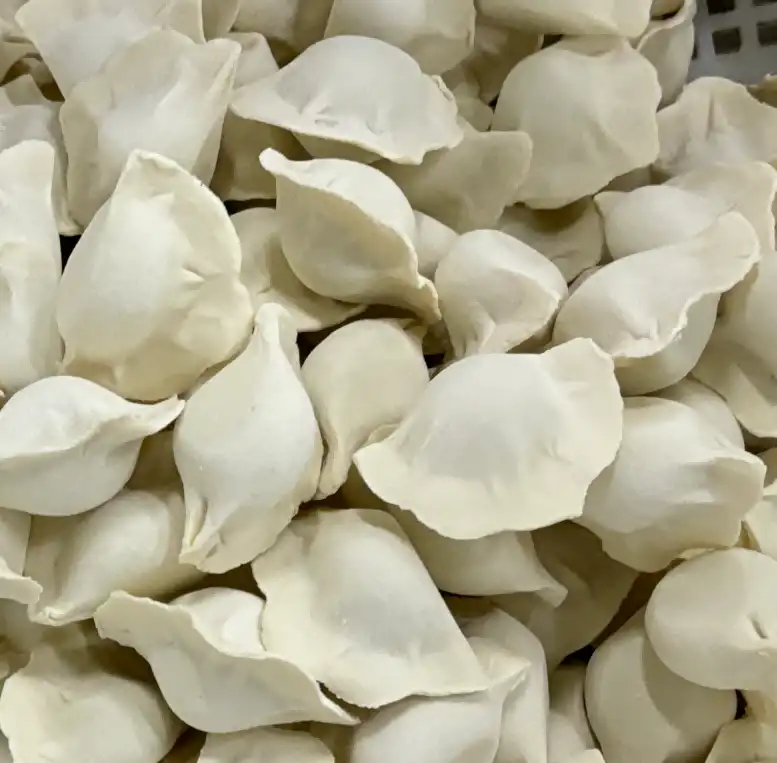
The wheat flour wrapper is strengthened with distarch phosphate, which is a food-grade stabilizer. It stays flexible while boiling and steaming and doesn't crack when the temperature drops. Adding sweet potato starch noodles to the filling controls the amount of moisture by soaking up the extra liquid that the cabbage gives off when it freezes. The two-layer moisture control method keeps the wrapper dry and whole for the whole 12 months that the food is frozen at -18°C or below.
Tofu Selection and Filling Stability
The filling is held together by firm, hydraulically pressed tofu. Its compressed protein structure soaks up any extra water, stops syneresis during freeze-thaw cycles, and holds the filling together without using any protein from animals. When purchasing plant-based dumpling SKUs, purchasing managers should make sure that the tofu has a moisture content below 70%. This is because higher moisture levels make ice crystals form faster and make it harder for the filling to stick together after cooking.
Clean-Label Sourcing Standards
All of the items in this recipe for Chinese cabbage tofu dumplings have allergy statements for soy and wheat. They were made with a Food Production License SC11137139600148 and the SB/T 10412 standard. Because there are no animal fats, dairy, or egg products in the filling, it is easy for veggie food sellers who work in channels that need to follow rules to make sure the ingredients are correct. If a buyer is selling to a strict vegan store or a temple canteen, they should still check with the manufacturer to see if any cross-contact ingredients are used on the production lines.
Nutrition and Health Benefits of Chinese Cabbage Tofu Dumplings
A bigger part of the healthy food market is made up of plant-based pancakes. According to a study published in the journal Nutrients in 2020, soy-based proteins contain all nine essential amino acids and a measurable amount of isoflavones, which is linked to heart health markers in regular consumers. Chinese cabbage has dietary fiber, vitamin C, and glucosinolates, which are substances known to be antioxidants in peer-reviewed food science journals.
Macronutrient Profile for B2B Menu Planning
A normal dose of vegetable tofu dumplings has about 8–12 grams of plant-based protein per 100 grams, and a lot less saturated fat than pork-filled versions. There is no cholesterol in the filling. These qualities match the "clean label" and "low saturated fat" claims that more and more store buyers, hospital food services, and veggie restaurant owners want to see on packages and menus.
Dietary Adaptability and Market Reach
There is no meat, fowl, or shellfish in the mixture by nature. Buyers who follow Buddhist nutritional rules will want to make sure that the product does not contain the five pungent roots. They can do this by directly contacting Zhulaoda, as production recipes can be different for each SKU. The gluten-containing wrapper makes it harder to market to people with celiac disease, but for the large group of vegetarian and vegan customers, this product can be added to the daily menu without any changes.
Cost Analysis and Procurement Guide for Chinese Cabbage Tofu Dumplings
Knowing where costs fall in the supply chain for frozen dumplings helps buyers bargain with confidence and keep their margins in check. Cabbage and tofu dumplings' main cost factors are the quality of the ingredients, the size of the production run, the operations of the cold chain, and the type of packing used.
Here are the most important things that bulk buyers usually look at before placing an order:
- Ingredient origin and grade: Zhulaoda sources high-quality wheat flour from Canadian imports and the Hetao Plain region in China. Direct vegetable procurement from growing origins reduces intermediary markups and supports traceability documentation.
- Production scale advantage: Three automated production lines with a maximum daily output of 100 metric tons allow Zhulaoda to offer competitive unit pricing that small-batch workshops cannot match. The cold storage facility holds over 8,000 tons using an intelligent shuttle rack system, ensuring consistent availability for high-frequency replenishment cycles.
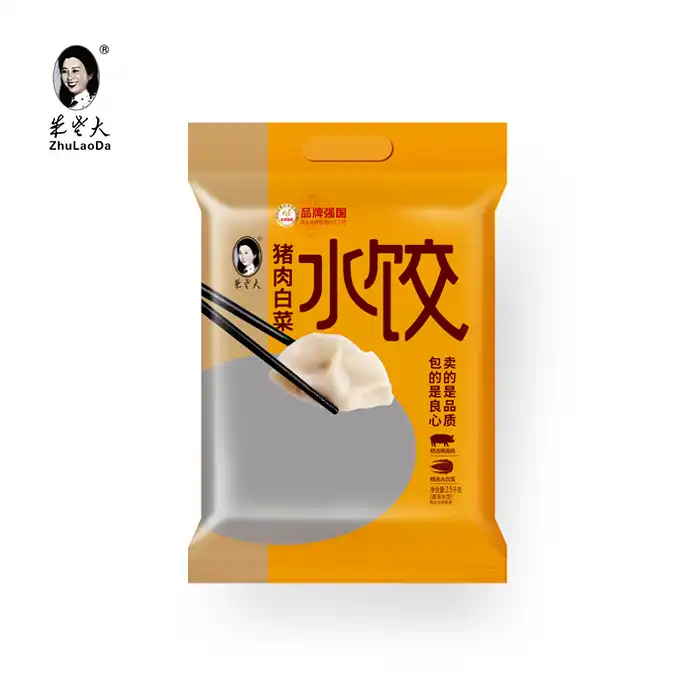
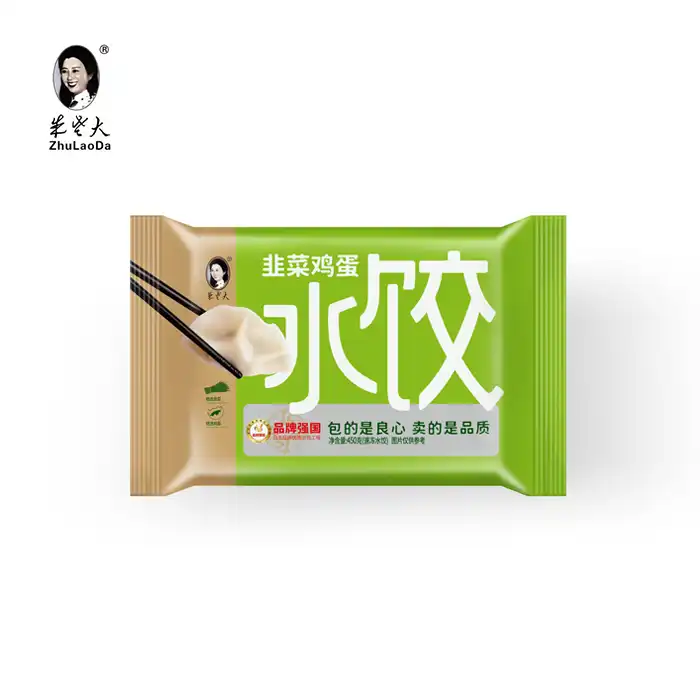
- Packaging flexibility: Available in 450g, 1kg, and 2.5kg formats with customizable options, buyers can align packaging to retail shelf requirements, foodservice bulk needs, or export configurations without incurring excessive retooling costs.
These structural cost benefits have a direct effect on the reliability of buying. Businesses that serve vegetarian food and restock once a week or twice a week can benefit from a supplier whose large warehouses eliminate the risk of running out of stock during times of high demand.
Cooking and Handling Tips for Chinese Cabbage Tofu Dumplings
Getting consistent results when cooking depends on how the product was made and how long it was kept cold. These tofu and cabbage dumplings from Zhulaoda can be boiled, steamed, or fried in a pan.
Boiling and Steaming Parameters
It takes about 8–10 minutes for something to boil from frozen in a full rolling boil. Over medium-high heat, it takes 12 to 15 minutes to steam. When temperature changes happen slowly, both methods keep the wrapper's structure intact. The best texture happens when frozen dumplings are put right into water that is vigorously boiling without letting them thaw first.
Pan-Frying Technique for Foodservice Operations
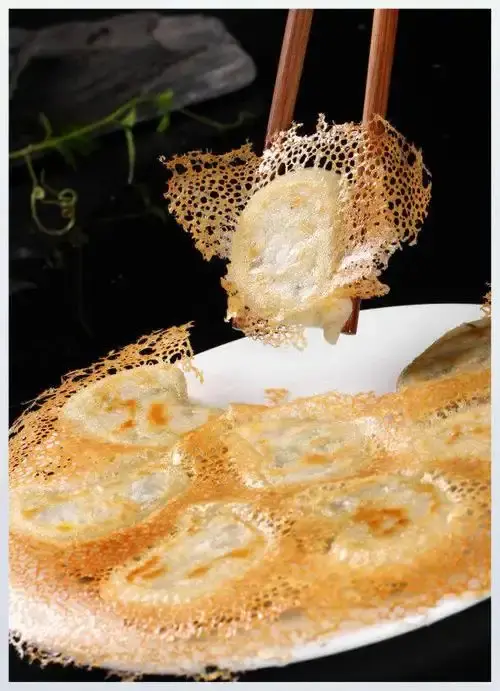
The Maillard reaction in the wheat flour wrapper for cabbage and tofu dumplings makes the base crispy when it's pan-fried. Adding 3–4 tablespoons of water to the pan after the first browning and covering it right away steams the top while the bottom gets crispy. The high amount of amylose in the wrapper formula allows for this two-way cooking without burning or absorbing too much oil.
Cold Chain Storage Protocol
Keep frozen storage at -18°C or below all the time. Changes in temperature above -10°C speed up the recrystallization of ice, which hurts the structure of tofu cells and gives it a rough texture after cooking. If kept in the right settings, it will last for 12 months. Dumplings shouldn't be frozen again after they've been thawed.
Comparing Chinese Cabbage Tofu Dumplings to Other Dumpling Types
When compared to pork, chicken, or shrimp dumplings, vegetable-filled dumplings are different in terms of taste and nutrition. The tofu-cabbage filling profile adds savory umami depth through acid-hydrolyzed vegetable protein seasoning instead of animal fat rendering. This makes it easier to keep the flavor consistent from batch to batch.
When it comes to B2B positioning, this product category does better than meat-based alternatives in three ways: it costs less per gram of protein than shrimp, more vegetarian and vegan customers will eat it, and it's easier to keep cold because it doesn't contain raw meat. In the plant-based frozen food areas of stores, retailers always say that cabbage-tofu types get a lot of repeat purchases because they are used as food staples instead of novelty items.
Conclusion
The best things for veggie food companies are Chinese cabbage tofu dumplings because they have clean ingredients, clear nutrition facts, stable freeze performance, and can be scaled up without spending a lot of money. The recipe made by Zhulaoda under SC11137139600148 and SB/T 10412 meets the basic needs of B2B buyers who serve restaurants, canteens, and retail channels.
With the ability to produce 100 tons per day, smart cold storage, and flexible packaging, procurement logistics can be handled for almost any order volume. If a buyer is looking at plant-based dumpling providers, they should place a trial order before committing to large orders.
FAQ
What allergens are present in these dumplings?
The mixture has parts made of wheat and soybeans. Buyers who have customers who are allergic to wheat or soy should make this clear on menus and retail packaging.
Are these dumplings suitable for strict Buddhist vegetarian diets?
There is no meat, fowl, or dairy in the filling. You should check directly with Zhulaoda to see if the product meets certain Buddhist dietary standards, especially when it comes to the five spicy roots. Formulation details can be different for each SKU.
What is the minimum order quantity for B2B procurement?
There are 450g, 1kg, and 2.5kg packages to choose from. Zhulaoda's sales team can give you information about minimum order numbers and bulk prices.
How should frozen dumplings be managed during distribution?
Keep at or below -18°C during shipping and storage. Temperature changes above -10°C can damage the structure and consistency of the tofu wrapper. If you keep the food in the right way, it will last for 12 months.
Can the packaging or product specifications be customized?
Yes, Zhulaoda has flexible packaging options that can be used for retail, food service, and export. Get in touch with the team to talk about label requirements and order arrangements.
Source Your Next Order of Tofu Cabbage Dumplings with Zhulaoda
Zhulaoda has been a qualified frozen food producer since 2001. They have three automated production lines, cold storage space for 8,000 tons, and certifications that allow them to ship their products. As a reliable Chinese cabbage tofu dumplings supplier, we help vegetarian food businesses by providing a steady supply, quick logistics, and clear product documentation. You can get product details, prices, and examples by going to zhulaodadumpling.com or emailing our buying team at sdzldsp@163.com.
References
1. Nutrients – Messina, M. (2020). Soy and Health Update: Evaluation of the Clinical and Epidemiologic Literature. Nutrients.
2. Journal of Food Science – Feng, T., et al. (2018). Freeze-Thaw Stability of Tofu Protein Gels and Implications for Frozen Food Formulation. Journal of Food Science.
3. Food Chemistry – Cartea, M.E., et al. (2011). Phenolic Compounds in Brassica Vegetables. Food Chemistry.
4. LWT – Food Science and Technology – Li, J., et al. (2019). Moisture Migration and Texture Degradation in Frozen Dumpling Wrappers During Storage. LWT – Food Science and Technology.
5. Comprehensive Reviews in Food Science and Food Safety – Boye, J., et al. (2010). Soy Proteins: Their Health Benefits and Use in Food. Comprehensive Reviews in Food Science and Food Safety.
6. Journal of Agricultural and Food Chemistry – Weng, C.J., & Yen, G.C. (2012). Chemopreventive Effects of Dietary Phytochemicals Against Cancer Invasion and Metastasis. Journal of Agricultural and Food Chemistry.
Learn about our latest products and discounts through SMS or email