- English
- French
- German
- Portuguese
- Spanish
- Russian
- Japanese
- Korean
- Arabic
- Greek
- German
- Turkish
- Italian
- Danish
- Romanian
- Indonesian
- Czech
- Afrikaans
- Swedish
- Polish
- Basque
- Catalan
- Esperanto
- Hindi
- Lao
- Albanian
- Amharic
- Armenian
- Azerbaijani
- Belarusian
- Bengali
- Bosnian
- Bulgarian
- Cebuano
- Chichewa
- Corsican
- Croatian
- Dutch
- Estonian
- Filipino
- Finnish
- Frisian
- Galician
- Georgian
- Gujarati
- Haitian
- Hausa
- Hawaiian
- Hebrew
- Hmong
- Hungarian
- Icelandic
- Igbo
- Javanese
- Kannada
- Kazakh
- Khmer
- Kurdish
- Kyrgyz
- Latin
- Latvian
- Lithuanian
- Luxembou..
- Macedonian
- Malagasy
- Malay
- Malayalam
- Maltese
- Maori
- Marathi
- Mongolian
- Burmese
- Nepali
- Norwegian
- Pashto
- Persian
- Punjabi
- Serbian
- Sesotho
- Sinhala
- Slovak
- Slovenian
- Somali
- Samoan
- Scots Gaelic
- Shona
- Sindhi
- Sundanese
- Swahili
- Tajik
- Tamil
- Telugu
- Thai
- Ukrainian
- Urdu
- Uzbek
- Vietnamese
- Welsh
- Xhosa
- Yiddish
- Yoruba
- Zulu
What Are Pork and Kidney Beans Dumplings? Uses, Benefits for Buyers
Pork and kidney beans dumplings are a classic Northern Chinese frozen dumpling variety combining seasoned ground pork with tender kidney beans inside a thin wheat-flour wrapper. Rooted in the home-cooking traditions of regions like Shandong, Hebei, and the Northeast, this filling delivers a hearty, textured bite that resonates strongly with family-oriented consumers. For wholesale distributors, foodservice operators, and institutional buyers, this product represents a high-repeat-purchase SKU with proven market traction, stable consumer demand, and a straightforward supply chain profile — making it a strategic addition to any frozen food portfolio.
Understanding Pork and Kidney Beans Dumplings
What Goes Into the Filling?
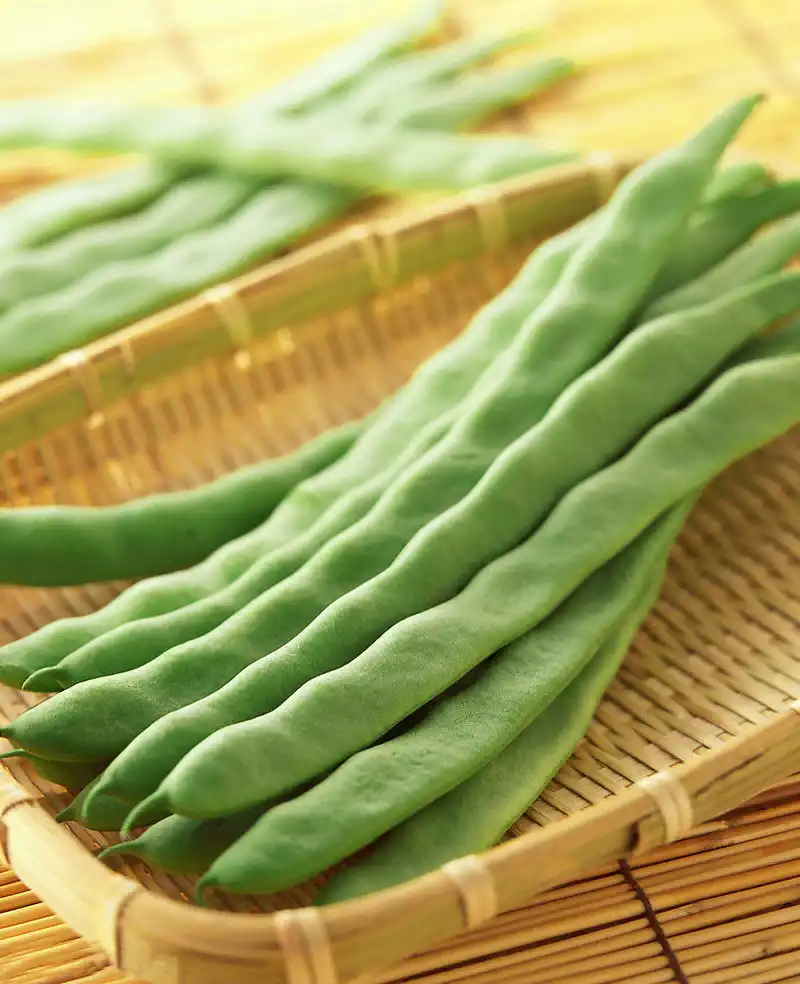
The Zhulaoda version has a carefully balanced list of ingredients, including drinking water, kidney beans, coriander, scallions, ginger, soy sauce, edible salt, monosodium glutamate, and acid-hydrolyzed vegetable protein seasoning powder. Distarch phosphate and flavoring essence are examples of food enhancers.
The ideal pork-to-fat ratio is about 70% lean to 30% fat, which is the standard in the business and gives the meat texture without being greasy. The kidney beans give the dish structure and a natural earthy sweetness that goes well with the pork's richness.
Cultural Heritage and Market Position
In Northern China, this type of dumpling has a lot of traditional meaning. People in the area call the flavor profile "mother's kitchen" because it's familiar, comforting, and always satisfying. That emotional connection directly leads to high-quality sales and low return rates in stores. As the number of frozen dumplings exported around the world rises, this regional favorite is becoming more popular in Asian food stores and stores that cater to Asians in the United States and other countries.
Safety Note on Kidney Beans
Phytohaemagglutinin is a naturally occurring lectin that needs to be fully broken down by heat before it can be eaten. As a Critical Control Point (CCP), Zhulaoda's industrial process requires kidney beans to be blanched before they can be used in the filling of pork and kidney beans dumplings. This completely neutralizes the compound. Following food safety rules, the packaging has clear "cook thoroughly" instructions.
Uses and Applications in Foodservice and Procurement
These dumplings work well in a variety of settings, which is a big plus for buyers who have to deal with a wide range of customers.
Here are the main use cases that drive demand in the business world:
- Retail and agricultural market channels: The 450g family pack is engineered for household purchase cycles at wet markets and BC-tier supermarkets. Its familiar flavor profile drives impulse repeat purchases with minimal promotional investment required.
- Institutional catering and central kitchens: The 2.5kg bulk pack suits cafeterias, university dining halls, and airline catering operations. Kidney bean filling offers superior structural integrity during batch reheating compared to leafy-green fillings, preventing filling collapse under prolonged steam-holding conditions.
- Restaurant and foodservice back-of-house: The 1kg pack bridges portion control and volume efficiency. These dumplings can be boiled (6–8 minutes), steamed (10–12 minutes), or pan-fried to a golden crust — three distinct plate presentations from a single SKU.
These choices for packaging show real practical freedom. If a distributor works with both local stores and school cafeterias, they can get everything they need from a single factory. This makes working with suppliers easier and streamlines transportation.
For dipping, using soy sauce, black vinegar, or chili oil improves the taste in all service forms. This is a presentation detail that buyers of foodservice can tell cooking workers about directly.
Benefits of Pork and Kidney Beans Dumplings for B2B Buyers
When purchasing goods, people look at frozen dumplings mainly on two factors: how healthy they are and how much they cost to run. Both work well with this product.
Nutritional Advantages That Support Consumer Demand
Nutritionists know that kidney beans are a high-fiber, high-protein legume. With lean pork front leg meat for pork and kidney bean fillings, each serving has a good amount of macronutrients without too much fat. This fits with the fact that people are becoming more interested in protein- and fiber-rich convenience foods. The USDA's dietary rules support this trend, and category growth data in frozen Asian food groups backs it up. People who buy things for health-conscious stores will find that this product goes well with "better-for-you" frozen meal sets.
Operational and Economic Value
Preparing food in the kitchen is a lot faster when you use ready-to-cook frozen dumplings. When you don't have to do the filling preparation in-house, you can save a lot of money on labor costs for high-volume operations. A 12-month shelf life at -18°C storage gives buyers more buying options, letting them buy in bulk before busy times. This is especially helpful when demand goes up around Chinese New Year and Winter Solstice, when supply can become tight across the industry.
Zhulaoda's cold storage infrastructure, which has over 8,000 tons of space and an intelligent shuttle rack system, is designed to keep supplies steady during times of high demand. This lowers the biggest operational risk for regional distributors, which is running out of stock at the busiest time of the year for sales.
How to Choose the Right Pork and Kidney Beans Dumplings Supplier
There's more to choosing a frozen dumpling provider than just comparing prices. These factors tell the difference between trusted manufacturing partners and sellers who just sell goods.
Before signing large contracts with providers, buyers should look at them in a number of different ways. A trustworthy manufacturer will show clear sourcing. For example, Zhulaoda, which was founded in March 2001, only buys chilled pork from Jinluo, which is a well-known Chinese meat brand, and brings in wheat flour from Canada and the Hetao Plain in Inner Mongolia, which is in line with national food safety standards. This method of sourcing can be tracked and checked.
Certifications are just as important for pork and kidney bean dumplings. Zhulaoda has certifications in food safety, quality management, and the national quality system (National QS). She also has certifications in food quality and safety (Food Quality and Safety). The Product Standard Code SB/T 10412 and the Food Production License Number SC11137139600148 can be found online and checked.

Logistics capacity makes a business stand out in the real world. Zhulaoda can handle big orders with stable lead times thanks to its three automated production lines that can produce 100 tons of goods every day and its GPS-tracked cold chain distribution. This dependability is a must for wholesalers who care about their downstream image.
OEM and ODM services are more useful for buyers who are building their own brand portfolios. Custom recipes, private-label packaging, and scalable batch production are all options. This lets regional wholesalers create unique SKUs without having to spend money on factory infrastructure.
Conclusion
Pork and kidney beans dumplings hold a steady place in the frozen food market. This is not because they are new or different, but rather because they are reliable. With a manufacturer that has been in business for more than 20 years, a product that has been proven to be popular with customers, flexible packaging options for multiple channels, and food safety credentials that can be checked, this item is a solid addition to any wholesale portfolio. A trusted manufacturing partner is the key to a plan for procurement workers who want to lower the risk of sourcing while keeping product quality high.
FAQ
Are these dumplings gluten-free?
Not at all. The wrapper has wheat flour in it, and the list of ingredients also has things that are made from soy. At the point of sale, buyers who are serving people who are sensitive to gluten or soy should make this clear. As required by food labeling laws, allergen information is written on the package.
What is the correct cooking time to ensure safety?
For boiling, cook for 6 to 8 minutes, or until the dumplings float and stay afloat for 30 seconds more. For steaming, leave the food over actively boiling water for 10 to 12 minutes. When you pan-fry, you need to use medium heat, add a little water, and cover the pan until the bottom turns golden. Kidney beans are pre-blanched during production, which greatly lowers the risk of undercooking. However, full thermal cooking is still the best method.
How should frozen dumplings be stored to preserve quality?
Keep the storage at -18°C or lower all the time. Do not put the food through multiple freeze-thaw processes. This can cause the ice crystals to re-form, which can cause the wrapper to crack. Individual Quick Freezing (IQF) tunnel technology is used by Zhulaoda to lock in texture at the point of production. However, the cold chain must be kept intact from the factory to the end consumer during distribution. Zhulaoda's OEM/ODM program lets you add your own logo, change recipes to fit local tastes, and make different pack sizes. Talk about the details with the team directly.
Can these be ordered under a private label?
Yes. Zhulaoda's OEM/ODM program supports custom branding, regional recipe adaptation, and flexible pack sizes. Contact the team directly to discuss specifications.
Partner With Zhulaoda for Premium Frozen Dumpling Supply
That's exactly what Zhulaoda gives you. With 450g to 2.5kg pack options, OEM services, and an 8,000-ton cold storage network designed for peak-season dependability, Zhulaoda, a certified manufacturer of pork and kidney beans dumplings with ISO 9001, HACCP, and QS credentials, supports distributors, supermarkets, and foodservice operators. Get in touch with us right away to ask for samples or talk about bulk prices. To begin, go to zhulaodadumpling.com or send an email to sdzldsp@163.com.
References
1. USDA Agricultural Research Service. Dietary Guidelines for Americans. 2020.
2. Food and Agriculture Organization of the United Nations. Legumes: Quality Seeds for Improved Livelihoods. 2016.
3. World Health Organization. Food Safety: Naturally Occurring Toxins in Food. 2018.
4. International Institute of Refrigeration. Recommendations for the Processing and Handling of Frozen Foods. 2016.
5. Codex Alimentarius Commission. General Standard for Contaminants and Toxins in Food and Feed (CODEX STAN 193-1995). Revised 2019.
6. China National Standards Committee. Frozen Convenience Food Industry Standards and Quality Control (SB/T 10412). 2007.


Learn about our latest products and discounts through SMS or email