- English
- French
- German
- Portuguese
- Spanish
- Russian
- Japanese
- Korean
- Arabic
- Greek
- German
- Turkish
- Italian
- Danish
- Romanian
- Indonesian
- Czech
- Afrikaans
- Swedish
- Polish
- Basque
- Catalan
- Esperanto
- Hindi
- Lao
- Albanian
- Amharic
- Armenian
- Azerbaijani
- Belarusian
- Bengali
- Bosnian
- Bulgarian
- Cebuano
- Chichewa
- Corsican
- Croatian
- Dutch
- Estonian
- Filipino
- Finnish
- Frisian
- Galician
- Georgian
- Gujarati
- Haitian
- Hausa
- Hawaiian
- Hebrew
- Hmong
- Hungarian
- Icelandic
- Igbo
- Javanese
- Kannada
- Kazakh
- Khmer
- Kurdish
- Kyrgyz
- Latin
- Latvian
- Lithuanian
- Luxembou..
- Macedonian
- Malagasy
- Malay
- Malayalam
- Maltese
- Maori
- Marathi
- Mongolian
- Burmese
- Nepali
- Norwegian
- Pashto
- Persian
- Punjabi
- Serbian
- Sesotho
- Sinhala
- Slovak
- Slovenian
- Somali
- Samoan
- Scots Gaelic
- Shona
- Sindhi
- Sundanese
- Swahili
- Tajik
- Tamil
- Telugu
- Thai
- Ukrainian
- Urdu
- Uzbek
- Vietnamese
- Welsh
- Xhosa
- Yiddish
- Yoruba
- Zulu
Dried preserved vegetable and dried bean curd sticks dumplings: Sustainable eating
The global food scene is moving toward sustainable eating with dried preserved vegetable and dried bean curd sticks dumplings. These plant-based dumplings use ancient preservation methods and current frozen food technologies to provide nutritional, environmentally friendly lunches. International Chinese cuisine importers and Asian supermarket wholesalers in North America use this product to satisfy cultural nostalgia and desire for sustainable, ready-to-cook solutions. These dumplings support business sustainability objectives with a 12-month shelf life at -18°C, minimum transportation refrigeration, and plant-based protein from dried bean curd.
Understanding Dried Preserved Vegetables and Dried Bean Curd Sticks
What Are Dried Preserved Vegetables?
To make Chinese food, you need to use leafy greens that have been salted, pickled, and dried in the sun. You can also call them mei gan cai. In Jiangnan and Hakka, China, seasonal vegetables were turned into ingredients that could be stored for a long time, kept their nutritional value, and turned into complex umami flavours. It's been used for hundreds of years to keep food fresh.
Pickled vegetables only use acid, but dried vegetables are kept by fermenting with lactic acid and then drying out. This concentrates minerals, fibre, and flavour ingredients while stopping the growth of germs (Food Research International, 2019). The process makes the water activity low enough to keep the vegetables from going bad. They can be sent over long distances and kept for a long time without cooling, which is great before they are put together to make the final product.
The Nutritional Profile of Dried Bean Curd Sticks
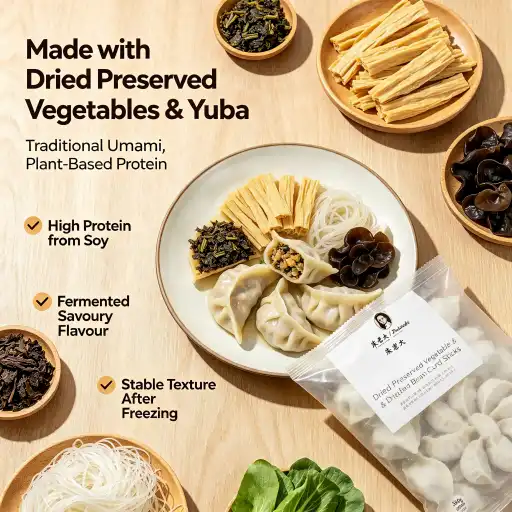
When you heat soy milk, the skin that forms turns into fu zhu or yuba, which are dried bean curd sticks. We take off this thin layer, let it dry, and then fold it into stick shapes. This makes a plant-based protein source that is high in iron, calcium, and important amino acids. It usually has more than 40% protein by dry weight.
Not like fresh tofu, which is mostly water, dried bean curd sticks are great at getting wet again. They quickly take on taste and keep their chewy texture after being cooked. Since they don't work with water and are high in protein density, they are good for making frozen dumplings. Losing water during freeze-thaw cycles can damage the quality of the product.
Cultural and Modern Applications
Chinese people who live outside of China value both of these things a great deal. People in migrant markets love the slightly sour and salty taste of preserved veggies because they remind them of home-cooked meals and their home country. These old-fashioned foods have been changed by modern food companies to make them safe for foreign food standards while keeping the original tastes.
Dried preserved vegetable and dried bean curd sticks dumplings are a perfect example of this balance, as their complex texture and fermented flavour profile require careful freezing and packaging protocols to meet overseas regulations without compromising authenticity. We process these things in a way that is approved by HACCP and ISO9001 at Shandong Zhu Laoda Food Co., Ltd. This makes sure that the old-fashioned taste tastes great today.
Cooking and Storage Best Practices for Dumplings with Dried Preserved Vegetables and Bean Curd Sticks
Optimal Cooking Methods
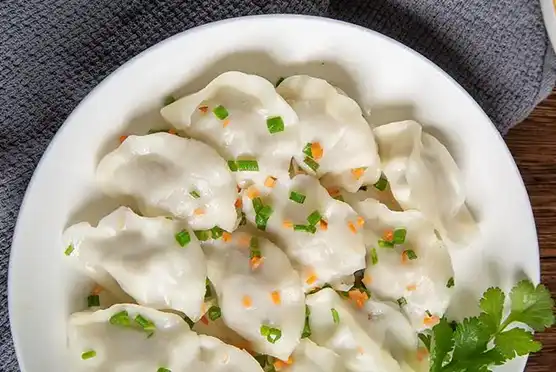
Because they are so adaptable, these vegetable dumplings can be used in a lot of different food service settings. Pour very hot water over frozen dumplings and cook for 6 to 8 minutes, until they float and the shell turns clear. The best way to do it is still this. This method works well in big kitchens where there is a lot of food.
In a regular steamer pan, the wrapper stays soft for 10 to 12 minutes while it's being cooked. This makes it perfect for serving dim sum or healthy food. Heat the veggie oil, add the dumplings, and fry them until they turn brown. This will give the bottom a crispy golden colour. Then put the lid on and add water. Let it steam for five minutes. Take the lid off and let the water drain. This will make the base crispy again.
Storage Requirements for Quality Assurance
As long as they are kept frozen at -18°C or lower, goods will stay whole for the full 12 months that are allowed by product standard code SB/T 10412. Because of the low temperature, ice crystals are not likely to form. This saves the wheat flour wrapper and the wet filling ingredients from getting cells that are damaged.
It's important to keep the cold chain going during transport because changes in temperature could cause moisture to move around and the wrapper to tear. Our dumplings are wrapped in films that keep out moisture and keep them from freezer burn and rust. This keeps the quality the same from the time it is made until it is ready to be sent to the customer.
Handling Considerations for Bulk Buyers
People who buy containers and are in charge of shipping them need to know how freeze-thaw works. The dried tiger vegetable stem (a type of preserved vegetable), rehydrated bean curd sticks, wood ear fungus, and vermicelli all help to keep the structure stable when the filling is frozen. Ice crystals can't grow because the rate at which they release water is too slow. This is what usually breaks traditional veggie dumplings.
When you get packages, check to see if the packaging is still whole and that the temperature inside the items stays within a reasonable range. To move goods around, first-in, first-out rules should be used. Also, things should not be kept near doors that let heat in or out, like loading dock doors.
Comparing Dried Preserved Vegetables and Bean Curd Sticks to Fresh Alternatives: Which Is Best for Your Business?
Nutritional and Sensory Analysis
Even though it's easy to get fresh veggies and they look nice, they aren't as good for you as properly dried vegetables that have been kept. Many minerals are better absorbed by the body when vegetables are fermented, and helpful chemicals like organic acids are made. The amount of vitamin C in food decreases while minerals like calcium, iron, and dietary fibre increase. It's possible that dried bean curd sticks have even more protein than fresh tofu. Also, they are sturdier, which means they can handle the stress of making and cooking dumplings better.
Cost and Supply Chain Advantages
Companies that buy a lot of dried goods can save a lot of money. Vegetables that are fresh must always be kept cool, can go bad while being shipped, and their prices change based on the season they are in. When you eat dried vegetables and bean curd sticks, these things don't matter. If something can be put away on a shelf before being rehydrated, buyers can stock up on it when costs are low without having to worry about the quality going down.
Shipping dried goods instead of fresh food saves a lot on shipping costs because they are lighter and don't need to be kept cold, so each unit costs less to handle. As these saves spread through the supply chain, they make it possible for retailers and wholesalers to make more money.
Quality Consistency and Risk Mitigation
A strong supply chain is now very important for food exporters who work with trans-Pacific or trans-Atlantic lines. Bad weather, delays at the border, and shortages during certain times of the year can all mess up the flow of fresh foods. These risks can't happen with dried ingredients like Gongcai because they have a shelf life of 12 months.
This gives buyers a lot of inventory flexibility, so they can keep stocking up even if supplies run out without having to pay for emergency airfreight. It doesn't change in quality from one batch to the next because the drying and storing methods keep the tastes and textures the same. This is not the same as fresh veggies, whose quality changes based on how they were grown and when they were picked.
Sustainable Procurement and Supply Chain Benefits of Dried Preserved Vegetables and Dried Bean Curd Sticks
Environmental Impact Reduction
Buying food in a way that is good for the environment means more than just making sure it's healthy. The whole value chain is part of it. When seasonal vegetables that would otherwise go bad are dried and turned into ingredients that can be used all year, they help keep food from going to waste. Low energy use and carbon emissions happen when items are stored without having to be frozen and when the cold chain isn't needed during some parts of shipping.
A study that came out in the Journal of Cleaner Production in 2022 says that dried vegetables can cut greenhouse gas emissions by up to 40% compared to fresh ones. When you look at the whole lifecycle of the product, which includes growing, processing, shipping, and keeping, this is true.
Alignment with Corporate Social Responsibility
Many food stores in Europe and North America now ask their sellers to use well-known models to show that they care about the environment. Companies that claim to use less meat in food service can keep their word by making products from dried bean curd sticks that are high in plant-based protein. Finished dumplings that are kept at -18°C last a long time, which means that stores lose less food that doesn't sell.
This is another important measure of sustainability that is met. Importers who work with places like hospitals, colleges, and business cafeterias can stand out from the rest by offering meatless options with authentic ethnic tastes and proof that the food is sustainable.
Future Trends in Sustainable Food Ingredients
Dried vegetables and soy products are made more quickly and better because processing technology keeps getting better. Spray-drying and freeze-drying are more recent methods that keep more of the nutrients that are lost when things dry in the sun than sun-drying. Still, the old-fashioned ways of fermenting are better for building tastes.
New types of wrapping, like films that can be composted and materials that can be used again and again, make products that use these ingredients even better for the earth. Market experts tell Food Technology Magazine that plant-based frozen foods will continue to grow in North American markets. More and more people are switching to flexitarian eating plans, which should help the vegetarian dumpling market grow.
How to Choose the Right Supplier for Bulk Dried Preserved Vegetables and Dried Bean Curd Sticks
Essential Quality Certifications
When buying managers look at suppliers, they should give more weight to companies that have food safety standards that are known around the world, such as Yuba, which is a globally recognized benchmark for superior food safety practices. It is clear from the HACCP certification that key control points are watched and risks are systematically assessed throughout the production process. Getting ISO9001 approval for a quality management system means that it meets standards around the world.
If you want to get through customs in most developed markets, you need these documents. They also make buyers feel good because they know the products will meet the needs of stores. Shaanxi Zhu Laoda Food Co., Ltd. keeps these permits and the Food Production License Number SC11137139600148 up to date. In this way, they make sure they meet the rules for both Chinese products and foreign goods.
Production Capacity and Logistics Capabilities
To be a reliable supplier, they need to have the right production size and up-to-date cold chain facilities. In our plant, there are three robotic lines that can each make up to 100 tonnes of goods every day. This gives us the steady flow of goods we need to support North American regional distribution networks.
This building has smart shuttle rack systems and can store more than 8,000 tonnes of cold goods. It makes sure there is a backup stock for times when demand is high or when shipping is delayed. As you compare service providers, make sure that they can keep the temperature at -18°C while the items are being stored and packed. In the last few steps before sending, if the temperature is overused, it can mess up the whole cold chain.
Sample Evaluation and Testing Protocols
You should take a close look at the goods before agreeing to container orders. Ask for samples from real production runs instead of demo units that were made just for you. After going through the freeze-thaw cycle, make sure the wrapper is still intact. Put samples in the fridge overnight, then freeze them again, and then cook them the way the rules say to. The shell shouldn't break, and the filling should stay moist without water leaking out.
Check to see how well the frozen vegetables and bean curd that is stuck in the sauce thaw. When ingredients have been handled correctly, they should be soft and not have any hard spots or a gritty texture from sand that has been left behind. Make sure that the center has the right amount of salt. Bad evaporation can be seen in veggies that have been stored for too long and are too salty.
Building Long-Term Supplier Relationships
If frozen food exporters wish to collaborate, they must communicate and share objectives. Define quality requirements such filling-to-wrapper ratios, spice profiles, and cooking yields. Discuss labelling rules immediately. However, North American goods must feature allergy labels ("This product contains wheat and soybean components"), nutritional data screens, and English-language storage guidelines. Suppliers with export market expertise will provide health certifications, certificates of origin, and product liability insurance. For flexible supply chain management, frequent updates on production plans, shipment timelines, and market feedback establish confidence.
Conclusion
Dried preserved vegetable and dried bean curd sticks dumplings are a smart product that combines cultural legitimacy, nutritional value, and usefulness for Asian stores that import Chinese food. Foods that are dried last longer, don't need to be kept cold, and waste less food, so they are better for the earth. This meets the needs of evolving standards for corporate responsibility and saves money on shipping and buying.
The market for foods that have traditional preserved vegetables and soy-based protein will continue to grow as more people in North America look for plant-based, quick, and authentically ethnic food options. In a retail market with a lot of competition, it's important to pick sellers with strong quality systems, enough production capacity, and experience selling. Dried preserved vegetable and dried bean curd sticks dumplings exemplify this niche category, requiring suppliers who can maintain consistent filling texture, wrapper integrity, and frozen shelf life across large-volume orders. This will make sure that your supply chain always works and that your products are always the same.
FAQ
How should dried preserved vegetable and bean curd stick dumplings be stored after opening?
Once you open the package, put the dumplings that haven't been eaten yet in a freezer bag or other container that won't let air in. Get rid of as much air as you can before you close the bag or container again. Put it back right away in a freezer that is frozen at -18°C or less. In the right way, dumplings can stay fresh for a few weeks, though they may lose some of their moisture over time. Do not thaw and then re-freeze food more than once. Doing so can damage the wrapper and make the food less safe.
Are dried ingredients as nutritious as fresh vegetables?
Eating in different ways is not worse than eating in other ways. When food is dried, it concentrates minerals, protein, and fibre. But it loses vitamins that dissolve in water, like vitamin C. Foods are kept fresh by fermenting them, which also makes minerals more bioavailable and good organic acids. Tofu sticks that are fresh are not as high in protein as the ones that are dried. Eating a healthy diet that includes both fresh and canned foods is the best way to get a wide range of nutrients.
Can these dumplings be used in applications beyond traditional cooking methods?
Of course. Fusing these dumplings with other foods has worked well for food service companies. As a starter, you can slice them up and fry them in a pan. You can also add them to broths to change the texture or serve them with unusual dipping sauces. You can use them with a lot of different meal ideas because the strong filling can handle being cooked in different ways. They will still taste great.
Partner with Zhulaoda for Premium Vegetarian Dumpling Supply
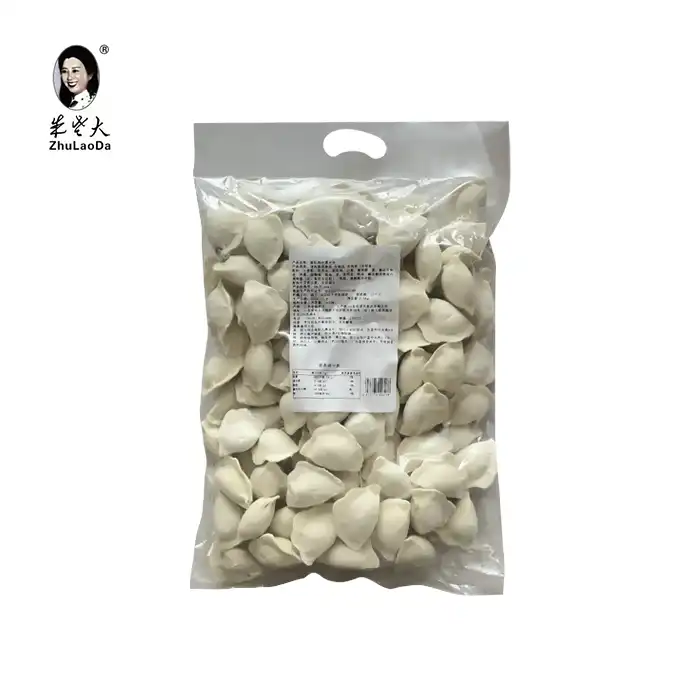
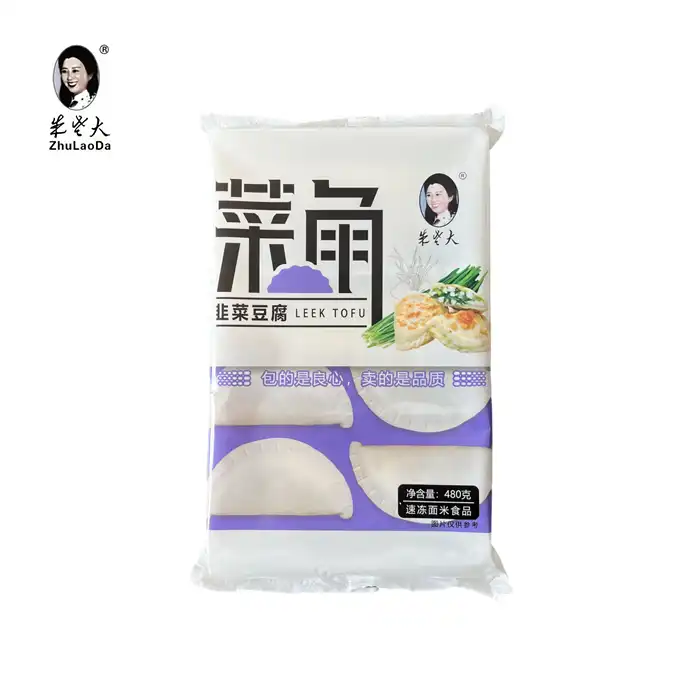
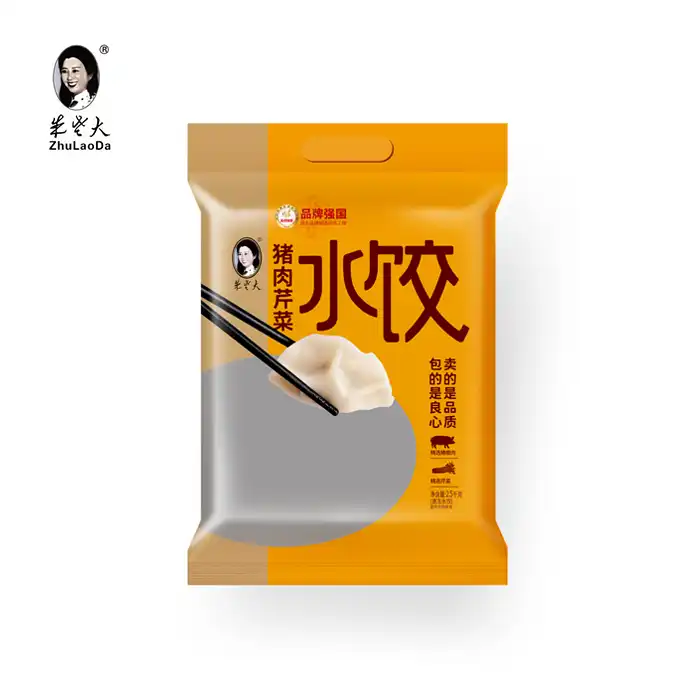
You can trust Shandong Zhu Laoda Food Co., Ltd. to help you buy frozen food and make dried veggies that have been kept. They also make dried bean curd sticks dumplings. The quality is the same in all the package sizes that are right for your market, such as 450g retail packs, 1kg foodservice sizes, and custom choices up to 2.5kg. Our production center is state-of-the-art and approved by HACCP and ISO9001.
We can make up to 100 tonnes of goods every day and store more than 8,000 tonnes of cold goods, which gives spread retail networks the supply stability they need. You can email our export team at sdzldsp@163.com to talk about looking at examples, getting prices for selling containers, and OEM/ODM customisation choices. At zhulaodadumpling.com, you can see all of our products and the approval paperwork that you need to meet import regulations.
References
1. Food Research International (2019). "Fermentation and Preservation Technologies in Traditional Asian Vegetables." Food Research International, Vol. 125, pp. 308-319.
2. Journal of Food Science (2020). "Protein Quality and Functional Properties of Dried Soy Products." Journal of Food Science, Vol. 85(6), pp. 1654-1662.
3. Comprehensive Reviews in Food Science and Food Safety (2021). "Nutritional Changes During Vegetable Fermentation and Drying Processes." Comprehensive Reviews in Food Science, Vol. 20(2), pp. 1876-1901.
4. Journal of Cleaner Production (2022). "Life Cycle Assessment of Preserved Vegetables in Asian Food Supply Chains." Journal of Cleaner Production, Vol. 340, article 130782.
5. Food Technology Magazine (2023). "Plant-Based Frozen Foods: Market Trends in North America." Food Technology, Vol. 77(4), pp. 34-41.
6. International Journal of Food Science & Technology (2021). "Quality Parameters in Frozen Dumpling Production and Storage." International Journal of Food Science & Technology, Vol. 56(8), pp. 3847-3856.
Learn about our latest products and discounts through SMS or email