- English
- French
- German
- Portuguese
- Spanish
- Russian
- Japanese
- Korean
- Arabic
- Greek
- German
- Turkish
- Italian
- Danish
- Romanian
- Indonesian
- Czech
- Afrikaans
- Swedish
- Polish
- Basque
- Catalan
- Esperanto
- Hindi
- Lao
- Albanian
- Amharic
- Armenian
- Azerbaijani
- Belarusian
- Bengali
- Bosnian
- Bulgarian
- Cebuano
- Chichewa
- Corsican
- Croatian
- Dutch
- Estonian
- Filipino
- Finnish
- Frisian
- Galician
- Georgian
- Gujarati
- Haitian
- Hausa
- Hawaiian
- Hebrew
- Hmong
- Hungarian
- Icelandic
- Igbo
- Javanese
- Kannada
- Kazakh
- Khmer
- Kurdish
- Kyrgyz
- Latin
- Latvian
- Lithuanian
- Luxembou..
- Macedonian
- Malagasy
- Malay
- Malayalam
- Maltese
- Maori
- Marathi
- Mongolian
- Burmese
- Nepali
- Norwegian
- Pashto
- Persian
- Punjabi
- Serbian
- Sesotho
- Sinhala
- Slovak
- Slovenian
- Somali
- Samoan
- Scots Gaelic
- Shona
- Sindhi
- Sundanese
- Swahili
- Tajik
- Tamil
- Telugu
- Thai
- Ukrainian
- Urdu
- Uzbek
- Vietnamese
- Welsh
- Xhosa
- Yiddish
- Yoruba
- Zulu
Nutritional benefits of dried preserved vegetable and dried bean curd sticks dumplings
Dried preserved vegetable and dried bean curd sticks dumplings deliver exceptional nutritional value through plant-based protein, dietary fiber, and essential minerals preserved through traditional drying methods. These vegetarian dumplings combine the umami-rich profile of fermented vegetables with protein-dense bean curd, offering approximately 6-8g of plant protein per 100g serving while maintaining low fat content. The preservation techniques enhance antioxidant availability and extend shelf life to 12 months at -18°C, addressing both health-conscious consumer demands and logistical efficiency for international procurement professionals serving Asian supermarkets and foodservice channels.
Introduction
The market for frozen foods keeps growing around the world because more and more people want quick, healthy meals that are true to old recipes. Dried preserved veggies and dried bean curd sticks are important in Asian food because they taste great, last a long time, and are full of good things for you. The International Food Information Council from 2022 says that 58% of people in the U.S. now think about plant-based energy sources when they choose what to eat. Broad-based marketers that work with ethnic groups can do a lot of things.
Importers and sourcing managers who want to sell to Asian groups in North America, Europe, and Australia need to know how many calories are in the different kinds of speciality dumplings. These goods are good for people from diaspora communities who want to feel nostalgic, and they'll also be good for people who want to eat more plants. There are many needs in the market that are met by the mix of preserved vegetables and bean curd sticks. These include genuine regional taste, clean label ingredients, and protein-rich vegetarian options that people with a wide range of nutritional needs can use.
They are made by Shandong Zhu Laoda Food Co., Ltd. using cutting edge IQF technology and HACCP-approved methods that are approved by strict quality standards (Product Standard Code: SB/T 10412, Food Production License: SC11137139600148). The factory can make up to 100 tonnes of food every day, and it can stay frozen for 12 months. This helps keep cross-border supply lines stable, which is important for foreign shipping networks.
Understanding Dried Preserved Vegetables and Dried Bean Curd Sticks
Traditional Preservation Methods and Culinary Heritage
These dried vegetables are called "gongcai" or "tiger vegetable stem" in their home region. They are fermented and dried in the sun, which makes the flavours stronger and gives them their own unique texture. This method, which dates back hundreds of years, drops the water activity (Aw) to a level that stops bacteria from growing. This lets the container stay at room temperature before it is filled again. Organic acids and taste chemicals with a lot of different types are made during fermentation. These are the things that set veggies apart from fresh ones.
When you heat soy milk, the skin that forms turns into dried bean curd sticks. They are made up of sheets of soy protein that have been compressed. When these sticks are rehydrated, they feel hard and chewy, not soft like tofu blocks. Also, more than 40% of their dry weight is protein. The process of freezing the food makes it stable so it can be kept for a long time. It also keeps the amino acid profiles needed for food labels.
Application in Dumpling Formulations
These things give the fillings for dumplings a variety of textures and a good mix of nutrients. As for the bean curd sticks, they add protein mass and the ability to hold water. The pickled vegetables add flavour depth and fibre structure. Among other things, wood ear fungus adds minerals and a unique flavour. Vermicelli adds starch to help the filling stay together while it's cooking. With this mix, you can cook, steam, or fry something hot without letting out too much water, which would weaken the wrapping. This is a technical factor that businesses that make frozen foods need to keep in mind when they need to deal with freeze-thaw stability.
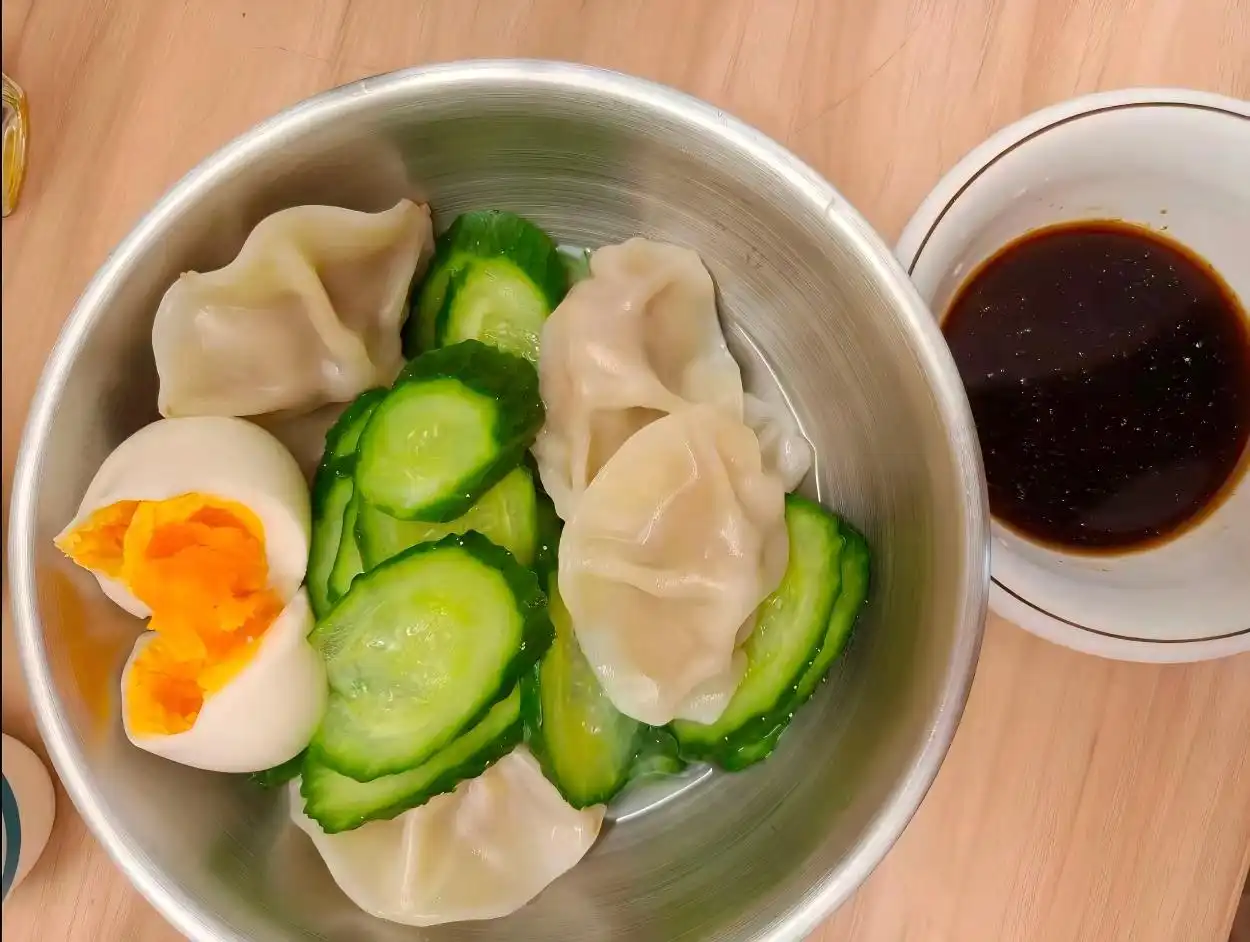
Nutritional Benefits of Dried Preserved Vegetables and Dried Bean Curd Sticks
Plant-Based Protein and Essential Amino Acids
Dried bean curd sticks have all nine of the essential amino acids that people need to stay healthy. About 20 to 25 grams of protein are in a 100-gram amount when it is concentrated. After being rehydrated and mixed with other filling ingredients, a normal dumpling serving has about 6 to 8 grams of protein.
Dried preserved vegetable and dried bean curd sticks dumplings take this nutritional benefit a step further, as the preserved vegetable adds extra fiber and savory depth while the bean curd sticks still provide that core protein punch. This product's protein richness makes it more appealing to health-conscious, vegetarian, and flexitarian customers who are looking for meat options.
Since it helps build muscle protein in a way similar to animal sources when eaten as part of a healthy diet, the high level of leucine is one of the best amino acids. A study published in the Journal of Agricultural and Food Chemistry in 2021 says that some amino acids are more bioavailable in fermented soy products than in non-fermented ones. This could mean they are good for you in more ways than just the protein they contain.
Dietary Fiber and Digestive Health Support
Vegetables that have been fermented and dried still have a lot of fibre. About 3–5 grams of fibre per 100 grams of rehydrated weight. Because it has both soluble and insoluble fibre, this mix helps your digestive system work well and gives the good bacteria in your gut prebiotic materials to grow on. In addition, the fermentation process makes other helpful chemicals, like short-chain fatty acids, which study has linked to better digestive health.
In the filling, the wood ear fungus adds beta-glucans and carbs that have been looked at to see if they can change the immune system. These parts make the functional nutrition profile better in more ways than just the basic food content. Another thing they do is back up the "clean label" marketing claims that are becoming more popular in Europe and North America.
Micronutrient Density and Mineral Content
There is a lot of calcium, iron, magnesium, and potassium in the mix of elements. The process of making soy milk naturally concentrates the calcium in dried bean curd. One serving has 100–150 mg of calcium, which is about 10–15 percent of the daily recommended amount. Iron from plants needs to be mixed with vitamin C for best absorption. This means that these dumplings can be a healthy part of a meal when paired with vegetable sides or dipping sauces made from citrus fruits.
Some B vitamins, like niacin (B3) and riboflavin (B2), get stronger when food is stored and dried. The minerals stay fixed longer than when the veggies are fresh for the same amount of time. The fact that nutrients stay in the food directly fixes problems in the supply chain that happen when frozen food is sent over long distances. It makes sure that the food's nutritional value stays the same from the time it is made until it is eaten.
Low Fat and Cholesterol-Free Formulation
Fillings for dumplings that come from plants naturally don't have cholesterol or a lot of saturated fat. Vegetable oil makes up about 5 to 8 percent of the weight of the filling. The FDA and EFSA recommend this oil for heart health because it has essential fatty acids without trans fats. It's true that this lipid profile supports marketing claims made to health-conscious people and public dining operations that use plant-forward menu strategies.
How to Incorporate Dried Preserved Vegetables and Dried Bean Curd Sticks into Dumpling Recipes
Rehydration Techniques for Optimal Texture
Professional food makers have to keep an eye on the rehydration factors to make sure that the quality of the filling is the same every time. For 45 to 60 minutes, soak bean curd sticks in warm water (30 to 40°C) and stir them every so often. This will make sure that the middle gets fully wet without the outside getting too soft. People find it harder to eat when the cores are hard because they haven't been soaked long enough, or too long, which breaks down the protein structure and filling integrity.
To meet the health-conscious market demand, Gongcai is the key ingredient in this process: the salt content of preserved veggies needs to be lowered from about 15 to 18% to a goal level of 0.5 to 0.8% for filling. This is done in several steps of circulating water rinses.
This controlled distillation keeps the complex flavours and labels the salt so that health-conscious markets can buy it. Customer feedback studies have shown that quality control problems can be fixed with automated grinding systems that have sediment traps to get rid of any extra grit, and Gongcai consistently performs well under this system.
Filling Composition and Moisture Management
The best filling recipes keep the moisture level between 60 and 65%. This way, the food stays juicy without damaging the gluten networks in the wrapper when it freezes and thaws. The dried ingredients' ability to bind water keeps the amount of wetness stable. This stops ice crystals from forming, which would damage the cell structures in fresh vegetable dumplings. Due to this technological advantage, the item can be kept at -18°C for a year, which is needed for the time it takes to ship between North America and Europe.
This dish is mostly made up of 30–35% rehydrated preserved vegetables, 20–25% bean curd sticks, 10–15% wood ear fungus and vermicelli, and the rest is fragrant veggies (ginger), binding agents (distarch phosphate), and spices. This mix gives premium dumplings their unique texture and taste layers that set them apart from other frozen food store brands.
Quality Assurance in Production Environments
Tough acid-insoluble ash tests (goal <1.0%) must be part of the making process to make sure that grit doesn't get into the preserved vegetables. Research into the texture profile of bean curd sticks makes sure that the hardness stays the same from batch to batch. This way, there is no change that could affect how customers feel about them. Total plate count, coliforms, and certain pathogens that are bad for soy and vegetable ingredients are the main microbes that are monitored. This makes sure that all steps of the production process follow HACCP rules.
Quality management methods that are ISO9001-certified are used at Zhu Laoda's plant to put these controls in place. The areas where things are made also have UV sterilisation and special air flow. With smart shuttle storage systems that can hold up to 8,000 tonnes, the cold chain infrastructure keeps temperatures at -18°C, which is below freezing. This makes it easier to keep track of supplies for big export jobs.
Procurement Insights: Choosing and Sourcing Quality Ingredients
Certification and Compliance Standards
B2B buyers need to look at the paperwork that sellers give them, such as proof of HACCP certification, ISO9001 quality management, and food safety approvals for the place where the goods are going. In packages of export paperwork, there should be health certificates, certificates of origin, and comments that say the ingredients are safe. These should include safety labels (for things like wheat and soy), correct nutrition labels, and any claims that the food is plant-based or vegetarian that need to be reviewed by the government.
EFSA rules say that the European market needs thorough allergen management procedures and proof of tracking. On the other hand, U.S. importers need to make sure that the labels with nutrition facts and the words "natural" or "plant-based" are in line with FDA rules. Working with well-known manufacturers who have up-to-date certifications cuts down on the chances of delays and rejections that can change the calculations for the landed cost.
Evaluating Manufacturing Capacity and Consistency
Importers who are in charge of multiple channels of marketing can see how the size of production affects the dependability of supplies. Plants that use automatic filling and forming tools and make 100 tonnes of steel every day show that they can keep up with orders for whole containers. Smart warehouse systems that let inventory move first in, first out (FIFO) make sure that goods stay fresh for up to 12 months. This helps you plan your sales cycles and how demand changes with the seasons.
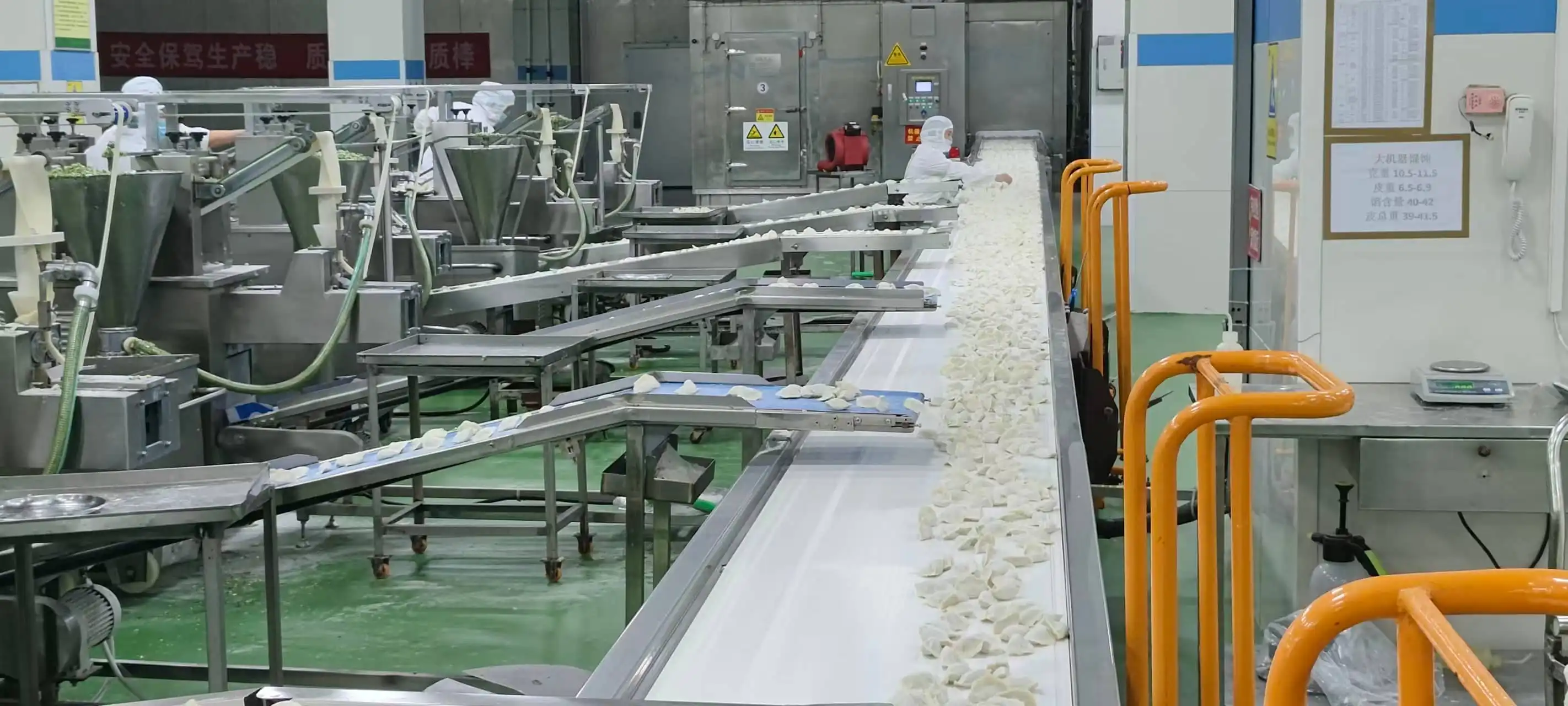
In the technical requirements, it should say how much filling to wrapper there is (usually 40:60 or 50:50), how much it weighs (±5g for retail packaging), and how well it should cook. Yuba must be specifically considered here, as its protein structure and rehydration behavior directly affect both the wrapper's integrity and the final texture. In order for sample review methods to work, things must go through full freeze-thaw-cook cycles that are similar to how they would be distributed. To make sure the wrapper stays together and the filling is the right texture for the market, this is done.
Pricing Analysis and Landed Cost Optimization
The prices of products, how quickly they can be made, and the cost of shipping are all factors that go into setting prices for preserved bean curd and vegetable dumplings that are competitive. FOB prices for retail-packaged goods are usually between $2.50 and $4.00 per kilogram, but this can change based on how many orders are placed and whether the packing needs to be changed in any way. Freight costs can be cut by 15 to 20 percent when sending and combining containers at certain times of the year. This has a big impact on how competitive landed prices are against locally made options.
Importers should find out how much their goods cost when they arrived at the port. This should include duties (usually 5–10% for frozen prepared foods under HTS classifications), logistics for the cold chain, storage, and delivery to stores or food service businesses. Products that stay fresh for long periods of time (30–60 days for ocean freight) should be priced higher because they have unique flavours and nutrition that you can't get from products made in the United States.
Why Nutritional Quality Matters for Your Business and Customers
The Plant Based Foods Association did study on consumers and found that in 2023, sales of plant-based foods in the U.S. hit $7.4 billion. These sales were up 6.6% yearly as more people made plant-forward meals. One part of this trend that is growing quickly is frozen Asian foods. Asians who are proud of their culture like them, as do health-conscious non-Asian people who want quick and easy healthy options.
Food service and shopping stores can now stand out from the rest by being clear about nutrition. People who like whole plant foods more than highly processed ones like clean-label products with well-known ingredients like tofu products, preserved vegetables, and traditional seasonings. People who care about their health can be drawn to the pickled veggie part because it contains probiotics and is made in a traditional way, which is becoming more and more popular.
When retailers and distributors put their goods on the shelves, giving customers a lot of nutritional information can help them get higher prices and build brand trust at the same time. When you combine authentic ethnic flavours with known health benefits, you can market to a wide range of people, from diaspora groups looking for comfort foods from the past to regular people who want to learn about global cuisines through foods that are better for them.
Conclusion
Dried preserved vegetable and dried bean curd sticks dumplings are a key group of goods for business-to-business buyers who serve markets in North America and around the world. The nutritional balance includes plant-based protein, dietary fibre, important minerals, and low amounts of saturated fat. This is in line with consumer trends that show they want healthy foods that are easy to make.
Some benefits of manufacturing this product are that it can stay frozen for 12 months, the quality stays the same thanks to improved IQF processing, and it meets international food safety standards. These advantages help make supply lines more stable, which is important for foreign marketing to work.
When importers work with certified makers like Zhu Laoda, they get full export paperwork, a choice of flexible packing forms (450g, 1kg, and custom), and enough production capacity to meet both full container loads and ongoing restocking needs. The real taste appeals to established Asian community markets, and more and more plant-based customers are also drawn to it. This makes demand last for a long time in many stores and restaurants.
FAQ
How does the shelf life of dried preserved vegetables in dumplings compare to fresh vegetable varieties?
That's a lot longer than the 6 to 9 months that fresh vegetable dumplings stay fresh. The dried vegetables in frozen dumplings stay fresh for 12 months at -18°C. During freeze-thaw cycles, ice crystals don't break because the water activity is weaker and the structure of the cells is more stable. This makes sure that the texture and taste stay the same during the long shipping times that are needed for international shipping.
Can dried bean curd sticks be used in applications beyond dumplings?
There are lots of different ways to cook with dried bean curd sticks. They are great in spring rolls, stir-fries, hot pots, and vegetarian soups. It can be used instead of meat in many Asian dishes because it is protein-dense and hard after being rehydrated. This helps makers make more goods and food service businesses add more items to their menus.
What storage protocols ensure quality preservation during bulk procurement?
In order to buy frozen dumplings in bulk, there needs to be a cold chain that keeps the food at -18°C from the maker to the wholesaler. Facilities should move products based on first-in, first-out (FIFO) so that temperatures don't change more than ±2°C, which speeds up the loss of quality. Before a product is used in a store or food service setting, it is checked to make sure that the packaging is still intact and that it hasn't gone bad during storage.
Partner with Zhulaoda for Premium Vegetarian Dumpling Supply
The dumplings made by Shandong Zhu Laoda Food Co., Ltd. are safe, good for you, and taste just like the real thing. They're sent all over the world. We are a well-known company that sells dried vegetables that have been preserved and dried bean curd sticks dumplings. To help you reach your brand development goals, we offer full documentation packages, low FOB prices, and OEM/ODM customisation.
Our HACCP and ISO9001-certified factory makes sure that the 100 tonnes of things we make every day are always of the same high quality. Because our cold storage is smart, it keeps track of our stock so that we can ship cases with confidence. Our export team can be reached at sdzldsp@163.com to talk about what you want to buy, send us samples of our goods, and figure out how we can work together to give your customers authentic Asian tastes.
References
1. International Food Information Council. (2022). 2022 Food & Health Survey.
2. Journal of Agricultural and Food Chemistry. (2021). Fermentation effects on soybean protein bioavailability and nutritional quality. American Chemical Society Publications.
3. Plant Based Foods Association. (2023). U.S. Plant-Based Foods Market Overview.
4. Food and Agriculture Organization. (2022). Traditional fermented foods and their role in global nutrition.
5. European Food Safety Authority. (2023). Food safety compliance guidelines for imported frozen foods.
6. U.S. Food and Drug Administration. (2023). Nutrition labeling requirements for imported food products.
Learn about our latest products and discounts through SMS or email