- English
- French
- German
- Portuguese
- Spanish
- Russian
- Japanese
- Korean
- Arabic
- Greek
- German
- Turkish
- Italian
- Danish
- Romanian
- Indonesian
- Czech
- Afrikaans
- Swedish
- Polish
- Basque
- Catalan
- Esperanto
- Hindi
- Lao
- Albanian
- Amharic
- Armenian
- Azerbaijani
- Belarusian
- Bengali
- Bosnian
- Bulgarian
- Cebuano
- Chichewa
- Corsican
- Croatian
- Dutch
- Estonian
- Filipino
- Finnish
- Frisian
- Galician
- Georgian
- Gujarati
- Haitian
- Hausa
- Hawaiian
- Hebrew
- Hmong
- Hungarian
- Icelandic
- Igbo
- Javanese
- Kannada
- Kazakh
- Khmer
- Kurdish
- Kyrgyz
- Latin
- Latvian
- Lithuanian
- Luxembou..
- Macedonian
- Malagasy
- Malay
- Malayalam
- Maltese
- Maori
- Marathi
- Mongolian
- Burmese
- Nepali
- Norwegian
- Pashto
- Persian
- Punjabi
- Serbian
- Sesotho
- Sinhala
- Slovak
- Slovenian
- Somali
- Samoan
- Scots Gaelic
- Shona
- Sindhi
- Sundanese
- Swahili
- Tajik
- Tamil
- Telugu
- Thai
- Ukrainian
- Urdu
- Uzbek
- Vietnamese
- Welsh
- Xhosa
- Yiddish
- Yoruba
- Zulu
Eggs and Chives Dumplings vs. Pork Dumplings: Which Is Best?
If you source frozen dumplings for retail or foodservice, this question matters more than it sounds. Both filling styles sell well, but they serve different customers and carry different supply chain requirements. Eggs and chives dumplings—made without meat and filled with Chinese chives, scrambled eggs, and vegetables—are gaining steady ground in the U.S. vegetarian and flexitarian market. Pork dumplings remain a category staple with broad appeal. Neither is universally "best." The right choice depends on your target buyer, your label compliance needs, and how each product fits into your current SKU lineup.
Product Overview and Core Characteristics
What Goes Into Each Filling?
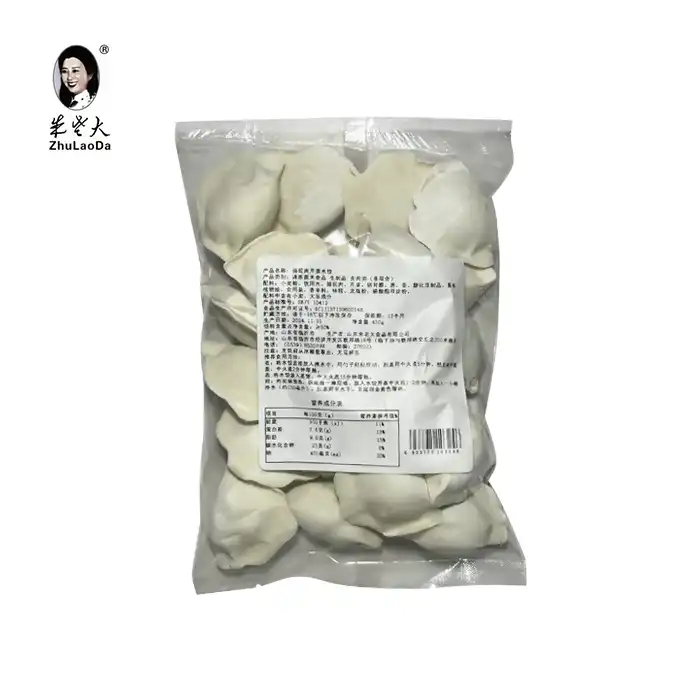
The veggie egg and chive dumplings at Zhulaoda are made with wheat flour, eggs, Chinese chives, cabbage, black fungus, vermicelli, and vegetable oil. They are seasoned with yeast extract and umami spice powder. The filling doesn't have any meat in it and is labeled as lacto-ovo meatless. On the other hand, ground pork is the main source of protein in pork dumplings, which are usually made with napa cabbage or ginger. When it comes to labels, cold-chain handling, and target audiences, these two fillings belong to very different product groups.
Flavor Profile and Texture Differences
The eggs and chives dumplings filling gives it a lighter, more fragrant taste. Chinese chives' volatile sulfur compounds give it a unique spicy taste. Egg curds and noodles give it body without making it heavy. The black fungus adds a light crunch. Some people like pork dumplings because they are richer, fattier, and filling, but people who are trying to be healthier might not want to buy them. Egg and chive fillings feel lighter after cooking, while pork innards tend to be heavier.
Cooking Versatility
It's possible to boil, steam, and fry in both types. Zhulaoda's vegetarian dumplings have been tested to float after boiling for 6 to 8 minutes. They can also be steamed or fried in a pan. Because the egg and chive type has a thinner filling, heat can get to it faster. This makes cooking times more consistent across restaurant settings. To make sure the meat inside pork dumplings is safe, they need to cook a little longer, which adds another variable for people who work in commercial kitchens to manage.
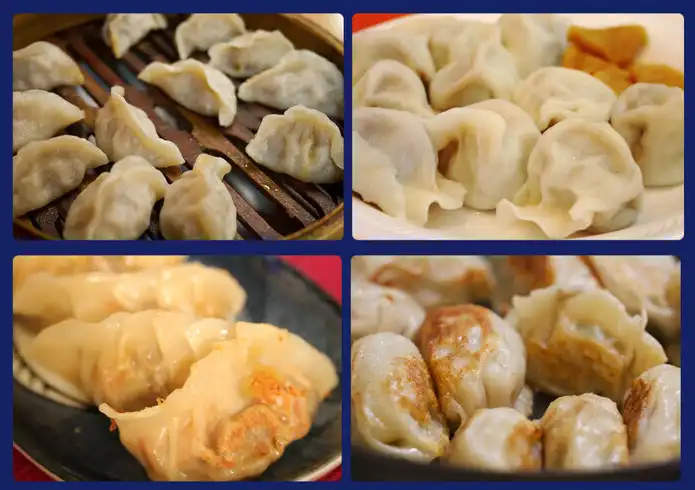
Comparative Analysis: Eggs and Chives vs. Pork Dumplings
Nutritional Positioning
In the health-conscious market, eggs and chives dumplings have a clear advantage. They don't have any excess fat from beef, and the egg protein has all the essential amino acids. The Plant Based Foods Association reported that sales of plant-based frozen meals in the U.S. increased by 6% year-over-year in 2023. This is a trend that directly helps veggie dumpling SKUs. Pork dumplings still have a good amount of protein, but people who are watching how much sodium and saturated fat they eat are becoming more aware of them.
Market Demand Trends
A 2022 study by the International Food Information Council found that about 36% of U.S. adults are now flexitarians, which means they eat less meat but don't completely give up meat. This is the main group that eggs and chives dumplings are meant for. They want real Asian flavors without the meat. Traditional Asian grocery stores still sell a lot of pork dumplings, but natural food stores, college dining programs, and meal kit sellers who want to expand their selection are asking for more veggie options.
Label Compliance and Allergen Clarity
This is where the two types of products are very different for people who buy imports. Because they contain eggs, Eggs and chives dumplings must be described as Lacto-ovo vegetarian, not vegan. Mislabeling this item as "purely plant-based" or "vegan" is against the rules and could lead to complaints from stores and product recalls. In line with FDA labeling rules, Zhulaoda's recipe makes it clear that it contains allergens for wheat, soy, and eggs. Labeling rules for pork dumplings include saying if they are kosher and where the meat came from, which creates additional paperwork needs.
Procurement and Supply Chain Considerations
Ingredient Stability and Sourcing Risk
Prices for pork can change with the seasons and feed costs can change quickly, which can cut into profit margins. On the other hand, Chinese chives and eggs are more stable inputs. Zhulaoda gets its vegetables straight from the places where they are grown and uses Individual Quick Freezing (IQF) technology at -35°C to keep them fresh. All three types of packaging have a 12-month shelf life, which gives importers enough time to meet retailer shelf-life requirements after a 2- to 3-month sea freight transit.
Certifications That Matter to Import Buyers
Most people who want to import goods ask for a full paperwork package before they place their first order. There are certifications for Zhulaoda in ISO 9001, HACCP, and QS (Food Production License: SC11137139600148). The product is made according to Product Standard Code SB/T 10412 and is kept at or below -18°C. These licenses meet the main requirements for entering the markets of the United States, the European Union, and Australia. Buyers of pork products also have to check meat processing certifications and country-of-origin statements. This makes the process of checking even more complicated.
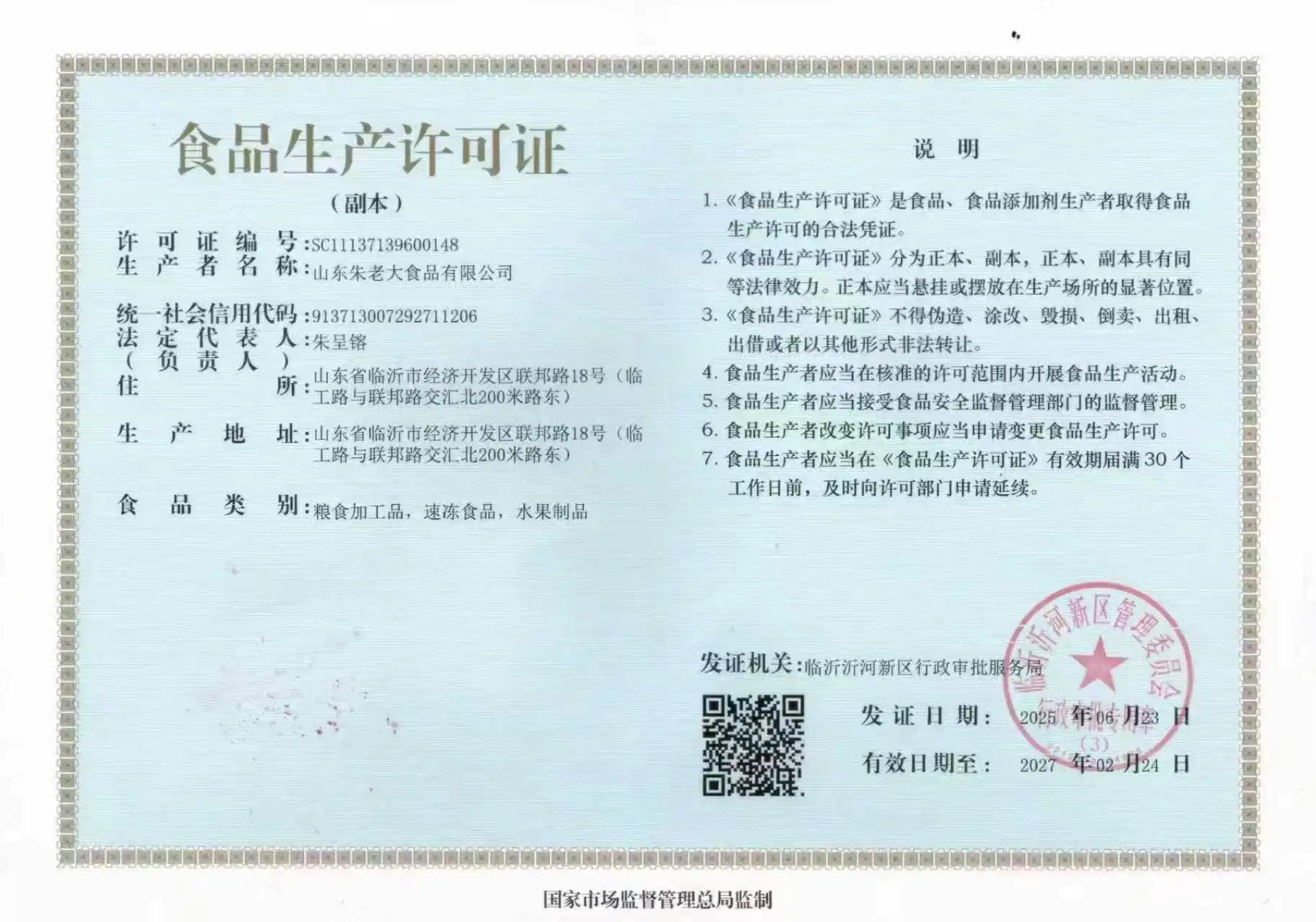
MOQ, Packaging, and LCL Shipping Compatibility
Here's one area where egg and chive veggie dumplings are clearly better for buyers who need to get a lot of different SKUs. The product can be shipped with other frozen dumpling lines in a single Less-than-Container-Load (LCL) shipment because it can be kept on the shelf at standard frozen temperatures and comes in different pack sizes. This cuts the cost of cold chain by a large amount per unit. Zhulaoda's minimum order number starts at around 500 kg, so you can place a trial order without having to commit to a full 20-foot container.
These parts of the supply chain are important because they make it easier for first-time buyers to afford to buy while keeping the landing cost per unit low.
Strategic Considerations: Which Dumpling Is Best for Your Business?
Matching Product to Buyer Demographics
If most of your customers buy from natural grocery stores, college towns, or health food stores in cities, eggs and onions dumplings are a better fit. They look better on the label, have less fat, and are more religiously compatible with diets (except for vegan-only requirements). If most of your customers are traditional Asian grocery stores or regular supermarkets with well-established frozen aisle programs, pork dumplings will still be a high-volume, low-risk SKU.
Cost-Benefit Analysis for Import Buyers
Egg and chive vegetarian dumplings usually have lower costs for their ingredients than pork varieties. This means that the prices stay the same from one order cycle to the next. The lack of meat inputs also makes cold-chain documentation easier to fill out when entering many markets through customs. When you think about how much more expensive veggie labels are becoming (often 10–20% more expensive than regular ones), the profit margins for egg and chive SKUs become appealing to buyers who are interested in both volume and profit.
Building a Balanced Dumpling Portfolio
It doesn't matter which one you choose; the best buying plan uses both. You can serve more than one type of customer through a single supplier relationship if you offer both veggie egg and chive filling dumplings and standard pork dumplings. Because Zhulaoda can produce up to 100 tons per day and have an 8,000-ton cold storage building, they can send both types of SKUs in the same package, which makes managing your suppliers easier for you.
Practical Tips for Handling Both Dumpling Types
Cooking and Serving Recommendations
For egg and chive vegetarian dumplings that turn out every time, bring the water to a full rolling boil before adding the food. Turn down the heat and let the water simmer for 6 to 8 minutes, until the dumplings float. When you pan-fry the base, it gets crispy, and the black vinegar and chili oil go well with it. The same method works for pork dumplings, but the filling may need an extra 8–10 minutes to make sure it's the right temperature all the way through.
Cold-Chain Handling During Distribution
At every step of the way, both types of dumplings have to stay at or below -18°C. Temperature drops below -12°C, even if they are only for a short time, can damage the dough skin with ice crystals, which can lead to cracks and filler leaks when cooked. For foreign buyers who are in charge of multi-stop delivery, this means making sure that your 3PL partner keeps accurate temperature logs. Zhulaoda's IQF process reduces the formation of initial ice crystals. This makes the product more resistant to cold chain conditions that happen in the real world.
Storage and Rotation Practices
Follow the first-in, first-out (FIFO) rotation method consistently in cold storage. With a shelf life of 12 months, eggs and chives dumplings arrive with enough shelf life left over after being shipped by sea to support normal store rotation cycles. Keep the original packaging closed until you're ready to cook to avoid freezer burn and flavor loss from the aromatic compounds in the chives.
Conclusion
There is room for both eggs and chives dumplings and pork dumplings in a well-organized freezer food portfolio. They are just used for different things. The vegetarian option lets you reach a bigger group of customers, has an easier compliance profile, and keeps the costs of the ingredients fixed. You should have pork dumplings as the main type of traditional Asian food. The Zhulaoda egg and chive line is a good place for importers to start if they want to add a reliable lacto-ovo vegetarian SKU that was made in a way that is certified by the government.
FAQ
Are eggs and chives dumplings suitable for vegetarian consumers?
Yes, but there is one important difference. These dumplings are lacto-ovo vegetarian, which means they have eggs in them. This is not a veggie food. Buyers must make sure that store packaging has the right labeling—"vegetarian" instead of "vegan" or "plant-based"—to follow FDA labeling rules and keep customers from complaining.
What is the shelf life, and is it sufficient for sea freight imports?
If you keep Zhulaoda's egg and chive dumplings at -18°C or below, they will last for 12 months. It takes about 20 to 30 days for standard sea freight to get from China to the West Coast of the United States. This means that there will be plenty of shelf life left over when it gets to the store for normal distribution and turnover.
How does the allergen profile compare between the two types?
Eggs and chives dumplings have allergens in them like wheat, soy, and eggs. Most pork rolls list wheat, soy, and sometimes sesame as ingredients. According to rules set by the U.S. Food and Drug Administration (FDA) and the European Union, both must have clear allergy labels. As part of its standard certification package, Zhulaoda gives full allergen documentation.
Can I order mixed SKUs in one shipment?
Zhulaoda does support LCL consolidation across multiple dumpling lines, so the answer is yes. Egg-chive vegetarian dumplings can be shipped with other SKUs in the same cold chain. This helps spread the fixed costs of shipping your whole order out over a larger area.
Partner With Zhulaoda for Verified Eggs and Chives Dumplings Supply
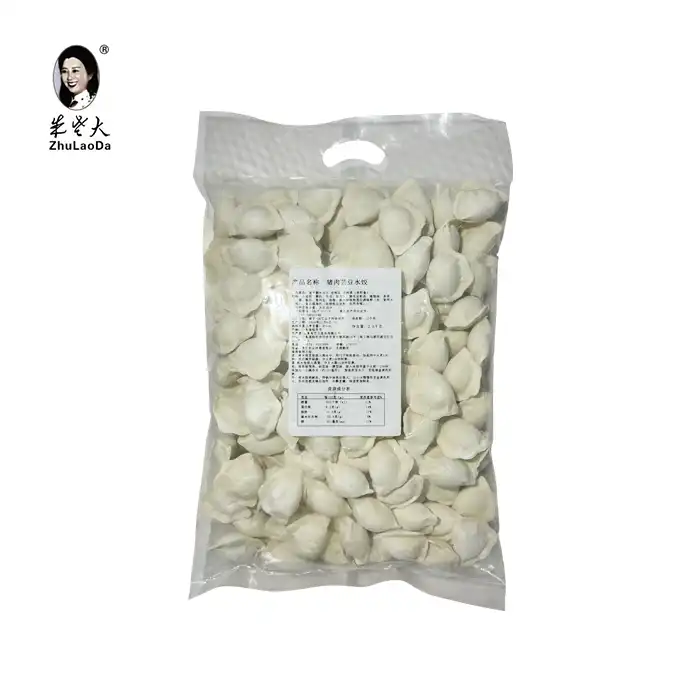
Since 2001, Zhulaoda has been making frozen dumplings, and every package is backed by HACCP, ISO 9001, and QS standards. We make dumplings with eggs and chives directly and offer different packing choices (450g, 1kg, 2.5kg), as well as OEM/ODM services. This makes it easy to place a test order before increasing production. To get samples and a full certification package right away, email us at sdzldsp@163.com.
References
1. Plant Based Foods Association. U.S. Retail Sales Data for Plant-Based Foods. PBFA, 2023.
2. International Food Information Council. Food and Health Survey: Consumer Attitudes Toward Protein and Plant-Based Eating. IFIC, 2022.
3. Codex Alimentarius Commission. General Standard for the Labelling of Prepackaged Foods (CODEX STAN 1-1985, Revised 2018). FAO/WHO, 2018.
4. U.S. Food and Drug Administration. Food Allergen Labeling and Consumer Protection Act of 2004: Guidance for Industry. FDA, 2006.
5. Tamine, A. Y., & Robinson, R. K. Frozen Food Technology. Blackie Academic & Professional, 1994.
6. Zhao, G., & Sun, B. Quality Control in Frozen Wheat-Based Products: Standards and Industry Practice. Journal of Food Science and Technology, 2019.
Learn about our latest products and discounts through SMS or email