- English
- French
- German
- Portuguese
- Spanish
- Russian
- Japanese
- Korean
- Arabic
- Greek
- German
- Turkish
- Italian
- Danish
- Romanian
- Indonesian
- Czech
- Afrikaans
- Swedish
- Polish
- Basque
- Catalan
- Esperanto
- Hindi
- Lao
- Albanian
- Amharic
- Armenian
- Azerbaijani
- Belarusian
- Bengali
- Bosnian
- Bulgarian
- Cebuano
- Chichewa
- Corsican
- Croatian
- Dutch
- Estonian
- Filipino
- Finnish
- Frisian
- Galician
- Georgian
- Gujarati
- Haitian
- Hausa
- Hawaiian
- Hebrew
- Hmong
- Hungarian
- Icelandic
- Igbo
- Javanese
- Kannada
- Kazakh
- Khmer
- Kurdish
- Kyrgyz
- Latin
- Latvian
- Lithuanian
- Luxembou..
- Macedonian
- Malagasy
- Malay
- Malayalam
- Maltese
- Maori
- Marathi
- Mongolian
- Burmese
- Nepali
- Norwegian
- Pashto
- Persian
- Punjabi
- Serbian
- Sesotho
- Sinhala
- Slovak
- Slovenian
- Somali
- Samoan
- Scots Gaelic
- Shona
- Sindhi
- Sundanese
- Swahili
- Tajik
- Tamil
- Telugu
- Thai
- Ukrainian
- Urdu
- Uzbek
- Vietnamese
- Welsh
- Xhosa
- Yiddish
- Yoruba
- Zulu
How to Choose the Best Pork and Kidney Beans Dumplings Online
Choosing the best pork and kidney beans dumplings online comes down to three things: ingredient quality, supplier reliability, and whether the product fits your distribution or kitchen needs. Whether you're a regional food distributor stocking supermarket shelves or a restaurant buyer planning for peak season, the wrong choice means returns, complaints, and lost revenue. This guide walks you through every step — from reading ingredient labels to vetting cold chain capacity — so you can source with confidence and build a product line your customers keep coming back for.
Understanding the Decision Scenarios for Purchasing Frozen Bean and Pork Dumplings Online
Procurement needs are rarely one-size-fits-all. A regional food distributor in the Midwest faces completely different sourcing pressures than a cafeteria manager or an Asian grocery chain. Before you compare products, you need to define your own use case.
Foodservice and Institutional Buyers
In large-scale operations such as university dining halls, airline caterers and hospital kitchens, structural uniformity is important. Kidney bean fillings are good for steam retaining and batch reheating, since the beans have the sturdiness that leafy greens lack. Seek providers that develop their items to withstand extended heating without “filling collapse.”
Retail and Wholesale Distributors
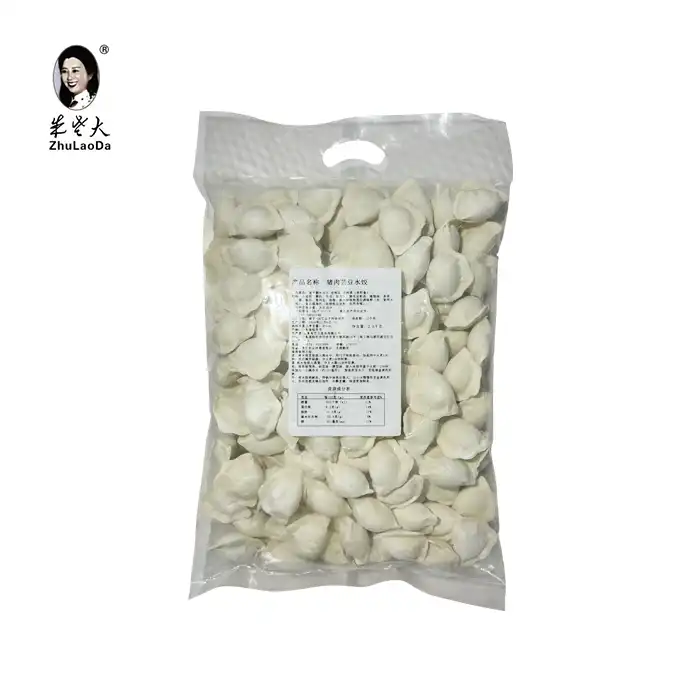
If you’re a distributor selling into BC supermarket or farmers’ market channels, the emphasis is on shelf attractiveness, packaging flexibility and repeat buy potential. Zhulaoda is available in 450g family-sized packs, 1kg mid-tier packs and 2.5kg foodservice bags and can be sold across several retail levels without needing to be made in different factories and sold under distinct SKUs.
Export and Cross-Border Procurement
International buyers face an additional layer of concern: pre-cooked filling safety. Kidney beans naturally contain phytohaemagglutinin, a toxic lectin that must be fully inactivated through blanching before the filling is mixed. A reliable manufacturer follows a verified blanching protocol as a Critical Control Point (CCP), and documentation for this step should be available on request. Pork and kidney beans dumplings are the SKU where this control point matters most, since the bean is the risk-bearing ingredient.
Establishing Core Metrics for Evaluating Frozen Dumpling Suppliers
Once you know your use case, the next step is building a supplier scorecard. Here are the metrics that matter most to professional buyers.
Ingredient Transparency and Sourcing Standards
Check the whole list of ingredients first. Zhulaoda’s pork and kidney bean dumplings are made using wheat flour, hog front leg flesh, kidney beans, scallions, ginger, coriander, soy sauce, vegetable oil and edible salt – clean, traceable inputs. The pig is chilled fresh meat from JINLUO, while the wheat flour is either imported from Canada or obtained from the Hetao Plain in China. Both are quality criteria accepted by the industry.
Food Safety Certifications
A supplier’s certificate portfolio says a lot. Certifications to check for: ISO 9001 (quality management), HACCP (hazard analysis and key control points), and national QS food production authorization. Zhulaoda has all of these and is licensed to operate under Food Production License SC11137139600148 and product standard number SB/T 10412. These aren’t marketing badges, they’re certified protocols that safeguard your supply chain from liability.
Cold Chain Infrastructure and Peak-Season Capacity
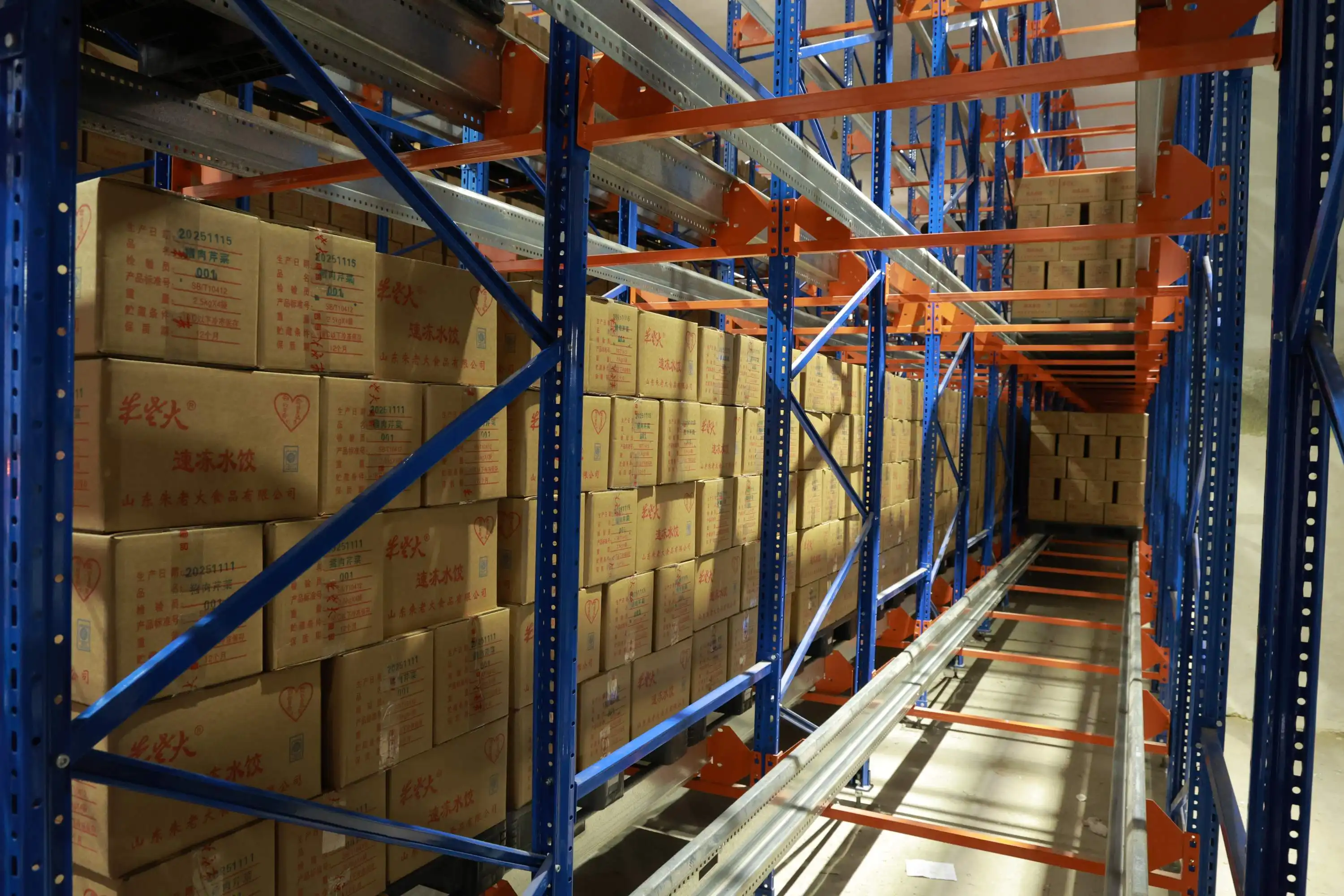
Disruption to supply in peak season is one of the most ignored hazards in frozen food procurement. Ensure that your supplier has enough cold storage facilities. Zhulaoda has an 8,000-ton cold storage facility, equipped with a contemporary intelligent shuttle rack system and GPS-tracked cold chain logistics. The facility has three automated manufacturing lines with a daily output of up to 100 tons, and is designed to cater for huge orders around the Lunar New Year, winter solstice and other peak demand periods.
Comparing Product Types and Certified Suppliers in the Frozen Dumpling Market
Each brand of frozen dumplings on the market has its own set of instructions for how to make them. You can avoid spending too much on marketing and not enough on quality if you know how different goods work.
Certified Factory Brands vs. Local Producers
Zhulaoda is a well-known provincial-level quality brand in Shandong. Factory brands like it can work on a much bigger scale than small makers can. Before they start making anything, they check the raw materials for chemical and physical flaws, pesticide residue, and the number of germs that are present. There may be cheaper unit prices for local brands, but if the quality isn't consistent, there will be return costs that quickly eat away at the profit. Pork and kidney bean dumplings are a good example of why consistent incoming inspection matters more than a low unit price.
Filling Composition and Fat-to-Lean Ratios
For pork filling, a fat-to-lean ratio of 3:7 (30% fat, 70% lean) works best. This mix makes the outside taste greasy without making the inside too juicy. The pork front leg meat used in Zhulaoda is the right cut for that ratio because it naturally goes well with kidney beans, which are chewy. Fillers that don't spread fat well are often what people who want cheap options get, which is why they complain about being dry or greasy.
Packaging Options and Format Flexibility
TITLE: Rigid packaging shapes make it harder to get to different stores. Zhulaoda has forms for 450g, 1kg, and 2.5kg, and any of them can be changed to meet the needs of OEM or private label customers. Small restaurants, industrial kitchens, and people who just want to buy things for their own homes can all get what they need from the same seller because the boxes come in a range of sizes.
Matching Supplier Offerings to Your Specific Procurement Requirements
The best deal isn't always the cheapest or biggest one. Of times, the best supplier is the one whose payment terms, product format, and supply rules work with how your business runs. Pork and kidney beans dumplings are a good example of why fit matters more than headline price.
Make sure these things are correct before you sign any supply agreement:
- Minimum order quantities and trial options: A credible supplier should offer small initial shipments — typically 1 to 2 metric tons — for market testing before committing to annual volume agreements.
- Payment terms and seasonal pricing policy: Distributors typically require monthly settlement cycles and expect favorable pricing during high-velocity seasons. Confirm these terms in writing before the first order.
- OEM and private label availability: If you're building a regional brand, ensure the factory offers custom recipe development and fully branded packaging under their OEM/ODM program.
- Allergen documentation: Zhulaoda's product contains wheat and soybean components. For retail distribution, all packaging must clearly disclose these allergens per applicable food labeling regulations.
Papers and reports on allergens: Zhulaoda's item is made up of parts made from wheat and soybeans. The rules for food labels say that all packing for sale in stores must make these allergens clear.
Practical Tips for a Successful Online Purchase of Bean and Pork Dumplings
Before you place a big order, do these things to lower your buying risk.
Request Product Samples and Conduct Taste Testing
You should still eat the goods after reading the specs. It doesn't matter how much fat to lean meat you use or how you blanch the kidney beans as long as the dumpling tastes good when it's done. Before you choose a provider, you should always hold internal taste panels and ask partners from restaurants or stores what they think.
Verify Cold Chain Continuity From Factory to Door
While frozen dumplings are being shipped, the temperature can change. Ask your sellers to show you proof of how they ship, how they make sure their packages are insulated, and how they use GPS to track the cold chain. Food that has cracks in the skin and filling loss is often caused by a broken cold chain, not a problem with how it was made.
Confirm Cooking Instructions and Food Safety Labeling
Beans must be cooked all the way through to get rid of lectin toxins. There should be clear instructions on the package, like "cook completely before eating." Check to see if this language is already on the supplier's retail packaging for items that will be sold to customers.
Conclusion
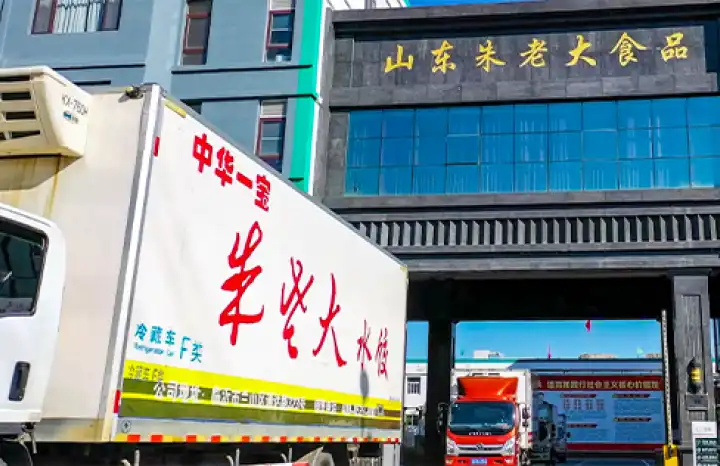
Sourcing frozen dumplings at scale is a decision that touches product quality, food safety, logistics, and long-term margin management. The right supplier offers more than a good-tasting product — they bring certified processes, transparent ingredient sourcing, flexible packaging, and the capacity to deliver consistently through peak demand. Shandong Zhu Laoda Food Co., Ltd., founded in 2001 and operating as one of the most advanced frozen food facilities in southern Shandong, meets these benchmarks across the board. Their pork and kidney beans dumplings represent a tested, repeatable product with strong downstream reorder rates.
FAQ
Are kidney beans in frozen dumplings safe to eat?
Yes, as long as the person who makes it does the right things to treat it first. Kidney beans must be boiled at high temperatures before they can be used in industry. This kills phytohaemagglutinin, a natural poison that is found in raw beans. In order to follow the HACCP guidelines, Zhulaoda sees this as a Critical Control Point. Before you eat frozen dumplings, make sure they are fully cooked all the way through.
What is the shelf life of Zhulaoda's frozen dumplings?
Zhulaoda's pork and kidney beans dumplings have a 12-month shelf life if kept at -18°C or below all the time, according to the product standard SB/T 10412.
What packaging sizes are available for bulk orders?
It comes in three different weights: 450g, 1kg, and 2.5kg. Their OEM/ODM program lets wholesalers who make their own names get packages that are made just for them.
How do I cook these dumplings?
After that, boil them for six to eight minutes or until they start to float. After that, either steam them for 10 to 12 minutes or fry them in a pan with a little water until they are golden and crispy. Serve with soy sauce, vinegar, or chili oil.
Do these dumplings contain common allergens?
Yes. Among the ingredients are wheat flour and more soy-based goods. Food labeling rules say that all retail packaging should list any wheat or soy allergens that are present.
Partner With Zhulaoda — a Trusted Pork and Kidney Beans Dumplings Supplier
Since 2001, Zhulaoda has offered approved frozen dumplings to restaurants, grocery stores, and other businesses. As a verified manufacturer of pork and kidney beans dumplings with ISO 9001, HACCP, and QS certifications, Zhulaoda accepts bulk wholesale orders, OEM private label programs, and flexible packaging formats. You can try making an order. Get in touch with them directly to talk about prices, sample requests, or agreements to supply them whole year. Email sdzldsp@163.com to start your question right away.
References
1. Food and Agriculture Organization of the United Nations. Codex Alimentarius: General Standard for Contaminants and Toxins in Food and Feed. FAO/WHO, 2019.
2. Shi, J., & Bhupinder, S. Functional Food Ingredients and Nutraceuticals: Processing Technologies. CRC Press, 2006.
3. China National Food Safety Standard. GB 19295: Quick-Frozen Noodle-Rice Food. National Health Commission of China, 2011.
4. Shewry, P. R., & Hey, S. J. "The contribution of wheat to human diet and health." Food and Energy Security, 2015.
5. Roy, F., Boye, J. I., & Simpson, B. K. "Bioactive proteins and peptides in pulse crops: Pea, chickpea and lentil." Food Research International, 2010.
6. International Institute of Refrigeration. Cold Chain Management in the Food Industry: Global Standards and Best Practices. IIR, 2020.
Learn about our latest products and discounts through SMS or email