- English
- French
- German
- Portuguese
- Spanish
- Russian
- Japanese
- Korean
- Arabic
- Greek
- German
- Turkish
- Italian
- Danish
- Romanian
- Indonesian
- Czech
- Afrikaans
- Swedish
- Polish
- Basque
- Catalan
- Esperanto
- Hindi
- Lao
- Albanian
- Amharic
- Armenian
- Azerbaijani
- Belarusian
- Bengali
- Bosnian
- Bulgarian
- Cebuano
- Chichewa
- Corsican
- Croatian
- Dutch
- Estonian
- Filipino
- Finnish
- Frisian
- Galician
- Georgian
- Gujarati
- Haitian
- Hausa
- Hawaiian
- Hebrew
- Hmong
- Hungarian
- Icelandic
- Igbo
- Javanese
- Kannada
- Kazakh
- Khmer
- Kurdish
- Kyrgyz
- Latin
- Latvian
- Lithuanian
- Luxembou..
- Macedonian
- Malagasy
- Malay
- Malayalam
- Maltese
- Maori
- Marathi
- Mongolian
- Burmese
- Nepali
- Norwegian
- Pashto
- Persian
- Punjabi
- Serbian
- Sesotho
- Sinhala
- Slovak
- Slovenian
- Somali
- Samoan
- Scots Gaelic
- Shona
- Sindhi
- Sundanese
- Swahili
- Tajik
- Tamil
- Telugu
- Thai
- Ukrainian
- Urdu
- Uzbek
- Vietnamese
- Welsh
- Xhosa
- Yiddish
- Yoruba
- Zulu
How Do Chinese Cabbage and Tofu Dumplings Compare With Pork for Diets?
When evaluating plant-based frozen dumplings against traditional meat-filled varieties, the nutritional and dietary differences are substantial. Chinese cabbage and tofu dumplings deliver a lighter macronutrient profile — lower in saturated fat and calories — while still providing meaningful plant-based protein from soy. Pork dumplings, by contrast, carry higher fat content and cholesterol. For health-conscious consumers, vegans, or those managing cardiovascular risk, the vegetable-tofu variety offers a compelling advantage. This comparison matters especially to B2B buyers sourcing products that align with growing plant-forward demand across U.S. retail and foodservice channels.
Nutritional Comparison: Plant-Based Versus Pork Dumplings
The difference in macronutrients between these two types of dumplings is important for anyone shopping for health foods. Pork dumplings usually have 12 to 18 grams of fat per 100 grams, with a lot of that being saturated fat. Dumplings made from vegetables and tofu, even ones made with Chinese cabbage, usually have 4–8g of total fat per 100g. Since they are made with veggie oil instead of animal butter, there is almost no saturated fat.
The USDA says that 100 grams of hard tofu has about 8 grams of protein, no cholesterol, and very little fatty fat. This makes tofu a good source of protein for people who are watching their heart health or following low-fat diet plans.

Micronutrients and Fiber Advantages
Along with vitamins C and K, calcium, and antioxidants like glucosinolates, Chinese cabbage is a good source of nutritional fiber. These chemicals help keep your digestive system and immune system healthy in ways that pork-filled dumplings just can't match. The fiber in vegetable-based dumplings makes you feel full without having as many calories as meat-based options, so they are great for people who are trying to lose weight.
Suitability Across Dietary Categories
To get vegan certification, it's important that there are no animal-derived ingredients in any part of the recipe, even in the oils and flavor enhancers. When looking for vegan-labeled store brands, buyers should make sure that the filling and seasoning don't contain any lard, meat extract, or dairy products. Chinese cabbage and tofu dumplings are a typical example where the filling and seasoning must be carefully checked. This is exactly where clear chemical paperwork becomes a key factor in the buying decision.
Culinary and Production Differences That Shape Consumer Experience
The process of making veggie dumplings is technically different from making pork dumplings, and these changes have a direct effect on how the finished food tastes. Managing the moisture is the hardest part of making tofu and onion layers. If you don't properly osmotic dehydrate the cabbage and use firm tofu that has been hydraulic-pressed, the wrapper will get soggy during cooking. This is a well-known quality failure in mass-produced vegetable dumplings.
In industrial-grade production, this is fixed in two steps: first, the cabbage is salted to remove water from the cells, and then it is centrifuged to separate the proteins before the tofu is added. During the cooking process, the tofu works as a moisture cushion, reabsorbing any extra liquid and keeping its shape.
Cooking Method Versatility
When you boil, steam, or pan-fry, the wrapper and filling react in different ways. For frying in a pan, a flour blend with more amylose helps the base get a Maillard brown color without blistering or absorbing too much oil. When you steam cabbage, you keep most of the vitamins and the silky structure of the tofu. The most common way to prepare dumplings is still to boil them, and this method works well for all of them.
Wrapper Quality and Dough Innovation
The way the dough is made affects both the structure and where it is sold. Standard wraps made from wheat give you chew and flexibility. Adding modified tapioca starch makes the product more resistant to freeze-thaw cycles, which is very important for goods that have to go through a long cold chain before they reach stores. Buyers who want to reach gluten-sensitive customers may look into different types of wrappers, but allergen documentation needs to be updated to reflect these changes.

Market Availability and Procurement Realities for Bulk Buyers
In terms of the supply chain, getting plant-based frozen dumplings on a large scale means looking at things like shelf life, cold-chain compatibility, and minimum order quantity (MOQ). If you make Chinese cabbage and tofu dumplings in a certified facility and keep them at -18°C all the time, they will last for 12 months. This is helpful for cross-border e-commerce and multi-warehouse distribution models.
Here are the most important things to think about when buying this kind of product that make sellers reliable:
- Certifications and compliance documentation: Allergen declarations (wheat and soy are the standard disclosures for tofu-cabbage dumplings), production license numbers, and product standard codes such as SB/T 10412 signal regulatory readiness for import markets.
- Packaging flexibility: Buyers building private-label lines need suppliers that offer customizable formats — such as 450g, 1kg, and 2.5kg options — without prohibitive MOQ thresholds during the brand launch phase.
- Dedicated production lines: Cross-contamination from pork or shellfish lines is a disqualifying risk for vegan-certified products. Written confirmation of line segregation is non-negotiable for brands making "100% plant-based" claims.
With these factors, you can tell the difference between sellers who can help a brand grow and those who can only offer commodity numbers. Buyers who do detailed factory checks and ask for production records early on in the qualification process are less likely to run into compliance problems at the customs or store onboarding stages.
Health and Lifestyle Implications for End Consumers
According to the yearly report of the Good Food Institute, the market for plant-based foods in the US hit $8 billion in sales in 2023. One of the fastest-growing subcategories in this space is frozen Asian-style dumplings. This is because consumers are interested in global flavors and are eating less cholesterol and clean labels.
While many people enjoy eating pork, there is evidence that eating a lot of processed or fatty cuts can raise LDL cholesterol levels. The American Heart Association says that saturated fat should make up less than 6% of daily calories. Diets that are high in pork can easily go over this limit. For example, cabbage and tofu vegetable-tofu cakes easily fit with heart-healthy eating plans like the Mediterranean or DASH diets.
Food service and retail businesses that sell plant-based Asian dumplings say they have strong cross-over appeal. The products appeal to both strict vegans and flexitarians who want to eat less meat without giving up their favorite comfort foods. This makes it possible to reach a lot more customers than just those who use specialty health outlets.
Strategic Recommendations for B2B Buyers Evaluating Dumpling Categories
A basic source choice is which type of dumplings to sell through which store channels. Vegan-friendly natural food stores and online health food marketplaces put a high value on clear ingredient lists and verified plant-based claims. Asian-American communities may put a high value on authentic flavor profiles and traditional seasonings when ethnic food distributors deliver their goods. Meal kit services that care about your health look for forms that help you control your portions and clean labels. It's very helpful for businesses if their suppliers can customize the fillings, seasonings, and graphics on the packaging for all of these market segments.
Supplier relationships that include collaborative R&D, like making samples over and over again before committing to a large batch, lower the chance of having to make expensive changes to the formula after the launch. Maintaining the integrity of the cold chain from production to delivery is also very important. Temperature changes above -10°C speed up the re-freezing of ice and permanently damage the texture of tofu.
Conclusion
Chinese cabbage and tofu dumplings are healthier than pork dumplings in almost every way that matters to today's health-conscious consumer: they have less saturated fat, no cholesterol, more fiber, and are fully vegan-friendly. This group of products has a lot of economic momentum and formulation options for B2B buyers who want to build plant-based private label lines or grow into health-focused retail channels. To successfully source goods, it's important to work with manufacturers who have both the technical know-how to handle moisture and freeze-thaw stability and the strict documentation needs of modern retail compliance.
FAQ
What makes tofu and cabbage dumplings suitable for vegan labeling?
There are no animal-based ingredients in the filling, like lard, meat extract, dairy, or eggs. As for the fat, it comes from veggie oil and tofu. For official vegan approval, buyers should ask for written proof that seasonings and processing tools don't contain any additives that come from animals.
How long is the shelf life under frozen storage?
The shelf life is 12 months if kept at -18°C or below all the time. Changes in temperature above -10°C speed up the re-crystallization of ice and make the tofu less firm, so it's important that the cold chain stays connected throughout distribution.
What allergens are present in standard tofu and cabbage dumplings?
The main allergens are wheat and soy, which come from the wheat flour wrapper and the tofu filling. People who are looking for products with "free-from" claims should make sure that the production line is used only for that product and not for things that contain eggs, peanuts, or shellfish.
What packaging sizes are available for private-label orders?
450g, 1kg, and 2.5kg formats are all standard. Through OEM/ODM agreements, you can get custom package design and branding. For brand cold-start programs, the minimum order number is about 500 kg.
Source Your Chinese Cabbage and Tofu Dumplings Manufacturer With Zhulaoda
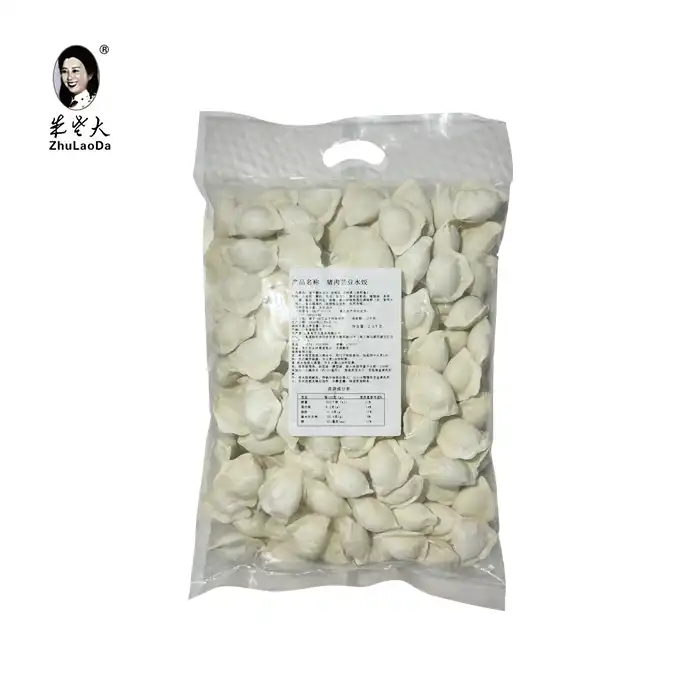
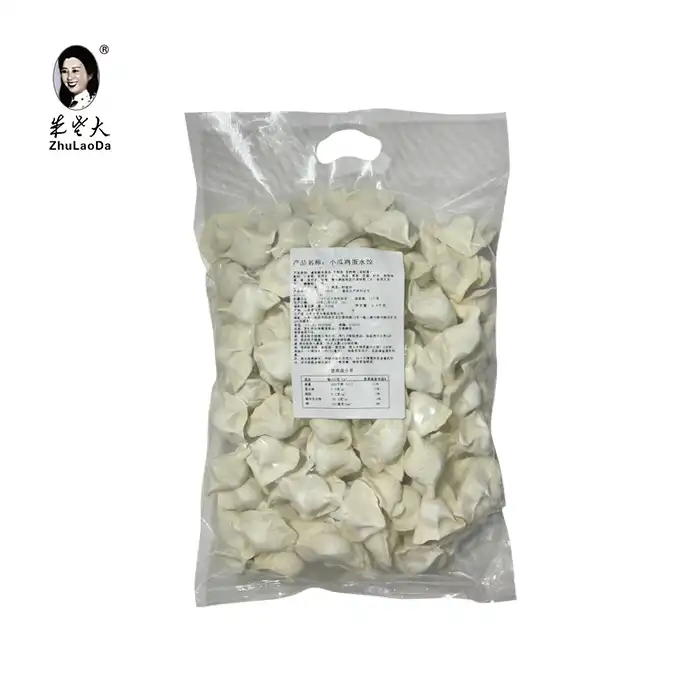
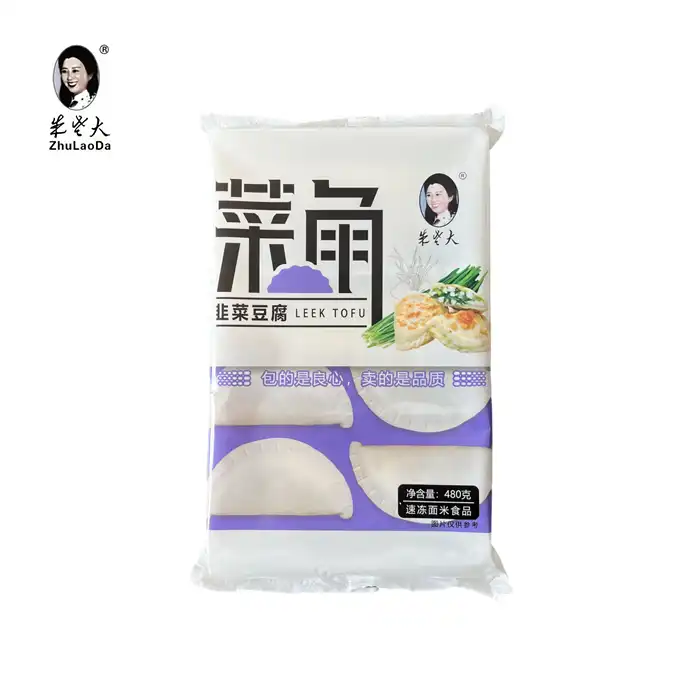
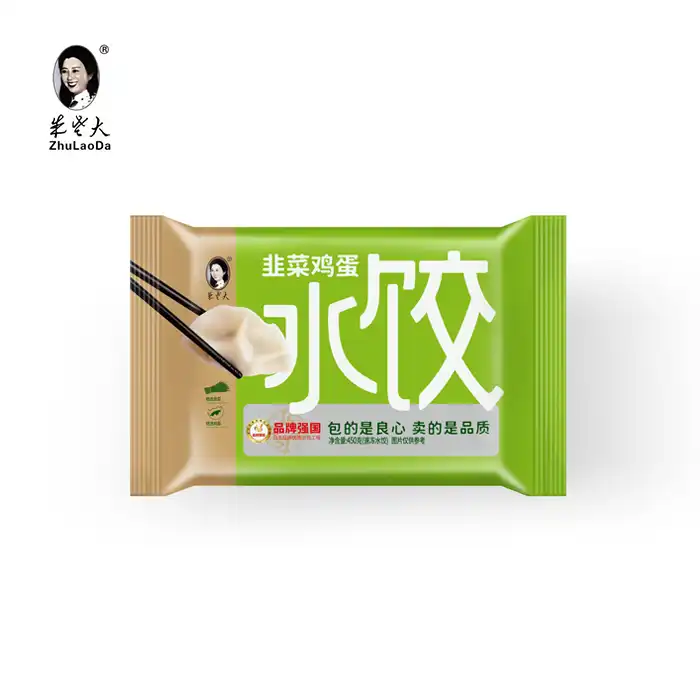
Zhulaoda has been a qualified frozen dumpling maker since 2001. They have three automated production lines and more than 8,000 tons of cold store space. As a Chinese cabbage and tofu dumplings supplier, we can do full OEM/ODM customization, private-label packaging from 450g to 2.5kg, and a frozen shelf life of 12 months according to SB/T 10412 standards. We give you full allergen documentation and line-segregation records to help you meet your legal obligations. You can email us at sdzldsp@163.com or go to zhulaodadumpling.com to ask for samples and talk about your sourcing needs.
References
1. USDA Agricultural Research Service. FoodData Central: Nutritional Composition of Tofu and Cabbage. 2022.
2. Good Food Institute. State of the Industry Report: Plant-Based Foods. 2023.
3. American Heart Association. Dietary Fats and Cardiovascular Disease: A Presidential Advisory. Circulation, 2017.
4. Zhang, Y., et al. Freeze-Thaw Stability of Soy Protein Gels in Frozen Food Applications. Journal of Food Engineering, 2020.
5. Tso, P., & Crissinger, K. Overview of Dietary Fiber and Gut Health. Annual Review of Nutrition, 2021.
6. Asioli, D., et al. Making Sense of the Clean Label Trend: A Review of Consumer Food Choice Behavior. Food Research International, 2017.
Learn about our latest products and discounts through SMS or email