- English
- French
- German
- Portuguese
- Spanish
- Russian
- Japanese
- Korean
- Arabic
- Greek
- German
- Turkish
- Italian
- Danish
- Romanian
- Indonesian
- Czech
- Afrikaans
- Swedish
- Polish
- Basque
- Catalan
- Esperanto
- Hindi
- Lao
- Albanian
- Amharic
- Armenian
- Azerbaijani
- Belarusian
- Bengali
- Bosnian
- Bulgarian
- Cebuano
- Chichewa
- Corsican
- Croatian
- Dutch
- Estonian
- Filipino
- Finnish
- Frisian
- Galician
- Georgian
- Gujarati
- Haitian
- Hausa
- Hawaiian
- Hebrew
- Hmong
- Hungarian
- Icelandic
- Igbo
- Javanese
- Kannada
- Kazakh
- Khmer
- Kurdish
- Kyrgyz
- Latin
- Latvian
- Lithuanian
- Luxembou..
- Macedonian
- Malagasy
- Malay
- Malayalam
- Maltese
- Maori
- Marathi
- Mongolian
- Burmese
- Nepali
- Norwegian
- Pashto
- Persian
- Punjabi
- Serbian
- Sesotho
- Sinhala
- Slovak
- Slovenian
- Somali
- Samoan
- Scots Gaelic
- Shona
- Sindhi
- Sundanese
- Swahili
- Tajik
- Tamil
- Telugu
- Thai
- Ukrainian
- Urdu
- Uzbek
- Vietnamese
- Welsh
- Xhosa
- Yiddish
- Yoruba
- Zulu
Are Beef and Radish Dumplings Healthy, and What Is in Their Filling?
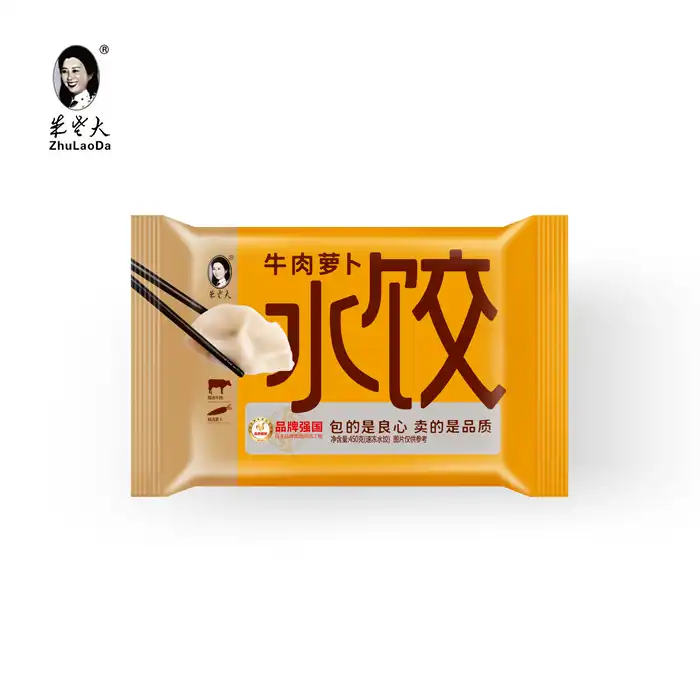
Beef and radish dumplings are a genuinely nutritious choice when made with quality ingredients. Each dumpling delivers lean protein from beef hind leg meat, dietary fiber from radish, and a balanced mix of aromatics that support digestion and satiety. The filling combines real vegetables with seasoned beef, creating a macronutrient profile that outperforms many fried snack alternatives. For food service operators sourcing frozen dumplings at scale, understanding what goes into the filling, and how it supports end-consumer health, is the foundation of a confident purchasing decision.
Nutritional Benefits of Beef and Radish Dumplings
Protein, Fiber, and Micronutrient Density
When making professional dumplings, beef hind leg meat is one of the smaller cuts that can be used. It has less saturated fat than pork belly stuffing and more complete protein, which includes all eight necessary amino acids. Radish gives you vitamin C, folate, and digestive enzymes that help your gut move. Ginger and scallions add compounds that reduce inflammation. Carrots have beta-carotene in them. When you mix these ingredients together, you get a filling that is actually good for you and not just full of empty calories.
How This Filling Compares to Pork Varieties
Because fatty shoulder or belly cuts are used, pork-based dumplings usually have more fat per serve. Lean meat products that are mixed with vegetables tend to have fewer calories overall while still having the same amount of protein. In institutional catering settings, like schools, hospitals, or corporate cafeterias where fat and sodium limits are set, this difference is important for meeting dietary compliance requirements.
These days, people read ingredient labels more and more. A filling made of traceable beef, whole veggies, and known spices makes a product look good on menus and in packaging, which helps it command higher prices and get people to buy it again.
What Is Inside the Beef and Radish Dumpling Filling?
Classic Ingredients and Their Roles
Zhulaoda's beef and radish dumplings are filled with a traditional northern Chinese recipe that is made with strict manufacturing controls. This is what each ingredient does for the final product:
- Beef Hind Leg Meat — There is a lean, fairly hard cut of beef called hind leg meat that doesn't get dry or crumbly when frozen, IQF processed, or reheated. When making a lot of dumplings, hind leg meat is preferred because it has a stable fat-to-muscle ratio and doesn't dry out when frozen.
- Radish (Daikon) — Shredded daikon adds natural wetness, a mild spicy brightness, and proteolytic enzymes that soften the beef fibers while they are being mixed. One of the biggest quality control problems in large-scale production is stopping water from moving from the radish to the wrapper. This problem can be solved by spinning pre-treatment before mixing.
- Scallions, Carrots, and Ginger — These aromatics add depth to the flavor, balance out the gamey taste of lean beef, and make the cross-section look more interesting. Bioactive compounds in ginger also help keep the flavor stable during freeze-thaw cycles.
- Soy Sauce, Edible Salt, and Seasoning Powder — These seasonings are set to a constant salt level, which means that every batch has the same taste profile, no matter how much is made.
- Expanded Soy-Based Products and Distarch Phosphate — There are expanded soy-based products and distarch phosphate. The soy part adds more protein bulk. Distarch phosphate, a modified starch, makes the wrapper more flexible and less likely to crack when temperatures change during the cold chain distribution process.
These parts work together as a whole. Changing one part of the recipe without trying the whole thing can change both the texture and the shelf life. That's why Zhulaoda's OEM/ODM process includes testing samples before any changes to the recipe are accepted for production.
Comparing Beef and Radish Dumplings with Other Varieties
Nutritional Positioning and Market Differentiation
When purchasing managers look at SKU portfolios, the differences between beef and radish dumplings and pork-cabbage or shrimp versions come down to three things: how much the food costs per unit, how much value customers think it has, and how healthy it is.
Premium products are made with radish because radish is known to help digestion in both East Asian and Western fitness settings and beef is a better source of protein than pork in many markets. The pan-fry method, which gives the food a crisp bottom and a soft, steamed top, adds a visual show that makes people want to order again at restaurants.
Fresh vs. Frozen: Quality and Shelf Life
For distribution after 48 hours, frozen dumplings made under IQF conditions at -35°C or below are more likely to keep their filling moisture and wrapper integrity than fresh-chilled ones. Zhulaoda's products can be kept for 12 months if they are stored continuously at -18°C or below. They have more than 8,000 tons of cold storage space, so they can keep supplies going during busy times. The three automatic production lines at Zhulaoda keep the weight and flavor of each batch the same. Each line can make up to 100 tons of food every day.
Procurement Considerations for Beef and Radish Dumplings
To get a lot of frozen dumplings, you need more than just low prices per unit. Before committing to rolling monthly orders, buyers of beef and radish dumplings need to make sure that four things are met.
Here are the most important qualifications that procurement teams should look at in suppliers:
- Food Safety Certifications — Zhulaoda has ISO9001, HACCP, and QS certifications (Food Production License: SC11137139600148, Product Standard: SB/T 10412), which means they meet the requirements for hospital catering bids and chain restaurant quality audits.
- Raw Material Traceability — The beef comes from JINLUO, a domestic supplier that can be tracked. Canada or the Hetao Plain are two places where wheat flour is brought in. Before going into production, each new batch is tested for bacterial, physical-chemical, and pesticide waste.
- OEM/ODM Flexibility — The piece weight, wrapper thickness, and filler salt content can all be changed to suit different regional tastes. Custom packaging options come in 450g, 1kg, and 2.5kg sizes, and private-label options are available as long as an agreement is signed to protect privacy.
- MOQ and Logistics — The minimum order quantity starts at around 500 kg, which is enough for trials in a central kitchen. Cold chain delivery at -18°C with proof of arrival temperature helps with distribution to multiple locations and food safety audit records.
Together, these factors lower the risk in the supply chain and lay the groundwork for a long-term relationship instead of a one-time deal.
Best Practices for Storage, Handling, and Cooking
Strict cold chain rules are needed to keep the standard of the product high from the plant to the table. Beef and radish dumplings must stay at or below -18°C while they are being stored or shipped. Any change in temperature above -12°C can cause ice crystals to form in the radish cells, which makes the taste worse when reheated.
There are three approved ways to cook this food in the kitchen:
Boiling produces a soft and plump outside, and the inside gets juicy. As soon as the water starts to boil, add the frozen dumplings right away. Cook for 8–10 minutes, or until the wrappers are clear and the filling reaches 75°C inside.

Steaming is the best method when keeping a steam table is needed in an educational setting. For 12 to 14 minutes at 100°C, steam something that is frozen. The modified starch in the wrapper keeps the structure solid during long storage without turning gooey.
Pan-frying delivers the signature crisp-bottom texture. Put the dumplings in a flat pan over medium-high heat with the flat side down. Add a small amount of water, cover, and steam-fry for 8–10 minutes, until the bottoms are golden and the water is gone. In places where people eat, this method leads to the most reorders.

Teaching kitchen staff and distribution partners about these requirements directly lowers quality complaints and helps keep menus consistent across multiple locations.
Conclusion
Beef and radish dumplings are a healthy food that can be used in a lot of different ways. They contain lean protein, dietary fiber, and traditional aromatics. When purchasing managers are in charge of food supply chains for chain restaurants or institutions, the most important factors are being able to track down raw materials, making sure that batches are consistent, following cold chain rules, and being able to make changes as needed. Zhulaoda can meet all of these needs with its approved manufacturing, automated production lines, and open OEM/ODM options. The item is not just a menu item; it is a high-margin, high-reorder SKU that is made to quality standards that can be checked.
FAQ
Are beef and radish dumplings suitable for gluten-free diets?
No, this item has wheat flour in the shell and soy-based ingredients in the middle. Both chemicals are known to cause allergies. People who are celiac or sensitive to gluten should stay away from this product. When buying things for healthcare facilities, procurement teams should pay attention to the allergen statement on the product packaging. The ingredients include both wheat and soybeans.
Which radish variety works best for large-scale dumpling production?
When it comes to frozen dumpling filling on a large scale, daikon (white radish, Raphanus sativus) is the standard. Its high water content is controlled by centrifugal dehydration before it is blended, and its mild flavor doesn't take away from the beef seasoning. Daikon also keeps a good texture after being frozen in IQF and then heated back up, which makes it technically better than smaller red radish types for this use.
How do I verify product freshness when receiving a frozen shipment?
Ask for temperature logs to be sent with every delivery. The product should not have any condensation on the individual pieces, should not be sticking, and should have wrapper sides that are still intact. Throw away any units that have freezer burn, obvious cracks, or strange smells after they've been thawed. Zhulaoda keeps records of production dates and batch identifications to help with food safety audits.
Source Zhulaoda Beef and Radish Dumplings for Your Food Service Operation
A well-known company called Zhulaoda has been making beef and radish dumplings for more than 20 years. They have three automated lines and an 8,000-ton cold storage facility. The team can help with sample requests, recipe changes, and large orders with certifications that can be checked. This is true whether you need a tried-and-true formula or a custom OEM specification. Get in touch with us at sdzldsp@163.com or zhulaodadumpling.com to start testing our products.
References
1. Souci, S.W., Fachmann, W., & Kraut, H. Food Composition and Nutrition Tables. 8th ed. Wissenschaftliche Verlagsgesellschaft, 2016.
2. Fellows, P.J. Food Processing Technology: Principles and Practice. 4th ed. Woodhead Publishing, 2017.
3. Zhang, B., et al. "Effect of radish variety and processing method on moisture migration in frozen dumpling fillings." Journal of Food Engineering, 2019.
4. U.S. Department of Agriculture. FoodData Central: Beef, Round, Bottom Round, Roast, Separable Lean Only. USDA Agricultural Research Service, 2022.
5. International Commission on Microbiological Specifications for Foods (ICMSF). Microorganisms in Foods 7: Microbiological Testing in Food Safety Management. Springer, 2018.
6. Codex Alimentarius Commission. General Standard for Labelling of Prepackaged Foods (CODEX STAN 1-1985, Revised 2018). Food and Agriculture Organization of the United Nations, 2018.
_1740477587099.webp)
Learn about our latest products and discounts through SMS or email