- English
- French
- German
- Portuguese
- Spanish
- Russian
- Japanese
- Korean
- Arabic
- Greek
- German
- Turkish
- Italian
- Danish
- Romanian
- Indonesian
- Czech
- Afrikaans
- Swedish
- Polish
- Basque
- Catalan
- Esperanto
- Hindi
- Lao
- Albanian
- Amharic
- Armenian
- Azerbaijani
- Belarusian
- Bengali
- Bosnian
- Bulgarian
- Cebuano
- Chichewa
- Corsican
- Croatian
- Dutch
- Estonian
- Filipino
- Finnish
- Frisian
- Galician
- Georgian
- Gujarati
- Haitian
- Hausa
- Hawaiian
- Hebrew
- Hmong
- Hungarian
- Icelandic
- Igbo
- Javanese
- Kannada
- Kazakh
- Khmer
- Kurdish
- Kyrgyz
- Latin
- Latvian
- Lithuanian
- Luxembou..
- Macedonian
- Malagasy
- Malay
- Malayalam
- Maltese
- Maori
- Marathi
- Mongolian
- Burmese
- Nepali
- Norwegian
- Pashto
- Persian
- Punjabi
- Serbian
- Sesotho
- Sinhala
- Slovak
- Slovenian
- Somali
- Samoan
- Scots Gaelic
- Shona
- Sindhi
- Sundanese
- Swahili
- Tajik
- Tamil
- Telugu
- Thai
- Ukrainian
- Urdu
- Uzbek
- Vietnamese
- Welsh
- Xhosa
- Yiddish
- Yoruba
- Zulu
How to Freeze and Reheat Pork, Chive & Shrimp Dumplings?
Knowing how to freeze and reheat pork chives dried shrimps dumplings correctly makes the difference between a soggy disappointment and a restaurant-quality bite. The process involves pre-freezing individual pieces at -18°C or below, sealing them in moisture-proof packaging, then reheating through steaming, boiling, or pan-frying at controlled temperatures. Each step directly protects the wrapper's elasticity, the chive's aroma, and the savory punch of dried shrimp. Whether you manage a foodservice operation or source frozen dumplings for retail distribution, mastering these techniques preserves product integrity from factory to table.
Understanding the Challenges of Freezing and Reheating Pork, Chive & Shrimp Dumplings
Why Texture and Flavor Degrade During Freezing
When it comes to seafood-style pork chives dried shrimps dumplings filling, the chives and dried shrimp are some of the parts that change temperature the most. When it takes a long time to freeze, big ice crystals break down the cell walls inside the chive leaves. This lets water out, which makes the shell softer and takes away some of the umami flavor that the dried shrimp give it.
On the other hand, pork fat can go bad if it's frozen for a long time and then brought back to room temperature. This can leave behind bad tastes that can't be hidden by a dipping sauce. For people who sell in bulk, these chains of degradation can begin with just one break in the cold chain above -12°C during sea freight. This might change the whole image.
Root Causes That Procurement Professionals Must Address
A lot of complaints about frozen pork chives dried shrimps dumplings are caused by three structural issues: they freeze slowly at first, the package doesn't have enough barriers, and they don't thaw properly when they're ready to be used. The size of the ice crystals changes when something slowly freezes at room temperature (-15°C to -18°C with little wind) versus quickly freezing at -35°C.
If you want to pack something like pork chives dried shrimps dumplings, don't use single-layer plastic bags that don't have moisture-vapor shields. These bags let sublimation happen, which within eight weeks causes freezer burn on the sides of the wrapping. Finding these deeper reasons isn't just for school; it changes what needs to be bought and how qualified sellers need to be.
Best Practices for Freezing Pork, Chive & Shrimp Dumplings
Individual Pre-Freezing and Airtight Packaging
Pork chives dried shrimps dumplings won't stick together if you freeze the dumplings on flat trays before putting them in bulk bags. This also protects the wrapper during the first, very important phase of crystallization. As soon as the surface is dry, put it in a sealed container that won't let water in. Each unit needs to have a clear date stamp that works with FIFO (first-in, first-out) movement, which is needed in controlled food service settings.
For the whole cold chain to work, storage temperatures must stay at or below -18°C. Here are the basic rules that make good frozen dumpling keeping different from commonly used short-cuts:
- Blast-freeze to -18°C center temperature rapidly to keep the cells of Chinese chives and shrimp tissue together and make the ice crystals as small as possible. This will cut down on drip loss when warming by a lot.
- Use multilayer moisture-proof packaging with lids that cannot be opened without heat so that air and moisture mist can't get through. For twelve months, this will keep the pork fat from going bad.
- Label every batch with production date and lot number on each batch so that it can be tracked and stock is rotated in a planned way. This lowers the chance of quality loss in places where there is a lot of stock turnover.

Importers who have to deal with a lot of different SKUs for both retail and food service platforms will find these rules very helpful. If you skip any of these steps, the whole package is more likely to go bad.
Proven Methods to Reheat Pork, Chive & Shrimp Dumplings Without Compromising Quality
Thawing Strategy Before Cooking
Never let frozen pork chives dried shrimps dumplings thaw at room temperature. Instead, put them in the fridge overnight (around 4°C) and let them thaw the next day. When it melts outside, the outside wrapper loses water faster than the inside can replace it. This makes the top gooey. It's very important for the quality of food service that the wetness moves around slowly and evenly while the food is thawing in the fridge.
Steaming, Boiling, and Pan-Frying: Matching Method to Context
You can reheat pork chives dried shrimps dumplings in a number of ways. If you choose the right one, you can keep your food from overcooking or getting mushy.
Boiling is the fastest way to cook a lot of food. Bring the frozen dumplings and pork (if using fresh or pre-cooked) and water to a full boil. The dumplings are done when they float and stay afloat for 30 seconds. This should take about 6 to 8 minutes. As soon as you drain the bag, it stops taking in more water.
Steaming at 100°C for 10–12 minutes keeps the filling moist, and the wrapper stays soft and a little see-through. For buffet-style service, it's very important to keep the steam table at 65°C or higher so that the food stays safe without breaking down the wrapping.
Pan-frying is the traditional way to make guotie so that the bottom gets crispy. Fry the dumplings in oil on a flat pan until they turn brown. After that, add a little water, cover, and let them cook for five minutes. Take off the lid to get rid of any extra water and make the base crisp again. This is the best way for restaurants to serve the pork and dried shrimp filling because it brings out their best flavors.
Nutritional and Quality Considerations for Frozen Chive Shrimp Dumplings
Ingredient-Level Nutritional Value
These pork chives dried shrimps dumplings are filled with meat from the front leg of a pork animal, Chinese herbs, dried shrimp, cabbage, and onions. Antioxidants, B vitamins, and iodine are all found naturally in chives. Together, they make up the full protein makeup. Taurine and astaxanthin are found in large amounts in dried shrimp. Astaxanthin is a type of carotene that has been shown to be good for you. High-protein wheat flour is used to make the wrapper. This flour helps gluten form, which makes it flexible, and it has complex carbohydrates, which give you energy that lasts a long time.

A study in the Journal of Food Science found that fast freezing is a better way to keep water-soluble vitamins in vegetable products than slow freezing. This directly supports the case for blast-freezing dumplings from a store over freezing them at home. The best way to heat food is to a temperature of 74°C (165°F). This keeps it safe and makes it taste great.
Allergen note: Please note that these pork chives dried shrimps dumplings have parts made from shrimp, soy, and wheat. Before putting the goods on shelves, importers who want to sell them in countries like the US, EU, Japan, and South Korea that have strict rules about allergy signs need to make sure that the labels are in more than one language.
Choosing the Right Supplier for Bulk Freezing and Distribution
What Sets a Qualified Frozen Dumpling Manufacturer Apart
To get a supplier to buy pork chives dried shrimps dumplings, you need to do more than just talk about price. Scale of production, the ability to track goods through the cold chain, and approval status are the main things that always tell you which partners you can trust and which ones you shouldn't — and chives, as a key ingredient, directly affect both cold‑chain traceability and quality consistency, so their sourcing and handling must be evaluated right alongside those three factors.
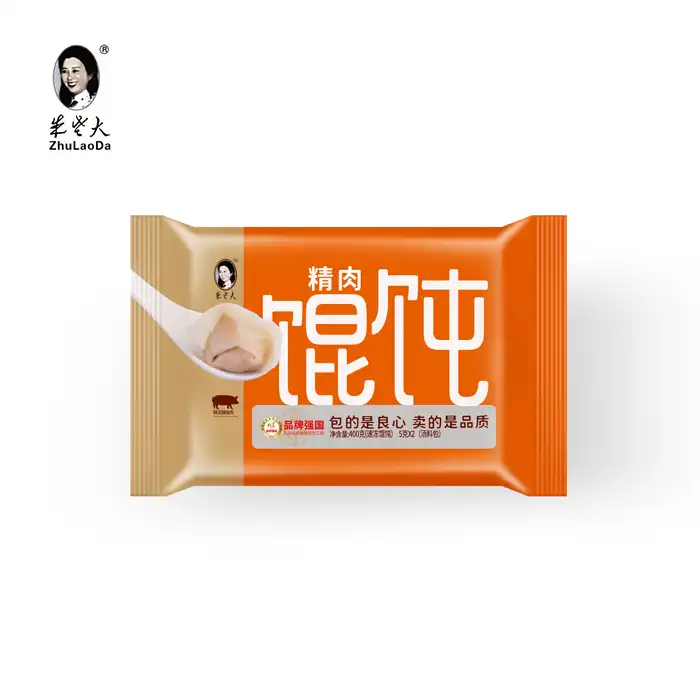
Shandong Zhulaoda Food Co., Ltd., established in 2001, has been in business. They have three robotic lines that can make up to 100 tons of food every day. It has a smart shuttle rack system and a cold storage building that can hold more than 8,000 tons of goods. Temperature tracking with GPS keeps track of the whole cold chain, from loading the container to packing it. This shows that the temperature stays below -18°C to the people in charge of imports in Japan, South Korea, and Southeast Asia.
It is possible to track raw materials back to the farms where they were grown. Fresh vegetables come straight from the farms where they are grown. Chilled pork comes from JINLUO, a well-known Chinese meat processor, and wheat flour comes from Canada and the Hetao Plain area of Inner Mongolia. The production is done with a Food Production License SC11137139600148 and the Product Standard SB/T 10412 is used.
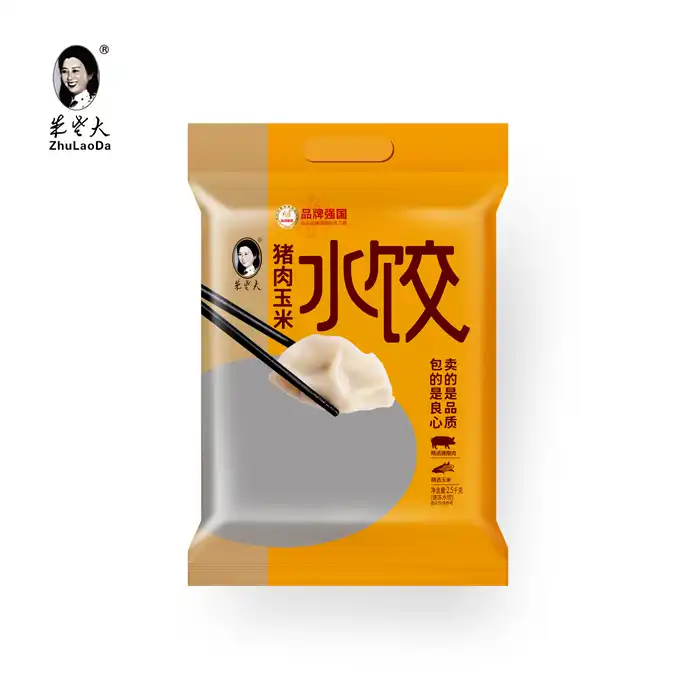
When importers offer different packaging sizes, like 450g, 1kg, and 2.5kg, they can meet the needs of both the retail and central kitchen channels at the same time. They don't have to keep track of different SKUs from different suppliers.
Conclusion
It's not just a cooking skill to know how to freeze and reheat pork chives dried shrimps dumplings the right way. It's also a manufacturing skill. The unique nutritional and taste qualities that make this filling mix stand out are kept safe by blast-freezing it to -18°C, packing it in a way that keeps out moisture, moving it using FIFO, and reheating it in the right way. When business-to-business importers are looking at their sourcing options, these technical needs help them narrow down their choices based on capability rather than just price. A plant with checked cold chain infrastructure, records of raw material sales, and export compliance papers makes the risk further down the line much lower.
FAQ
How long can frozen pork chive shrimp dumplings be stored?
According to Standard SB/T 10412, these pork chives dried shrimps dumplings can be stored for a year as long as they are always kept at -18°C or lower. Any drop in temperature above -12°C makes the ice crystals re-form faster. This should be seen as an event that shortens the shelf life and calls for a review at the lot level.
Can these dumplings be cooked directly from frozen without thawing?
Yes. If you don't want to let the pork chives dried shrimps dumplings thaw first, you can boil them for 6–8 minutes or steam them for 10–12 minutes. Both ways make the food safe and the same quality. When cooking from cold, the covered steam phase needs to last longer so that the filling can reach 74°C on the inside.
Do these dumplings contain allergens relevant to export markets?
Wheat, soy, and crustaceans (dried shrimp) are allergens in the pork chives dried shrimps dumplings. If someone is going to sell their goods in the US, Japan, South Korea, or the EU, they have to make sure that the store and food service packaging has allergen statements in the language of the market they want to sell to.
Is customized packaging available for private-label retail?
You can choose from 450g, 1kg, or 2.5kg packing options for pork chives dried shrimps dumplings at Zhulaoda, and they can be changed to fit your needs. Talk to the team about your private label needs, the need for labels in more than one language, and the minimum order amount for trial shipping.
Partner with Zhulaoda — Trusted Pork Chives Dried Shrimps Dumplings Supplier
For more than 20 years, Zhulaoda has been making frozen pork chives dried shrimps dumplings. They use their knowledge in all of their business talks. As an authorized manufacturer of pork chives dried shrimps dumplings with a daily capacity of 100 tons, GPS cold chain tracking, and flexible 450g–2.5kg packing, we assist importers from the initial samples through the full container delivery. Right away, get in touch with us at sdzldsp@163.com to ask for product specs, safety paperwork, or a shipment of a trial sample.
References
1. Journal of Food Science — "Effects of Freezing Rate on Quality Attributes of Frozen Dumplings," 2019.
2. Food Control — "Cold Chain Temperature Management and Frozen Food Quality Preservation," 2021.
3. Comprehensive Reviews in Food Science and Food Safety — "Allergen Labeling Regulations for Crustacean-Containing Frozen Foods in Global Markets," 2020.
4. LWT – Food Science and Technology — "Impact of Blast Freezing on Texture and Nutritional Retention in Vegetable-Meat Composite Fillings," 2018.
5. Food and Bioprocess Technology — "Oxidative Stability of Pork-Based Frozen Products Under Varying Storage Conditions," 2022.
6. Journal of Agricultural and Food Chemistry — "Antioxidant Properties of Astaxanthin in Dried Shrimp and Their Retention After Thermal Processing," 2017.


Learn about our latest products and discounts through SMS or email