- English
- French
- German
- Portuguese
- Spanish
- Russian
- Japanese
- Korean
- Arabic
- Greek
- German
- Turkish
- Italian
- Danish
- Romanian
- Indonesian
- Czech
- Afrikaans
- Swedish
- Polish
- Basque
- Catalan
- Esperanto
- Hindi
- Lao
- Albanian
- Amharic
- Armenian
- Azerbaijani
- Belarusian
- Bengali
- Bosnian
- Bulgarian
- Cebuano
- Chichewa
- Corsican
- Croatian
- Dutch
- Estonian
- Filipino
- Finnish
- Frisian
- Galician
- Georgian
- Gujarati
- Haitian
- Hausa
- Hawaiian
- Hebrew
- Hmong
- Hungarian
- Icelandic
- Igbo
- Javanese
- Kannada
- Kazakh
- Khmer
- Kurdish
- Kyrgyz
- Latin
- Latvian
- Lithuanian
- Luxembou..
- Macedonian
- Malagasy
- Malay
- Malayalam
- Maltese
- Maori
- Marathi
- Mongolian
- Burmese
- Nepali
- Norwegian
- Pashto
- Persian
- Punjabi
- Serbian
- Sesotho
- Sinhala
- Slovak
- Slovenian
- Somali
- Samoan
- Scots Gaelic
- Shona
- Sindhi
- Sundanese
- Swahili
- Tajik
- Tamil
- Telugu
- Thai
- Ukrainian
- Urdu
- Uzbek
- Vietnamese
- Welsh
- Xhosa
- Yiddish
- Yoruba
- Zulu
Pork and Kidney Bean Dumplings vs Pork and Chive
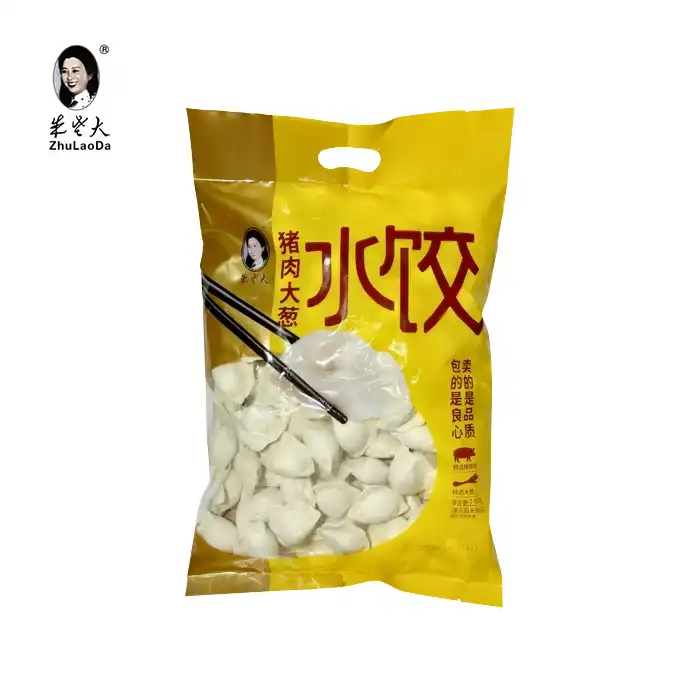
When comparing pork and kidney bean dumplings to pork and chive dumplings, both varieties carry strong commercial appeal—but they serve different market needs. Pork and kidney bean dumplings deliver a hearty, protein-dense filling with satisfying texture, making them a staple for northern Chinese households and bulk foodservice buyers.
Pork and chive dumplings, by contrast, offer a lighter, aromatic profile that moves quickly in retail settings. Understanding these differences helps wholesale distributors and procurement managers make smarter stocking decisions, especially when targeting high-turnover SKUs during peak seasons like Chinese New Year and Winter Solstice.
Understanding the Core Ingredients and Their Impact on Dumpling Profiles
Ingredient choice is not cosmetic—it directly determines how a dumpling performs on the shelf, in the kitchen, and on the plate.
Kidney Beans: Density, Fiber, and Structural Integrity
Kidney beans provide plant-based protein, fiber, and vitamins for fullness. Their dense cell structure doesn't break down when boiled or held steam, making them dependable in canteens and institutional meals where dumplings are cooked. The USDA reports that 100 grams of cooked kidney beans include 8.7 grams of protein and 6.4 grams of fiber, which are helpful for dieters and meal planners. Kidney beans, pork, scallions, coriander, ginger, soy sauce, and vegetable oil are blended to form Zhulaoda's filling, which is flavorful, well-balanced, and gratifying.

Chives: Aroma, Digestion, and Lighter Appeal
Dumplings with pork and chives have a strong, sulfur-based flavor. Allicin chemicals in chives help the body digest food and give the filling a strong smell. Their soft, leafy structure makes them feel lighter in the mouth than fillings made from beans. Because of this, they're popular in fast food restaurants and home stores.
However, their high moisture content makes them hard to store frozen—moving moisture around during long cold-chain distribution can damage the wrapper's structure. People who like both fillings stick with them, so smart distributors usually keep both on hand. The most important thing is to know which one goes faster in your trade area.
Production and Cooking Methods: Best Practices for Each Dumpling Type
Production discipline separates commodity dumplings from consistent, high-quality SKUs—and the differences between kidney bean and chive dumplings start at the ingredient prep stage, with pork and kidney bean dumplings exemplifying how protein-rich fillings demand precise handling to avoid textural breakdown, whereas chive versions prioritize moisture control from the vegetable itself.
Pre-Treatment Protocols That Protect Quality
Before they can be added to the filling, kidney beans need to be blanched. This step turns off phytohaemagglutinin (PHA), a naturally produced lectin that can make you sick if you eat something that isn't fully cooked. Before the filling goes to the wrapping line, industrial makers have to do hemagglutination tests to make sure that all of the toxins have been removed. Under HACCP rules, this is an unchangeable critical control point (CCP).
Chive fillings, on the other hand, need to be kept from releasing water and weakening the wrapper during freezing. This is usually done by osmotic drying through pre-salting. Three automatic production lines at Zhulaoda's plant in southern Shandong handle up to 100 tons of work every day.
The plant has centrifuges, veggie cutters, and meat grinders that are all set up to make sure that the fill weight and structure are always the same. Individual Quick Freezing (IQF) tubes keep food fresh right after they are made, protecting the skin's flexibility and the filling's cohesiveness for 12 months at -18°C.
The cooking is easy for end users. There are three ways to make Zhulaoda's pork and kidney bean dumplings:
- Boiling: Put frozen dumplings right into water that is boiling. After 6 to 8 minutes of cooking, they should float and the skin should become clear. Drain, then serve with sauce to dip. This way keeps the filling's wetness and lets the kidney bean texture shine through.
- Steaming: Put the dumplings in a bamboo or metal steamer that has been lined with parchment paper. Set the steamer on high for 10 to 12 minutes. This makes the skin a little harder and intensifies the smell of the savory filling, which is what restaurants like.
- Pan-frying (Potsticker style): Put a thin layer of oil in a flat pan and add the dumplings flat-side down. Fry until the bottom turns golden. Then add a little water, cover, and steam for 5 minutes. Remove the lid and fry until crisp. This method works well for shoppers who want variety and a high-end show.

These methods give wholesale buyers the flexibility to position the product across multiple channel formats—from canteen trays to retail packaging with home-cook instructions.
Market Comparison: Demand, Supplier Landscape, and Pricing Dynamics
Wholesale Demand Patterns and SKU Velocity
It's possible that pork and chive dumplings are the most popular frozen dumpling item. Repurchase is driven by familiarity. Pork and kidney bean dumplings, however, are equally vital in specific regions: in northern and northeastern China, especially in Hebei, Liaoning, Shanxi, and Gansu provinces, where kidney beans are common and the taste feels truly local, there is strong and constant demand for pork and kidney bean dumplings. Stocking both types protects against seasonal risk and increases store placement for distributors who serve towns in three to five prefectures.
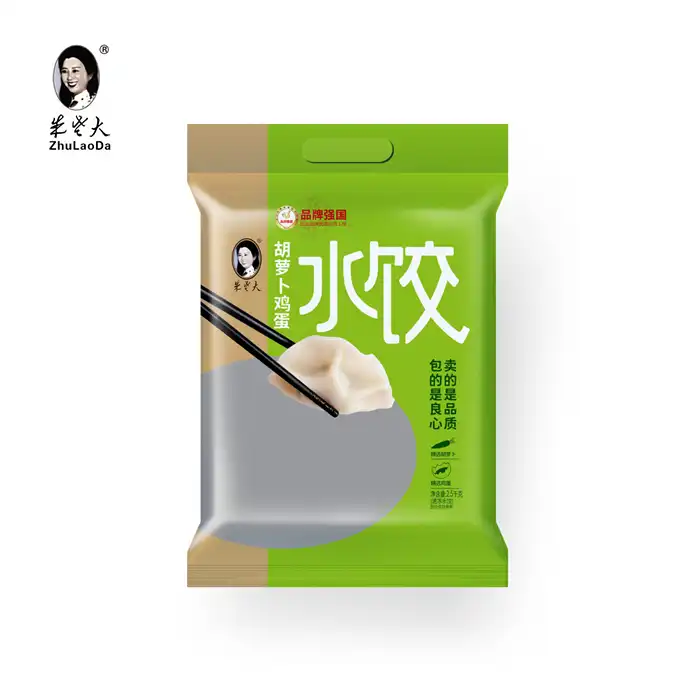
The two have different changes in the cost of raw materials. Chive prices change with the seasons and are affected by bad weather. As a legume crop with longer storage windows after harvest, kidney beans have a more stable price, which can mean more stable wholesale prices. Zhulaoda's 2.5 kg bulk packaging is made for wholesale and semi-wholesale channels. It supports both direct retail markup and split-pack resale to community stores and food stands.
Use Cases and Application Scenarios in the Foodservice and Retail Sectors
B2B Channels: Where Each Product Fits
Both types can be used in a wide range of business situations, but their strengths differ when it comes to adoption. These are the core channel apps that you should look at:
- Institutional catering and central kitchens: For institutional dining and central kitchens, pork and kidney bean dumplings stay together better than chive-based forms after being steamed for a long time. When kept warm in batch service settings, the thicker filling doesn't shrink or leak liquid, which is useful in university cafeterias, workplace canteens, and hospital food programs.
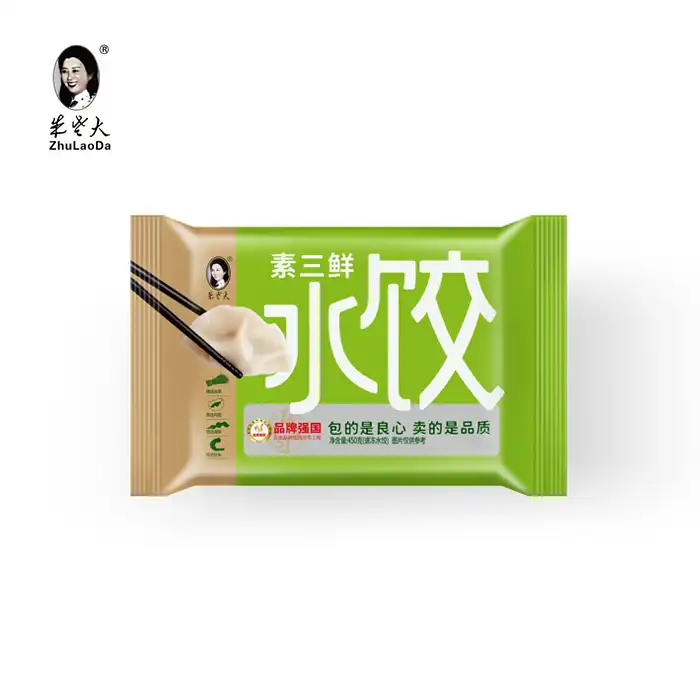
- Retail cold-chain distribution: Both SKUs do well in the frozen food sections of grocery stores. Kidney bean dumplings that are advertized as a "northern regional specialty" stand out on store shelves where cabbage and chive varieties are common. The 450g and 1 kg sizes from Zhulaoda work well for standard store facings, while the 2.5 kg size is best for club-format and wholesale club sales.
- OEM and private-label manufacturing: Zhulaoda's production infrastructure, which includes ISO9001, HACCP, and QS certifications, supports custom label production for regional distributors who want to sell only certain SKUs in their area.
These channel options give procurement managers genuine flexibility when planning seasonal inventory and promotional campaigns around Zhulaoda's reliable cold-storage capacity of over 8,000 tons, kidney beans included as a core stock-keeping item to leverage that infrastructure efficiently.
Final Comparative Analysis and Strategic Recommendations for B2B Clients
Distributors who are serious about their work shouldn't have to choose between the two types. People who want a filling, high-protein meal that tastes like it came from the area like pork and kidney bean dumplings. People who want a familiar smell and a lighter texture like pork and chive dumplings. By stocking both, you can make a mix that appeals to a bigger range of people without slowing down the speed of any one SKU.
Zhulaoda gets its chilled fresh pork from Jinluo, its high-quality wheat flour from the Hetao Plain and Canadian imports, and its fresh vegetables from markets where they grow. This way, the company can be sure that the raw materials used in both of its product lines are consistent. The company's smart cold-storage shuttle rack system keeps stock from going bad during times of high demand. This is a big plus for dealers who place big orders ahead of the Winter Solstice and Spring Festival.
Conclusion
Both kinds of dumplings deserve to be in a well-organized stock of frozen foods. Pork and kidney bean dumplings have a hearty flavor, are strong, and are in high demand in the northern markets. Pork and chive dumplings smell good and are easy for most people to recognize. The best way to buy things is to use both, making sure that each type is matched with the right outlet, user group, and season. Zhulaoda is a reliable and experienced manufacturing partner that wholesalers looking for a steady supply, clear price, and proven product quality should look into.
FAQ
Q1: Are pork and kidney bean dumplings safe for people who have never cooked beans before?
Yes. In industrial production, kidney beans must be fully blanched before they can be filled. This gets rid of phytohaemagglutinin (PHA). Zhulaoda follows HACCP-approved procedures, and before they are packaged, all batches are tested for hemagglutination to make sure that the toxin has been destroyed.
Q2: What is the shelf life and storage requirement?
If you keep Zhulaoda's frozen dumplings at -18°C or below, they will last for 12 months. The food production license number is SC11137139600148, and the product standard is based on SB/T 10412.
Q3: What packaging sizes are available for wholesale buyers?
You can choose from 450g, 1 kg, or 2.5 kg sizes. The 2.5 kg bulk pack is perfect for wholesalers and stores that sell some items at a discount.
Q4: Do the dumplings contain common allergens?
There are parts of soybeans and wheat flour in the recipes. For proper marking compliance, buyers should let their downstream store partners know about this.
Q5: Can Zhulaoda handle sales for OEM or private label?
Yes. Zhulaoda's approved production infrastructure makes it possible to make unique labels. For details, email the team at sdzldsp@163.com or go to zhulaodadumpling.com.
Partner with Zhulaoda — Your Trusted Pork and Kidney Bean Dumplings Supplier
Zhulaoda has operated as a full-scale frozen food manufacturer since 2001, producing up to 100 tons daily with 8,000+ tons of cold storage capacity. Whether you are sourcing pork and kidney bean dumplings for wholesale distribution, institutional catering, or retail placement, Zhulaoda delivers consistent quality, stable supply, and flexible packaging. Reach out today at sdzldsp@163.com or explore our full product catalog at zhulaodadumpling.com to request samples and pricing.
References
1. USDA Agricultural Research Service. FoodData Central: Nutritional Composition of Cooked Kidney Beans. 2023.
2. Food and Agriculture Organization of the United Nations. Legumes: Seeds of Life. FAO, 2016.
3. China National Standard GB 19295. Quick-Frozen Dumplings: Food Safety National Standard. 2021.
4. SB/T 10412. Quick-Frozen Dumplings: Commercial Industry Standard. Ministry of Commerce of China, 2007.
5. Shi, J., & Thiyam, U. Functional Food Ingredients and Nutraceuticals: Kidney Bean Bioactives and Processing Effects. CRC Press, 2015.
6. Euromonitor International. Frozen Ready Meals and Dim Sum: Asia-Pacific Market Report. 2022.

Learn about our latest products and discounts through SMS or email