- English
- French
- German
- Portuguese
- Spanish
- Russian
- Japanese
- Korean
- Arabic
- Greek
- German
- Turkish
- Italian
- Danish
- Romanian
- Indonesian
- Czech
- Afrikaans
- Swedish
- Polish
- Basque
- Catalan
- Esperanto
- Hindi
- Lao
- Albanian
- Amharic
- Armenian
- Azerbaijani
- Belarusian
- Bengali
- Bosnian
- Bulgarian
- Cebuano
- Chichewa
- Corsican
- Croatian
- Dutch
- Estonian
- Filipino
- Finnish
- Frisian
- Galician
- Georgian
- Gujarati
- Haitian
- Hausa
- Hawaiian
- Hebrew
- Hmong
- Hungarian
- Icelandic
- Igbo
- Javanese
- Kannada
- Kazakh
- Khmer
- Kurdish
- Kyrgyz
- Latin
- Latvian
- Lithuanian
- Luxembou..
- Macedonian
- Malagasy
- Malay
- Malayalam
- Maltese
- Maori
- Marathi
- Mongolian
- Burmese
- Nepali
- Norwegian
- Pashto
- Persian
- Punjabi
- Serbian
- Sesotho
- Sinhala
- Slovak
- Slovenian
- Somali
- Samoan
- Scots Gaelic
- Shona
- Sindhi
- Sundanese
- Swahili
- Tajik
- Tamil
- Telugu
- Thai
- Ukrainian
- Urdu
- Uzbek
- Vietnamese
- Welsh
- Xhosa
- Yiddish
- Yoruba
- Zulu
How to Import Chinese Cabbage and Tofu Pan Fried Dumplings for Buyers
Importing Chinese cabbage and tofu pan fried dumplings into the U.S. market requires a clear understanding of food safety regulations, cold chain logistics, and supplier verification. These plant-based frozen dumplings — filled with napa cabbage, firm tofu, vermicelli, scallions, and ginger — have gained steady traction among health-conscious American consumers. This guide walks B2B buyers, OEM brands, and distributors through every step: from evaluating Chinese suppliers and managing documentation to customizing formulas for clean-label positioning. Whether you are launching a private-label SKU or scaling an existing product line, this resource gives you a practical foundation.
Understanding the Import Landscape for Vegetable Dumplings
In the U.S., the market for frozen dumplings has slowly grown. Based on data from the USDA, frozen prepared foods from China make up a big part of Asian food products. People in this group like plant-based and vegetarian dumplings more now that they are interested in meatless fast foods.
Regulatory Requirements You Must Know
Everything that is brought in frozen must follow the 21 CFR rules made by the FDA. Some of these rules say that allergies, net weight, and the place of origin must be properly labeled. You have to list wheat and soy as allergens in cabbage tofu rolls since they are both in the food. Any package that wants to come to a U.S. port must first go through the FDA's Prior Notice system.
Market Trends Driving Demand
Nielsen data shows that sales of frozen plant-based foods in the U.S. increased by over 10% from 2020 to 2023. Dumplings called guotie that are fried in a pan do well on social media because they look good and are crunchy. Because of this, health food brands that want to share content will really like them.
Customs Documentation Checklist
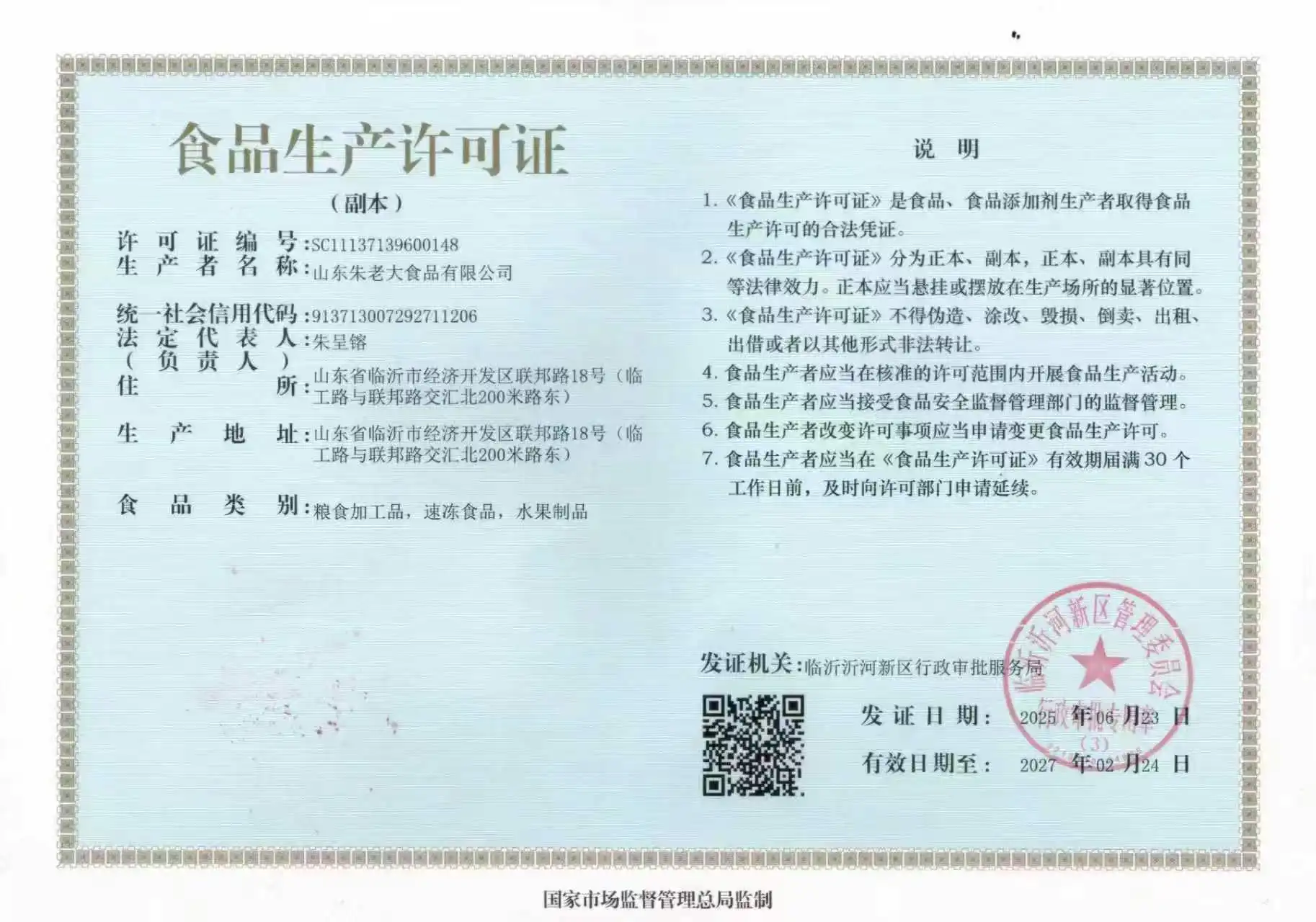
Every package that is brought into the country must have a business statement, a packing list, a bill of lading, and proof of origin. Customs officials in China (GACC) should also be asked for a health document by people who want to buy frozen food from China. Check to see if the food seller has a legal license. The company Zhulaoda was given a license under product standard SB/T 10412. Its license number is SC11137139600148. Chinese cabbage and tofu pan fried dumplings are a good example of a product where this documentation chain matters most, since the tofu filling is the component most sensitive to temperature abuse during transit.
Essential Criteria for Choosing the Right Frozen Dumpling Supplier
Some Chinese dumpling factories can't follow the strict rules that U.S. health food brands have about following the rules and making changes. The right source should be honest and open, able to make things, and able to adapt to different recipes.
Production Capacity and Certifications
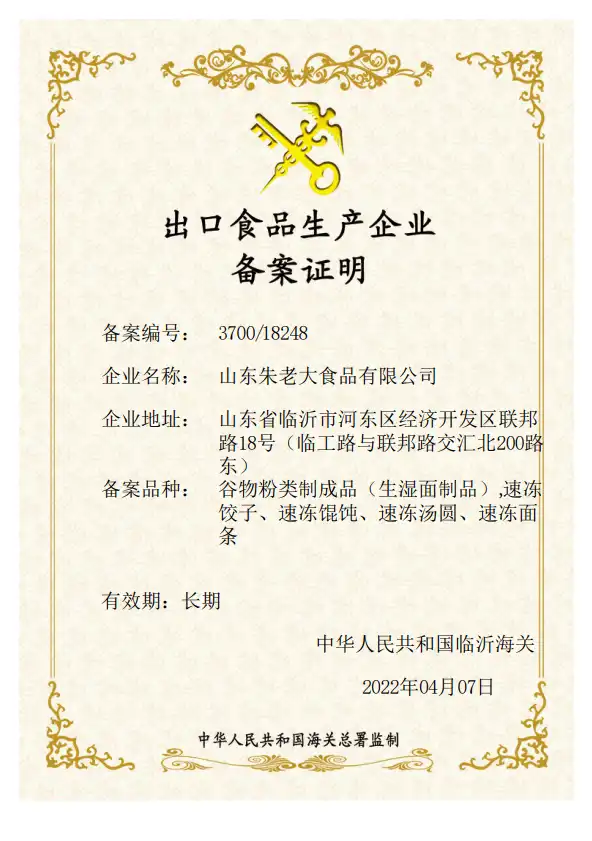
At the very least, an honest provider should be certified by ISO 9001 and HACCP. Five years ago, Shandong Zhu Laoda Food Co., Ltd. opened for business. They now have three automated lines that can make up to 100 tons of food every day. They also have room for more than 8,000 tons of cold space. The systems in the building that clean the air and kill germs meet the cleanest standards in the world.
Clean-Label and Formula Flexibility
Plant-based brands need to be able to change the recipe. Customers can change the ingredients to meet clean-label requirements through Zhulaoda's OEM/ODM service. Like, they can cut down on the salt, get rid of the MSG, or get rid of the five strong spices. Vermicelli, ginger, onions, vegetable oil, edible salt, hydrolyzed vegetable protein flavors, and monosodium glutamate are some of the ingredients that are usually used.
Private-Label Packaging Options
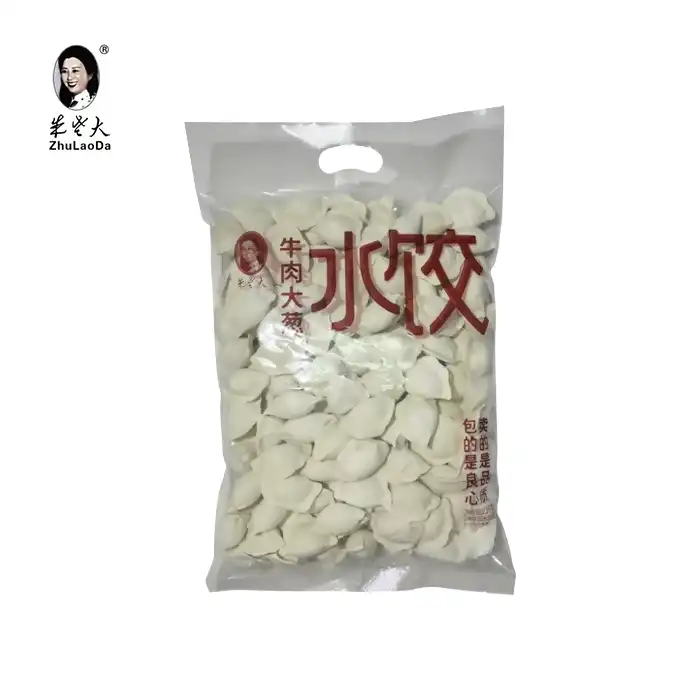
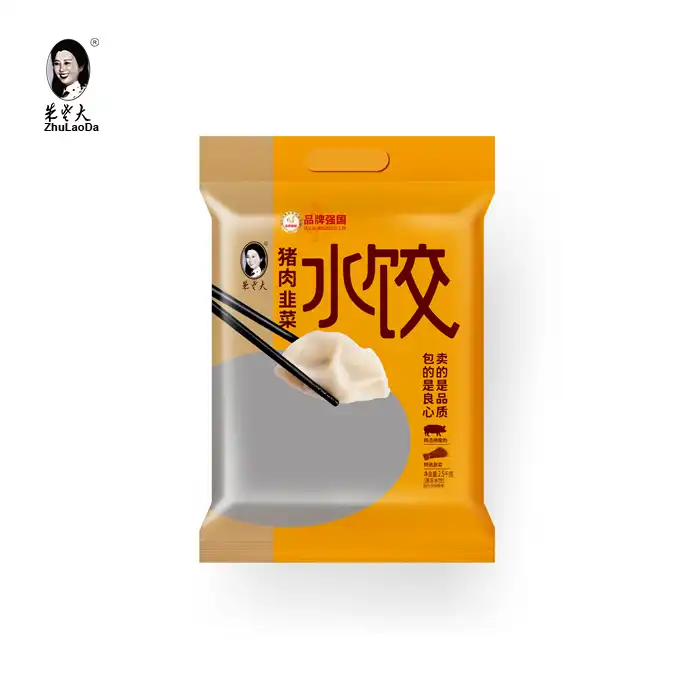
There are different kinds of packaging out there right now, like 450g, 1kg, and 2.5kg restaurant or retail packs that can be changed to fit your needs. The Zhulaoda team helps brands that are putting out their own labels by making unique artwork, language ingredient panels, and label designs that are ready to follow U.S. FDA rules.
Step-by-Step Process to Import These Dumplings Successfully
A well-planned import process prevents costly delays and quality failures. Here is a practical sequence that works for most B2B buyers entering this product category.
Step 1 — Sample Request and Formula Confirmation
Begin by requesting product samples and confirming the exact ingredient list against your target market's additive regulations. Note that the current formula includes hydrolyzed vegetable protein and monosodium glutamate — both are permitted in the U.S. under FDA GRAS designations, but should be verified against specific retailer or platform clean-label policies.
Step 2 — Documentation and Compliance Review
Work with a licensed customs broker to prepare your import file. You will need the supplier's food production license, HACCP records, certificate of analysis (COA) for each batch, and FDA Prior Notice submission. If you are pursuing a vegan certification, confirm with the supplier whether dedicated production lines are available to prevent cross-contact with animal-derived ingredients.
Step 3 — Cold Chain Logistics Planning
These dumplings require uninterrupted frozen storage at -18°C or below throughout transit. Sea freight via refrigerated container (reefer) is the standard approach for B2B volume orders. Air freight is viable for samples or urgent trial orders. Confirm that your 3PL partner maintains temperature logs and can provide freeze-thaw cycle records upon arrival. Fried dumplings shipped this way arrive in the same condition they left the factory, provided the cold chain holds.
Optimizing Your Supply Chain for Cost and Consistency
The process is very hard because you have to get the right price for frozen food while keeping the quality of the food. A lot of things have a direct effect on your landing cost and profit.
Wholesale Pricing and MOQ Structure
The minimum order quantity changes based on the package type. Bigger MOQs, which are often given for OEM test runs, let brands see how the market responds before they load up a whole container. Most of the time, long-term supply deals lower unit costs and ensure production times during busy times.
Things like the following have the most impact on the total cost of procurement:
- Ingredient sourcing: Zhulaoda sources wheat flour from Canada and China's Hetao Plain, which affects raw material stability and cost predictability.
- Packaging format: Retail-ready 450g packs carry higher per-unit packaging costs than bulk 2.5kg foodservice packs.
- Freight mode: A 40-foot reefer container from Qingdao to Los Angeles typically runs 25–35 days and costs significantly less per kilogram than air freight.
- Certification add-ons: Third-party vegan or organic certification adds lead time and audit cost, which should be factored into your project timeline.
Traceability and Supplier Accountability
Buyers should ask for records that show how each batch was made. Zhulaoda uses GC-MS to look for chemical residues on plants, checks the pH of tofu to see if it's going bad, and makes sure that all the seals on finished goods are still in place. Metal recognition is standard for tofu because it is made by machines. These rules are the same as what the FDA wants for FSMA preventive rules. Chinese cabbage and tofu pan fried dumplings are a good example of a product where this batch-level documentation matters most.
Case Studies: How B2B Buyers Have Approached This Category?
A U.S. Plant-Based Brand's OEM Launch
A small U.S. health food brand sourced a cabbage and tofu dumpling under private label from a Chinese OEM manufacturer. They adjusted the formula to remove MSG and reduce sodium by 30%, then launched a 450g retail SKU at natural grocery chains. The 3–6 week sample-to-production cycle allowed them to meet a seasonal shelf reset deadline.
A European Distributor's Compliance Approach
A European buyer importing vegetarian frozen dumplings required full allergen segregation documentation and vegan-compatible processing verification. By working directly with the factory's QA team and requesting CIP (Clean-in-Place) system records, they satisfied their local retailer's supplier audit requirements within one shipment cycle.
The Role of NDA in Formula Protection
Brands developing proprietary filling recipes through OEM customization should execute a non-disclosure agreement before sharing their formula brief. Reputable factories treat this as standard procedure for OEM clients.
Conclusion
If a business wants to buy frozen vegetable dumplings from China, they only need the right papers, a trustworthy seller, and a partner in the cold chain. There is a real chance for brands that are ready to source carefully to make money in the U.S. market because people want plant-based, convenient, and clean-label frozen foods. If you buy from a company like Zhulaoda, which has verified certifications, flexible OEM capacity, and strict quality controls, you can buy something with less risk and get it to stores faster. Start with a small order to make sure your compliance plan is right and to get to know your seller before you go big. Chinese cabbage and tofu pan fried dumplings are a practical first SKU for that kind of trial order, since the filling is simple enough to assess quickly.
FAQ
Does freezing affect the texture or flavor of cabbage tofu dumplings?
No, the filling stays the same amount of wet and ice crystals don't form if it is kept at -18°C or below all the time. Zhulaoda uses hard tofu that has been pressed with water and doesn't have much free water in it. This keeps the top from breaking and the filling from going bad while it's frozen for up to a year.
What certifications does the factory hold?
It has been approved in both ISO 9001 and HACCP. The license number for making food is SC11137139600148, and the product meets the standards set by SB/T 10412.
Can the formula be adjusted for a vegan or low-sodium product line?
Yes. People who buy from OEM/ODM services can ask for changes to be made to the recipe, like taking out the five-spice, MSG, or sodium. Before you buy something, you should call the plant and make sure there is a line just for vegans.
What allergens are present?
You can get soy from tofu and hydrolyzed soybean taste, and you can get wheat from wheat flour. According to FDA rules on allergy warnings, both must be on store labels in the U.S.
What is the minimum order for a trial run?
The MOQ changes based on the labeling and type of packaging. Get in touch with Zhulaoda to find out how much of a trial order you need for the SKU you want.
Start Your Import Journey with Zhulaoda
Zhulaoda is a dependable manufacturer of Chinese cabbage and tofu pan fried dumplings, with over 20 years of production experience, ISO 9001 and HACCP certifications, and full OEM/ODM capability. We're ready to help you get your product on the market, even if you need to change the recipe to make it clean label-friendly or find a way to package it with your own label. Send an email to sdzldsp@163.com to get samples and start the buying process right away.
References
1. U.S. Food and Drug Administration. Food Safety Modernization Act (FSMA): Preventive Controls for Human Food. FDA, 2023.
2. USDA Foreign Agricultural Service. Frozen Prepared Foods: U.S. Import Data and Trade Analysis. USDA, 2023.
3. Nielsen IQ. Plant-Based Food Report: U.S. Retail Sales Trends 2020–2023. Nielsen, 2023.
4. Codex Alimentarius Commission. General Standard for the Labelling of Prepackaged Foods (CODEX STAN 1-1985, Revised 2018). FAO/WHO, 2018.
5. China National Food Safety Standard. SB/T 10412: Frozen Dumplings Product Standard. Ministry of Commerce of China, 2021.
6. Food Marketing Institute. Power of Frozen: Consumer Trends in Frozen Food Purchasing. FMI, 2022.


Learn about our latest products and discounts through SMS or email