- English
- French
- German
- Portuguese
- Spanish
- Russian
- Japanese
- Korean
- Arabic
- Greek
- German
- Turkish
- Italian
- Danish
- Romanian
- Indonesian
- Czech
- Afrikaans
- Swedish
- Polish
- Basque
- Catalan
- Esperanto
- Hindi
- Lao
- Albanian
- Amharic
- Armenian
- Azerbaijani
- Belarusian
- Bengali
- Bosnian
- Bulgarian
- Cebuano
- Chichewa
- Corsican
- Croatian
- Dutch
- Estonian
- Filipino
- Finnish
- Frisian
- Galician
- Georgian
- Gujarati
- Haitian
- Hausa
- Hawaiian
- Hebrew
- Hmong
- Hungarian
- Icelandic
- Igbo
- Javanese
- Kannada
- Kazakh
- Khmer
- Kurdish
- Kyrgyz
- Latin
- Latvian
- Lithuanian
- Luxembou..
- Macedonian
- Malagasy
- Malay
- Malayalam
- Maltese
- Maori
- Marathi
- Mongolian
- Burmese
- Nepali
- Norwegian
- Pashto
- Persian
- Punjabi
- Serbian
- Sesotho
- Sinhala
- Slovak
- Slovenian
- Somali
- Samoan
- Scots Gaelic
- Shona
- Sindhi
- Sundanese
- Swahili
- Tajik
- Tamil
- Telugu
- Thai
- Ukrainian
- Urdu
- Uzbek
- Vietnamese
- Welsh
- Xhosa
- Yiddish
- Yoruba
- Zulu
Pork and Scallion Dumplings vs. Other Fillings: Which Wins for Buyers?
When procurement buyers evaluate frozen dumpling SKUs for North American and overseas Chinese supermarkets, pork and scallion dumplings consistently outperform competing fillings on nearly every commercial metric. The combination of ground pork front leg meat and aromatic Welsh onion delivers a savory, well-rounded umami profile that resonates with mainland Chinese consumers across generational segments. Backed by 12-month frozen shelf life at -18°C, standardized portion formats, and mass-market appeal, this classic filling remains the highest-velocity SKU in the frozen Chinese food category — a baseline product no serious distributor can afford to drop from the cold case.
Understanding Pork and Scallion Dumplings: Market and Product Overview
What Makes This Filling a Commercial Staple
Pork and green onion dumplings have been popular for a long time because the ingredients go well together and people are familiar with the dish. A mixture of pork front leg meat (with a fat-to-lean ratio of about 3:7), Welsh onion, cabbage, ginger, and soy sauce wrapped in wheat flour makes a product that is both easy to eat and very fulfilling. Each wrapper keeps its shape while cooking, steaming, or pan-frying, which is a very important quality measure for both retail and food service buyers.
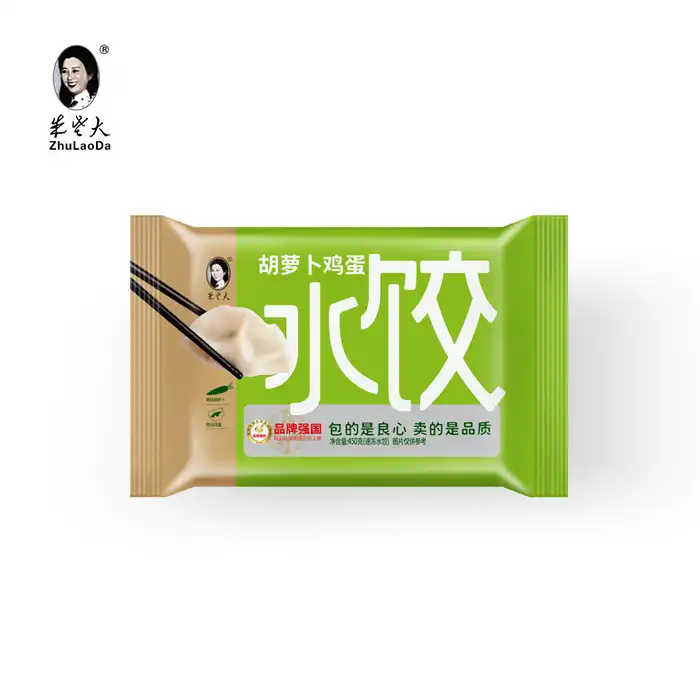
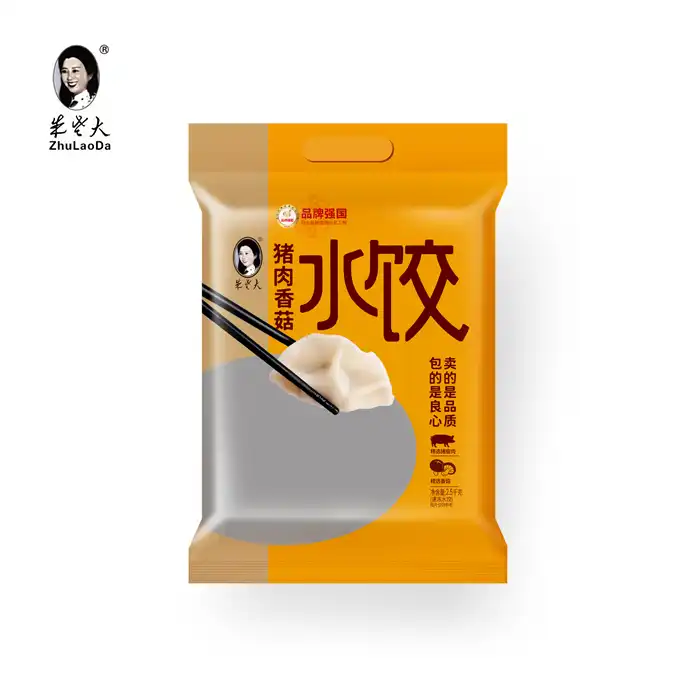
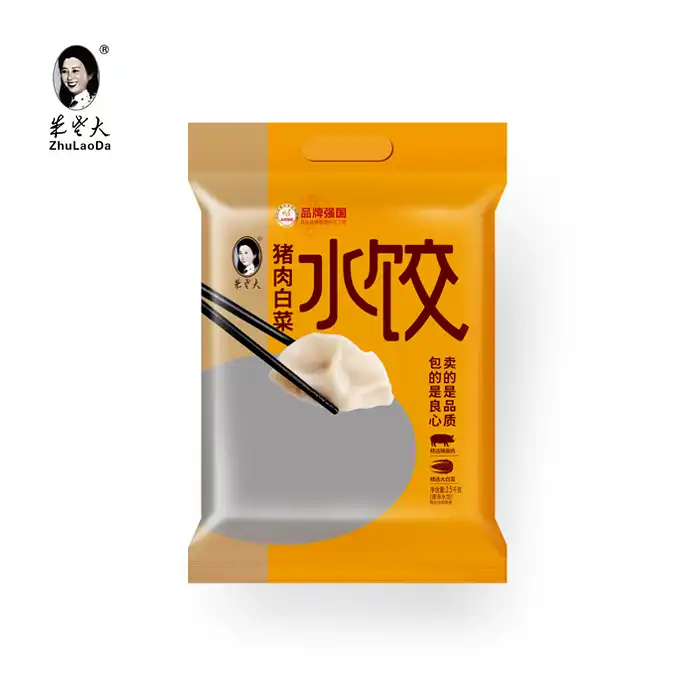
A normal amount is good for you because it has protein from the pork and fiber from the cabbage and scallions. Shandong Zhulaoda's list of ingredients includes wheat flour, pork front leg meat, Welsh onion, cabbage, vegetable oil, soy sauce, edible salt, ginger, and onion. This is a clean, well-known recipe that is in line with what mainland Chinese refugee families are actively looking for.
Cultural Demand Driving Procurement Decisions
Pork and onion jiaozi is a comfort food that is popular in Chinese neighborhoods in California, New York, Vancouver, and Sydney. According to market data from the Specialty Food Association in 2023, people are much more likely to buy the same ethnic food items again and again when they taste like real regional flavors rather than novelty items. For bulk buyers, this means reliable reorder cycles and predictable inventory turnover, which are the building blocks of a profitable frozen food distribution business.
Comparing Pork and Scallion Dumplings with Other Popular Dumpling Fillings
Not every filling for a dumpling, such as pork and scallion dumplings, works the same way in all channels. Before deciding on cold storage space and an import budget, buyers need to make a clear-eyed comparison.
This is how the main types of filler compare to the pork and onion standard:
- Chicken and mushroom fillings appeal to health-conscious segments and halal-certified markets. However, chicken fillings carry a lower fat content that can reduce juiciness after freezing and reheating, increasing the risk of consumer complaints about dry texture. Velocity in mainstream Chinese supermarkets typically trails pork-based SKUs by a measurable margin.
- Beef and onion fillings perform strongly in northern Chinese culinary markets and in Middle Eastern diaspora communities. The higher raw material cost and greater fat oxidation risk during long cold-chain transit — particularly on 30-to-45-day ocean freight routes — create additional quality control burdens for importers.
- Plant-based and vegan fillings are growing rapidly, driven by the broader shift toward flexitarian diets in Western markets. However, they currently occupy a specialty shelf position rather than a high-velocity baseline SKU. Retail data from SPINS shows plant-based frozen Asian foods represent under 8% of category volume in U.S. ethnic grocery outlets.
These changes are important for how things work. The lean-to-fat ratios of pork and green onion fillings are well-known to keep their ability to hold water through freeze-thaw cycles. Individual Quick Freezing (IQF) is a way that Zhulaoda makes their products. It stabilizes the volatile aromatic chemicals in scallions, which stops them from oxidizing and keeps the sharp, fresh taste that customers want.
The supply chain case is clear when buyers compare frozen dumplings that are ready to sell to fresh ones that are made from scratch. Frozen formats have a shelf life of 12 months at -18°C, GPS-monitored cold-chain compatibility, and consistent wrapper-to-filling ratios checked by automatic check-weighers. These are all things that large-scale fresh production can't safely promise.

Key Decision Metrics for Buyers: Selecting the Optimal Dumpling Filling
Certifications That Clear Customs and Supermarket Gates
Regulatory compliance is a must for any importer who sells to U.S. stores or food service distributors. Zhulaoda has ISO 9001, HACCP, and SC (Food Production License No. SC11137139600148) certifications, which means they have all the paperwork that FDA-registered importers and big grocery chains need to pass compliance checks. The product meets Product Standard Code SB/T 10412, which is the Chinese standard for the quality of frozen dumplings.
Transparency about allergens is just as important. Zhulaoda's formula has parts made of wheat and soy. This is written on the packaging in a way that follows all FDA labeling rules and their equivalents in Canada and Australia.
Customization and Private Label Flexibility
OEM and private label deals are becoming more and more important for B2B buyers who have to compete in crowded frozen food stores. Zhulaoda offers packaging in 450g, 1kg, and 2.5kg sizes, and buyers who want to use their own name can choose OEM/ODM choices. This gives distributors the freedom to make their products stand out without having to switch suppliers. This keeps the supply chain relationships that make availability possible.
Supply Chain and Logistics: Sourcing Pork and Scallion Dumplings vs. Other Fillings
Cold Chain Infrastructure That Protects Your Investment
Reliable providers can be told apart from high-risk ones by how resilient their supply chains are. Zhulaoda has three automatic production lines that can make up to 100 tons of goods every day. They also have a modern cold storage facility with a clever shuttle rack system that can hold more than 8,000 tons of frozen goods. GPS-monitored cold chain logistics help keep the temperature stable from the factory floor to the loading of the container.

The 12-month shelf life at -18°C makes sure that buyers don't have to worry about the two- to three-month ocean freight transit times to North America or Australia. For pork and green onion, the product will arrive with plenty of shelf life left for retail display and consumer use. This is a useful benefit that fillings that go bad faster, like those heavy in fresh vegetables, can't match.
Product uniformity is based on the purity of the raw materials. Zhulaoda only gets chilled pork from Jinluo, which is one of China's best-known meat producers. They also use high-quality wheat flour from Canada and China's Hetao Plain. Before going into production, vegetables are bought directly from farms where they come from and tested for pesticide residue, microbial analysis, and physical damage.
Enhancing Value with Pork and Scallion Dumplings: Market Trends and Innovations
The group of frozen Chinese foods changes over time. People are wanting better labels, foods with more protein, and foods that can be cooked in a variety of ways. Pork and scallion dumplings are ready to change. The filling in the middle—pork, Welsh onion, cabbage, and ginger—looks familiar and healthy to people who are careful about what they eat, so it doesn't need to be changed to fit clean-label trends.
New products that go well together, like soy-vinegar blends and chili oil for dipping, are making the average transaction value higher for buyers who can buy dumplings along with condiment SKUs. Distributors in the U.S. and Canada are using bundled merchandising more and more to make baskets bigger and lower the cost of cold storage per unit.
When it comes to buying things for businesses, buyers who base their frozen Asian food area on tried-and-true high-velocity SKUs like pork and scallion jiaozi and then add specialty items to meet trend-driven demand always do better than buyers who try to find new things at the expense of baseline velocity.
Conclusion
Pork and scallion dumplings are better than other fillings in every way that matters to a bulk buyer, including consumer demand, cold-chain durability, cost-effectiveness, regulatory compliance, and the ability to make private labels. Because Zhulaoda has a verified production infrastructure, approved quality systems, and scalable packaging choices, it is a reliable provider for supermarket chains and wholesalers that want to reach Chinese people living outside of China in the US and other places. The classic filling wins not just because people like it, but also because it consistently does well in the market.
FAQ
Are pork and scallion dumplings healthier than other fillings?
Pork and scallion dumplings have a good mix of macronutrients. The pork front leg meat provides protein, the Welsh onion and cabbage provide fiber, and the wheat flour wrapper provides carbs. Compared to meat fillings, they tend to have a modest amount of fat, which helps them stay juicy without adding too many calories. Chicken fillings may have less fat, but they often lack the depth of flavor that makes customers happy and makes them want to buy again.
Can frozen pork dumplings maintain quality during long-distance ocean freight?
As long as the cold chain stays intact at -18°C, the answer is yes. Zhulaoda has a 12-month shelf life at -18°C, which is long enough for normal 30- to 45-day ocean freight travel to North America or Australia, with a lot of shelf life left over when it gets there. Temperature logs that are tracked by GPS while being shipped provide proof that meets the needs of both officials and retailers.
What certifications should buyers verify before placing an order?
Buyers who want to sell to stores in the U.S., Canada, or Australia should make sure that the products they sell have ISO 9001, HACCP, and the Chinese SC food production license, which is the same thing as a manufacturing permit. For FDA compliance, allergen statements must include parts made from wheat and soy. Zhulaoda's Food Production License Number is SC11137139600148, and you can get full approval paperwork if you ask for it.
What is the minimum order quantity for a trial shipment?
Trial orders of about 500 kg are possible, and samples can be seen before a commitment is made. Buyers can do internal taste tests and store trial runs before committing to full container numbers at this low-barrier entry point.
Partner with Zhulaoda for Premium Frozen Dumplings
Zhulaoda is a reliable company that has been exporting pork and scallion dumplings for more than twenty years. Our ISO 9001/HACCP certifications, 8,000-ton cold storage, and OEM packaging options give your business a stable, scalable supply base. Ask for samples or talk to our team personally about prices for containers. To begin the sourcing process right away, go to zhulaodadumpling.com or email sdzldsp@163.com.
References
1. Specialty Food Association. State of the Specialty Food Industry Report. 2023.
2. SPINS. U.S. Ethnic Frozen Food Category Performance Data. 2023.
3. Food and Agriculture Organization of the United Nations. Meat Processing and Food Safety Standards in Global Supply Chains. FAO, 2021.
4. International Food Information Council. Consumer Perspectives on Ingredient Transparency and Clean Label Trends. IFIC Foundation, 2022.
5. China National Standard Committee. SB/T 10412: Frozen Dumplings Industry Standard. Standardization Administration of China, 2007.
6. Mintel Group. Frozen Asian Foods: U.S. Market Intelligence Report. Mintel, 2023.
Learn about our latest products and discounts through SMS or email