- English
- French
- German
- Portuguese
- Spanish
- Russian
- Japanese
- Korean
- Arabic
- Greek
- German
- Turkish
- Italian
- Danish
- Romanian
- Indonesian
- Czech
- Afrikaans
- Swedish
- Polish
- Basque
- Catalan
- Esperanto
- Hindi
- Lao
- Albanian
- Amharic
- Armenian
- Azerbaijani
- Belarusian
- Bengali
- Bosnian
- Bulgarian
- Cebuano
- Chichewa
- Corsican
- Croatian
- Dutch
- Estonian
- Filipino
- Finnish
- Frisian
- Galician
- Georgian
- Gujarati
- Haitian
- Hausa
- Hawaiian
- Hebrew
- Hmong
- Hungarian
- Icelandic
- Igbo
- Javanese
- Kannada
- Kazakh
- Khmer
- Kurdish
- Kyrgyz
- Latin
- Latvian
- Lithuanian
- Luxembou..
- Macedonian
- Malagasy
- Malay
- Malayalam
- Maltese
- Maori
- Marathi
- Mongolian
- Burmese
- Nepali
- Norwegian
- Pashto
- Persian
- Punjabi
- Serbian
- Sesotho
- Sinhala
- Slovak
- Slovenian
- Somali
- Samoan
- Scots Gaelic
- Shona
- Sindhi
- Sundanese
- Swahili
- Tajik
- Tamil
- Telugu
- Thai
- Ukrainian
- Urdu
- Uzbek
- Vietnamese
- Welsh
- Xhosa
- Yiddish
- Yoruba
- Zulu
Regional Variations of Pork and Chinese Cabbage Dumplings in China
Pork and Chinese cabbage dumplings, known as jiaozi in Mandarin, stand as China's most beloved culinary staple, combining tender ground pork with the crisp, refreshing texture of Chinese cabbage wrapped in delicate wheat-based dough. These dumplings represent far more than comfort food—they embody centuries of culinary evolution shaped by geography, climate, and local ingredient availability across China's diverse regions. Understanding how these variations differ, from dough thickness and seasoning intensity to cooking methods and filling ratios, provides B2B procurement professionals with invaluable insight into sourcing authentic, regionally appropriate products that meet specific market demands and consumer expectations.
Overview of Regional Pork and Chinese Cabbage Dumplings in China
The Foundational Ingredients and Their Cultural Significance
Traditional dumplings are made of three main ingredients: wheat flour for the skin, fresh pork front leg meat for the protein and fat, and Chinese cabbage (Napa cabbage) for the balance of wetness and nutritional value. Depending on where you live, the ratio of meat to vegetables is usually between 60:40 and 70:30. Chinese cabbage is important for more than just its taste. Because it has a high water content (about 95%), it needs to be carefully handled during processing so that the wrapper doesn't break when it's frozen and reheated.

Dumplings were first eaten on the winter solstice in northern China more than 1,800 years ago as a way to keep warm and avoid getting frostbite. Because of this cultural history, people in the north like heartier dishes, while people in the south have different changes because they live in warmer places and farm in different ways.
Nutritional Profile and Health Considerations
Each serving has a good balance of macronutrients, with 12 to 15 grams of protein from the pork, complex carbs from the wheat flour, and fiber from the cabbage. Chinese cabbage has glucosinolates, folate, vitamins C and K, and substances that may help reduce inflammation. The controlled fat content (25–30% in quality sauces) keeps these dumplings juicy without adding too many calories. When portioned correctly, they can be eaten by people on a variety of diet plans.
When purchasing managers look at potential suppliers for institutional catering, retail distribution, or export markets, knowing these basics helps them figure out how real a product is and how well it meets quality standards.
Northern China Style: Hearty Flavors and Thick Wrappers
Flavor Profile and Ingredient Characteristics
Northern-style dumplings have strong, warming flavors that come from the ingredients used and the way they are cooked. A higher percentage of fat (about 30%) is usually found in the pork, which is mixed with more garlic, ginger, scallions, and soy sauce than in southern versions. Some regional recipes use pickled cabbage or olive oil to make the food smell better. The theory behind seasoning focuses on depth and sticking power—flavors that are meant to keep you warm in cold places and go well with wheat-heavy diets.
To get the right 85–90% moisture content, the cabbage goes through a lot of salting and drying steps. This stops the feared "wrapper hydration" problem that weakens the structure when frozen. This level of scientific detail is what sets industrial-grade goods apart from home cooking methods.
Wrapper Thickness and Cooking Methods
When rolled, northern wrappers are noticeably thicker (about 1.2 to 1.5 mm) than southern ones. They are made with medium-to-high protein wheat flour (10–12% protein content) to make enough gluten networks. Because of this, they can handle strong boiling, which is the most common way to cook, without tearing or becoming mushy.
The second way to prepare food is by steaming it. This is especially true for types that will be used in steam freezers in institutions, where they must stay fresh for long periods of time (up to 30 minutes in professional food service settings). Pork and Chinese cabbage dumplings are a perfect example, as their filling and wrapper hold up well to steaming, retaining moisture and texture even after extended holding times.
Market Demand and Export Potential
In areas like Shandong, Hebei, and Liaoning, northern-style dumplings are the most popular frozen food item. Their unique chewy texture and strong flavors have made them popular around the world, especially in North American and European Asian grocery stores where people are looking for real regional experiences. The thicker wrappers also help with logistics; they can handle freeze-thaw cycles better when sending internationally, and they break less often when they're distributed in the store cold chain.
If purchasing managers are looking for manufacturers that specialize in northern-style production, their equipment configurations and recipe formulations will meet the technical needs of institutional food service or retail frozen food sections.
Southern China Style: Light and Delicate with Thin Wrappers
Emphasis on Freshness and Refined Flavors
Instead of adding a lot of heavy seasonings, southern versions focus on the natural umami found in high-quality foods. The pork selection goes toward leaner cuts (with fat contents of 20 to 25%). The meat stays juicy by using careful emulsification methods instead of just fat content. Because it is processed more gently, Chinese cabbage keeps more of its crisp structure, and the seasonings bring out the interaction between the light soy sauce, fresh ginger, and mild sweetness.
People in Jiangsu, Zhejiang, and Guangdong provinces like how the filling feels lighter in their mouths because the minced meat is finer, making the mouthfeel smoother. This level of detail stretches to how the cigars are presented; southern varieties often have more complicated folding designs on the wrappers that show off the culinary art of the area.
Thin Wrappers and Cooking Versatility
The southern wraps are about 0.8 to 1 mm thick and are made from flour with a slightly lower protein content, which makes them more soft. Because it's not as thick, the shell is very thin and barely separates the filling from the tongue, letting the pork and cabbage flavors take center stage.
As a signature cooking method, pan-frying (guo tie or potstickers) takes over. One side gets a golden, crispy crust while steam cooks the filling and top wrapper. For this method to work, the filling must have just the right amount of moisture. Too much liquid makes it soggy, and too little moisture makes it dry. Steaming is still popular because it makes wrappers that are see-through and show off the quality of the filling.
Freshness and Packaging Considerations
Because their wraps are thinner and hold more liquid, southern-style foods need very good cold chain management. Some new ideas in packing are compartmentalized boxes that keep food from breaking during travel and modified atmosphere packaging (MAP) that keeps the texture of food fresh longer.
When looking for sellers for high-end food service or premium retail channels, business-to-business buyers should favor those with GPS-tracked cold chain systems and temperature tracking tools. This will make sure that goods arrive in perfect condition. Shandong Zhu Laoda Food Co., Ltd. addresses these issues with modern intelligent shuttle rack systems in their cold storage facilities that can hold up to 8,000 tons. These systems keep the storage temperatures at -18°C throughout the distribution networks.
Unique Variations and Local Innovations Across Regions
Comparative Analysis with Other Dumpling Varieties
The classic dish is pork and cabbage dumplings, but local markets also sell variations like pork and chive (jiucai), pork and celery, and more and more vegetarian options with mushroom and tofu combinations. People of all ages like the pork-cabbage version, which keeps its market leadership because it strikes the best mix between being cheap and being seen as high-quality.
While chives have stronger smells, they can't be used for freezing because they lose their color and water content more quickly than cabbage does during freeze-thaw cycles. Different kinds of celery have different tastes and appeal to smaller groups of people. When purchasing managers understand these comparison factors, they can better place their product ranges in retail settings that are competitive.
Regional Wrapping Techniques and Presentation
Besides differences in filling and wrapper, regional wrapping styles also help to make products stand out. Northern styles often use a simple half-moon crimp with 12 to 15 pleats, putting strength first. More complicated folds may be used in southern methods. For example, some types have triangular or "ingot" forms that represent wealth, especially for festival-themed product lines.
These esthetic factors are very important in retail settings where package visibility affects decisions to buy. Distributors who are making private label goods or trying to reach specific groups of people can benefit from manufacturers that offer customizable wrapping styles.
Dipping Sauces and Serving Traditions
In the north, people like to mix black vinegar with chili oil, while in the south, people like to mix soy sauce, rice vinegar, ginger slivers, and sesame oil in more complicated ways. Some companies that make goods to sell abroad now include sauce packets or recipe ideas. This adds value and makes it easier for international customers who don't know how to serve food the traditional way to prepare it.
Freezing Technology and Shelf Life Preservation
Modern Individual Quick Freezing (IQF) technology at temperatures below -35°C reduces the creation of ice crystals that hurt the cell structures of both the cabbage and meat. This process keeps the texture of the product the same for 12 months as long as it is stored at -18°C or below. Adding distarch phosphate, which is allowed as a food additive under product standard code SB/T 10412, makes the filling matrix more stable. This stops moisture from moving around, which could lower the quality of the wrapper.
When evaluating suppliers, procurement teams should check the vendors' IQF skills and cold storage facilities. Zhu Laoda's 100-ton daily production capacity and smart temperature-controlled storage show that the company has the industrial scale it needs to support nationwide delivery networks while maintaining quality standards.

B2B Procurement Strategies for Pork and Chinese Cabbage Dumplings
Assessing Supplier Credentials and Quality Certifications
Suppliers you can trust keep a full set of certifications, such as ISO9001 (for quality management systems), HACCP (for risk analysis critical control points), and national food production licenses (like SC11137139600148). These credentials show that the company follows strict rules for quality control, tracing, and following the law. These are important things to keep in mind when buying for institutional clients with strict requirements or export markets with strict rules for import documentation.
In addition to certificates, procurement managers should look at how much a supplier can produce based on how many orders they have. A company that processes 100 tons of goods every day and has cold storage space for 8,000 tons can handle big contracts without affecting delivery times or the quality of the goods, unlike smaller businesses that might have trouble with changes in volume.
Verification should include how raw materials are gotten, such as Chinese cabbage, which must be traceable from field to facility. Premium food sellers get their veggies straight from farms and work with licensed meat processors to create full tracking chains that meet the stricter food safety rules in North American and European markets.
Bulk Purchasing Logistics and Pricing Considerations
Getting frozen dumplings usually has different prices depending on how many you order. When you order by the container load (20–25 tons per chilled container), you save a lot of money. Different types of payments have different terms. For local transactions, 30 to 60 day terms are typical for supermarket chains. On the other hand, international orders may need letters of credit or deposit structures, based on how mature the relationship is.
Transportation issues need to be carefully planned out. For products to keep their cold chains from the plant to distribution centers without any breaks, they need either direct chilled trucking or temperature-controlled transloading facilities. GPS tracking and temperature logging systems keep records that are important for managing risk and making sure the quality of the work.
Prices and availability are affected by changes in seasonal demand. When demand is highest, like in the fall and winter, terms are better than in the spring and summer, when prices go up for raw materials and demand goes down. Strategic buyers negotiate one-year contracts with delivery schedules every three months. This keeps costs stable and makes sure there is stock during times of high demand.
Online vs. Local Sourcing Channels
B2B marketplaces let a lot of suppliers join and offer reasonable prices through clear bidding methods. They are perfect for researching the market for the first time and placing smaller test orders. Trade shows, like the China Food and Drinks Fair, let buyers and sellers evaluate suppliers and try out products in person. This helps build relationships that make long-term partnerships run more smoothly.
International buyers can benefit from local dealer networks because they offer language help, culture guidance, and quality inspection services that reduce the risks that come with being far away. There are costs associated with commissions and fewer options for suppliers compared to direct agreements.
Most of the time, a hybrid approach works best: first getting in touch through trade shows or online platforms, then visiting the factory (or having a third party do an audit) before signing big contracts. This step-by-step process builds trust while keeping costs for due diligence in line with the value of the partnership.
Conclusion
China's amazing variety of foods, shaped by centuries of geographical and cultural influences, can be seen in regional variations of pork and Chinese cabbage dumplings. Northern styles have rich, robust flavors and strong structures that work well for boiling and steaming. Southern styles, on the other hand, focus on delicate textures and refined flavor profiles that work best for pan-frying.
When B2B procurement professionals understand these differences, they can find products that fit the needs of specific market segments and consumer tastes. It is important to look at a supplier's qualifications, production capacity, cold chain skills, and quality standards along with how real the product is in the area. Strategic partnerships with well-known manufacturers that can consistently make a lot of products make sure that there are reliable supply chains that can meet the needs of both institutions and retailers.
FAQ
Do traditional dumplings contain gluten?
Traditional dumplings have covers made of wheat flour, which has gluten proteins that give them shape and flexibility. On the list of ingredients, wheat flour is usually listed as the main ingredient for the wrapper. As required by law, both wheat and soy are listed as allergens. Gluten-free options exist that use rice flour or other starches, but they are specialty goods that have different texture needs and production requirements.
What are the optimal cooking times for different preparation methods?
It takes 7–9 minutes of vigorously boiling water for dumplings to float and wrappers to become clear. If the steamer is properly hot, it takes 12 to 15 minutes to steam. When pan-frying, you brown the food for two to three minutes, then add water, cover, and steam-cook for six to eight minutes. After that, take the lid off and let the sides cook for one to two more minutes. Different wrappers and fillings may need slightly different cooking times.
How should frozen dumplings be stored and handled?
During the 12-month shelf life, keep the food continuously frozen at -18°C or below. Temperature changes above -10°C will make the appearance less good and speed up the re-crystallization of ice. For the best results, cook straight from frozen without letting it thaw. Thawing releases water that weakens the wrapper. To avoid freezer burn and cross-contamination with other frozen foods, keep unused portions in containers that don't let air in.
Partner with Zhulaoda: Your Trusted Pork and Chinese Cabbage Dumplings Supplier
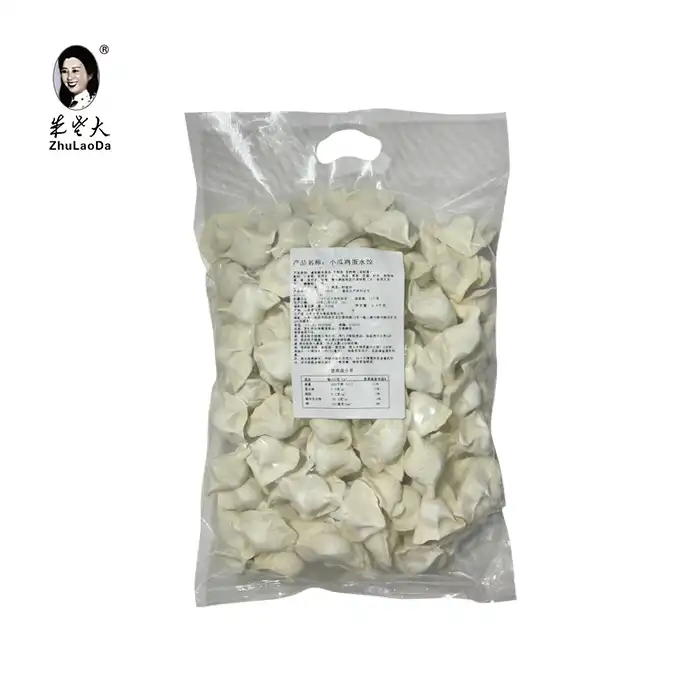
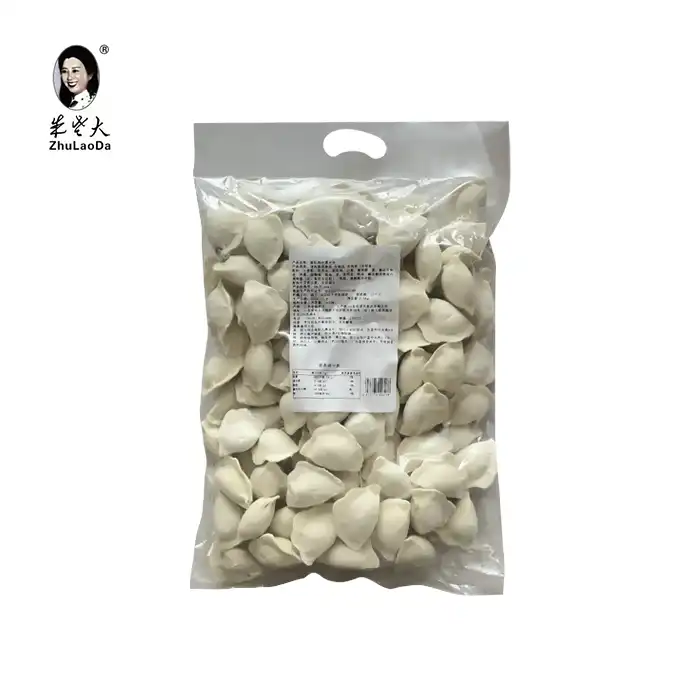
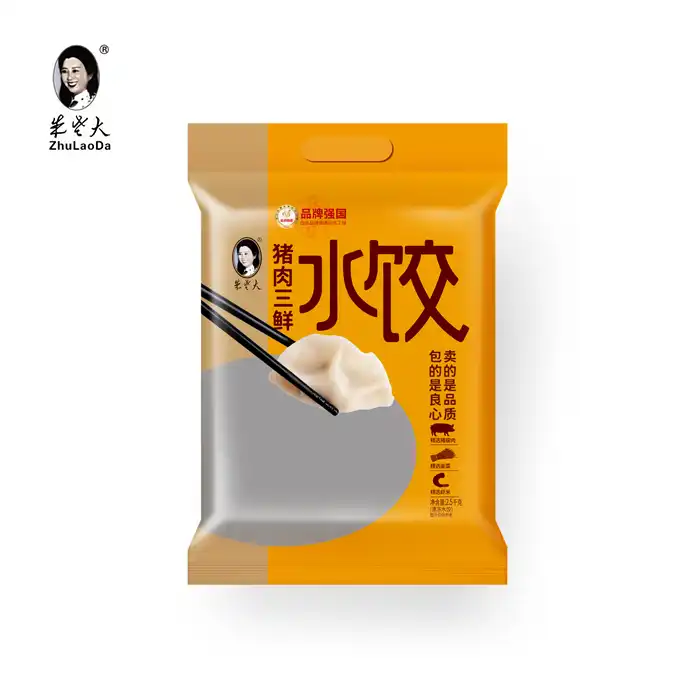
Shandong Zhu Laoda Food Co., Ltd. is ready to help you meet your buying needs by providing you with real, high-quality frozen dumplings that are made to the highest standards in the industry. Our 100-ton daily production capacity, 8,000-ton intelligent cold storage system, and full certifications (ISO9001, HACCP, SC11137139600148) make sure that nationwide distribution networks always get the right quality food.
Whether you need hearty dumplings made in the northern style or delicate ones made in the southern style, our customizable packaging options (450g, 1kg, and 2.5kg) and OEM capabilities support a range of market positioning strategies. Get in touch with us at sdzldsp@163.com to talk about bulk prices, logistics, and how our original regional recipes can help your business. You can see all of our frozen food options at zhulaodadumpling.com.
References
1. Chen, Y., & Liu, M. (2019). Traditional Chinese Dumpling Production Techniques and Regional Variations. Beijing: China Light Industry Press.
2. Wang, X. (2020). "Quality Control in Industrial Frozen Dumpling Manufacturing: A Systematic Review." Journal of Food Processing and Preservation, 44(8), e14523.
3. Zhang, H., & Li, Q. (2021). The Cultural History of Jiaozi: From Ancient Tradition to Modern Industry. Shanghai: Shanghai People's Publishing House.
4. Liu, S., Zhao, T., & Wang, F. (2018). "Effects of Freezing Technology on Texture and Nutritional Quality of Pork and Vegetable Dumplings." Food Science and Technology International, 24(6), 487-496.
5. National Standards Committee of China. (2012). SB/T 10412-2007: Frozen Dumplings Industry Standard. Beijing: Standards Press of China.
6. Huang, K. (2022). "Regional Flavor Preferences and Consumer Acceptance of Frozen Dumplings in China's Retail Market." Asia Pacific Journal of Marketing and Logistics, 34(3), 612-628.
Learn about our latest products and discounts through SMS or email