- English
- French
- German
- Portuguese
- Spanish
- Russian
- Japanese
- Korean
- Arabic
- Greek
- German
- Turkish
- Italian
- Danish
- Romanian
- Indonesian
- Czech
- Afrikaans
- Swedish
- Polish
- Basque
- Catalan
- Esperanto
- Hindi
- Lao
- Albanian
- Amharic
- Armenian
- Azerbaijani
- Belarusian
- Bengali
- Bosnian
- Bulgarian
- Cebuano
- Chichewa
- Corsican
- Croatian
- Dutch
- Estonian
- Filipino
- Finnish
- Frisian
- Galician
- Georgian
- Gujarati
- Haitian
- Hausa
- Hawaiian
- Hebrew
- Hmong
- Hungarian
- Icelandic
- Igbo
- Javanese
- Kannada
- Kazakh
- Khmer
- Kurdish
- Kyrgyz
- Latin
- Latvian
- Lithuanian
- Luxembou..
- Macedonian
- Malagasy
- Malay
- Malayalam
- Maltese
- Maori
- Marathi
- Mongolian
- Burmese
- Nepali
- Norwegian
- Pashto
- Persian
- Punjabi
- Serbian
- Sesotho
- Sinhala
- Slovak
- Slovenian
- Somali
- Samoan
- Scots Gaelic
- Shona
- Sindhi
- Sundanese
- Swahili
- Tajik
- Tamil
- Telugu
- Thai
- Ukrainian
- Urdu
- Uzbek
- Vietnamese
- Welsh
- Xhosa
- Yiddish
- Yoruba
- Zulu
Traditional Northeastern Pork and Pickled Cabbage Dumpling Recipe
When winter winds blow through the northeastern plains of China, families gather around steaming plates of Pork and Pickled Chinese cabbage dumplings—a dish that embodies warmth, tradition, and the tangy-savory balance treasured across generations. This iconic comfort food combines tender pork front leg meat with naturally fermented pickled cabbage, wrapped in delicate wheat flour dough. Whether you're a restaurant owner seeking authentic menu additions or a procurement manager evaluating regional specialties for retail distribution, understanding this culinary treasure opens doors to both cultural appreciation and commercial opportunity.
Understanding Traditional Northeastern Pork and Pickled Cabbage Dumplings
The Cultural Legacy of Fermented Cabbage in Northern China
Northeastern Chinese food has been based on pickled cabbage for a very long time. In this area, it is called suancai. When Napa cabbage was picked in the fall, farmers used to ferment it. This kept the green color and helped people get through the cold winters. A process called lacto-fermentation makes fresh cabbage into a spicy, crunchy food that is high in vitamin C and probiotics. Food wasn't just kept fresh with this method; it was also made to taste better, giving vegetables more depth than they could get when they were fresh.

Nutritional Profile and Health Advantages
When pork and cabbage that has been pickled are mixed, they make each other better. You can get a lot of protein and important B vitamins from pork front leg meat. Fermented cabbage is a good source of bugs that help your gut stay healthy. Preserved foods are high in salt, but cabbage that has been pickled properly has less sodium and more vitamins.
The mix has a good balance of macronutrients that can work for a lot of different diets. Each 100 grams has about 250 to 280 calories. A study says that eating fermented vegetables with proteins may help the body absorb the minerals in the proteins. It's not just a matter of taste; this classic pairing makes sense from a science point of view.
Pickled Versus Fresh Cabbage: Impact on Flavor and Procurement
The fermentation process changes the cells' chemical make-up and structure in a basic way. Organic acids, mostly lactic acid, are released when cabbage is pickled. These acids give cabbage its sour taste and soften vegetable fibers. It cuts through the creaminess of the pork and keeps the flavors from getting dull, which can happen when all the toppings are meat. Fresh cabbage stays crisp, but it's not very flavorful on its own.
To get the same amount of richness, it needs more seasonings. From a buyer's point of view, properly processed pickled cabbage lasts longer and tastes the same every time. This makes the quality of fresh produce supply lines less likely to vary. It helps industrial processors that the filling doesn't separate when it's frozen or cooked when the acidity levels and water content are standardized.
Step-by-Step Traditional Dumpling Recipe and Preparation Techniques
Selecting Premium Ingredients for Authentic Results
When you make dumplings, they should taste like they came from a restaurant. Front leg pork meat has the right amount of fat—about 30% fat makes it juicy without being greasy. While the meat is cooking, the natural marbling melts, which keeps the filling from sticking. Pickled cabbage that is of good quality should be a light golden color, firm when pressed, and have the right amount of acidity with no metallic aftertaste. For wraps that are stretchy and won't tear, you need wheat flour from Canada or China that is of high quality (10–12% protein). These simple choices will tell you if your final product really tastes like the northeast or not.
Preparing the Signature Filling
First, use cool tools to cut the pork front leg meat into small pieces so that the fat doesn't spread. Run cold water over the pickled cabbage and clean it well. Then, squeeze it hard to get rid of any extra water. Cut it into pieces that are 3 to 4 mm thick. It's very important to drain the water properly in this step, or the wrapper will get wet and the structure will break when it freezes. Pork and Pickled Chinese cabbage dumplings are the final goal of this preparation, so ensure the meat and cabbage are well balanced: add 4 parts pickled cabbage to 6 parts chopped pork.
Dice 4 parts of the scallions, add the ginger, soy sauce, and a set amount of vegetable oil. When you use the oil covering method, a shield forms around the cabbage pieces. This keeps the water in the filling matrix and not in the wrapper. The filling should get a little stiff as you mix it in one direction, clockwise. This means the proteins are joining properly.
Wrapper Formation and Assembly Methods
Wraps that work well are thin but strong. To wrap by hand, roll the dough out until it's about 0.8 to 1 mm thick, or use industrial sheeting equipment that is set up to meet your needs every time. In the middle of the shell, put one tablespoon of filling. Use the traditional crescent-fold method to make 7–9 pleats along one edge while leaving the other edge smooth. Wet the sides first. These uneven pleats give the signature look and keep the filling from leaking. A factory can use mechanical forming equipment to make 120 to 180 dumplings per minute, and each one should weigh between 18 and 22 grams.

Cooking Techniques and Timing Standards
Each way of cooking makes a taste that is different. In the traditional way of cooking dumplings, you put them in water that is very hot and stir them slowly so they don't stick. After 6 to 8 minutes of cooking, the wrappers should be clear and the dumplings should float to the top. You need to steam the wrappers over high heat for 10 to 12 minutes to make them softer and more delicate.
For a variety of textures, pan-fry the dumplings in hot oil with water up to a third of the way up. Cover and cook until the water evaporates. After that, keep cooking without the lid until crusts turn golden. It is very important to keep an eye on the temperature. For the food to stay safe, the stuff inside must reach at least 75°C. Burst rates are often checked as part of quality control in the business world. When they boil very quickly, the standards say they must be less than 1%.
Comparing Dumpling Variations and Ingredient Choices for B2B Consideration
Regional Variations and Market Positioning
When you make dumplings in the northeastern way, you stress the sourness of the stewed cabbage. In some parts of the country, people like their Napa cabbage fresh and seasoned in different ways. For fillings that stay together, fresh cabbage needs to be carefully blanched and dried out. People who like milder flavors like them. In places that value authenticity and strong flavors, Northeastern-style goods are seen as high-end. Many restaurant groups focus on regional favorites, like these dumplings, to make their menus stand out from other menus. This helps them charge more and build their brand.
Homemade Versus Frozen Commercial Products
People now eat at home differently because of the cold dumpling group. When fast Individual Quick Freezing (IQF) technology is used to make commercial frozen foods in controlled conditions, the ice crystals are smaller than when they are frozen at home. This means that the cells stay together better. Professionals like Shandong Zhu Laoda Food Co., Ltd. use special tools to keep the temperature at -18°C while they make and store the food.
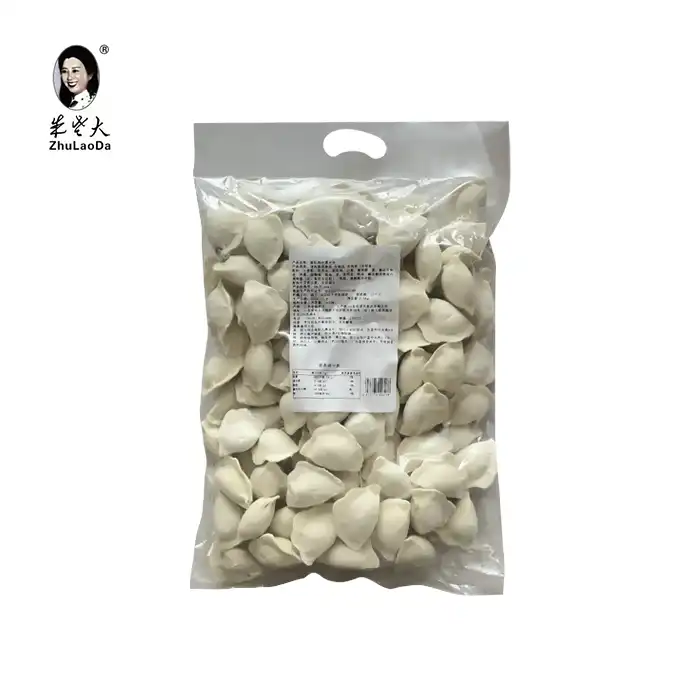
This makes sure that the food doesn't go bad over the course of a year. Regular portions help stores and restaurants because they save money on labor costs and don't waste food. Pork and Pickled Chinese cabbage dumplings benefit greatly from this approach, as consistent sizing and proper freezing preserve their signature tangy flavor and juicy texture. Quality frozen dumplings are just as good as or better than homemade ones when cold chain operations are used from the plant to the table.
Conventional and Specialty Pork Sourcing Considerations
By buying pork in the usual way, you can save money and be sure of a steady supply, which is what most businesses need. So that the quality stays the same, high-end suppliers like JINLUO keep an eye on the animals and use controlled breeding programs. A small group of people are willing to pay more for organic or specialty pork because they believe it is better for them or was raised in a more humane way.
Cost structures and cues from customers about what they want must be balanced by procurement managers. For instance, getting organic certification might make ingredients 30 to 50 percent more expensive and limit the number of sellers and shipping choices. The most important thing is still to follow the rules, no matter what source method is used. Documentation must include tests for drug residues, pathogens, and being able to track where the food came from.
Sourcing and Procurement Guide for Pork and Pickled Chinese Cabbage Dumpling Ingredients
Evaluating Pickled Cabbage Suppliers
You can be sure that the pickled cabbage you buy comes from a safe source if you check the fermentation process and the safety controls. Better suppliers check for nitrite residue, which is important because regulators keep a close eye on pickled vegetables, and they keep records that show they follow GB 2762 standards for contaminant limits. Check to see if the places where your suppliers store your goods have temperature-controlled areas. When you store things badly, they lose quality faster. Instead of samples that were just made, ask for examples from regular production runs.
Check the uniformity of the texture, the level of acidity (the ideal pH range is 3.2 to 3.8), and any off-flavors that could mean there is contamination or too much fermentation. The best quality-to-cost rates are often found in Liaoning and Jilin provinces in northeastern China. This is because the manufacturers are close to where the raw materials are found.
Pork Procurement Best Practices
The best pork front leg meat is bright pink-red, firm, and doesn't lose much of its purge when it's cut up and stored. Documents from providers should be used to back up the Peroxide Value (PV) and Total Volatile Basic Nitrogen (TVB-N) tests, which are important ways to tell if food is fresh.
It's easier to follow the rules during audits and less likely that food will get contaminated if you work with certified processors who follow HACCP rules. Price differences are big when you buy something right away vs. making a deal. Usually, when you buy a lot, you get 8–15% off. Also, make sure you have a steady supply during busy times like the winter holidays and Chinese New Year.
Wrapper and Frozen Product Distribution Networks
Covers for dumplings used in a business setting must be the same thickness, width, and amount of moisture. When you buy in bulk from US suppliers that work with the frozen food industry, the price per unit goes down. But quality control is still important. You can get into the market quickly without having to buy production tools if you buy finished goods that have already been frozen.
As you look at different providers, make sure they can handle your volume needs, have quality certifications like ISO9001, HACCP, and National QS, handle cold chain operations, and have minimum order amounts that are in line with how fast your product turns over. There are three automatic lines at Shandong Zhu Laoda Food Co., Ltd. that can make up to 100 tons of food every day. They have smart cold storage that can hold more than 8,000 tons of food, which means that they can always fill big orders.
Enhancing Dumpling Flavor and User Experience: Sauces, Vegan Alternatives, and Storage
Traditional and Contemporary Dipping Sauces
When you use the right sauce, dumplings become more than just tasty. A lot of northeastern dishes have aged vinegar mixed with soy sauce, garlic powder, and chili oil. It cuts through the richness of the pork, and the aromatics give it more depth. Chinese cabbage is often used as a fresh, crunchy filling or side ingredient in these dumpling meals, balancing the heavy sauces. People in northern China love sauces made with sesame paste.
People in the south, on the other hand, like softer sauces made with soy and ginger. To appeal to people from different cultures, modern fusion styles use sriracha, hoisin, or even ponzu. For restaurants, having a variety of sauces is helpful because it lets customers pick how strong the flavors are and makes the meal more interesting. Having sauce bottles that are already measured out helps keep fast food and service places clean.
Adapting Recipes for Dietary Restrictions
Vegan dumplings are being made because more people want to eat foods that come from plants. If you use textured soy protein instead of pork and keep the pickled cabbage, you can get the same taste combinations with less damage to the environment. When expanded soy-based goods are used in some recipes, they get a feel like meat through extrusion processing.
People who care about their health will like low-fat forms because they use healthier protein sources and less oil. However, the food may not be as juicy. To make changes work, you need to know how to balance taste, texture, and keeping the wetness in the food. This is why there aren't many vegan copies of regular meals that do well on the market.
Optimal Storage Protocols and Shelf Life Management
How dumplings are stored determines whether they stay tasty or become disappointingly bland after being frozen. Product standard SB/T 10412 says that frozen dumplings that have not been cooked and are kept at -18°C or below will stay fresh for one year. Temperature changes above -10°C speed up the process of ice recrystallization, which makes the wrapper less rough and the filling separate. No sublimation or odor absorption can happen when you use moisture-barrier films to package things.
Putting cooked dumplings in the fridge for more than 48 hours makes the layers soak up water and become sticky. Businesses should always keep an eye on how well their freezers are working and move goods from first-in, first-out. If you want to keep the cold chain going, you need refrigerated logistics for transportation. Suppliers who are professionals know how to do this better than those who aren't.
Conclusion
Pork and pickled cabbage dumplings from the Northeast are more than just comfort food. They are the result of hundreds of years of cooking improvements that make them taste great and make keeping easier, with the pork and cabbage filling serving as the heart of this enduring recipe. When you combine the sour taste of fermented cabbage with well-seasoned pork and carefully made wrappers, you get a real taste that more and more people are looking for in stores and restaurants today.
These local goods are now available all over the country and even in other countries, thanks to better industrial production. The quality has not changed. Gourmet chefs and people who buy food can make smart decisions that help their products do well if they know how to choose ingredients, how to prepare them, and what the quality standards are.
FAQ
What happens if I substitute fresh cabbage for pickled cabbage in the filling?
Dumplings made in the Northeastern way have a sour and complex taste that green cabbage doesn't have. It changes the taste of the dish a lot, making it taste more like regular pork and veggie dumplings. The wraps need to be salt-soaked, left to rest, and squished for a long time to keep them from getting wet. This is because fresh cabbage has a lot more water than fermented cabbage. This method still can't make cabbage taste and feel like pickled cabbage.
How can I verify pickled cabbage quality when selecting suppliers?
As per safety rules, nitrite levels should stay well below 20 mg/kg, so get test results from a third party that show this. Check to see if the samples are all the same pale golden color, have a hard texture when the water is taken away, and smell clean and sour without any signs of rotting. Reliable sellers give you paperwork that you can use to track your goods and let you do building checks to make sure the conditions for fermentation and storing are right.
Can these dumplings be prepared using air fryers instead of traditional methods?
People used to cook frozen dumplings in a different way, but now they can be cooked in an air fryer. Get the air fryer to 375°F. Some oil should be put on the dumplings so they don't stick. Cook for 12 to 15 minutes, shaking the basket every now and then. They get crispy like when you fry something in a pan, but they don't have the difference between being crispy on the bottom and soft on top like potstickers that are cooked right. It is better to boil or heat the paper to keep its shape.
Partner with Zhulaoda for Authentic Pork and Pickled Chinese Cabbage Dumplings
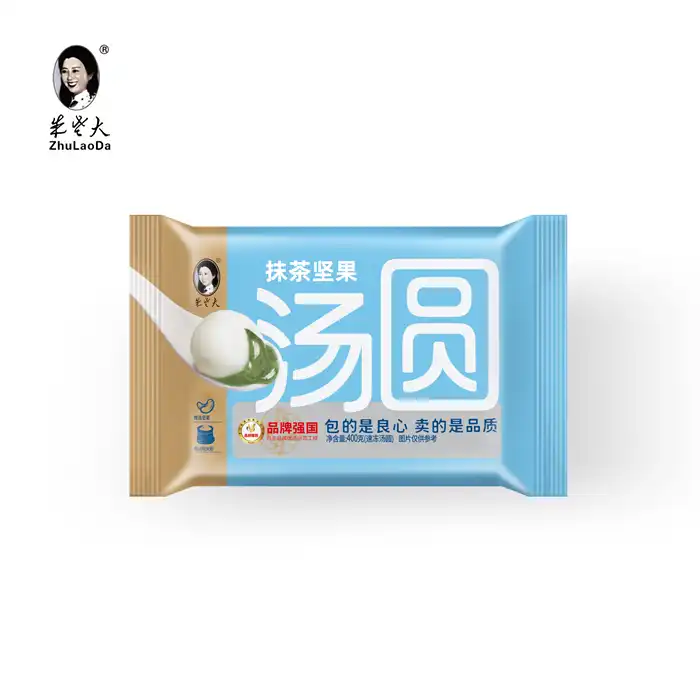
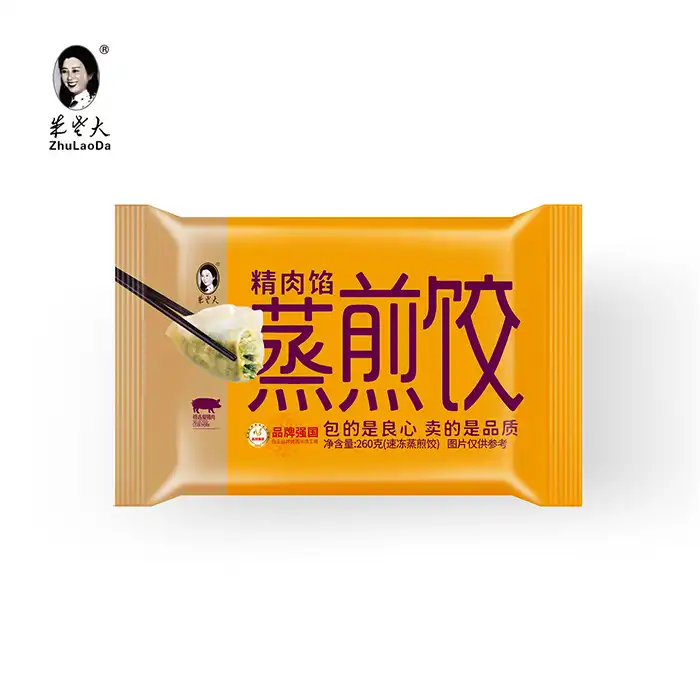
For more than 20 years, Shandong Zhu Laoda Food Co., Ltd. has produced frozen foods, with a focus on traditional Pork and Pickled Chinese cabbage dumplings. Every day, our three automatic production lines can make up to 100 tons of goods. The cold storage in our 8,000-ton building is smart enough to keep the whole place at -18°C all the time. When we buy pork, we only get it from trusted companies like JINLUO. To make pickled cabbage, we use controlled fermentation that follows strict safety rules.
Our company has ISO9001, HACCP, and National QS certifications, so people know who we are. Our boxes come in a range of sizes to meet your needs, from 450g for retail to 2.5kg for food service. We can be reached at sdzldsp@163.com if you want to buy in bulk, get samples of our goods, or talk about how our original northeastern dumplings can help your business. There is a lot of information about certifications and products at zhulaodadumpling.com.
References
1. Chen, Minghua, and Wei Zhang. Fermented Vegetables: Health Benefits and Production Techniques. Beijing: China Agricultural Press, 2019.
2. Liu, Yanping. "Quality Control Standards for Frozen Dumpling Production in Modern Food Manufacturing." Journal of Food Processing and Preservation 43, no. 8 (2019): 45-62.
3. Wang, Jianhua, ed. Regional Chinese Cuisine: Traditional Recipes and Modern Adaptations. Shanghai: Shanghai Scientific and Technical Publishers, 2020.
4. Yang, Shufen, and Li Dongmei. "Nutritional Analysis of Traditional Northeastern Chinese Dumpling Fillings." Asia Pacific Journal of Clinical Nutrition 28, no. 4 (2019): 712-720.
5. Zhang, Guoliang. Industrial Frozen Food Production: Technology and Quality Management. Guangzhou: South China University of Technology Press, 2021.
6. Zhou, Xin, and Ma Yuehua. "Fermentation Technology and Safety Assessment of Pickled Cabbage Products." Food Science and Technology Research 25, no. 3 (2020): 381-395.
Learn about our latest products and discounts through SMS or email