- English
- French
- German
- Portuguese
- Spanish
- Russian
- Japanese
- Korean
- Arabic
- Greek
- German
- Turkish
- Italian
- Danish
- Romanian
- Indonesian
- Czech
- Afrikaans
- Swedish
- Polish
- Basque
- Catalan
- Esperanto
- Hindi
- Lao
- Albanian
- Amharic
- Armenian
- Azerbaijani
- Belarusian
- Bengali
- Bosnian
- Bulgarian
- Cebuano
- Chichewa
- Corsican
- Croatian
- Dutch
- Estonian
- Filipino
- Finnish
- Frisian
- Galician
- Georgian
- Gujarati
- Haitian
- Hausa
- Hawaiian
- Hebrew
- Hmong
- Hungarian
- Icelandic
- Igbo
- Javanese
- Kannada
- Kazakh
- Khmer
- Kurdish
- Kyrgyz
- Latin
- Latvian
- Lithuanian
- Luxembou..
- Macedonian
- Malagasy
- Malay
- Malayalam
- Maltese
- Maori
- Marathi
- Mongolian
- Burmese
- Nepali
- Norwegian
- Pashto
- Persian
- Punjabi
- Serbian
- Sesotho
- Sinhala
- Slovak
- Slovenian
- Somali
- Samoan
- Scots Gaelic
- Shona
- Sindhi
- Sundanese
- Swahili
- Tajik
- Tamil
- Telugu
- Thai
- Ukrainian
- Urdu
- Uzbek
- Vietnamese
- Welsh
- Xhosa
- Yiddish
- Yoruba
- Zulu
Tangyuan Sesame Benefits: Consistency, Taste, and Easy Preparation
If you are a distributor, restaurant chain buyer, or food service manager searching for a dependable frozen dessert that performs well year-round, sesame tangyuan deserves a close look. These glutinous rice balls filled with aromatic black and white sesame paste have built a strong reputation in Asian food markets, and their appeal is now reaching broader audiences across the United States. This guide breaks down the key benefits of tangyuan sesame products—covering batch consistency, flavor quality, and simple preparation—so B2B buyers can make confident sourcing decisions backed by real product knowledge.
Understanding Tangyuan Sesame: History, Types, and Nutritional Value
Sesame-filled glutinous rice balls carry centuries of culinary history in Chinese culture, traditionally associated with the Lantern Festival and family reunion celebrations. Today, they have evolved into a year-round commercial staple for food service operations, supermarkets, and hot pot restaurant chains.
Cultural Roots and Market Appeal
The cultural weight behind these sweet dumplings is genuine. They symbolize togetherness, and that emotional association makes them a strong product for seasonal promotions and everyday dessert menus alike. Hot pot chains in particular use them as complimentary desserts, driving consistent demand throughout the calendar year.
Black Sesame vs. White Sesame: What Differs
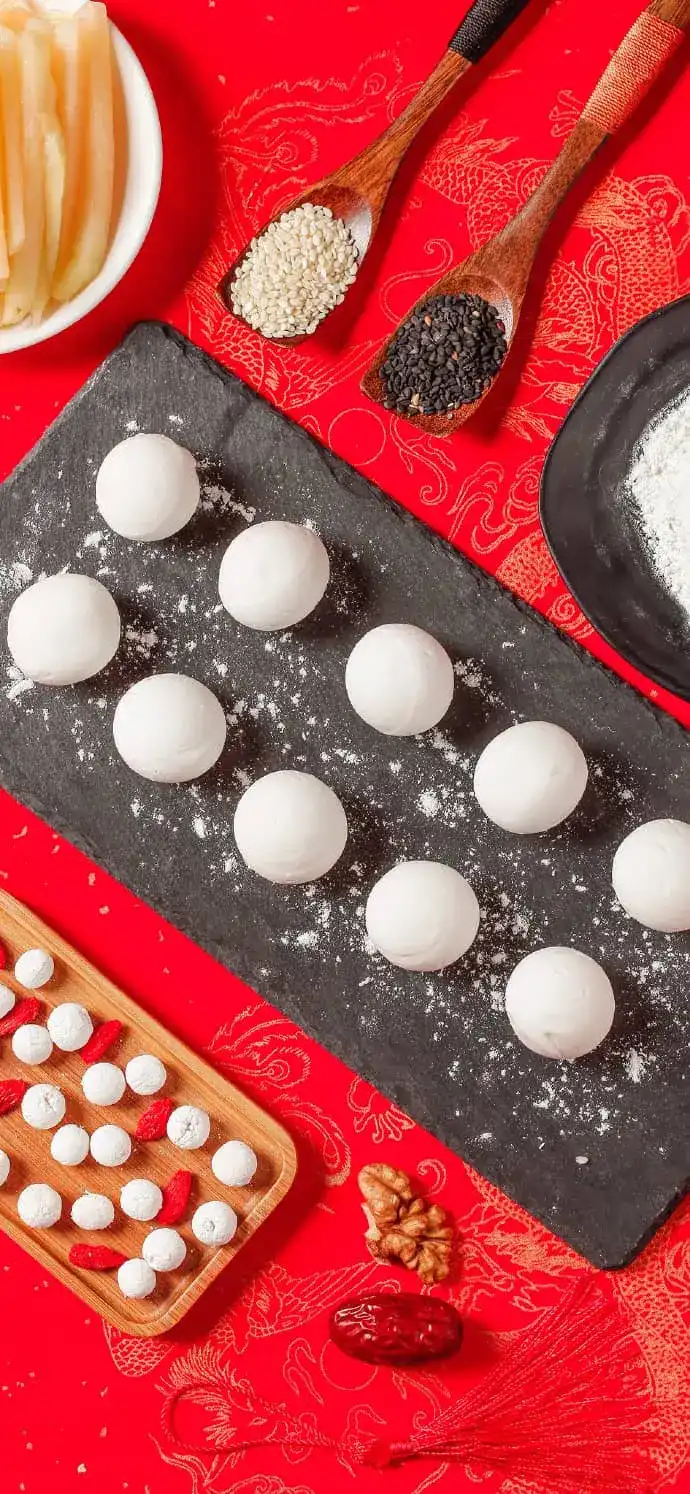
Black sesame seeds carry a deeper, slightly bitter roasted flavor with a more pronounced aroma. White sesame seeds produce a milder, sweeter profile. Zhulaoda's sesame tangyuan combines both, along with peanuts, white granulated sugar, edible glucose, and vegetable oil, to deliver a filling that balances richness and sweetness in a way that broad consumer groups appreciate.
Nutritional Relevance for Buyers
Sesame seeds contain healthy unsaturated fats, plant-based protein, and minerals such as calcium and magnesium. While the product is a dessert, its ingredient list—glutinous rice flour, black sesame seeds, white sesame seeds, peanuts, natural sugars, and vegetable oil—positions it favorably compared to highly processed alternatives, which matters to health-aware retail customers.
Consistency and Taste: How Sesame Enhances Tangyuan Quality
One of the main things that bulk buyers don't like is when things aren't consistent, like when skins crack while being shipped, fillings harden differently, or soup turns cloudy after cooking. These issues have a direct effect on how the restaurant looks and how happy the customers are.
Skin Integrity and Boiling Performance
Tangyuan sesame from Zhulaoda is made with pregelatinized starch and a compound emulsifier system that includes guar gum, xanthan gum, and mono- and diglycerides of fatty acids to keep the skin flexible during freeze-thaw cycles. In commercial kitchens, they float to the top of the water within six to eight minutes of boiling without breaking apart or letting any filling go into the water.
Filling Texture and Aroma Retention
The sesame paste filling is made very thin so that it melts when it comes in touch with heat. When you mix roasted black and white sesame seeds, peanuts, and maltodextrin, you get a filling that stays solid in the freezer but melts easily when cooked. The lipid binder, which has a freezing point of around 35–40°C, is carefully controlled to make it act in this way.
Comparison With Other Filling Types
There are other fillings like peanut and red bean, but sesame filling always comes out on top in consumer polls because of its unique smell and creamy texture. For people who buy hot pot restaurants, the sesame type is a popular treat that doesn't need to be changed from how service is normally done.
Easy Preparation and Storage Solutions for Bulk Purchasing
For food service teams working under pressure, preparation time and product reliability are non-negotiable. Sesame tangyuan scores well on both counts, which is one reason it has remained a staple in high-turnover commercial kitchens.
Step-by-Step Preparation
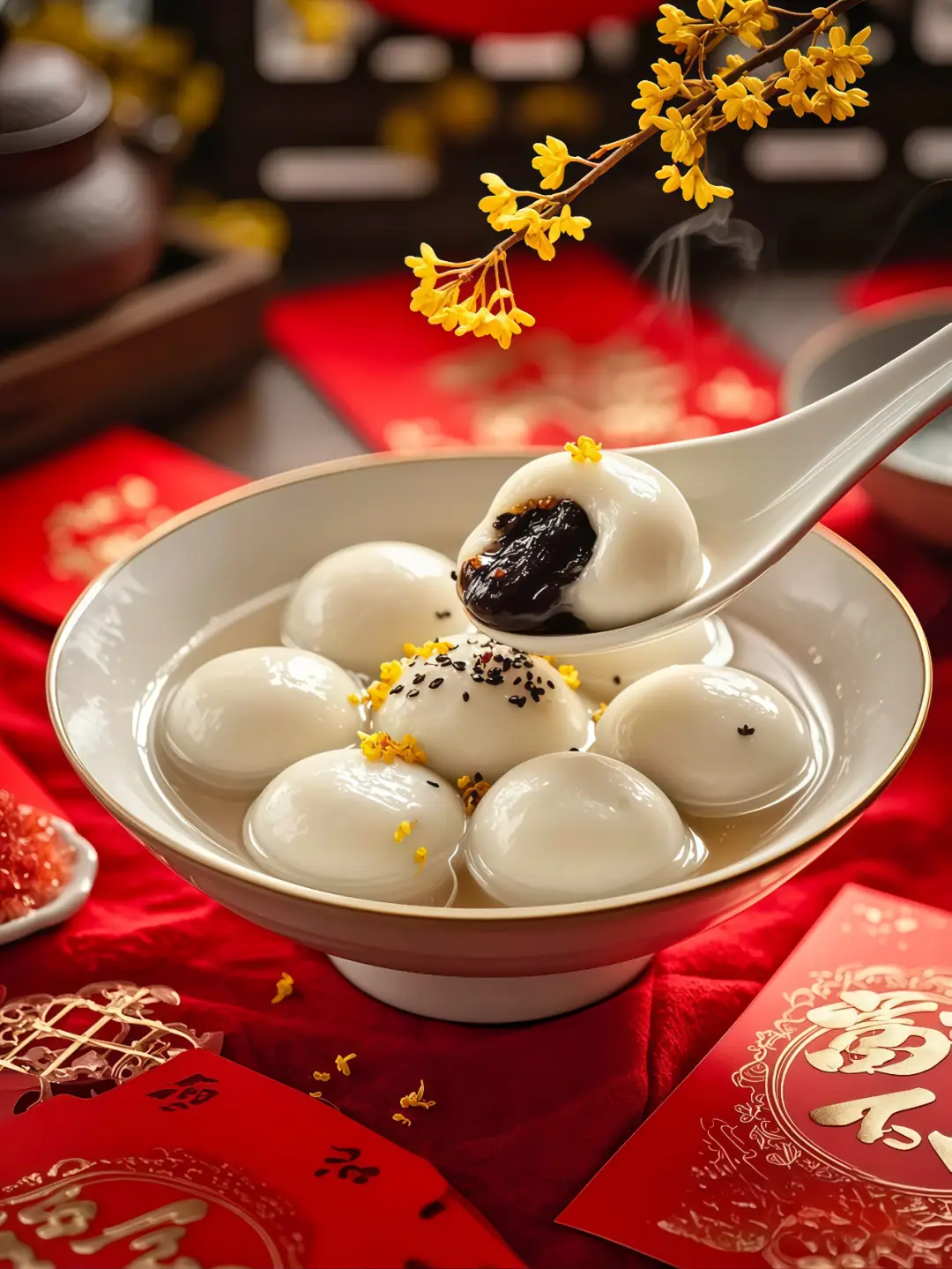
Preparation is genuinely straightforward. Bring a pot of water to a rolling boil, add the frozen glutinous rice balls directly from the freezer without defrosting, stir gently to prevent sticking, and cook for six to eight minutes until they float. Serve in sweet broth, ginger syrup, or plain. No thawing is needed—in fact, defrosting before cooking causes the dough to stick and may lead to skin breakage during handling.
Cold Chain Storage Requirements
The product must be stored frozen at or below -18°C. Under these conditions, the shelf life is 12 months, conforming to product standard SB/T 10412 and the food production license number SC11137139600148. Maintaining an unbroken cold chain from warehouse to delivery is essential for preserving skin texture and preventing lipid oxidation in the filling.
Packaging Options for Bulk Orders
Here are the available packaging configurations that Zhulaoda offers for B2B clients:
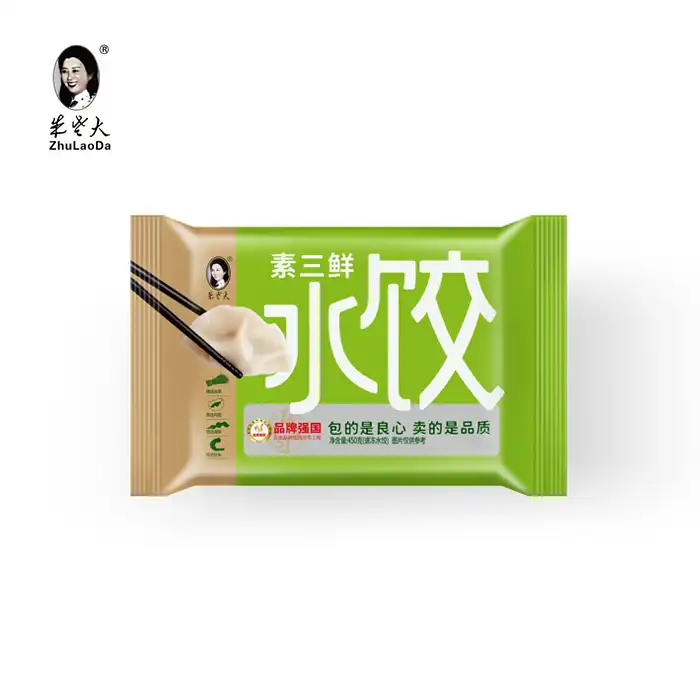
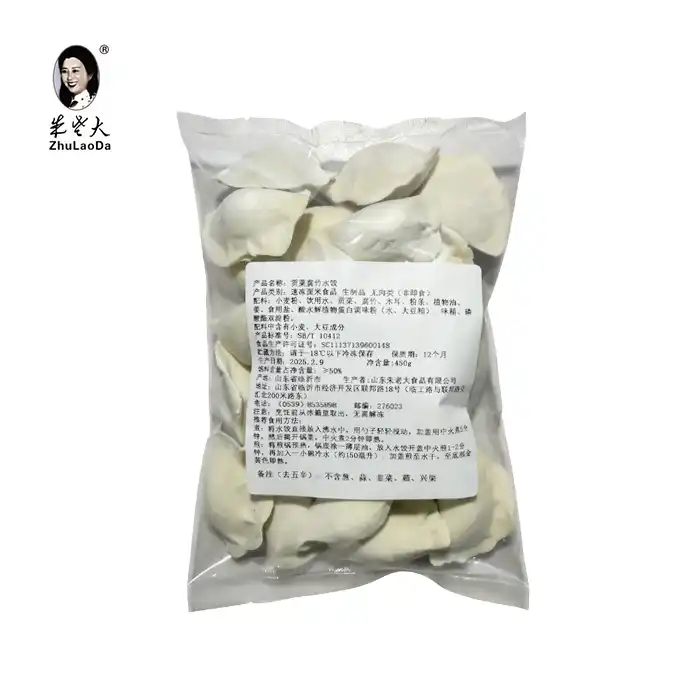
- 450g retail packs — suitable for supermarket shelf placement and small foodservice accounts that prefer consumer-ready packaging with branding visibility.
- 1kg catering packs — a practical mid-range option for restaurant kitchens that order weekly and want reduced packaging waste per serving.
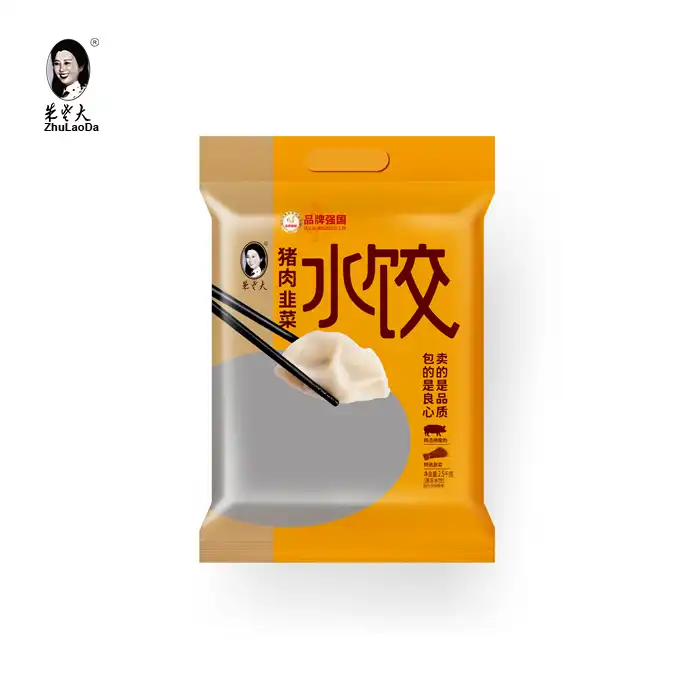
- 2.5kg bulk packs — designed for high-volume accounts such as hot pot chains and institutional kitchens, offering the lowest cost per unit and easier inventory management.
All three formats of tangyuan sesame are customizable to match distributor labeling requirements, giving buyers the flexibility to present the product under their own branding if needed.
Procurement Guide: Selecting and Buying Sesame Tangyuan for Your Business
Comparing unit prices isn't the only way to find the best sesame tangyuan supplier. The overall value of a buying partnership is based on how reliable the supply chain is, how consistent the quality is, and how flexible the contract is.
Key Quality Benchmarks to Verify
Ask for proof of freeze-thaw stability tests when you are evaluating a seller. At least three to five freeze-thaw cycles should be able to pass with less than 1% of the skin breaking. Boiling turbidity tests should show that the soup is still clear after ten minutes of cooking nonstop, which means the seal is still intact. As part of its quality control process, Zhulaoda sticks to these industry standards.
Evaluating Supplier Capacity and Reliability
Zhulaoda has three automatic production lines that can make up to 100 tons of goods every day. An intelligent shuttle rack system that can hold more than 8,000 tons of goods is used in the cold storage facility. This size is important for buyers who need to be sure they will have enough during busy times like the Lantern Festival and the Winter Solstice, when demand goes up and smaller manufacturers often can't keep up.
Bulk Purchasing Advantages
When you buy in bulk through Zhulaoda, you can get better deals, faster delivery times for repeat orders, and the chance to make regional supply agreements that protect distributor price regions. There is no minimum order quantity for first-time buyers, and you can place a sample order before signing a full-volume contract.
Tangyuan Sesame Benefits in B2B Procurement: Why It's a Smart Choice
Frozen sesame tangyuan is one of the most stable SKUs a distributor can carry because it is in high demand all year and can be priced in a variety of ways. The product doesn't need to be handled in a complicated way or with special kitchen tools. This cuts down on training time and operational friction for new accounts.
Steady Cash Flow Through Year-Round Demand
Unlike sweets that are only available during certain times of the year, tangyuan sesame sticky rice balls are always available. Every day of the year, hot pot places give them away as free treats, and during Chinese New Year, the Lantern Festival, and the Winter Solstice, they naturally sell more in stores. This predictability makes it easier for distributors to plan their inventory.
Differentiation Through Product Quality
There are a lot of frozen tangyuan products on the market that look and taste the same. To give well-sourced products a real edge, they need to have clear hot water, skin that stays on after cooking, and filling that stays the same structure. If buyers put these standards first, they can tell their restaurant and retail customers that their products are better.
Supporting Brand Reputation Through Consistent Supply
Customers trust a product more when it works the same way every time. People will keep coming back to a hot pot diner that serves the same great sesame treat every time. When the company that makes the product is as big and high-quality as Zhulaoda, which has been making frozen foods for more than 20 years, buyers know they can build a strong business relationship with them that will last.
Conclusion
Tangyuan sesame is a good choice for food service and distribution businesses because it is culturally appealing, tastes the same every time, and is easy to make. The product meets the needs of large buyers who can't afford quality variations thanks to its carefully chosen materials, versatile packing options, and strong cold chain performance. Zhulaoda is a good supplier for building a reliable frozen dessert supply chain because it can make 100 tons of goods every day, store them in smart cold rooms, and have strict quality standards.
FAQ
What makes sesame filling different from other tangyuan varieties?
Finely ground roasted black and white sesame seeds are mixed with peanuts, sugar, and fats to make a paste that is smooth, smells good, and flows easily when cooked. This is different from peanut-only or red bean fillings in terms of both smell and texture, which is why customers at hot pot restaurants like it.
How should bulk orders be stored to maintain quality?
At any point in the supply chain, all sesame tangyuan must be kept at -18°C or lower. Thermal pedaling makes the skin lose wetness and speeds up the oxidation of lipids in the sesame filling, so try to avoid doing it too often. When stored properly, goods stay fresh for up to 12 months.
Can the tangyuan be cooked directly from frozen?
Yes, and cooking from cold is the best way to do it. By adding fully frozen tangyuan to hot water, the skin's structure is kept intact. When glutinous dough is defrosted, it softens and sticks together, which makes it more likely to break when it is being handled.
Are there allergen considerations for bulk buyers?
Yes. There are known allergens in the product, like peanuts and sesame seeds. Buyers should make sure that allergen information is included in all downstream packaging and menu materials in a way that follows local laws.
What customization options are available for distributors?
Zhulaoda has packaging in 450g, 1kg, and 2.5kg sizes, and they can customize the labels for private labels to help distributors with their branding plans.
Partner With Zhulaoda — Your Trusted Sesame Tangyuan Supplier for Bulk Orders
Zhulaoda has been making frozen foods since 2001, and our tangyuan sesame line shows that we have more than 20 years of experience making food. We can help large food service buyers, restaurant chains, and distributors because we have three automatic production lines that can handle 100 tons of food every day and smart cold storage that can hold more than 8,000 tons. Get in touch to talk about prices for large orders, custom packaging, and area supply deals. To get samples or a price quote, email us at sdzldsp@163.com.
References
1. Huang, Y., & Chen, J. Journal of Cereal Science — Starch Retrogradation in Glutinous Rice Products. 2019.
2. Liu, X., & Wang, H. Food Chemistry — Lipid Oxidation in Sesame-Based Fillings During Frozen Storage. 2020.
3. Zhang, L. LWT – Food Science and Technology — Emulsifier Effects on Freeze-Thaw Stability of Glutinous Rice Dough. 2021.
4. National Food Safety Standard of China. GB 2760 — Standards for Food Additive Use in Frozen Wheaten Foods. 2022.
5. Shi, M., & Li, R. Journal of Food Engineering — Texture Analysis of Industrial vs. Artisan Tangyuan Under Commercial Boiling Conditions. 2018.
6. Chen, W. Food and Bioprocess Technology — Cold Chain Management and Quality Retention in Frozen Glutinous Rice Products. 2022.

Learn about our latest products and discounts through SMS or email