- English
- French
- German
- Portuguese
- Spanish
- Russian
- Japanese
- Korean
- Arabic
- Greek
- German
- Turkish
- Italian
- Danish
- Romanian
- Indonesian
- Czech
- Afrikaans
- Swedish
- Polish
- Basque
- Catalan
- Esperanto
- Hindi
- Lao
- Albanian
- Amharic
- Armenian
- Azerbaijani
- Belarusian
- Bengali
- Bosnian
- Bulgarian
- Cebuano
- Chichewa
- Corsican
- Croatian
- Dutch
- Estonian
- Filipino
- Finnish
- Frisian
- Galician
- Georgian
- Gujarati
- Haitian
- Hausa
- Hawaiian
- Hebrew
- Hmong
- Hungarian
- Icelandic
- Igbo
- Javanese
- Kannada
- Kazakh
- Khmer
- Kurdish
- Kyrgyz
- Latin
- Latvian
- Lithuanian
- Luxembou..
- Macedonian
- Malagasy
- Malay
- Malayalam
- Maltese
- Maori
- Marathi
- Mongolian
- Burmese
- Nepali
- Norwegian
- Pashto
- Persian
- Punjabi
- Serbian
- Sesotho
- Sinhala
- Slovak
- Slovenian
- Somali
- Samoan
- Scots Gaelic
- Shona
- Sindhi
- Sundanese
- Swahili
- Tajik
- Tamil
- Telugu
- Thai
- Ukrainian
- Urdu
- Uzbek
- Vietnamese
- Welsh
- Xhosa
- Yiddish
- Yoruba
- Zulu
The History of Pickled Chinese Cabbage and Pork Dumplings in China
Pickled Chinese cabbage and pork dumplings hold a cherished place in Chinese cuisine, embodying centuries of culinary ingenuity and regional tradition. This filling combination emerged from northeastern China, where harsh winters necessitated vegetable preservation through fermentation. The tangy, umami-rich pickled cabbage paired naturally with savory pork, creating a flavor profile that became a wintertime staple. Over generations, this humble dish evolved from household kitchens into a beloved comfort food, now embraced by millions worldwide seeking authentic taste and nourishment in every bite.
Origins and Historical Significance of Pickled Chinese Cabbage and Pork Dumplings
Ancient Dumpling Traditions in Chinese Culture
In China, dumplings have been around since the Han Dynasty, which is more than 1,800 years ago. They were used as medicine in the winter. Docs wrapped plants and meat in dough to keep people warm and stop them from getting hypothermia. Through the years, making dumplings with family during holidays and festivals became a tradition in the cooking world. It became popular to fill pies with pork because it was easy to find and tasted great. It went well with wheat-based wrapping, which in Chinese society meant peace and wealth.
Emergence of Pickled Cabbage as a Preservation Technique
People in northeastern provinces like Jilin and Liaoning had to deal with long winters and not having enough fresh vegetables. People came up with complicated ways to ferment Napa cabbage to keep it fresh. This is what we now call suancai, which is Chinese cabbage that has been pickled. This way of storing food not only made it last longer, but it also added healthy probiotics that made it taste better. Because of the fermentation process, dumpling stuffing has a unique sour taste and crisp texture that makes them better than other meat and vegetable mixes.
Regional Evolution and Supply Chain Development
In the past, getting items needed craft skills and a network of people who sold goods in the area. Folks picked cabbage in the fall, families made pickles in clay jars, and butchers brought in fresh pork from nearby farms. Being able to track products and build trust in the community were very important in these old supply chains. If you work in international procurement and want to find real goods, these ideas are still useful. From making things at home to making things in factories today, these core values have stayed the same. They help meet the world's desire for uniform quality and food safety.
Understanding Pickled Chinese Cabbage – Definitions and Benefits
Fermentation Process and Flavor Development
In contrast to raw cabbage or cabbage that has only been spiced, pickled Chinese cabbage undergoes controlled lacto-fermentation. During this process, good bacteria change sugars found in food into lactic acid. This gives the food its sour taste and stops bacteria that are bad for you from growing. At the right temperature, this change takes three weeks.
As a result, the food has a more complex flavor and stays fresh longer, which are both big pluses for frozen food makers who have to find a balance between authenticity and the need to meet real-world distribution needs. Pickled Chinese cabbage and pork dumplings exemplify this balance perfectly, as the fermented cabbage not only enhances the filling’s savory depth but also ensures the dumplings maintain their quality during frozen storage and transport.
Nutritional Profile and Health Advantages
Pickled cabbage has probiotics added to it during the process. These help the immune system and gut. Not changed in any way, it still has a lot of vitamin C, vitamin K, and important minerals. It's better for you when you mix this with protein-rich pork in dumplings. The lower pH level and natural probiotics also help the food stay fresh longer, which is an added benefit of the way it is stored now. More and more people want functional foods that taste good and are good for you. These health benefits make sense.
Culinary Applications and Manufacturing Considerations
When you're cooking, pickled cabbage makes the ingredients in dumplings taste better. The sour taste goes well with the rich pork fat, and the crisp texture stands out against the soft meat. Controlling the amount of wetness stops fillings from leaking water, which makes the wrapper less solid when frozen and then thawed again. Pickled cabbage is an important ingredient for companies that make good frozen dumplings that stay stable during international cold chain logistics and taste like they were made at home.

Traditional and Modern Recipes for Pickled Chinese Cabbage and Pork Dumplings
Classic Recipe Components and Preparation Methods
In traditional recipes, it's important to use exact amounts to get the best taste and texture. The traditional recipe calls for pork front leg meat that is just the right amount of lean to fat, pickled cabbage that has been squished dry, and spices like soy sauce, ginger, and scallions. When you chop the meat while it is still cold, the fat won't separate. Then, slowly add the spices to make a filling that stays together and is juicy. Wrapper dough needs to be kneaded in a certain way so that it has the right amount of water and can stand up to cooking without breaking. This is a very important quality standard for both cooking at home and making things for business.
Contemporary Cooking Techniques and Equipment
Modern ways of cooking take into account how people like their food and how good they are at it. The texture gets softer and more delicate when you steam it, but the nutrients stay the same. When you pan-fry something, the bottom gets crispy and the top gets soft, which is good for people who like different textures. Many people like air-frying because it is healthier than frying in oil and still makes food taste great. Stores can sell leftover dumplings for a number of different ways to cook them without lowering the quality or safety standards. This makes the dumplings more appealing to buyers.

Product Variations for Expanding Markets
As the needs of different types of customers change, recipes are changed to meet those needs. Younger people and people who like fusion food will like the spicy ones made with chili oil or Sichuan peppercorns. People who care about their health like formulations that have less sodium without giving up taste diversity. Old recipes will always be important, but these changes show that businesses can make a lot of different goods that are all original while also meeting the needs of people with different diets and tastes from different parts of the world. Business-to-business clients who want to stand out in the market will find this knowledge helpful.
Comparison and Procurement Insights for Pickled Chinese Cabbage and Dumpling Ingredients
Ingredient Selection Criteria for Quality Assurance
Using good raw materials is important for making sure that the end result is stable and of good quality. Pickled cabbage isn't always good because of the type of cabbage used, how long it ferments, and how much salt is added. If you pickle cabbage the right way, it will be bright green, crisp, and just the right amount of sour without being too much. The ratio of lean to fat in pork front leg meat is better than that of shoulder cuts or trimmings.
Pickled Chinese cabbage and pork dumplings rely on this very meat-to-cabbage harmony, where the fermented vegetable’s tangy bite cuts through the richness of the pork, making the choice of each raw ingredient even more critical. It is possible for wheat flour from the prairies in Canada or the Hetao Plain in China to keep the dough stretchy. These decisions about where to get the ingredients have a direct impact on the texture, taste, and stability of a product over its useful life.
Evaluating Manufacturing Standards and Certifications
When big buyers want to know what a provider can do, they need to see more than just samples of the goods. For example, China's SB/T 10412 for frozen wheat-based products is an example of a national standard that manufacturers must follow. They must also have valid licenses to make food.
To test for microbes, find metals, and keep an eye on temperatures, businesses should use HACCP-approved methods with written critical control points. How well a seller can meet regular orders while keeping quality standards high can be seen by how much cold storage space they have, how much they make every day, and how many automatic production lines they have. For importers who are in charge of multi-channel distribution networks, this information is very useful.
Logistics and Supply Chain Best Practices
To buy well, you need to know about the cold chain and how to move things. Goods must stay at or below -18°C during delivery, and there must be proof that the temperatures are stable. If you store food properly, it will last for 12 months, which is enough time to ship and distribute goods around the world. Different channels need different kinds of packaging, like 450g retail sizes and 1kg foodservice formats. It's easier to get goods through customs when suppliers let you load containers in different ways and help with export paperwork. This keeps things from taking too long, which could damage goods or make shipping more expensive.
Future Trends and Industry Insights for Pickled Chinese Cabbage Dumplings Market
Consumer Demand Shifts and Market Opportunities
Families who want convenience and the growing number of Asians living outside of Asia are both driving strong growth in the frozen dumpling sector. Because they have probiotics, cultured foods are becoming more and more popular with people who care about their health. Pickled cabbage rolls are a better choice than other foods because they have these things in them.
People from all walks of life like real Asian food, which means there are possibilities outside of standard ethnic markets. Young people who want to try new tastes are especially likely to do this, Pork and cabbage being a prime example of a classic dish that retains its authentic appeal. These trends show that people will still want high-quality products that taste like the real thing instead of versions that have been changed to appeal to more people.
Production Innovation and Sustainability Requirements
Modern makers spend money on good tools and methods that help them do their jobs faster and better without giving up on traditional style. Individual Quick Freezing (IQF) technology is a more advanced way to quickly freeze things. It keeps the structure of cells and textures from changing while they are being stored.
These smart warehouse systems make the most of the space they have, move goods faster, and use less power. To protect the environment, folks choose to buy pork from farms that follow rules for animal care and cabbage from farms that use integrated pest management. These changes to operations meet the needs of both the government and consumers who want fair ways to make things.
Customization and Private Label Development
Brands that offer customization and OEM partnerships will do better as the market gets more competitive. If distributors want to stand out, they need people who can change recipes, make their own spice mixes, or come up with formulas that only work in a certain area. Customs brokers and stores can build brand recognition with private labeling while using production know-how that is already in place. Labels that can be read in more than one language and allergen alerts that follow the rules of the market where the product is going make it easier to grow globally. People who buy things this way can take advantage of market opportunities fast and without having to spend a lot of money on production sites.
Conclusion
Pickled cabbage and pork dumplings have gone from being a regional specialty to a well-known comfort food. They show both the history of food and how sophisticated the food business is today. It is easier to send frozen food when you use this standard filling mix. It also makes food taste better and is better for you. Learn about the history, science, and buying factors of the items to make smart choices that meet customer wants and keep the business profitable.
As the market changes, distributors that serve a lot of different people who want real taste experiences will still value providers that show consistent quality, know about regulations, and can make changes to fit specific needs, with Pork and cabbage remaining a core example of how a simple, authentic ingredient combination can anchor product reliability and consumer trust.
FAQ
Why is pickled cabbage preferred over fresh cabbage in pork dumplings?
Many good things come from pickled cabbage, like keeping ingredients from being too watery, a longer shelf life because it naturally preserves food, and complex flavor profiles that form during fermentation. The sour taste makes the pork taste better, and the probiotics make it better for you. Too much water is released when raw cabbage is mixed with salt and meat. This makes the wrapper weak and affects the quality when frozen and warmed.
How can buyers ensure consistent raw material quality from suppliers?
Auditing suppliers to make sure they follow HACCP rules, keep track of ingredients, and follow batch testing protocols is the best way to make sure quality. Ask for documents that show microbiological testing, the amount of nitrite left in pickled vegetables, and signs that the meat is fresh. Set standards for things like how thick the shell should be and how much filling should be used. Then, have third parties check in on a regular basis to make sure that the standards that were agreed upon are still being met.
What certifications should importers require from dumpling manufacturers?
Some of the most important certifications are a valid license to make food, HACCP certification, which shows that you manage food safety in a structured way, and meeting the import requirements of the country where the food is going. National rules, like SB/T 10412 for frozen wheat products, should be followed by the products. Exporters must show proof of how they handle allergens, where their meat comes from, and tests for pesticide residues on their goods. This will help customs agents clear the goods faster and meet the needs of stores in target areas.
Partner with Zhulaoda for Authentic Frozen Dumpling Solutions
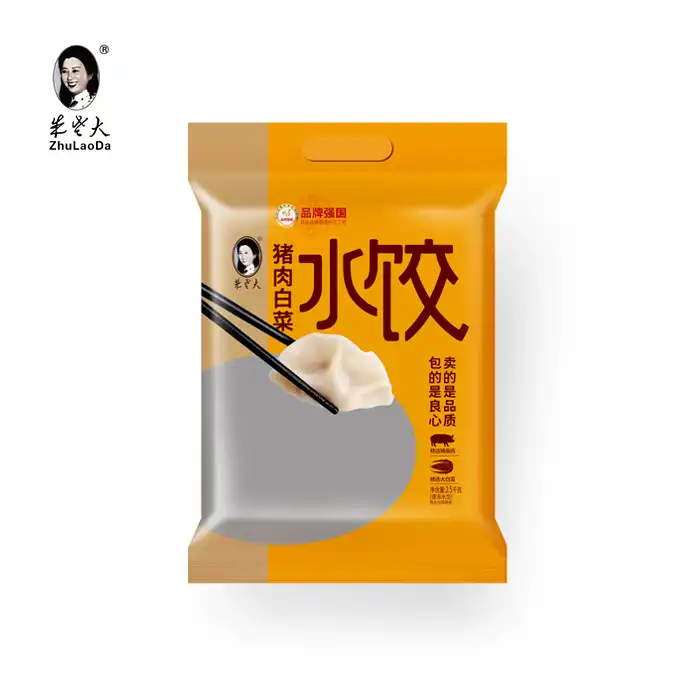
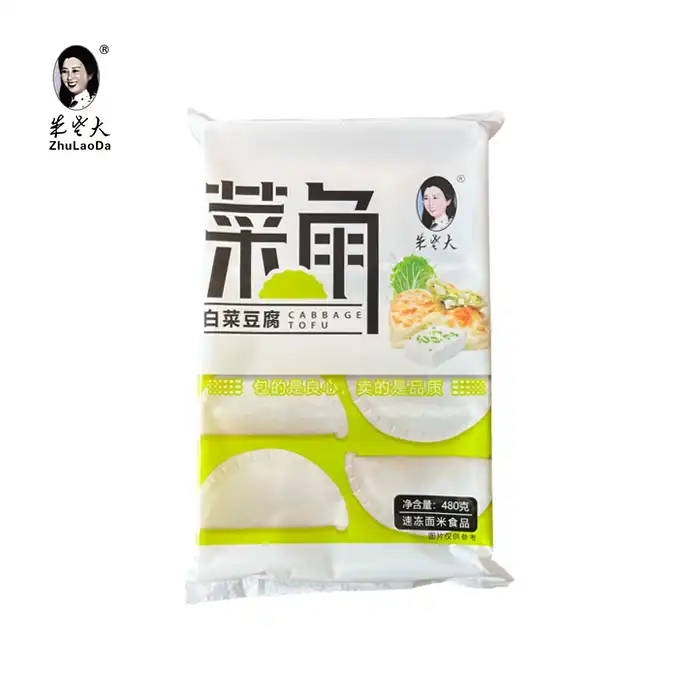
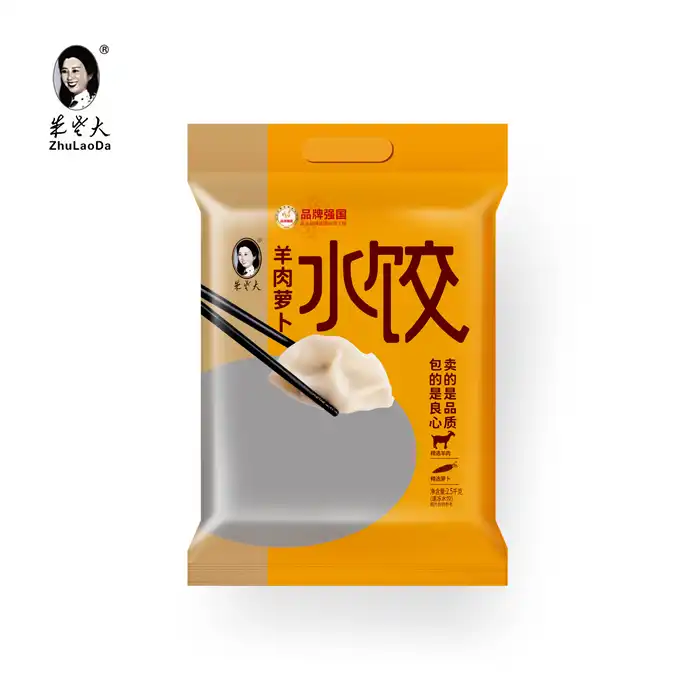
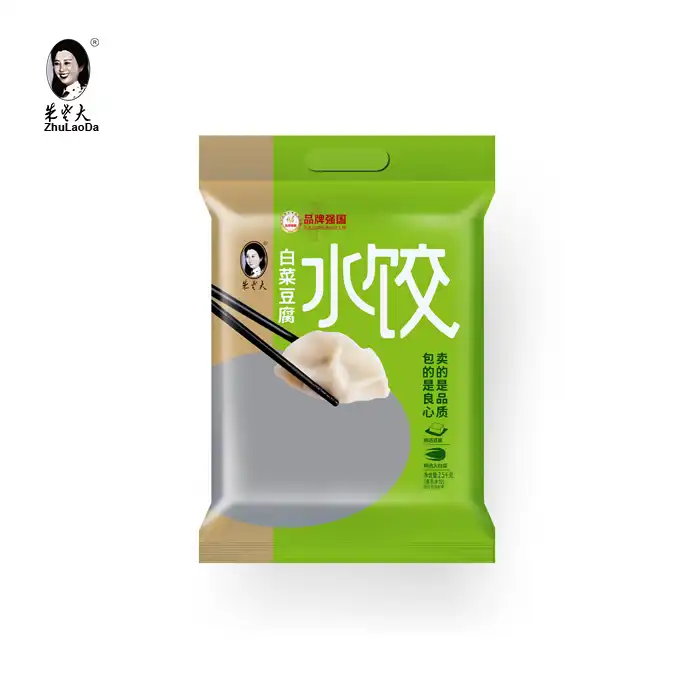
Shandong Zhu Laoda Food Co., Ltd. has been making frozen foods for more than 20 years. Their Pickled Chinese cabbage and pork dumplings are know for being very good. Our high-tech factory is in the southern part of Shandong. It has three automated lines that can make 100 tons of goods every day. It also has a smart cold storage room that can hold 8,000 tons. To make the best food, we use Canadian wheat flour, approved first-grade pork, and veggies straight from the fields where they grow. We can be sure that each dumpling meets our high quality standards, which are set by license SC11137139600148.
You can easily buy things from us because we offer a variety of packing choices and export-ready compliance paperwork. This is true whether you are in charge of Asian stores, restaurant chains, or food delivery networks across North America. Our team can be reached at sdzldsp@163.com to talk about custom solutions, get samples of our products, or learn more about how we can meet the needs of your market as an OEM. You can see all of our frozen foods at zhulaodadumpling.com and find out how our commitment to real tastes and on-time delivery can help your own goods.
References
1. Chen, W. (2018). Traditional Chinese Food Preservation Techniques: Historical Evolution and Modern Applications. Beijing: China Agriculture Press.
2. Li, M., & Zhang, H. (2020). Fermentation Science in Asian Cuisine: Microbiological Analysis of Pickled Vegetables. Journal of Food Culture and History, 12(3), 145-162.
3. Wang, Y. (2019). Dumpling Culture in Northern China: From Folk Tradition to Industrial Production. Shanghai: East China Normal University Press.
4. National Food Safety Standard Committee. (2016). SB/T 10412: Industry Standard for Quick-Frozen Wheat Flour and Rice Products. Beijing: Standards Press of China.
5. Zhao, L., Kim, J., & Park, S. (2021). Consumer Preferences for Frozen Asian Foods in North American Markets. International Journal of Food Distribution Research, 8(2), 78-95.
6. Liu, Q. (2017). Cold Chain Logistics and Quality Control in Frozen Food Industry. Guangzhou: South China University of Technology Press.
Learn about our latest products and discounts through SMS or email