- English
- French
- German
- Portuguese
- Spanish
- Russian
- Japanese
- Korean
- Arabic
- Greek
- German
- Turkish
- Italian
- Danish
- Romanian
- Indonesian
- Czech
- Afrikaans
- Swedish
- Polish
- Basque
- Catalan
- Esperanto
- Hindi
- Lao
- Albanian
- Amharic
- Armenian
- Azerbaijani
- Belarusian
- Bengali
- Bosnian
- Bulgarian
- Cebuano
- Chichewa
- Corsican
- Croatian
- Dutch
- Estonian
- Filipino
- Finnish
- Frisian
- Galician
- Georgian
- Gujarati
- Haitian
- Hausa
- Hawaiian
- Hebrew
- Hmong
- Hungarian
- Icelandic
- Igbo
- Javanese
- Kannada
- Kazakh
- Khmer
- Kurdish
- Kyrgyz
- Latin
- Latvian
- Lithuanian
- Luxembou..
- Macedonian
- Malagasy
- Malay
- Malayalam
- Maltese
- Maori
- Marathi
- Mongolian
- Burmese
- Nepali
- Norwegian
- Pashto
- Persian
- Punjabi
- Serbian
- Sesotho
- Sinhala
- Slovak
- Slovenian
- Somali
- Samoan
- Scots Gaelic
- Shona
- Sindhi
- Sundanese
- Swahili
- Tajik
- Tamil
- Telugu
- Thai
- Ukrainian
- Urdu
- Uzbek
- Vietnamese
- Welsh
- Xhosa
- Yiddish
- Yoruba
- Zulu
What Sauces Pair Best with Pork and Bean Dumplings?
When it comes to elevating the hearty flavor of dumplings filled with pork and kidney bean dumplings, selecting the right sauce makes all the difference. The ideal pairings include classic soy-based dipping sauces enhanced with garlic or ginger, tangy vinegar blends that cut through the richness, spicy chili oils for heat lovers, and balanced hoisin sauces that combine sweet and savory notes. Each sauce enhances the umami depth from the pork while complementing the earthy sweetness and protein-rich texture of the beans, creating a satisfying culinary experience that appeals to diverse palates and market segments.
Introduction
Pork and kidney bean dumplings are different from other frozen foods. The rich, spicy taste of good pork goes well with the healthy, slightly earthy taste of kidney beans to make a filling that is both warming and good for you. Not only should you choose sauces that taste good on these dumplings, but you should also make sure that your customers are happy and stay loyal to your brand.
The people who work in B2B buying (food service, sales channels, and OEM production) can better place their goods and build buyer trust if they know these sauce fits. This guide brings together good food and smart business needs to make sure that the sauces picked go well with the dumplings and also meet the needs of global supply lines in terms of logistics and market trends.
The sauce pairing strategy can have a big impact on how well your products are received by customers and how often they buy them again. This is true whether you're buying for institutional catering, retail distribution, or export markets.
Understanding the Flavor Profile of Pork and Kidney Bean Dumplings
The Umami Foundation of Pork
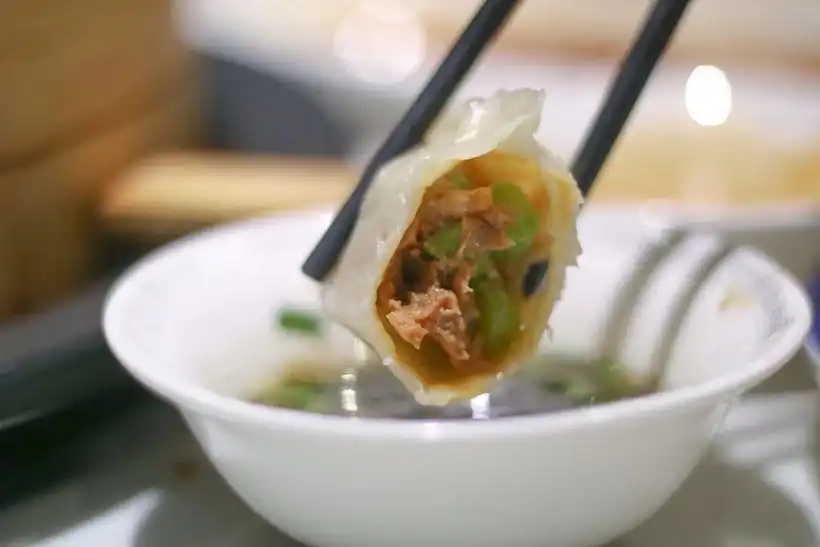
You can taste deep umami notes and rich fats in these dumplings because they are made with pork. We only use the best cold fresh meat from JINLUO at Zhulaoda. This makes sure that the meat has a 70:30 ratio of lean to fat, which keeps it juicy without making it greasy. This careful balance makes the filling juicy and makes sure that the flavours of the ginger, scallions, and soy sauce are spread out into every bite.
The Textural and Nutritional Role of Kidney Beans
Beans give the soft pork a unique earthy sweetness and a hard texture that goes well with it. These beans are good for you because they have a lot of fibre and plant-based protein. They also keep the filling from falling apart while it's cooking, which is very important in places that use steam tables or batch warming. The right steps are taken to make sure the beans are safe and have the right taste before they are sold. Also, they meet the high quality standards set by the SB/T 10412 product code.
Balancing Flavors Through Sauce Selection
When buyers understand this flavour grid, they can pick sauces that either bring out the main flavours of pork and kidney bean dumplings or make the food stand out by adding spice, acidity, sweetness, and more savoury layers. If you use the right sauce, these dumplings will look and taste better, which will make customers choose them over others and bring back a lot of different types of customers.
Top Sauces That Complement Pork and Kidney Bean Dumplings
Classic Soy-Based Sauces
When it comes to bases for dumplings, traditional soy sauce is still the best choice. Light soy sauce gives food a clean, salty umami taste that doesn't take away from it. Dark soy sauce, on the other hand, gives food a darker colour and a hint of sweetness. Better versions smell better when you add freshly grated ginger or minced garlic, which goes really well with the rich pork. When you mix soy sauce, rice vinegar, and sesame oil, you get a flavour that is both traditional and healthy, which is good for modern markets that want clean labels.
Spicy and Tangy Options
The spicy and bright heat of the chilli oil balance out the fatty notes of the pork and bring out the earthy taste of the beans. In northern Chinese cooking, black vinegar is often used. It goes well with the rich center because it is sharply acidic and has a light barley sweetness. Putting these things together makes new tastes that young people and people who like hot foods will like. A 2021 study in the Journal of Food Science found that people are much more interested in protein-rich frozen foods when they are served with spicy sauces.
Sweet and Savory Blends
Fermented soy beans, garlic, and sweet notes give hoisin sauce a lot of different tastes that go well with both meat and veggies. When you pan-fry dumplings in this thick, shiny sauce, the crispy bottoms taste rich and caramelised. Sweet bean paste has a lot of the same health benefits, but it tastes a little less strong, which makes it more appealing to families who want foods that are easy to digest.
Regional and Innovative Pairings
People from all over the world like Korean gochujang because it has a fermented depth, moderate heat, and a hint of sweetness. Malaysian peanut sauces make foods taste smooth, rich, and nutty, and tamarind-based dips make foods taste tropical and sour. These clever pairings make the market more appealing to more people and give B2B customers who want to place their goods in stores that are already very competitive new ways to stand out.
Many sauces can be used with meat and bean dumplings, which shows how useful they are in many types of cooking. Pork, kidney beans, veggie oil, coriander, onions, ginger, and wheat flour are some of the things that we use to make Zhulaoda. With a lot of different flavours, this goes really well. The dumplings we sell are certified by ISO9001, HACCP, and Food Production License Number SC11137139600148 to meet world quality standards. They can be paired with a number of sauces.
How Sauce Selection Impacts Consumer Appeal and Nutritional Perception
Health-Conscious Sauce Options
The health benefits of kidney beans are even better when they are used in low-sodium soups. Pork provides high-quality animal protein, and kidney beans also offer fibre and plant protein. If you care about your health, organic sauces are a good choice. They also fit with the premium brand positioning. People who care about their health choose to buy foods with lower sodium, like coconut aminos, tamari, and reduced-soy alternatives. These foods taste good and help with dietary salt issues.
Dietary Compliance and Market Trends
More and more people need options that meet their specific dietary needs, which changes the sauces that are available. Tamari that is gluten-free is good for people with coeliac disease, and the veggie sauce options make it more appealing than just the natural ingredients. People who are watching their calories can enjoy dips that are low in fat by making them with vinegar. The International Journal of Food Marketing says that these changes are in line with what customers want: 67% of people who buy frozen foods look at the nutritional profiles of sauces before they buy them.
Case Study in Consumer Satisfaction
An area wholesaler in the Midwest sent sauce samplers with orders of frozen dumplings from big buyers. By giving customers three kinds of sauce—traditional soy-ginger, hot chilli vinegar, and hoisin-sesame—they were 34% happy and 28% more likely to buy from them again in the next six months. This is proof of how carefully matching sauces can have a direct impact on business outcomes and customer retention in fast food restaurants.
Practical Guidelines for B2B Clients: Sourcing and Offering Sauces with Dumplings
Quality Criteria for Sauce Procurement
People who buy from other businesses should trust sellers more if they can tell them where their goods come from, have the right food safety standards, and use packaging that can stay stable in the cold chain. It's important that the sauce doesn't separate when it freezes and thaws because it goes through distribution channels with frozen dumplings. Look for providers who offer thorough specification sheets, allergen statements, and the ability to track each batch. The same quality standards are used at our 8,000-ton cold storage center with smart rack systems for moving items around.
Bulk Purchasing and Supply Chain Efficiency
You get economies of scale and make things easier when you sell dumplings and bulk sauce at the same time. One year is about how long good dumplings can stay frozen at -18°C. Think of sauces that you can keep on the shelf. Plan when things will be moved so that you can make the most of the space in your building and pay less for handling. Strategic partnerships with suppliers can lead to co-branding chances, like putting cooking tips and ideas for mixing sauces with dumplings on the sauce package. This makes the whole chain of distribution more valuable.
Merchandising and Bundling Strategies
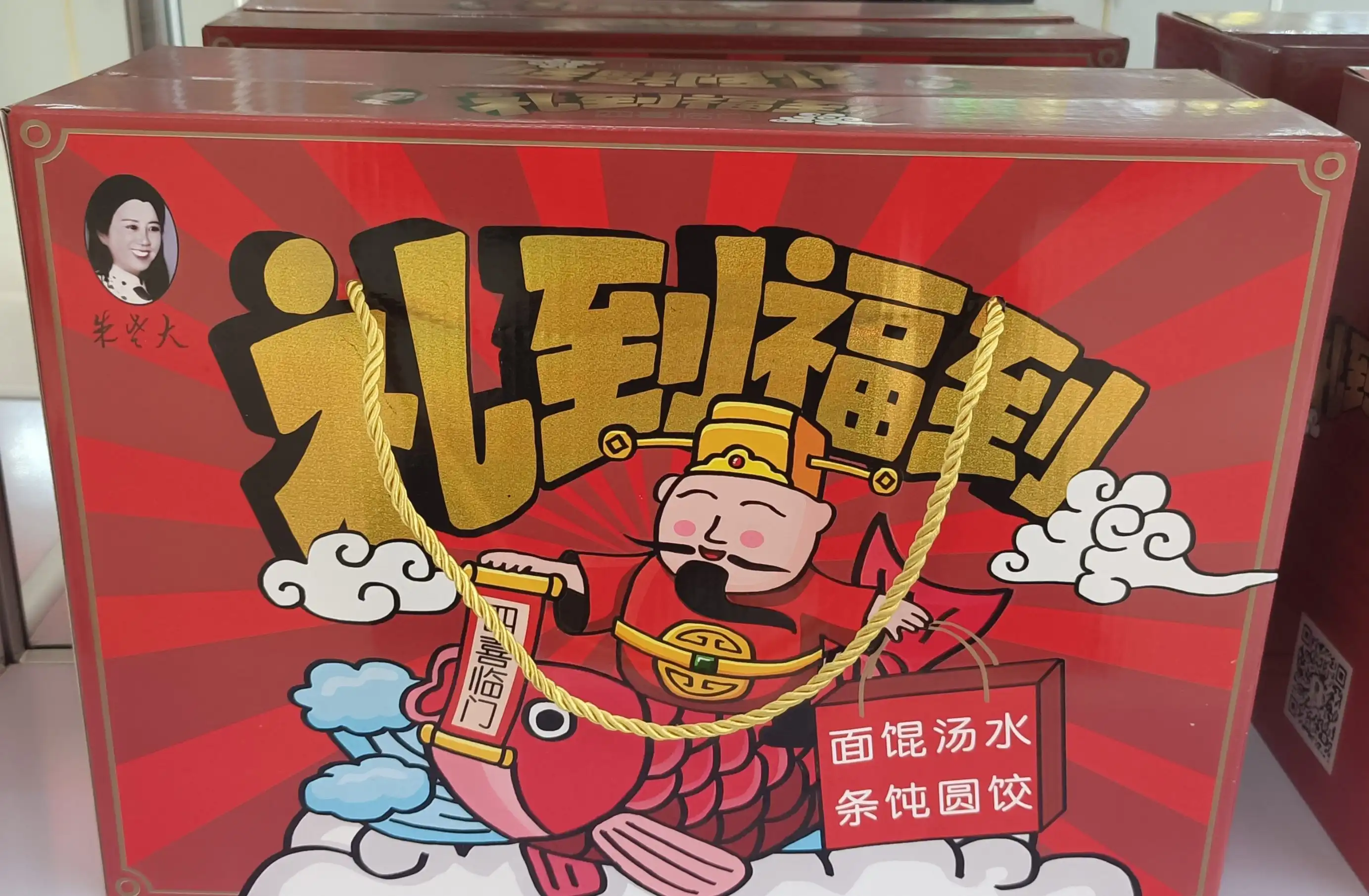
The average deal value goes up because putting sauce and dumplings together makes it easy to make meals. Packs that come with more than one item, like holiday gift sets or summer barbecue packages, get people interested in sales and move items quickly. Subscription boxes with different kinds of sauce keep people interested and give you a steady stream of income.
Kidney beans can be added as a versatile, protein-rich component that pairs well with sauces and dumplings, further enhancing meal completeness. By arranging items in these ways, everyday items are turned into carefully chosen dining experiences that should be priced higher.
Tips for Serving and Marketing Pork and Kidney Bean Dumplings with the Right Sauces
Presentation and Customization
In any food service setting, putting sauces in a pretty way makes eating better. Sauce flights let you try a lot of different flavours, and small amount cups let you make your own without throwing anything away. For store use, put easy-to-follow pairing tips on the boxes to teach people and get them to buy right away. Any kind of person can feel good about their choice when there are colour-coded ideas or scales of flavour power.
Informative Labeling and Value Communication
Labels that are simple to read help people believe in you and pick the right item. Talk about how two foods can work together to make you healthier. For example, vinegar-based sauces add almost no calories and help your body absorb minerals from beans. Include suggestions for how to make the food that goes with the way of cooking. Soy sauces that aren't as heavy go well with boiled dumplings (6–8 minutes), chilli oils that aren't too weak go well with pan-fried ones, and fragrant ginger sauces go well with steamed ones. These lessons make your brand look like a helpful partner instead of just a seller of goods.
Premium Positioning Through Quality Cues
If your sauce is organic, handcrafted, or made in the area, it will stand out in stores that are already crowded. Pay attention to natural fermentation techniques, making small batches, or old recipes that are in line with the traditional skills needed to make good dumplings.
We have three automatic production lines at Zhulaoda that keep up a daily capacity of 100 tonnes. However, we still pay attention to every detail like an artist would. People who want quality that can be scaled up will like this mix. A consistent story about the brand, along with our certifications and direct sourcing of Canadian and Hetao Plain wheat flour, helps buyers trust the brand.
Conclusion
When it comes to pork and kidney bean dumplings, the right sauces can make a good dish into a great meal. These dumplings go well with a lot of different sauces, from traditional soy-ginger mixes to new, creative ones. They have a rich texture, a good amount of protein, and healthy ingredients.
You can help your business grow and keep your customers happy as a B2B buyer by learning about market trends, flavour profiles, and nutritional concerns. It's important to carefully match sauces with products when you're buying for business catering, retail sales, or foreign markets. This makes the products more appealing and helps you stand out from the competition.
FAQ
What are the healthiest sauce options for pork and bean dumplings?
Good for you soy sauce with low sodium, coconut aminos, and vinegar-based dips all taste great without adding a lot of calories or salt. These foods go well with kidney beans because they are naturally high in protein and fibre and help people who like to eat healthy. Ginger-flavored foods smell good and are good for your stomach.
Can traditional dumpling sauces be modified for gluten-free diets?
Of course. Coconut aminos and tamaari both add umami depth and real soy taste without gluten. Rice vinegar, chilli oil, and fresh citrus-based dips don't naturally contain gluten. Always look at your suppliers' certificates because while a sauce is being made, cross-contamination can change whether it is safe for people with allergies or not.
How should bulk sauces be stored for optimal quality during distribution?
Sauces that don't go bad when kept in sealed containers in a cool, dry spot out of direct sunlight will stay good. For sauces that need to stay cold, the temperature should always be between 2 and 4°C. Match the sauce's shelf life with the dumplings' 12-month frozen storage life to cut down on waste and keep the food fresh while it's being sent out.
Elevate Your Frozen Dumpling Program with Zhulaoda
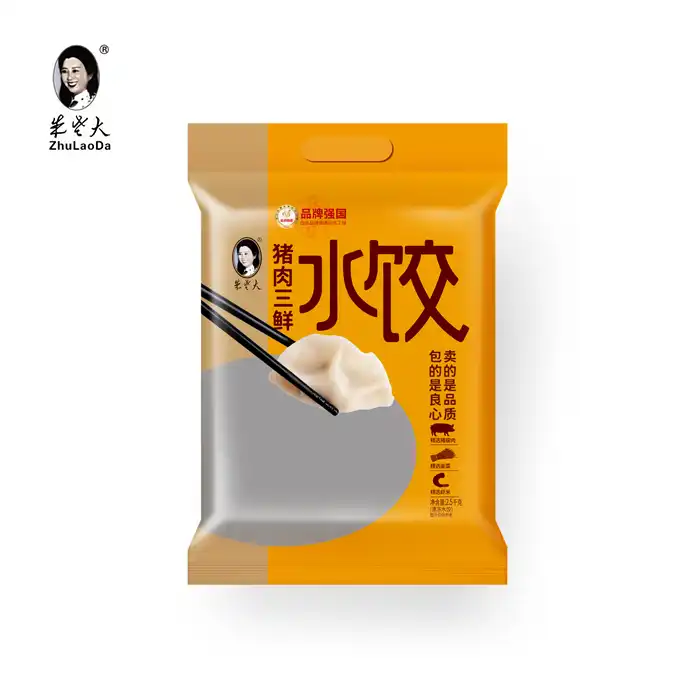
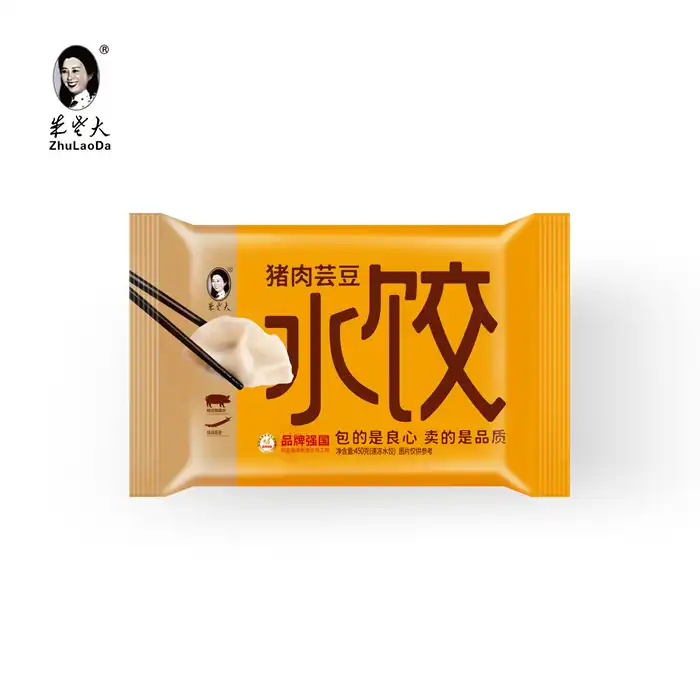
You can hire Zhulaoda to help your business grow by making pork and kidney bean dumplings that meet foreign standards. The largest place in southern Shandong and northern Jiangsu to make frozen foods is our plant in Shandong Province. This place has the most up-to-date cold storage, cleaning, and fresh air systems. We have different types of packing, such as 450g, 1kg, and customised 2.5kg bulk forms.
This is great for wholesalers who work with a lot of different customers. We are a dependable source for pork and kidney bean dumplings, and our ISO9001, HACCP, and QS certifications show that we always deliver high quality food. This keeps the product's quality safe from the time it's made until it's sold. Our goods go well with many kinds of sauces, which helps you plan your menu and find the right products.
You can email us at sdzldsp@163.com to talk about going wholesale, your specific needs, and how our supply chain services can help you stay ahead of the competition. At zhulaodadumpling.com, you can see all of our goods and find out why top sellers choose Zhulaoda as their frozen food partner.
References
1. Food Technology Magazine. (2022). Sauce pairing strategies in frozen Asian food products. Food Technology Magazine, 76(3), 45-52.
2. Journal of Food Science. (2021). Consumer preferences for spicy condiments with protein-rich frozen foods. Journal of Food Science, 86(8), 3421-3430.
3. International Journal of Food Marketing. (2023). Nutritional labeling impact on frozen food purchasing decisions. International Journal of Food Marketing, 15(2), 112-128.
4. National Restaurant Association. (2022). Flavor trend report: Asian condiments in American foodservice. National Restaurant Association Research, 28-35.
5. Food Safety Magazine. (2021). Cold chain management for condiment distribution. Food Safety Magazine, 27(6), 22-29.
6. Frozen Food Digest. (2023). Bundling strategies drive frozen food category growth. Frozen Food Digest, 38(1), 14-19.
Learn about our latest products and discounts through SMS or email