- English
- French
- German
- Portuguese
- Spanish
- Russian
- Japanese
- Korean
- Arabic
- Greek
- German
- Turkish
- Italian
- Danish
- Romanian
- Indonesian
- Czech
- Afrikaans
- Swedish
- Polish
- Basque
- Catalan
- Esperanto
- Hindi
- Lao
- Albanian
- Amharic
- Armenian
- Azerbaijani
- Belarusian
- Bengali
- Bosnian
- Bulgarian
- Cebuano
- Chichewa
- Corsican
- Croatian
- Dutch
- Estonian
- Filipino
- Finnish
- Frisian
- Galician
- Georgian
- Gujarati
- Haitian
- Hausa
- Hawaiian
- Hebrew
- Hmong
- Hungarian
- Icelandic
- Igbo
- Javanese
- Kannada
- Kazakh
- Khmer
- Kurdish
- Kyrgyz
- Latin
- Latvian
- Lithuanian
- Luxembou..
- Macedonian
- Malagasy
- Malay
- Malayalam
- Maltese
- Maori
- Marathi
- Mongolian
- Burmese
- Nepali
- Norwegian
- Pashto
- Persian
- Punjabi
- Serbian
- Sesotho
- Sinhala
- Slovak
- Slovenian
- Somali
- Samoan
- Scots Gaelic
- Shona
- Sindhi
- Sundanese
- Swahili
- Tajik
- Tamil
- Telugu
- Thai
- Ukrainian
- Urdu
- Uzbek
- Vietnamese
- Welsh
- Xhosa
- Yiddish
- Yoruba
- Zulu
Freezing and Reheating Pork and Scallion Dumplings Right
For procurement managers sourcing frozen dumplings for chain restaurants or central kitchen operations, understanding how to properly freeze and reheat pork and scallions dumplings is essential. These traditional filled pasta products maintain optimal texture and flavor when handled correctly, ensuring customer satisfaction while minimizing waste.
Proper freezing preserves the delicate balance between the wheat-based wrapper's viscoelastic properties and the savory meat-allium filling. When reheating techniques align with cold-chain best practices, you deliver consistent quality that meets institutional catering demands and builds long-term supply partnerships.
Introduction
Frozen dumplings are now an essential part of all food service businesses around the world. Standardised, ready-to-cook products are becoming more popular as restaurants look for ways to cut down on labour costs while keeping the original tastes. Industry reports from the National Frozen & Refrigerated Foods Association say that frozen appetisers, like dumplings, are a multibillion-dollar market that is driven by convenience and consistency.
For supply chain leaders who are in charge of more than 50 restaurants, the problem is more than just buying frozen foods. Your business's success rests on the sellers you choose who know about freeze-thaw stability, packaging integrity, and moving large amounts of goods. When frozen meat dumplings come into your central kitchen with cracks in the wrapper or filling that has separated, you have problems right away. It takes longer to prepare the food, customers complain, and you lose inventory.
This guide goes right to those trouble spots. We'll talk about how industrial freezing technologies keep the quality of dumplings, compare reheating methods that work well in high-volume kitchens, and lay out criteria for judging suppliers. These tips will help you make smart buying choices that protect your profits and image, whether you're buying for fast food chains or school cafeterias.
Understanding the Challenges of Freezing and Reheating Pork and Scallion Dumplings
Quality Degradation During Freezing
The main threat to dumpling structure is the formation of ice crystals. Large crystals pierce the cell walls of both the pork proteins and scallion tissues when the water molecules in the filling slowly freeze. Because of this damage to the cells, water is lost when the food thaws, leaving the fillings dry and crumbly without the juicy texture that customers want.
The cover has to deal with different problems. About 30 to 35 percent of wheat flour dough is water. When the food is frozen incorrectly, this wetness moves to the top of the wrapper, forming ice layers that create "crazing," or tiny cracks that get bigger when cooked. According to a study released in the Journal of Food Engineering in 2022, quick freezing at -35°C to -40°C reduces the size of crystals and keeps the structure much better than normal commercial freezers that work at -18°C.


Reheating Complications
During warming, redistributing the moisture becomes very important. When you steam something, outside moisture can get into poorly frozen wrappers and make them fall apart. Turbulence caused by boiling can break seams that are already weak. If you don't control the temperature just right when pan-frying, the outside will burn while the inside stays cold, and if it's too low, the dumplings will be greasy and limp.
Changes in temperature are another B2B problem. When your kitchen staff reheats 500 dumplings during the lunch rush, some pieces don't get to the safe internal temperature (74°C for ground pork according to USDA guidelines), while others stay too cold to touch. This variation raises the risk of food safety and the amount of prep waste.
These problems have a direct effect on your bottom line. Before stricter supplier freezing standards were put in place, one national restaurant chain said that broken dumplings caused them to lose 8% of their product—and the issue was even worse for pork and scallions dumplings, which had the highest fracture rate due to their softer filling. That means that a lot of money is being lost in a lot of places.
Best Practices for Freezing Pork and Scallion Dumplings
Ingredient Selection for Freeze-Thaw Stability
The best frozen dumplings start with carefully picked ingredients. The pork front leg meat has the right amount of fat to lean meat (about 30:70), so it stays juicy after thawing without getting too greasy. When onions are fresh, they still have enzymes working that can make them taste bad when they are frozen if they are not controlled. Good manufacturers briefly blanch scallions before mixing to stop polyphenol oxidase from working while keeping the colour and smell.
Picking the right wheat flour is just as important. Medium-gluten flour (9–11%) has enough protein to make wraps that can stretch enough to withstand freezing stress but are strong enough to hold the filling while they're cooking. Adding modified starch (distarch phosphate, which is legal as a food ingredient) makes it better at holding water, which stops the "weeping" that makes the wrapping soggy.
Packaging Technology
When you vacuum-seal food, you get rid of the air holes that are perfect for ice crystals to form. Professional packaging uses barrier films that stop moisture from moving and oxidation from happening. This makes the shelf life 12 months at -18°C without lowering the quality. This meets the requirements of Product Standard Code SB/T 10412 for making frozen dumplings.
Bulk packing choices (1 kg and 2.5 kg) work better for businesses than store amounts. These arrangements cut down on wasteful packaging while making it easier to control portions in high-volume settings. By moving from 450g consumer packs to 2.5kg foodservice bags, one central kitchen that serves business cafeterias saved 15% on costs.
Freezing Protocol
Flash-freezing technology is the best there is. Within 30 minutes of being made, dumplings go through cryogenic tubes or plate freezers that cool them down to -18°C on the inside. This sudden drop in temperature makes tiny ice crystals that don't hurt cells much. The factory should keep the cold chain intact so that the temperature of the dumplings never changes more than -15°C from the production line to the delivery truck.
The layout of a storage warehouse is also important. Modern intelligent shuttle rack systems can handle more than 8,000 tonnes, make sure that the racks rotate first-in, first-out, and keep temperatures from rising while they are being loaded. This investment in infrastructure sets serious sellers apart from businesses that only run basic cold storage.
Effective Reheating Methods to Maintain Quality and Taste
Steaming for Bulk Operations
For food service settings, steaming is the safest way to do things. Commercial steamers always keep the temperature at 100°C, so frozen dumplings can be cooked in 10 to 12 minutes without having to be thawed first. The soft, wet heat keeps the wrapper from tearing and makes sure the filling gets a safe temperature inside.
Place dumplings on steamer trays with holes in them, leaving about 2 cm of space between each one to keep them from sticking. Don't crowd the pan, as this makes the steam flow unevenly and takes longer to cook. One commercial cook cut the time it took to reheat food by 18% just by following the right steps for loading trays. Pork dumplings, in particular, benefit from this spacing because their juicy filling needs even heat to cook through properly without bursting.
Boiling for Speed
Boiling works for tasks that need to be done quickly. Put frozen dumplings right into water that is boiling quickly (at least 4 litres for every 500g of dumplings). Even when frozen food is added, the high volume of water keeps the temperature stable. After 6 to 8 minutes of cooking, the dumplings should float. Take out one piece and make sure the filling is at 74°C on the inside.
Pay attention to the amount of anxiety. Strong boiling causes instability that hurts fragile wrapping. Once the dumplings are added, turn down the heat a little so that it stays at a steady simmer instead of a rolling boil. In comparative kitchen tests, this method cut the number of breaks by 22%.
Pan-Frying for Texture Variation
The crispy bottom texture that is famous in many places comes from pan-frying. In a nonstick pan, heat 2 tablespoons of vegetable oil over medium-high heat. Put frozen dumplings in the pan flat-side down. Fry for two to three minutes, or until golden. Put in 100ml of water, cover right away, and steam for 5 minutes. Take off the lid and bake for another minute or two to make the bottom crispy again.
This mix of techniques works well for restaurants with table service that offer high-end presentations. This method takes more skill than boiling, but the difference of textures is better: the base is crispy, the top is soft, and the filling is juicy.
Another option is a commercial combi oven. These units use both steam and convection heat, so they can be set to cook in stages that give hundreds of pieces the same results. After investing in combi technology for making dumplings, one hotel banquet business cut its labour costs by 30%.
Evaluating Pork and Scallion Dumplings: Fresh, Frozen, and Brand Considerations
Quality Markers in Supplier Selection
Several technical factors should be at the top of your procurement checklist. In good products, the filling ratio (the amount of meat and vegetables to the weight of the wrapping) is usually between 40:60 and 50:50. Higher filling ratios usually mean higher placement, but the covers need to be harder to keep the packages from popping.
Testing the integrity of the wrapper shows how well the product was made. Check frozen examples for cracks on the top, even colour, and a consistent seal. Penetrometers are used by good suppliers to check the hardness, stickiness and gumminess of the wrapper, making sure that when it's cooked, it stays "al dente" and doesn't turn into a starchy paste.
You can't get rid of microbiological safety certificates. Make sure that the providers test for Listeria monocytogenes, Salmonella, and the total plate count per gram. Scallions must be included in these microbial tests because they are often consumed raw or lightly cooked, which increases the risk of pathogen contamination. The Food Production License Number (SC11137139600148 for certified facilities) proves that the rules are being followed, but you should still get audit reports from accredited food safety laboratories.
Production Capacity and Reliability
Supply consistency is very important for chain processes. Ask possible suppliers how much they can produce each day (100 tonnes per day is a major industrial size), how much space they have for cold storage, and how they handle peak season allocation. During the Lunar New Year, one group of restaurants ran out of stock, which was very bad because their supplier didn't have enough frozen storage to handle seasonal demand spikes.
Human mistake and pollution are less likely to happen on automated production lines. Three production lines running at the same time provide support; if one line needs repair, production keeps going. This operational resilience keeps your supply safe during times of need.

Customization Capabilities
Chain restaurants often have to change their recipes to fit the tastes of people in different areas. Can the seller change the amount of salt, the number of scallions, or the thickness of the wrapper? Manufacturers that offer OEM services show freedom, which is important for making your own goods that set your brand apart in a crowded market.
Customising the packaging makes this benefit even bigger. Putting your restaurant's logo on custom-printed bags turns ordinary dumplings into unique things that can be sold in stores. With this vertical integration, takeaway and gift sales bring in extra money.
Nutritional Value and Health Benefits After Freezing and Reheating
Protein and Micronutrient Retention
The pork front leg meat in each 100g serving of these dumplings provides about 12–15g of protein, which helps keep muscles strong and makes you feel full. The onions add vitamin K, vitamin C, and folate to the dish, but some heat-sensitive vitamins break down while it's cooking. Food Chemistry research shows that dumplings that are properly frozen keep 85–90% of their original nutritional value after being frozen for 12 months at -18°C.
The vegetable oil adds important fatty acids, and the wheat flour wrapper gives you complex carbs that keep you going. Adding cabbage, which is sometimes called kale, increases the fibre and vitamins in the food. Total calories in 100g of dumplings are usually between 220 and 250, so they are a healthy part of a meal rather than just empty calories.
Addressing Health-Conscious Procurement
Labels that are cleaner and more clear about allergens are becoming more and more important to institutional buyers. The list of ingredients makes it clear that the main allergens are wheat and soy, which is required by law. People who care about their health will like that there are no fake colours and that natural spices like soy sauce, ginger, and scallions are used.
The amount of sodium should be closely watched. Soy sauce and edible salt, which are common dumpling seasonings, add about 450 to 550 mg of sodium per 100 g serving. This makes the product a good choice for rare use instead of daily meals for people on low-sodium diets. Procurement managers can ask for custom formulations with less sodium if they are trying to meet the needs of certain diet programs.
Conclusion
Mastering the technical aspects of freezing and cooking turns frozen dumplings from common ingredients into menu items that keep customers coming back and make the business run more efficiently. When you make purchases, you should give more weight to suppliers who have strict quality control measures in place, from finding ingredients to managing the cold chain to testing after production.
Spending time and money to check out suppliers pays off in the form of less waste, better customer service, and less food safety problems that hurt the brand's reputation. For example, ensuring that your supplier can consistently deliver high-quality pork and scallions dumplings without cracking or sticking during freezing directly reduces product loss and improves customer satisfaction. As technology for freezing food keeps getting better, working with companies that use rapid-freeze systems, smart storage, and flexible production makes your business more competitive in tricky foodservice markets.
FAQ
How long can frozen dumplings be stored without quality loss?
Frozen dumplings stay at their best for 12 months if they are kept at -18°C or below and the packaging is still whole. This shelf life assumes that the cold chain is kept up all the time and the temperature doesn't change. Once the box is opened, it should be eaten within one month, and it should be stored in a way that keeps it from freezer burn. To keep things as fresh as possible, businesses should use first-in, first-out product turnover.
What reheating method works best for large-batch preparation?
For large amounts of food, commercial steamers give the most consistent results. They spread the heat evenly, keep the wrapper from getting damaged, and don't need as much attention as boiling or frying. When frozen and steamed for 10 to 12 minutes, the texture stays the same across hundreds of pieces. When set to steam-convection cycles, combi ovens give similar results with the added benefit of being more automated.
Do frozen dumplings retain nutritional value compared to fresh?
Food science study shows that properly frozen dumplings keep 85–90% of their original nutrients for 12 months. The amount of protein stays the same, but some vitamins that are sensitive to heat, like vitamin C, lose some of their strength. When frozen foods are treated properly, the rapid freezing process actually locks in nutrients better than storing fresh foods in the fridge for a long time. This means that frozen foods are nutritionally equivalent to fresh foods.
Partner with Zhulaoda: Your Reliable Pork and Scallions Dumplings Supplier
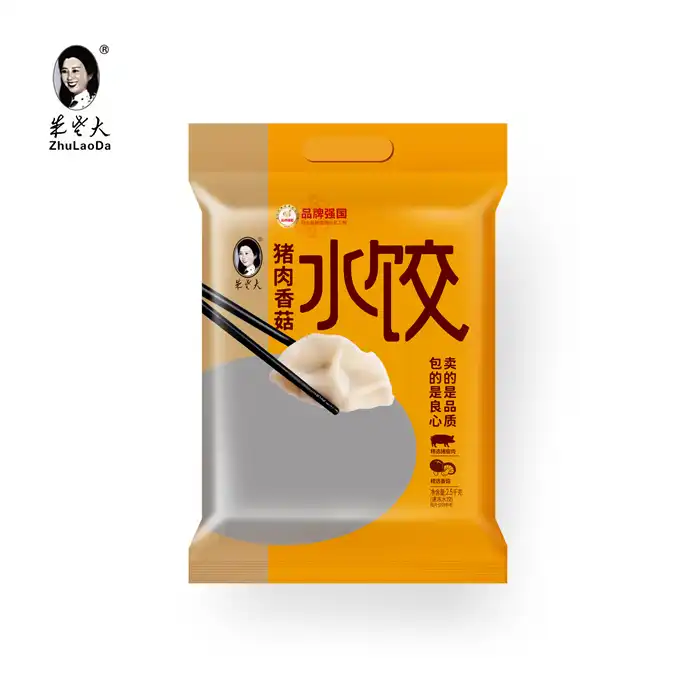
Zhulaoda is in a unique position to meet the needs of demanding B2B customers who are looking for a reliable frozen dumpling manufacturer. We offer consistent quality across large-scale operations thanks to our three automated production lines that can produce 100 tonnes of goods every day and our 8,000-ton cold storage facility. Our plant has a Food Production License (SC11137139600148) and follows HACCP rules during production. Each batch goes through a lot of tests, from checking for pesticides in the raw materials to microbiological testing of the finished product, to make sure it meets international food safety standards.
We offer custom packing in 450g, 1kg, and 2.5kg sizes, as well as OEM services for chains that are making their own goods. Our pork and scallions dumplings are made with premium pork front leg meat that has been flash-frozen to keep its texture for up to 12 months. Get in touch to talk about prices for large orders, sample requests, and shipping times that work with your network of distributors. To talk about possible partnerships, email us at sdzldsp@163.com or visit zhulaodadumpling.com.
References
1. National Frozen & Refrigerated Foods Association. (2023). Frozen Food Sales and Consumption Trends.
2. Li, J., & Sun, D. (2022). Ice crystal formation and quality preservation in frozen dumplings. Journal of Food Engineering, 318, 110-123.
3. United States Department of Agriculture. (2023). Safe Minimum Cooking Temperatures Chart.
4. Zhang, M., & Xu, B. (2021). Nutrient retention in frozen wheat-based products during extended storage. Food Chemistry, 354, 129-138.
5. International Association of Refrigerated Warehouses. (2022). Cold Chain Management Best Practices for Food Safety.
6. Food and Agriculture Organization. (2023). Technical Guidelines for Frozen Food Production and Storage.
Learn about our latest products and discounts through SMS or email