- English
- French
- German
- Portuguese
- Spanish
- Russian
- Japanese
- Korean
- Arabic
- Greek
- German
- Turkish
- Italian
- Danish
- Romanian
- Indonesian
- Czech
- Afrikaans
- Swedish
- Polish
- Basque
- Catalan
- Esperanto
- Hindi
- Lao
- Albanian
- Amharic
- Armenian
- Azerbaijani
- Belarusian
- Bengali
- Bosnian
- Bulgarian
- Cebuano
- Chichewa
- Corsican
- Croatian
- Dutch
- Estonian
- Filipino
- Finnish
- Frisian
- Galician
- Georgian
- Gujarati
- Haitian
- Hausa
- Hawaiian
- Hebrew
- Hmong
- Hungarian
- Icelandic
- Igbo
- Javanese
- Kannada
- Kazakh
- Khmer
- Kurdish
- Kyrgyz
- Latin
- Latvian
- Lithuanian
- Luxembou..
- Macedonian
- Malagasy
- Malay
- Malayalam
- Maltese
- Maori
- Marathi
- Mongolian
- Burmese
- Nepali
- Norwegian
- Pashto
- Persian
- Punjabi
- Serbian
- Sesotho
- Sinhala
- Slovak
- Slovenian
- Somali
- Samoan
- Scots Gaelic
- Shona
- Sindhi
- Sundanese
- Swahili
- Tajik
- Tamil
- Telugu
- Thai
- Ukrainian
- Urdu
- Uzbek
- Vietnamese
- Welsh
- Xhosa
- Yiddish
- Yoruba
- Zulu
Tofu Cabbage Dumplings OEM Guide: Custom Recipes and Packaging
A tofu cabbage dumplings OEM program works best when you settle four things early: the filling recipe, the cooking method, the pack format, and the frozen supply plan. Tofu and Chinese cabbage make a plant-based product that suits vegetarian shoppers, health-minded families, and Asian grocery customers in the United States. Zhulaoda has made frozen foods since 2001. This guide shows how custom recipes, packaging, and trial orders fit together, and what to check before you commit.
Choosing the Right Tofu Cabbage Dumplings Recipe
What Defines a Good Tofu Cabbage Dumpling?
Tofu cabbage dumplings should be made with firm tofu, crisp Chinese cabbage, and fresh ingredients. You can't make wrappers that are dry when the cabbage is too wet. Before it is mixed, the cabbage needs to be cut up and drained. In the area where we do this step, we use scissors, dicers, centrifuges, and choppers to cut up vegetables. Based on the Dietary Guidelines for Americans 2020–2025, these foods are Protein Foods. This is because they give you protein and make you stronger. Since people rate the cooked food, the seal's size, shape, and strength shouldn't change from one batch to the next.
Our Standard Recipe as a Starting Point
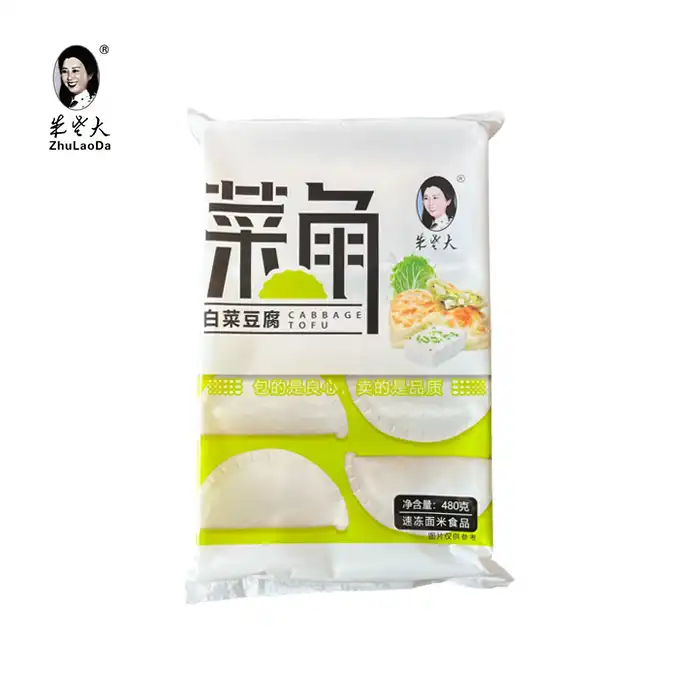
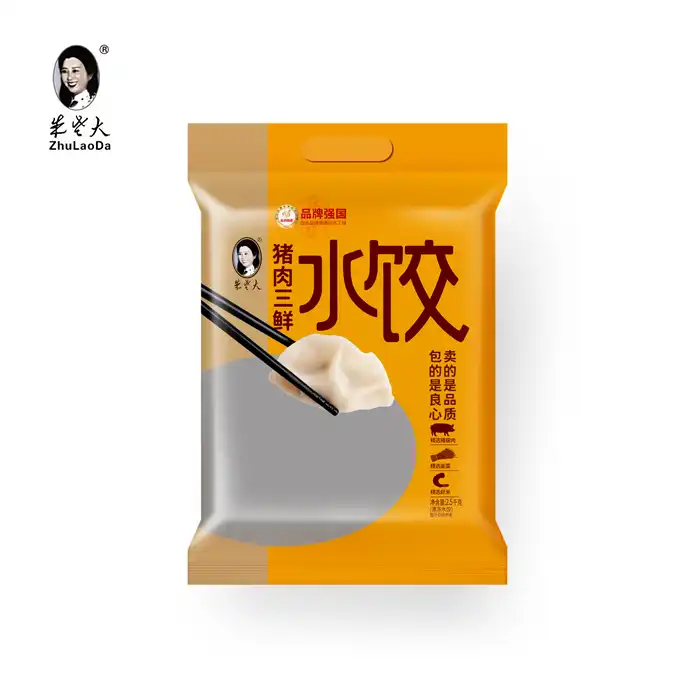
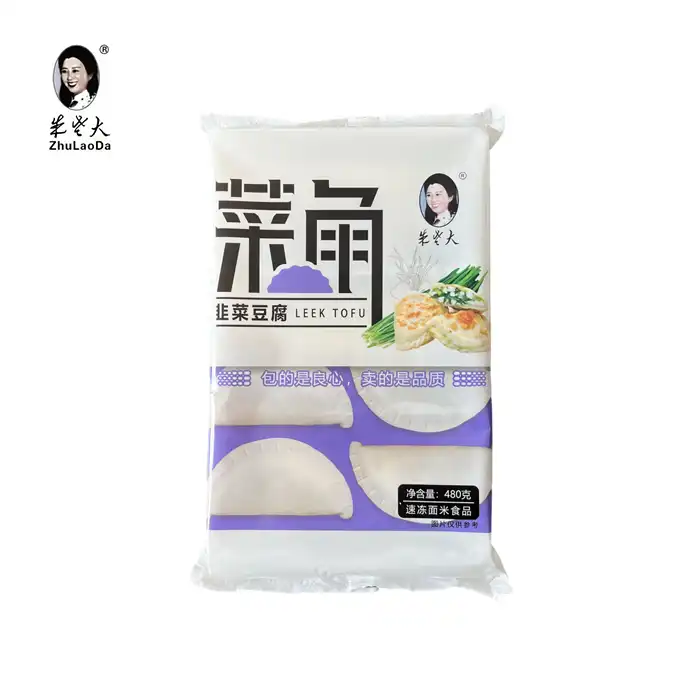
We use corn starch, pepper oil, sesame oil, food salt, acid-hydrolyzed vegetable protein powder, and monosodium glutamate to make all of our tofu cabbage dumplings. The food we make is licensed under number SC11137139600148, and it meets the standards set by SB/T 10412. Keep the dumplings frozen at -18°C or lower. It's okay to keep for a year. Parts of the allergy alert come from soy and wheat. We have packs of 450g, 1kg, and 2.5kg, and we can also make boxes with different sizes. If people want to buy something, they can try this base plan and let us know what needs to be changed.
Recipe Adjustments You Can Request
A lot of people who buy want to make changes to the base recipe. A lot of people want to know how it tastes, how spicy it is, how big the filling is, how much tofu and cabbage there is, and if there are any extras like corn or mushrooms. It bothers some Buddhist and Hindu vegetarians that garlic, onions, leeks, and chives aren't on the usual list of things that go into bread. We can also talk about getting rid of the ginger. We don't know if this item is halal or vegan at this time. If your clients need those claims, please put them in your first message. So, we can see what we can do, like making the lines separate. For each change, we taste it, cook it, and check for allergens before we decide to use it.
From Prototype to Frozen Production
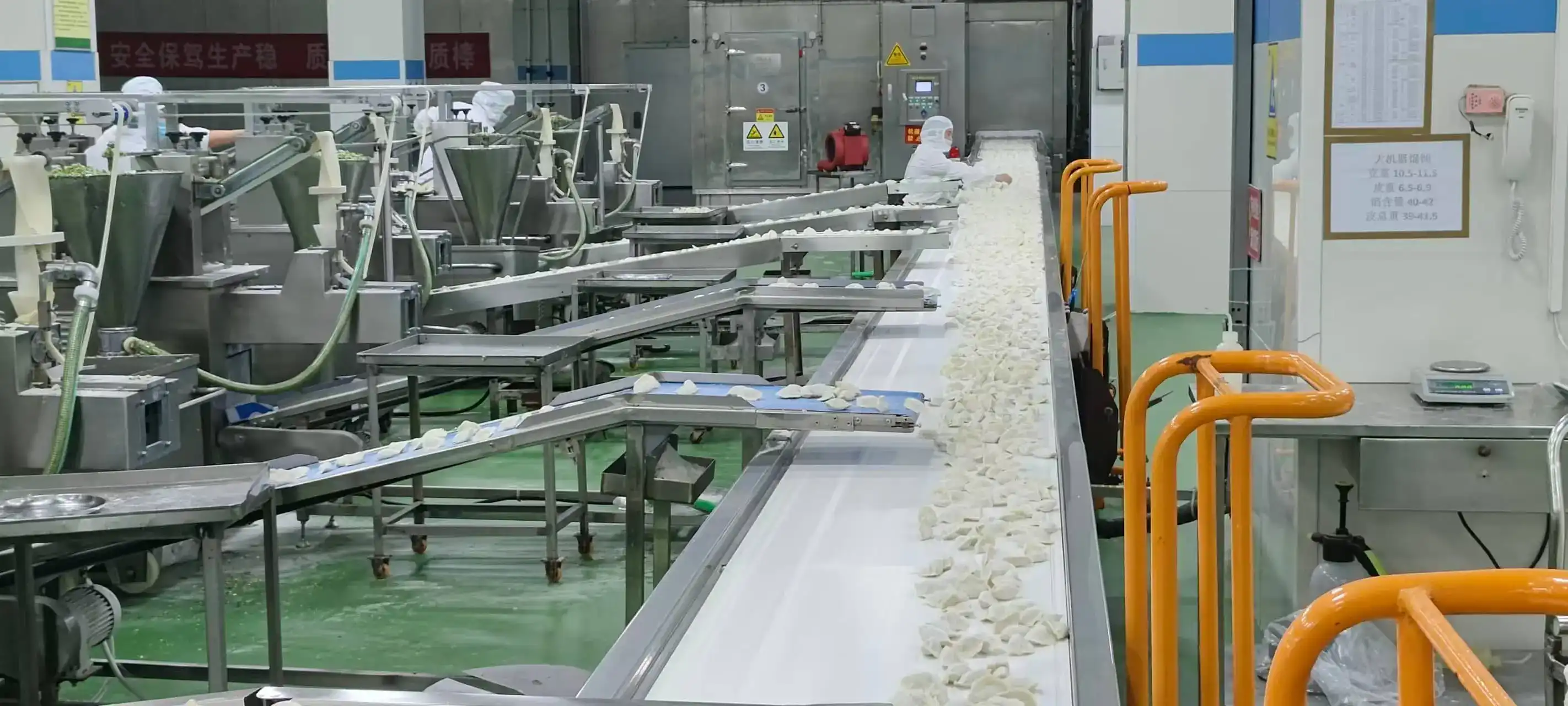
How Zhulaoda Makes Frozen Dumplings
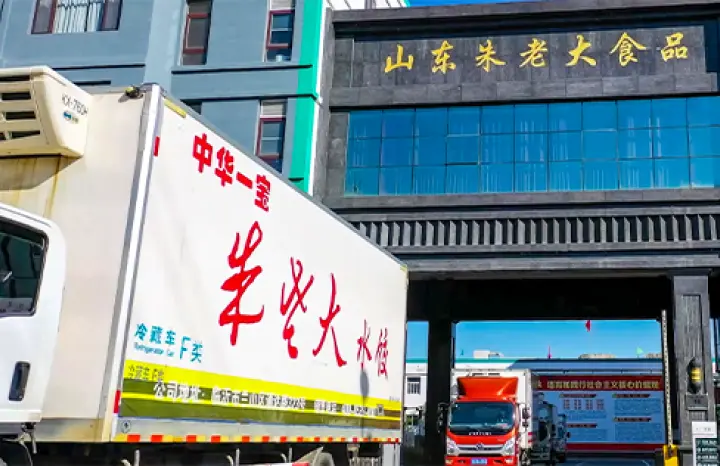
A company called Zhulaoda has been around since March 2001. They sell frozen tofu cabbage dumplings, noodles, sweetened haws, and sticky rice balls. Our plant has three robotic lines that can make up to 100 tons of goods every day. The workshop has things that kill germs and bring in fresh air to keep the work area clean. We only use wheat flour from Canada and China's Hetao Plain. We also get our veggies right from the farms where they are grown. It is the job of the people in charge to check the raw materials for any physical or chemical signs, as well as to see what they look like and whether they have any pesticide residue or bacteria. Once something is okay, it is moved to a special place to store it and put in order by type.
Comparing Boiling, Steaming, and Pan-Frying
What's inside and how it's cooked can be changed, so make sure you get it right before you eat it. The three ways that come with our package are these:
- Boiling: Boil the dumplings for 6 to 8 minutes, or until they float to the top and are done.
- Steaming: To steam the dumplings, put the basket over boiling water and leave it there for 8 to 10 minutes.
- Pan-frying: To brown the sides, add a little oil. Then, add a little water. Cover and cook until there is no more water.
Heat it in the microwave like it says on the package. When you steam dumplings, they get soft and light. When you pan-fry them, the bottom gets crispy. If someone is going to boil the seal, that will put it under the most stress. So, make sure it works first.
Quality Checks Before Shipment
The place where the frozen vegetable dumplings are made and kept must always be cool. More than 8,000 tons of frozen dumplings are kept safe in our cold storage building by a smart shuttle rack system. Codex Alimentarius says that foods that can be frozen quickly should be kept at -18°C or lower. This thing stays that cold or warmer. Before you accept the first order, you should get some results as a test. In these, you should write down how much the package weighs, how the seal looks, and how it cooked. On the box, you should also check the "best-before" date and the lot code. These records help your team answer questions that stores and auditors may have about goods that are brought into the US.
Packaging and Private-Label Options
Pack Sizes and Formats
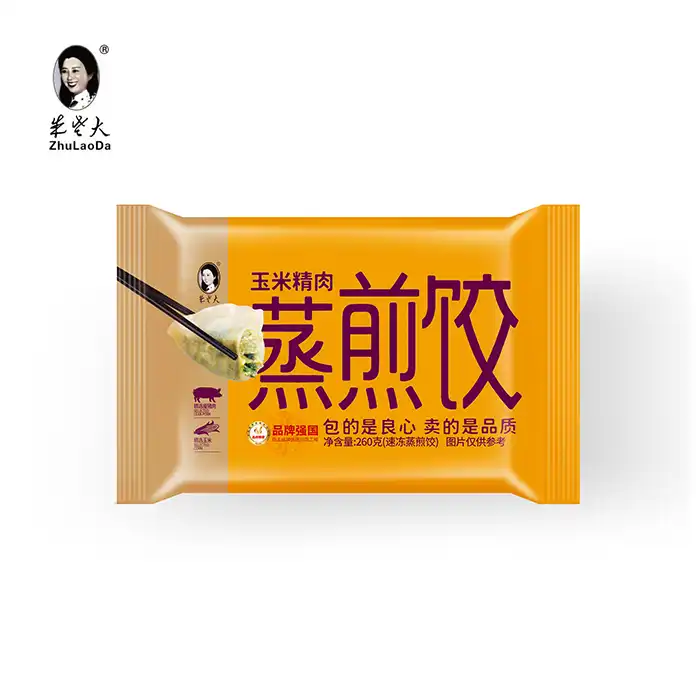
You can pick from 450g, 1kg, or 2.5kg packs, but you can change any of them. The 450g bag is good for people who go to the store and cook at home. People with families, small businesses, and people who sell things in their communities can all use the 1 kg bag. The 2.5 kg pack is a good choice for places that cook a lot of food, like restaurants, caterers, and kitchens that make meals ahead of time. You can ask for a special format. Please let us know the net weight, piece count, bag style, and box count when you're done. Because of these things, the bags, boxes, and stacks are made for tofu cabbage dumplings. Have a clear plan for how to pack? Check out the prices of other frozen dumplings in your shop to see how much they cost per ounce.
Labels and Private-Label Artwork
People who work with private labels often have to deal with brand colors, where to put logos, pictures of the products, cooking directions, UPCs, and batch numbers. If it's going to be sold in the US, the sticker also needs to have the item's name, weight, list of materials, allergen information, and nutrition facts. The FASTER Act made sesame the ninth most common food allergen in the US on January 1, 2023. When you print the artwork, make sure the allergen statement is checked because the base recipe has sesame oil in it. Don't say something is religious or vegan if you have proof.
Packing for Cold-Chain Shipping
Heat and water can damage frozen dumplings when you are moving them, so be careful when you pack. When you freeze food in strong bags, it stays fresh, and the seals keep the food safe while you handle it. We need to know about your cold chain plan, the port, and the type of container so we can match the sizes of the boxes to the beds. Long routes to US ports and warehouses inside the country only work if the goods stay at or below -18°C the whole way. Ask your freight forwarder to write down how hot or cold it was first. After that, look at the notes and see how the dumplings were when they got there.
Supplier Selection, Cost, and Order Planning
What to Check in a Tofu Cabbage Dumplings Manufacturer
Look at four things: the food safety records, the skills to make things, the people skills, and the change skills. Check to see if you have the right to make the goods and how long it will last. A rule from the FDA Foreign Supplier Verification Programs says that people who bring things into the US must make sure that the sellers meet US safety standards. Get your work ready. Ask how the plant keeps vegetarian food separate from other foods. Some customers need to be very far away from other things. We're happy to answer your question and show you how the line works right away because our plant makes a lot of different kinds of tofu cabbage dumplings. Finally, don't just ask for pictures of the real thing; also ask to see some of it.
Understanding Cost and MOQ
How hard the recipe is, how much the piece weighs, how it's packed, how it's tested, how it's shipped, and how long it takes to cool all affect the price. Lot sizes for printed bags and boxes are usually not the same as those for dumplings. The price of the first special order might go up because of this. If you start with a normal pack or a small test order, you might feel less risky. We tell you the minimum amount and how to pay when we give you a price. Tell us right away how much you're willing to spend. Get a quote that includes the cost of the goods, the shipping, and the packing. You can learn how to save money this way.
Planning Supply After the First Order
It's more important to get steady reorders after the first shipment sells. Give me an easy estimate with planned sales and sales for each month. For those who want to buy more, hurry up! It takes longer to print the boxes and bags than it does to make the dumplings. A rough idea helps us plan our time in line, even though we can store more than 8,000 tons and make up to 100 tons every day. Check to see how much you've sold every month to make sure your next order is right. Freeze any extra food you have.
Avoiding Risks and Building a Long-Term Program
Common OEM Risks
Four main things can go wrong with frozen vegetable dumplings: filling that is too wet, broken dumplings, uneven taste, and damage to the packaging. It will be wet if the cabbage is too wet, the tofu is too loose, or the filling isn't mixed well. It melts the ice and makes the wraps soft. If you put too much in the dumplings, the freezer will damage them or the seals will break. Every batch has a different taste because the spices or products used are different. If the package isn't strong, it could freeze burn or leak. You should keep a signed sample and accept a written specification so that you can compare them later. Seals and weights should be checked, and cooking tests should start with frozen tofu cabbage dumplings.
A Step-by-Step Development Workflow
We think you should do your first job this way.
- Inquiry and brief: Tell us who you want to sell to, what size pack they would like, any dietary needs, and how much food you expect to sell. With what you say, the first case will be more like your plan, so you won't have to make as many changes. Make a note of whether you also need vegan or halal food.
- Sample and adjustment: We taste it, and you cook it the way you always do. Rate how it looks, how it feels, and how spicy it is on the pack. Then we change the recipe and make sure it meets all the final requirements. We also make sure the labels are correct before we start making any. Before a change goes through, both teams agree on it.
- Trial order and reorder: After getting permission, place a small test order to see how it comes, how well it cooks, and how people react. Once you reach your goal, move on to regular reorders with a shared forecast, agreed-upon art, and a standard way to check the work. If you keep the notes, you can look at them next to the notes from the next package of food and see if they match up.
To keep things simple, these steps are done in this order, and everyone is following the written instructions.
Why a Single OEM Partner Helps?
You don't have to hand off as many things when you work with the same company that makes recipes, frozen foods, packs, and sends papers. You only need to talk to one group about when things will be delivered, changes you want to make to the label, and feedback on samples. Tofu cabbage dumplings are Zhulaoda's main food, but they can change it up by adding a hot filling or a mushroom mix, as long as they follow the labeling and recipe rules. The same specs can be used by Asian grocery stores, food delivery services, and online stores. Adding a second market is now easy.
Conclusion
Things you need to do to make tofu cabbage dumplings are linked. The recipe must keep the food from getting too wet, the cooking method must work with the wrapper and seal, and the package must keep the food at or below -18°C from the plant to the fridge. Zhulaoda comes in 450g, 1kg, and 2.5kg packs and has a standard recipe and list of ingredients, so it's easy for them to change the recipe. The food can also be kept for 12 months. Checks on the suppliers, US labeling rules like the sesame allergen rule, and duties on importing goods all affect the paperwork. MOQ and cost depend on the item and how it is packed. For less risk, it's better to have written instructions and a small test order. The project stays on track when people say they need non-meat, halal, or food made from ingredients.
FAQ
Can the recipe for tofu cabbage dumplings be changed?
Yes. The right amount of food, sauces, and other things that go into the dish can be talked about. Based on the price range you want to work with and the type of person you want to reach, we will give you a generic recipe to work from. Before a change is accepted, bits of it are put through an allergy test for tofu cabbage dumplings.
How do I know how much to pack and how to store it?
Pack sizes can be changed from 450g to 1kg to 2.5kg and more. Dumplings should only be thawed once and should stay frozen at -18°C or less. It's okay to keep for a year.
What claims and toxins should I be aware of?
Parts of the allergy alert come from soy and wheat. In the US, labels need to say that the recipe calls for sesame oil. Certifications for halal and vegan food are not on the list here yet. Please ask us if they are possible before you say they are.
How do I place an order for OEM?
Tell sdzldsp@163 how much food you think you will sell, the market, the pack size, and any recipe notes you have. We are going to give you some choices.
Start Your Tofu Cabbage Dumplings OEM Project with Zhulaoda
Zhulaoda makes tofu cabbage dumplings. Every day, they can make up to 100 tons of dumplings on three automatic lines. More than 8,000 tons of frozen dumplings are kept in cold rooms. Send an email to sdzldsp@163.com with your recipe notes, the size of the pack, and the name of the person you want to sell to. The people on our team will get back to you with sample and price thoughts. We can also talk about test order sizes.
References
1. U.S. Department of Agriculture and U.S. Department of Health and Human Services, Dietary Guidelines for Americans 2020–2025, 2020
2. U.S. Congress, Food Allergy Safety, Treatment, Education, and Research (FASTER) Act, 2021
3. U.S. Food and Drug Administration, Foreign Supplier Verification Programs for Importers of Food for Humans and Animals, 2015
4. U.S. Food and Drug Administration, Current Good Manufacturing Practice, Hazard Analysis, and Risk-Based Preventive Controls for Human Food, 2015
5. Codex Alimentarius Commission, Code of Practice for the Processing and Handling of Quick Frozen Foods, 2008
6. U.S. Food and Drug Administration, Food Code, 2022
Learn about our latest products and discounts through SMS or email