- English
- French
- German
- Portuguese
- Spanish
- Russian
- Japanese
- Korean
- Arabic
- Greek
- German
- Turkish
- Italian
- Danish
- Romanian
- Indonesian
- Czech
- Afrikaans
- Swedish
- Polish
- Basque
- Catalan
- Esperanto
- Hindi
- Lao
- Albanian
- Amharic
- Armenian
- Azerbaijani
- Belarusian
- Bengali
- Bosnian
- Bulgarian
- Cebuano
- Chichewa
- Corsican
- Croatian
- Dutch
- Estonian
- Filipino
- Finnish
- Frisian
- Galician
- Georgian
- Gujarati
- Haitian
- Hausa
- Hawaiian
- Hebrew
- Hmong
- Hungarian
- Icelandic
- Igbo
- Javanese
- Kannada
- Kazakh
- Khmer
- Kurdish
- Kyrgyz
- Latin
- Latvian
- Lithuanian
- Luxembou..
- Macedonian
- Malagasy
- Malay
- Malayalam
- Maltese
- Maori
- Marathi
- Mongolian
- Burmese
- Nepali
- Norwegian
- Pashto
- Persian
- Punjabi
- Serbian
- Sesotho
- Sinhala
- Slovak
- Slovenian
- Somali
- Samoan
- Scots Gaelic
- Shona
- Sindhi
- Sundanese
- Swahili
- Tajik
- Tamil
- Telugu
- Thai
- Ukrainian
- Urdu
- Uzbek
- Vietnamese
- Welsh
- Xhosa
- Yiddish
- Yoruba
- Zulu
Top Pork and Kidney Beans Dumplings for Foodservice Buyers in 2026
When sourcing frozen dumplings for high-volume foodservice or wholesale distribution, pork shrimp gyoza stands out as one of the most commercially compelling options available. This dual-protein filling—combining savory pork with the natural sweetness of shrimp—delivers a layered umami depth that single-protein varieties simply cannot replicate. For procurement directors managing Asian restaurant chains or food distribution networks, this product category consistently ranks among the highest in reorder frequency and customer satisfaction scores. Understanding exactly why this product performs so well operationally and culinarily is the foundation for making a smarter sourcing decision.
Understanding Pork Shrimp Gyoza: An Overview for Buyers and Chefs
What Makes This Filling Unique?
A well-made pork-shrimp gyoza is built around the idea that proteins work well together. The fat in pork front leg meat adds marbling and holds the meat together, and the fibers in shrimp muscles give it a unique snap and a natural brininess. People think of this filling as high-end because it has a variety of textures and tastes better than plain pork but less heavy than a fish dumpling.
This balance is built into every batch at Zhulaoda. It is made up of wheat flour, pork front leg meat, Chinese chives, cabbage, dried shrimp, scallions, ginger, soy sauce, increased soy-based goods, and distarch phosphate to keep the dough together. Each ingredient is chosen based on clear quality standards. For example, the wheat flour comes mostly from Canada and China's Hetao Plain, and the fresh pork that is chilled is chosen from a recognized provider.

Market Context and Growing Demand
The International Frozen Food Association says that the global frozen dumpling and gyoza category has grown steadily. This is because more and more North American restaurant outlets want easy Asian food. This style of dumpling is becoming more popular as an appetizer at Japanese restaurants. The mixed-protein version costs 15–25% more than standard pork-only options, which makes it a good SKU for operators who want to manage their margins.
Why Choose Pork Shrimp Gyoza for Wholesale Purchase?
When looking at sellers of bulk frozen gyoza, buyers face a common dilemma: how to balance reliable quality with consistent prices. When a product looks good in a catalog picture but gets worse between batches, it causes waste, customer complaints, and damage to the restaurant's image. Pork shrimp gyoza is no exception—even this popular variety can suffer from the same batch-to-batch inconsistency, making it critical for buyers to verify both sample quality and supply-chain stability before committing to a large order.
Cost Efficiency and Margin Advantages at Scale
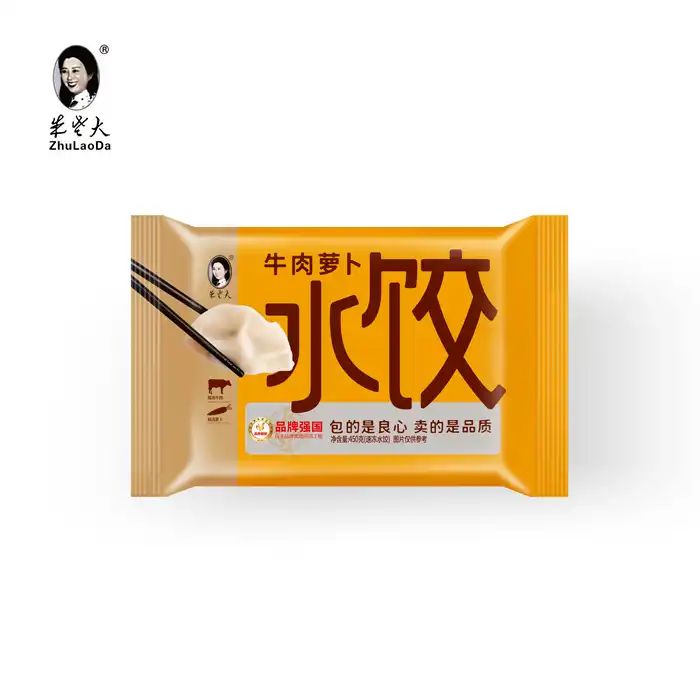
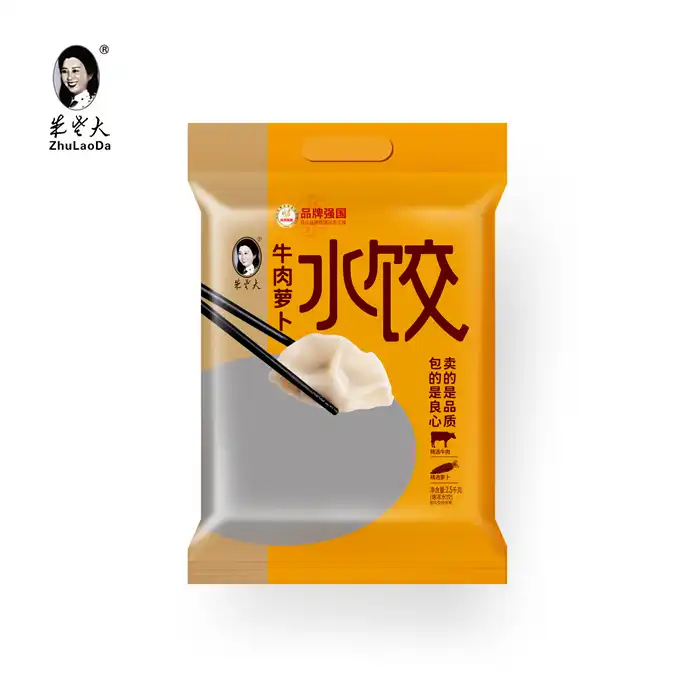
Buying frozen pork-shrimp gyoza in bulk from the manufacturer lowers the cost per unit by a large amount compared to buying them through distributors. Zhulaoda offers 450g, 1kg, and 2.5kg packaging options, as well as customizable configurations. This lets buyers match the details of their orders to the formats of their outlets, whether that's single servings for stores or catering packs for school kitchens.
Here are the key commercial advantages that make this product category attractive for wholesale buyers:
- Premium price positioning: The shrimp makes this SKU different from regular pork dumplings, which allows for higher menu prices and sale prices without having to drastically raise production costs.
- Reorder predictability: People often buy mixed-protein gyoza again and again, especially in Japanese ramen shops, Asian-themed fast food restaurants, and dim sum-style restaurants where people know it's on the menu.
- OEM and private label options: Zhulaoda supports both OEM and ODM configurations, which lets distributors and chain operators put their own labels on the products. This is a key feature for buyers who are building their own supply chains.
All of these benefits lower the risk of buying and give the product a strong place in the frozen food market, which is very competitive.
Benefits for Chefs: Culinary Flexibility and Cooking Advantages
Three Cooking Methods, One Consistent Result
One of the most practical reasons why executive chefs and managers of central kitchens like this style of dumpling is that it can be cooked in a variety of ways. Pork shrimp gyoza always works well whether it's steamed, boiled, or pan-fried. Each method gives it a different taste without changing the structure of the filling.
When you pan-fry gyoza, the Maillard reaction starts along the base of the wrapper. This gives the gyoza its signature crisp golden bottom. The skin gets softer and more delicate after steaming, which is good for serving dim sum. Boiling works well in kitchens with a lot of activity where speed and regularity are very important. The wrapper formulation, which was tested to keep its structural integrity across all three methods, shows the high level of technical detail that sets a custom foodservice product apart from a standard retail item.
Flavor Engineering for Menu Versatility
The mix of ingredients naturally boosts the umami flavor. Inosinate from shrimp protein mixes with glutamate from pork and soy-based spices to make a savory depth that doesn't need much more flavor. This means that chefs can use the product in a variety of menu settings, such as as an appetizer on its own with ponzu or chili oil or as a part of a larger shared plate, without the filling tasting flat or one-dimensional.
Procurement and Supply Chain Considerations for B2B Clients
Certifications, Cold Chain, and Compliance
When a wholesale buyer works in a controlled market, the compliance system of a seller is just as important as the product itself. Zhulaoda has a license to make food with the number SC11137139600148 and works with the product standard code SB/T 10412. Advanced fresh air and sterilization systems are used in the company's production area, and the cold storage building, which has a clever shuttle rack system, can hold more than 8,000 tons of goods. Three automatic production lines can make up to 100 tons of food every day, which gives restaurant groups that are growing the space they need.

This product has simple storage needs: keep it frozen at -18°C or below. It will last for 12 months from the date it was made. These parameters are in line with normal cold chain rules for food service delivery in North America. This makes it easier to integrate into current logistics systems.
Allergen Management and Label Compliance
People who want to sell this product in places with strict rules about allergen labels, like the U.S. market under FDA Food Allergen Labeling rules, should know that it has parts made from wheat, soy, and shrimp. Zhulaoda's production process takes these allergens into account as part of its food safety management system. Buyers should check allergy segregation practices with suppliers during the qualification process to make sure they meet local labeling requirements.
Making the Smart Choice: Comparing Pork Shrimp Gyoza Options
Factory-Direct vs. Distributor Sourcing
When you buy directly from a manufacturer like Zhulaoda, there are real benefits over buying through third-party distributors. For example, you can see more about the production parameters, get direct access to custom sizes and filling ratios, and negotiate minimum order quantities that fit your actual demand cycles. Zhulaoda says that their MOQ starts at about 500 kg, and they accept sample orders so that stores can try them out before committing to volume.
Custom weight combinations are more important than many buyers think at first. A 6-piece serving at 18g per piece works differently in a pan than an 8-piece serving at 14g, and the thickness of the wrapper needs to be adjusted to keep the crisp bottom that makes people want to buy again. Working directly with the manufacturer lets you lock in these parameters early, which gets rid of the batch variation that causes problems for chains with more than one location. Working with a direct pork-shrimp gyoza producer ensures better consistency.
Conclusion
In conclusion, when it comes to bulk frozen foods, pork shrimp gyoza is in a really useful spot. It's good enough to justify a higher menu price, reliable enough to support chain-scale operations, and flexible enough to work with a variety of cooking methods. When purchasing managers look at frozen dumpling providers, this product group should be given extra attention because it has a lot of different flavors, OEM flexibility, and certified production infrastructure. Zhulaoda has been making products for 20 years and has built-in cold chain features that make the company a reliable long-term supply partner for the Asian foodservice market in the U.S. and other countries.
FAQ
What is the standard shelf life of frozen shrimp pork gyoza?
If you keep Zhulaoda's pork-shrimp gyoza at -18°C or below all the time, it will last for 12 months. This time frame is in line with normal delivery windows for frozen foods in North America and other countries.
What cooking methods work best for pan-fried gyoza in a high-volume kitchen?
When you pan-fry gyoza, the base gets crispy, which is what makes it genuine. Put the dumplings on a flat pan with a little oil. Place the flat side down and fry until the bottom is golden. Then add water and cover to steam finish. The whole process usually takes 5 to 7 minutes, but it depends on how heavy the piece is.
Does Zhulaoda offer custom sizing and OEM labeling?
Yes. Zhulaoda supports different package sizes (450g, 1kg, and 2.5kg) and provides OEM and ODM services for customers who want to set up private label arrangements. During the seller qualification step, you can talk about custom filling ratios and piece weights.
How should buyers manage shrimp allergen disclosure in the U.S. market?
This item has parts of shrimp, wheat, and soybeans in it. Buyers who have to follow FDA rules for allergen marking must make sure that these are listed on the end product packaging. It is strongly suggested that you confirm allergen management procedures directly with Zhulaoda during plant qualification.
Partner With Zhulaoda — Your Trusted Pork Shrimp Gyoza Manufacturer
Zhulaoda adds more than 20 years of experience making frozen dumplings to every relationship. We are a direct manufacturer of pork-shrimp gyoza and can make up to 100 tons of them every day. Our production standards are in line with HACCP, and we can do full OEM work. This means that we can support both growing chains and established wholesale distributors. Get in touch with our team to ask for a taste of the product or to talk about your unique needs. To start a conversation, go to zhulaodadumpling.com or email us at sdzldsp@163.com.
References
1. International Frozen Food Association. State of the Industry: Frozen Foods Market Report. 2023.
2. Mintel Group Ltd. Asian Cuisine Trends in U.S. Foodservice. 2022.
3. Food and Drug Administration (FDA). Food Allergen Labeling and Consumer Protection Act: Compliance Guide. 2023.
4. Journal of Food Science. Textural Properties of Composite-Protein Frozen Dumplings Under Varied Cooking Methods. 2021.
5. Technomic Inc. Asian Restaurant and Menu Trend Report: Appetizers and Small Plates. 2022.
6. Food Quality & Safety Magazine. Cold Chain Management for Frozen Seafood Products in Foodservice Distribution. 2020.
Learn about our latest products and discounts through SMS or email