- English
- French
- German
- Portuguese
- Spanish
- Russian
- Japanese
- Korean
- Arabic
- Greek
- German
- Turkish
- Italian
- Danish
- Romanian
- Indonesian
- Czech
- Afrikaans
- Swedish
- Polish
- Basque
- Catalan
- Esperanto
- Hindi
- Lao
- Albanian
- Amharic
- Armenian
- Azerbaijani
- Belarusian
- Bengali
- Bosnian
- Bulgarian
- Cebuano
- Chichewa
- Corsican
- Croatian
- Dutch
- Estonian
- Filipino
- Finnish
- Frisian
- Galician
- Georgian
- Gujarati
- Haitian
- Hausa
- Hawaiian
- Hebrew
- Hmong
- Hungarian
- Icelandic
- Igbo
- Javanese
- Kannada
- Kazakh
- Khmer
- Kurdish
- Kyrgyz
- Latin
- Latvian
- Lithuanian
- Luxembou..
- Macedonian
- Malagasy
- Malay
- Malayalam
- Maltese
- Maori
- Marathi
- Mongolian
- Burmese
- Nepali
- Norwegian
- Pashto
- Persian
- Punjabi
- Serbian
- Sesotho
- Sinhala
- Slovak
- Slovenian
- Somali
- Samoan
- Scots Gaelic
- Shona
- Sindhi
- Sundanese
- Swahili
- Tajik
- Tamil
- Telugu
- Thai
- Ukrainian
- Urdu
- Uzbek
- Vietnamese
- Welsh
- Xhosa
- Yiddish
- Yoruba
- Zulu
Why Beef and Celery Dumplings Benefit High-Volume Meal Programs
When foodservice procurement teams evaluate frozen dumpling options, beef celery dumplings consistently stand out as a refined, operationally sound choice. This guide covers everything procurement managers, wholesale distributors, and OEM partners need to know—from ingredient standards and product formats to supplier verification and cold chain logistics. Whether you run a hotel banquet kitchen, a restaurant chain, or a regional distribution network, understanding what separates a high-performing frozen dumpling from a liability on the plate is essential to making confident sourcing decisions.
Understanding Beef Celery Dumplings – Key Insights for Buyers
What Makes This Filling Combination Work Commercially
It's not a coincidence that lean beef and celery go well together. Celery has natural phthalides, which are volatile smelling molecules that get rid of the oxidized, metallic notes that lean beef gets when it freezes. In other words, the filling still smells clean and tasty after a full freeze-thaw cycle. Celery's high fiber content also helps keep structural moisture, which counteracts the dryness that comes with lean cuts like hind leg meat. The filling stays together and juicy without having to rely on too much fat.
Beef Hind Leg Meat, a lean and firm cut, is used in Zhulaoda's beef celery dumplings. Fresh celery, scallions, ginger, soy sauce, and vegetable oil keep the flavors in check. Through heat treatment, expanded soy-based goods and distarch phosphate keep the filling's structure stable. Premium wheat flour, including flour from Canadian imports and China's Hetao Plain, is used to make the wrapper. This gives the skin even flexibility and a thickness of 0.8 to 1.2 mm, so it doesn't crack when blast frozen.
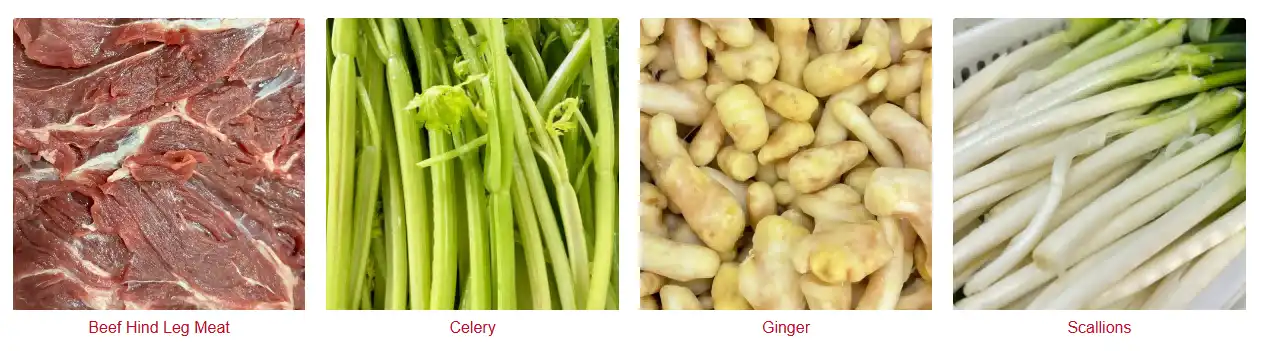
For meals that care about health, this profile has important benefits: it has a high protein density, dietary fiber from celery, and less fatty fat than options that are mostly pork. There is also proof of allergen transparency; for example, the wheat and soy ingredients are clearly listed under SB/T 10412 and Food Production License SC11137139600148.
Comparing Beef Celery Dumplings Options for Foodservice Procurement
Fresh vs. Frozen: Which Format Serves High-Volume Operations Better
While fresh dumplings smell and taste great, they can be very dangerous to make on a large scale. Because they have a shelf life measured in hours, different batches have different amounts of wetness, and handling them requires a lot of work, it is hard to make them the same across multiple food service locations. Beef celery dumplings are no exception—their juicy filling and delicate wrapper only amplify these consistency challenges, making standardized production even more difficult.
With frozen forms, those options are gone. Zhulaoda's product stays fresh for a year without any preservatives when stored at a steady -18°C. It does this by using fast cryogenic tunnel freezing to get through the zone where ice crystals form most quickly, which protects both the celery cell structure and the gluten network of the wrapper.
The beef celery dumplings mix has its own place in the market compared to pork or chicken dumplings. Pork fillings tend to have stronger, fatty flavors that can make a multi-course meal feel heavy. Even though chicken versions are lighter, they often lack the umami depth that makes a good dim sum plate stand out. Beef with celery has a rich, spicy flavor and a cool, refreshing finish. It's a great dish to serve between courses and looks great on fancy plates.
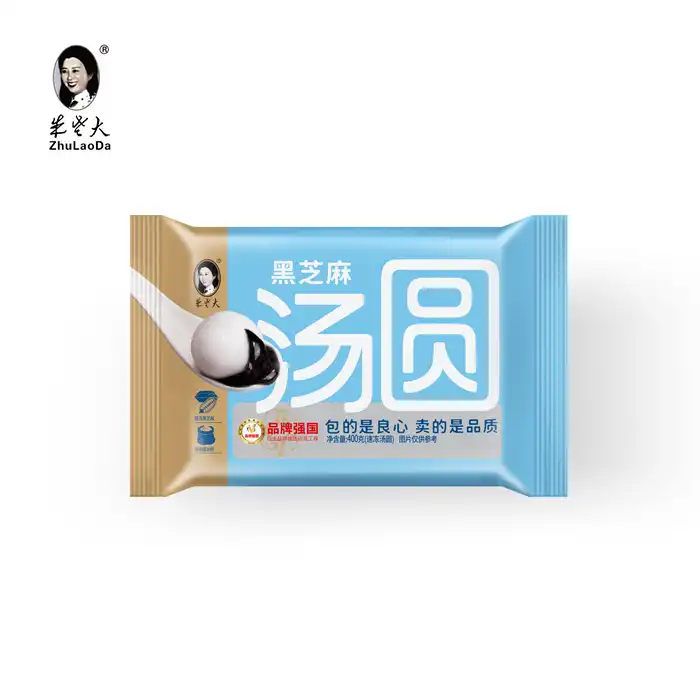
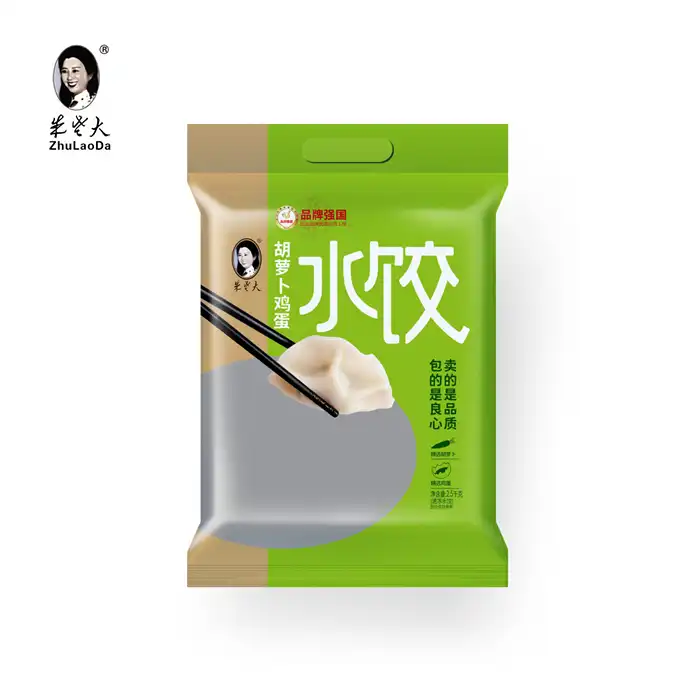
The packaging choices from Zhulaoda include 450g retail packs, 1kg mid-range formats, and 2.5kg bulk setups. For business buyers, there are also options that can be customized. This gives procurement teams the freedom to match pack size to cooking efficiency without making too much waste.
How to Choose the Best Beef Celery Dumplings for Your Business
Decision Criteria That Matter Most in B2B Procurement
In food service, choices about where to get ingredients rarely depend on just one factor. Quality, compliance, the ability to customize, and the consistency of supply are all important factors. Before making a deal with a seller, you should check these basic buying criteria:
- Certification stack: For hotel and school sources, ISO 9001, HACCP, and QS certifications are musts. Zhulaoda has all three, plus a Food Quality and Safety Certification, which gives auditors the proof they need for supplier onboarding checks.
- Batch consistency: The size of the filling's pieces should be standardized—for example, beef should be ground to 3–5 mm and celery should be diced to 2–4 mm—so that each serving cooks and looks the same. Zhulaoda uses vacuum mixing technology to get rid of the air in the filling paste. This keeps the color from turning darker due to oxidation.
- Custom weight and format: Hotel banquet kitchens often need bite-sized pieces that fit on dim sum plates (about 15–18g each). Making sure that your provider can meet low-MOQ custom requirements before signing the contract will save you a lot of money in the long run.
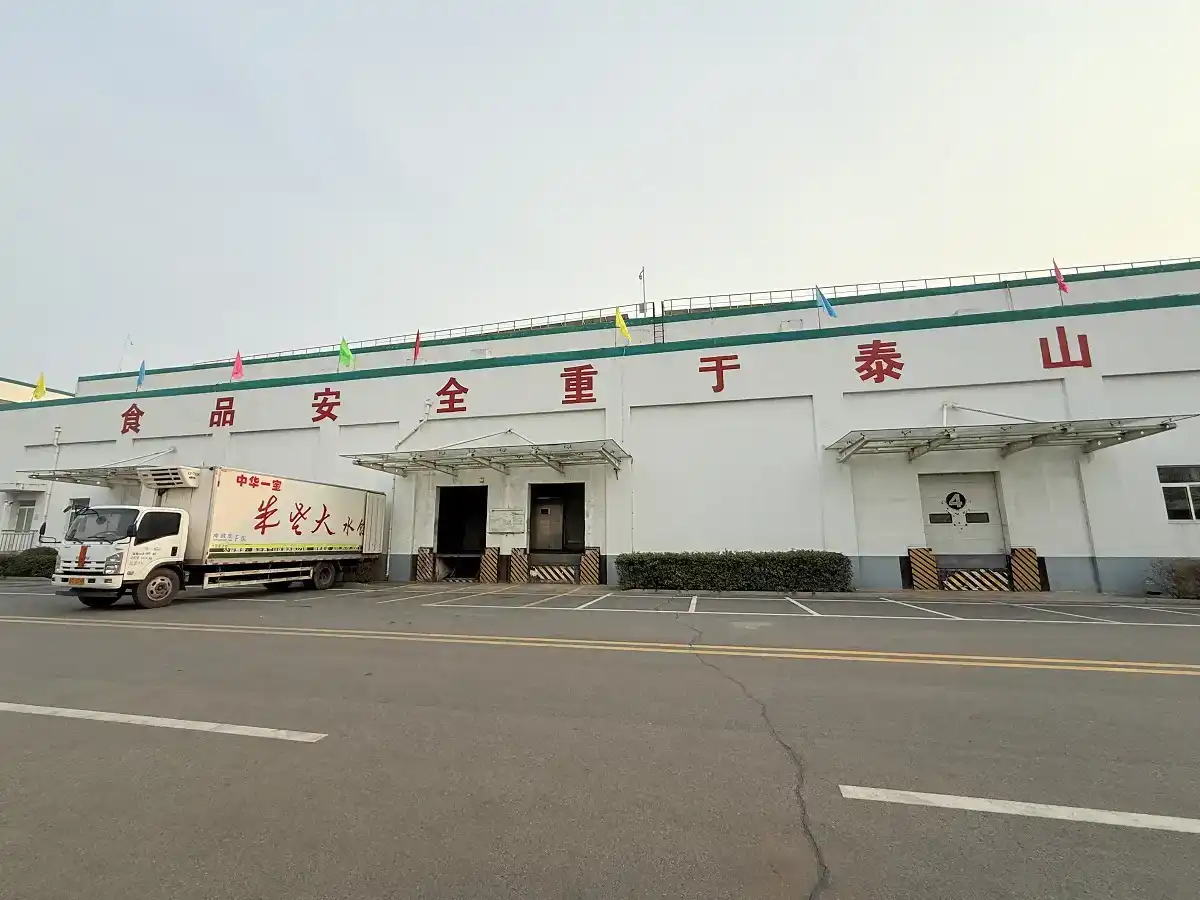
- Cold chain capability: Zhulaoda runs a cold storage center with an intelligent shuttle rack system that can hold more than 8,000 tons of frozen goods. This ensures reliable delivery during busy times like Chinese New Year, the yearly conference season, and big holidays.
These factors together show how well a supplier can work with a lot of orders without lowering the quality of the kitchen's work. By checking each point during seller qualification, you can protect both your margin and your image—and this is especially critical when the supplier provides key fillings for signature items such as beef celery dumplings, where any variance in ingredient quality or delivery timing would immediately affect kitchen output and brand reputation.
Optimizing Beef Celery Dumplings Usage in Foodservice Operations
Cooking Methods and Kitchen Workflow for Bulk Service
This food can be cooked in three approved ways: boiling, steaming, and pan-frying. Each is good for a different kind of service.
From cold, it takes 6–8 minutes to boil. The dumplings are done when they float and the wrapper see-through. For fast and consistent service at a banquet with a lot of people, this method works well. Ten to twelve minutes of steaming in a covered steamer makes a slightly harder shell that looks better, which is ideal for plating dim sum. For pan-frying, you need a little oil, water up to about a third of the height of the dumplings, and to cover the pan while cooking until the water disappears and the bottom goes golden. This method works well for à la carte service, where the contrast of textures is an important part of the dish's appeal.
For cloud kitchens and quick-service restaurants that need to keep the food warm during delivery, steaming followed by a short rest in a closed container keeps the center temperature above the 74°C/165°F safety limits without changing the texture of the skin. To avoid over-processing, people who run high-pressure steam cabinets should make sure that their equipment's cycle times match the 10–12 minute steam window.
The placement of the menu is also very important. You can serve these dumplings with a light ginger broth for dipping, on a slate tile with micro-herbs, or on a rotating dim sum cart with shrimp and vegetable options, and items like beef celery dumplings go especially well with fusion menus, adding a hearty yet refreshing option that fits seamlessly into any of these serving approaches.
Trusted Global Suppliers and How to Procure Beef Celery Dumplings
Why Zhulaoda Stands Out as a Verified Manufacturer
Shandong Zhu Laoda Food Co., Ltd. has been around since March 2001 and is known as the biggest place in southern Shandong and northern Jiangsu to process frozen foods. The factory has three automatic production lines that can make up to 100 tons of goods every day. Before they are used in production, raw materials like first-class chilled fresh meat from Jinluo, Canadian wheat flour, and fresh veggies that are grown directly by the company are carefully inspected to find any pesticide residues and to test for microbes and chemicals.
Because the business can do both OEM and ODM, it is a good partner for wholesalers who want to sell frozen dumplings under their own brand name. You can get custom recipes, branded packaging, and a range of pack sizes. The infrastructure for bulk production can handle large annual procurement volumes. This means that procurement teams in charge of hotel or chain restaurant supply lines can get all of their needs met by a single source. This includes product development, compliance paperwork, and transportation planning.
Conclusion
Comparing unit prices isn't the only way to find the best frozen dumpling provider. How well a product works in a high-volume foodservice setting depends on its batch consistency, cold chain infrastructure, ability to be customized, and compliance with certifications. When it comes to premium menu items, beef celery dumplings are a great choice because they are well-balanced in terms of nutrition and are easy to make. Zhulaoda's confirmed manufacturing standards, large cold storage space, and OEM freedom make it a seller that any buying team looking to buy in bulk should seriously consider.
FAQ
How do I prevent the filling from becoming watery after freezing?
When celery is slowly frozen, it damages cells, which lets free water into the wrapper and makes it soggy. This is fixed by Zhulaoda using fast cryogenic freezing and a pre-processing step called osmotic drainage, which locks water into the protein structure before freezing.
What allergens are present in this product?
The wrapper has wheat in it, and the filling dressing has soy in it. In the EU, celery is known to cause allergies. Zhulaoda manages cross-contact risks by using separate handling methods and Clean-In-Place processes. They also follow the rules for allergen marking.
Can these dumplings be prepared using methods other than boiling?
Yes. The recipe for the dough works for boiling, steaming, and frying in a pan. Deep-frying needs a wrapper with less wetness, and the usual recipe isn't made for that because it's best for hydro-thermal cooking.
What packaging options are available for institutional buyers?
Zhulaoda has configurations in 450g, 1kg, and 2.5kg, and OEM and private-label contracts can make the forms more or less what they want. You can directly ask for bulk packaging that is good for buying by hotels and restaurants.
How is batch consistency maintained across large orders?
Standardized cutting and grinding rules (beef at 3–5mm, celery at 2–4mm), vacuum mixing, and HACCP-monitored production protocols make sure that every batch is the same as the approved sample from the first product qualification.
Partner with Zhulaoda – Your Reliable Beef Celery Dumplings Supplier
Zhulaoda has been making frozen foods for 20 years and has ISO 9001, HACCP, and QS certifications. They offer consistent goods that are ready for audits to restaurant buyers around the world. Our beef celery dumplings come in a variety of forms that can be changed to fit your needs. We also offer full OEM support, reliable cold chain shipping, and dedicated sourcing assistance. Get in touch with us to get examples or talk about bulk prices that are based on the size and needs of your business. You can email our team at sdzldsp@163.com or visit zhulaodadumpling.com.
References
1. Dong, M., & Zhang, Y. Frozen Food Technology and Quality Control. China Light Industry Press, 2018.
2. Fellows, P. J. Food Processing Technology: Principles and Practice (4th ed.). Woodhead Publishing, 2017.
3. Hui, Y. H. (Ed.). Handbook of Frozen Foods. Marcel Dekker, 2004.
4. International Institute of Refrigeration. Recommendations for the Processing and Handling of Frozen Foods (4th ed.). IIR, 2016.
5. Potter, N. N., & Hotchkiss, J. H. Food Science (5th ed.). Springer, 1995.
6. U.S. Department of Agriculture, Economic Research Service. Frozen Food Market Trends in Foodservice Procurement. USDA ERS, 2022.
Learn about our latest products and discounts through SMS or email