- English
- French
- German
- Portuguese
- Spanish
- Russian
- Japanese
- Korean
- Arabic
- Greek
- German
- Turkish
- Italian
- Danish
- Romanian
- Indonesian
- Czech
- Afrikaans
- Swedish
- Polish
- Basque
- Catalan
- Esperanto
- Hindi
- Lao
- Albanian
- Amharic
- Armenian
- Azerbaijani
- Belarusian
- Bengali
- Bosnian
- Bulgarian
- Cebuano
- Chichewa
- Corsican
- Croatian
- Dutch
- Estonian
- Filipino
- Finnish
- Frisian
- Galician
- Georgian
- Gujarati
- Haitian
- Hausa
- Hawaiian
- Hebrew
- Hmong
- Hungarian
- Icelandic
- Igbo
- Javanese
- Kannada
- Kazakh
- Khmer
- Kurdish
- Kyrgyz
- Latin
- Latvian
- Lithuanian
- Luxembou..
- Macedonian
- Malagasy
- Malay
- Malayalam
- Maltese
- Maori
- Marathi
- Mongolian
- Burmese
- Nepali
- Norwegian
- Pashto
- Persian
- Punjabi
- Serbian
- Sesotho
- Sinhala
- Slovak
- Slovenian
- Somali
- Samoan
- Scots Gaelic
- Shona
- Sindhi
- Sundanese
- Swahili
- Tajik
- Tamil
- Telugu
- Thai
- Ukrainian
- Urdu
- Uzbek
- Vietnamese
- Welsh
- Xhosa
- Yiddish
- Yoruba
- Zulu
Top Pork and Scallion Dumplings for Foodservice: Buying Guide
If you source frozen dumplings for Asian supermarkets or foodservice distribution, this guide is built for you. Pork and scallion dumplings remain the single most consistent mover in the frozen Chinese food category across North American and Australian Chinese grocery markets. This buying guide covers everything procurement professionals need—product benchmarks, supplier vetting criteria, cold-chain logistics, and menu optimization—so you can make confident, high-volume purchasing decisions that protect margin and keep your frozen aisle fully stocked.
Understanding Pork and Scallion Dumplings: Key Product Insights
What Makes This Filling the Category Anchor
The appeal is built in, not just a coincidence. Ground pork front leg meat has a lean-to-fat ratio of about 7:3, which makes it naturally juicy without being greasy. When you cook with Welsh onion (Allium fistulosum), the spiciness is broken down by enzymes and turns into a mild, aromatic sweetness.
They work together to make the taste that mainland Chinese people know as "home." Cabbage, ginger, soy sauce, edible salt, and veggie oil are all supporting ingredients that help keep the moisture in and add depth to the taste. The wrapper is made of wheat flour mixed with distarch phosphate to keep its shape during freezing and cooking, so the skin doesn't break or boil out.
Nutritional Position and Cooking Versatility
When compared to shrimp or chicken dumplings, pork and scallion dumplings have more protein and fewer calories, so they can be served as both a small meal or the main course. There are three ways to cook food for large groups: boiling for 6 to 8 minutes, steaming for 10 to 12 minutes, or pan-frying until the bottom turns golden brown.
Each way creates a different texture, which lets chefs make a wide range of dishes, from dim sum starters to full-meal meals. People who are in charge of FDA menu labeling should know that this product contains allergens for wheat and soy, which must be clearly stated on the front of the package according to U.S. labeling laws.
Comparing Pork and Scallion Dumplings with Other Dumpling Types
Flavor, Allergen, and SKU Strategy Considerations
Chicken cakes have less fat, but they don't have the savory depth that customers want. Shrimp cakes cost a lot, but they can't be placed on the menu if someone is allergic to shellfish. People from northern China like the beef and cabbage versions, but they move more slowly in markets where most of the customers are immigrants from the southeast of China. Pork and green onion dumplings appeal to people of all ages, and they are also the easiest for people with food allergies to understand because they contain wheat and soy, which are common ingredients in Asian food.
For any operator running a lot of orders, the store-bought vs. scratch-made argument is over. You can't get the same level of portion control, shelf life stability, or unit cost from scratch production as from a qualified frozen producer. When it comes to consistency, no commissary kitchen can beat frozen jiaozi that comes from a factory with three automated lines that can make up to 100 metric tons of it every day. People who care more about their health are shifting their buying habits toward cleaner labels. Products that don't use artificial preservatives are in line with this trend and look better on the shelf.
Key Criteria for Selecting Pork and Scallion Dumplings Suppliers
Not only does picking the wrong seller hurt the quality of the product, but it can also cause a whole package to be held up at customs. Before committing to a seller relationship, every buying manager should make sure of these things that can't be changed.
- Certifications on public record: ISO 9001, HACCP, and a valid SC (Food Production License) number are mandatory for Chinese-origin frozen food entering the U.S. market. The license number SC11137139600148, held by Shandong Zhu Laoda Food Co., Ltd., is publicly verifiable and aligns with product standard SB/T 10412. Any supplier unable to produce these documents upfront should be disqualified.
-
Cold storage and chain infrastructure: A supplier operating an 8,000-ton cold storage facility with a modern intelligent shuttle rack system and GPS-monitored temperature control provides the supply chain resilience needed to support 2–3 month ocean freight transit without shelf-life erosion. A 12-month shelf life at –18°C leaves sufficient margin post-arrival for retail turnover.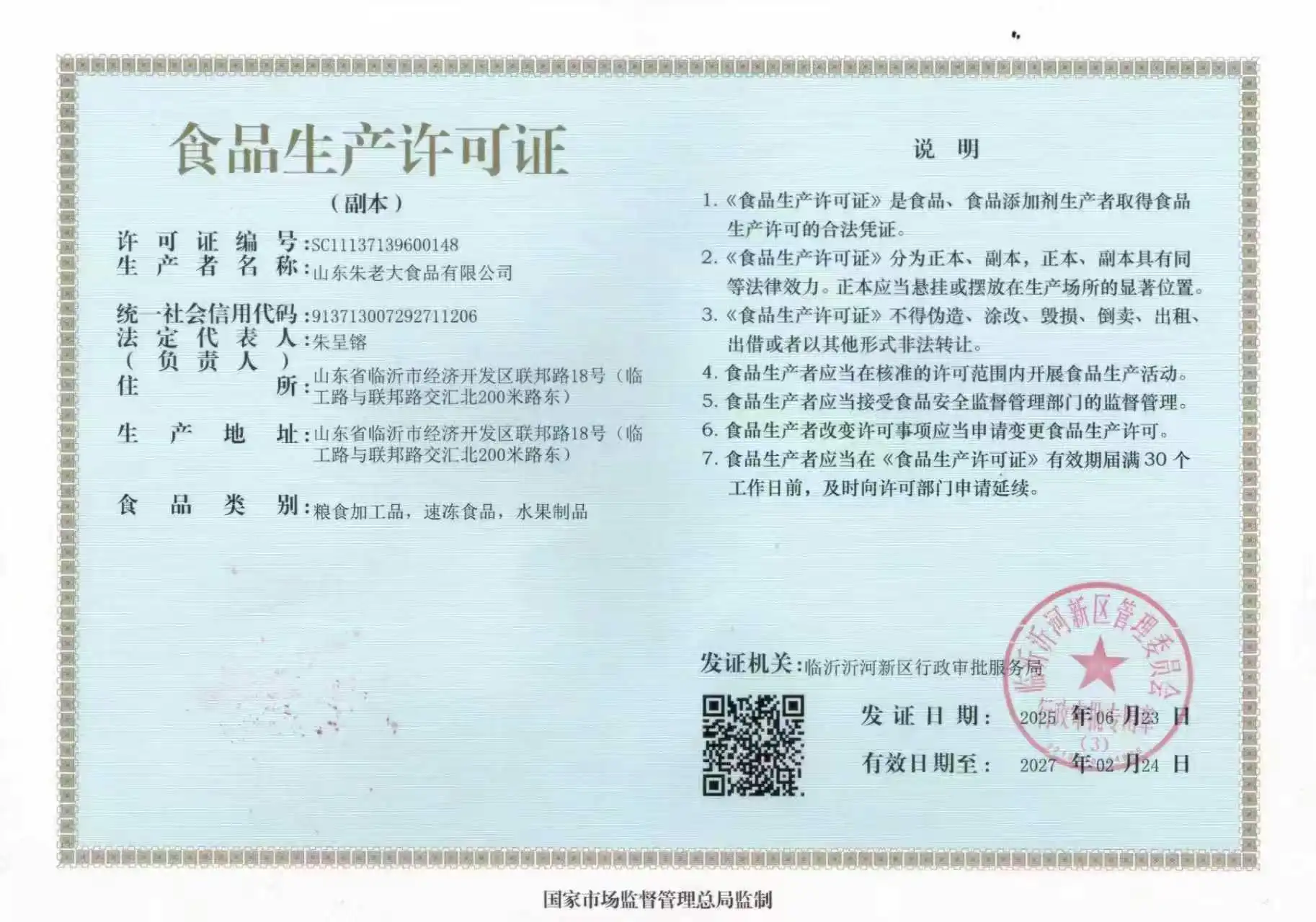
- Raw material traceability: Zhulaoda sources pork exclusively from JINLUO, a nationally recognized chilled meat brand in China, and imports Canadian wheat flour as well as Hetao Plain wheat for dough production. Scallions and vegetables are procured directly from origin farms and tested for pesticide residues before processing.
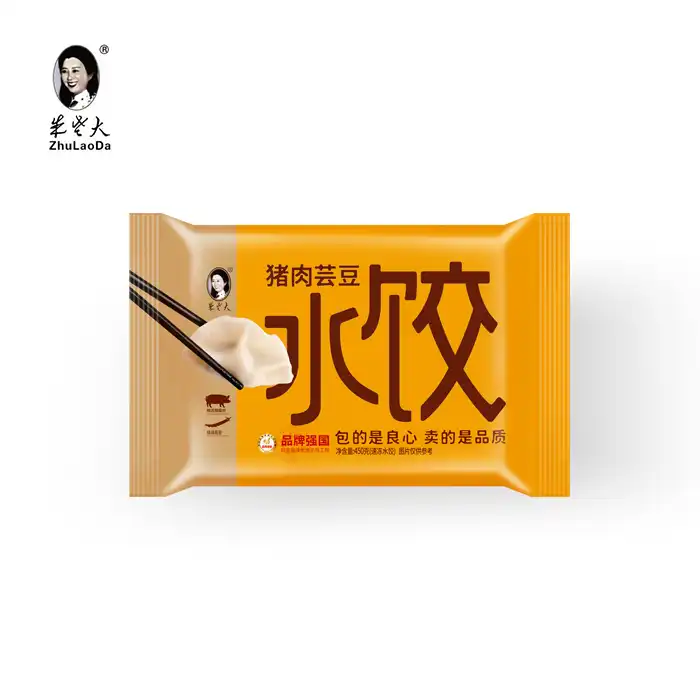
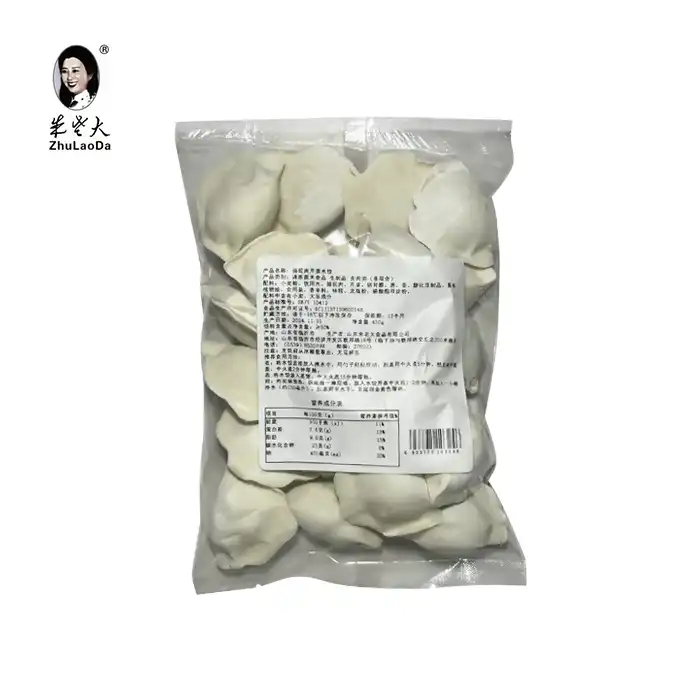
- Packaging and OEM capability: Procurement managers handling their own private-label SKUs need a supplier capable of 450g, 1kg, and 2.5kg formats with customizable artwork. OEM and ODM services reduce sourcing complexity and allow multi-SKU container consolidation.
- Minimum order and sampling access: A negotiable MOQ near 500kg with a pre-order sampling option reduces first-shipment risk substantially. Sensory evaluation before commitment is standard practice for any serious buyer.
These factors together tell you if a supplier can protect your landed cost and keep category velocity steady for pork and green onion dumplings without any problems.
Where and How to Purchase Pork and Scallion Dumplings for Foodservice
Procurement Channels and Logistics Realities
When it comes to total cost of ownership, direct maker partnerships always do better than marketplace buying. Platforms like Alibaba International and Made-in-China can help you find factories, but when you negotiate directly with a factory, you get much better prices and better paperwork. There are ways to check information at trade shows, like the Canton Fair and frozen food category exhibitions, that you can't do with digital channels.
Mixed-SKU shipments that include pork and scallion dumplings along with glutinous rice balls, noodles, or other frozen items from the same producer spread the costs of cold-chain freight and customs clearance across a wider range of goods. This helps buyers manage their container economics. Because Zhulaoda can make more than one type of product, this consolidation is easy.
The only way to get frozen dumplings from one continent to another is to store and ship them at –18°C. There isn't a real cold-chain window for ocean freight going to the U.S. for fresh or chilled formats. Before making a reservation, buyers should also make sure that the seller can provide all the paperwork needed for FDA registration, allergen statements (for wheat and soy), and labeling compliance in the target country.
Optimizing Usage and Enhancing Customer Experience with Pork and Scallion Dumplings
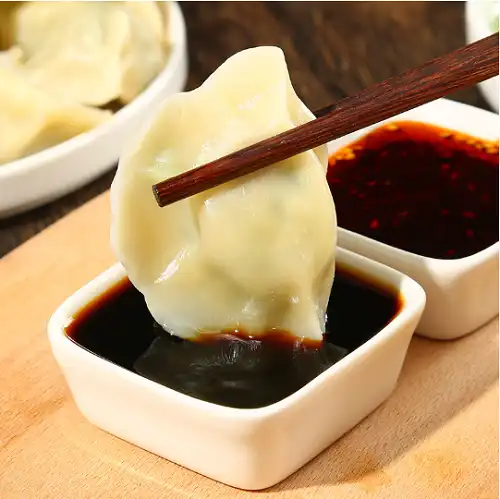
Besides how the product is bought, how it is displayed in a store or by a seller also affects how quickly it sells. The best way to sell pork and scallion dumplings is with traditional condiments. The most popular mix is Zhenjiang black vinegar, light soy sauce, and chili oil. Putting the shelf next to the dipping sauce fittings makes it easier to connect the basket.
People who run cooking counters or food halls in stores can offer these dumplings as a changing appetizer or quick entrée, which cuts down on wait times for customers while still making the food seem real. Cross-selling frozen items that go well with each other, like wonton soup bases, congee mixes, or chili sauces, makes natural meal-completion bundles that increase the average transaction value.
In terms of sustainability, buyers are looking at suppliers' ethical and environmental standards more and more as part of vendor scorecards. Working with a manufacturer that keeps records of where their raw materials come from and follows national food safety rules makes corporate sourcing stories stronger for both store partners and institutional accounts.
Conclusion
When it comes to frozen Asian food, pork and scallion dumplings hold a special place. Because they taste great, are easy to make, and are well-tested in terms of logistics, they should be the standard item for any distributor or store that serves Chinese people living outside of China. If you choose a provider with confirmed certifications, strong cold-chain infrastructure, and clear standards for raw materials, you can avoid the risks that cut into the profit margin on large import programs. This guide's criteria and channel suggestions are meant to shorten the time it takes to find a seller and get you in touch with one that can regularly deliver at scale.
FAQ
What is the shelf life of frozen pork and scallion dumplings in commercial storage?
These dumplings can be kept for 12 months after they were made as long as they are kept at –18°C or below. After a two- to three-month trip across the ocean, this gives high-turnover frozen aisles plenty of time to be displayed.
What allergens do pork and scallion dumplings contain?
There is wheat in the wrapper (from wheat flour) and soy in the filling (from soy sauce and expanded soy-based products). Under FALCPA, all store and food service products in the U.S. must follow FDA rules for allergen labels.
Can I order custom packaging or private-label formats?
Yes. Zhulaoda provides OEM and ODM services, and the company gives packaging choices in 450g, 1kg, and 2.5kg sizes. During the sampling and pre-production stages, the artwork for the custom labels and the requirements for the packing can be organized.
What certifications should I require from a supplier?
Chinese frozen food that wants to sell in the U.S. or Canada must meet at least the basic requirements of ISO 9001, HACCP, and a current SC food production license. Zhulaoda has a license to make food (SC11137139600148).
What is the minimum order quantity for a trial shipment?
For initial trial orders, about 500 kg is negotiable, and product samples can be sent out before a commitment is made to allow for sensory and compliance evaluation.
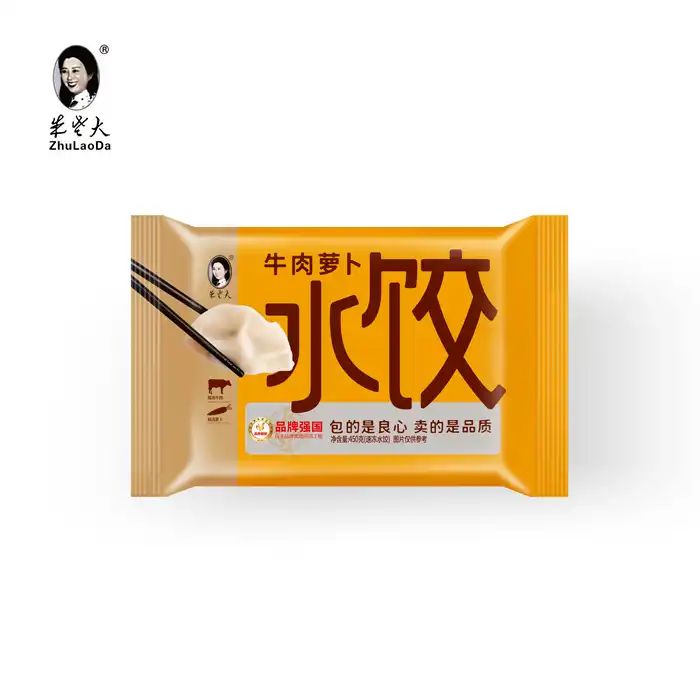
Partner with Zhulaoda for Reliable Pork and Scallion Dumplings Supply
Since 2001, Zhulaoda has been a qualified producer of pork and scallion dumplings. They have three automatic production lines that can make 100 metric tons of dumplings every day, and they also have smart cold storage for 8,000 tons. Our team can help you at every step, from samples to OEM labeling to cold-chain paperwork, whether you need a trial pallet or a full-container program. You can get a quote and product samples right now by going to zhulaodadumpling.com or emailing us at sdzldsp@163.com.
References
1. China Chain Store & Franchise Association. Annual Report on China's Frozen Food Industry. 2023.
2. Food Safety and Inspection Service, USDA. Import Inspection Programs for Meat and Poultry Products. 2022.
3. International Association for Food Protection. Journal of Food Protection: Microbiological Standards for Frozen Foods. 2021.
4. Mintel Group Ltd. Frozen Asian Foods: U.S. Consumer Trends and Category Growth. 2023.
5. U.S. Food and Drug Administration. Food Allergen Labeling and Consumer Protection Act (FALCPA) Guidance. 2022.
6. World Trade Organization. Agreement on the Application of Sanitary and Phytosanitary Measures (SPS Agreement): Implementation in Food Trade. 2020.

Learn about our latest products and discounts through SMS or email