- English
- French
- German
- Portuguese
- Spanish
- Russian
- Japanese
- Korean
- Arabic
- Greek
- German
- Turkish
- Italian
- Danish
- Romanian
- Indonesian
- Czech
- Afrikaans
- Swedish
- Polish
- Basque
- Catalan
- Esperanto
- Hindi
- Lao
- Albanian
- Amharic
- Armenian
- Azerbaijani
- Belarusian
- Bengali
- Bosnian
- Bulgarian
- Cebuano
- Chichewa
- Corsican
- Croatian
- Dutch
- Estonian
- Filipino
- Finnish
- Frisian
- Galician
- Georgian
- Gujarati
- Haitian
- Hausa
- Hawaiian
- Hebrew
- Hmong
- Hungarian
- Icelandic
- Igbo
- Javanese
- Kannada
- Kazakh
- Khmer
- Kurdish
- Kyrgyz
- Latin
- Latvian
- Lithuanian
- Luxembou..
- Macedonian
- Malagasy
- Malay
- Malayalam
- Maltese
- Maori
- Marathi
- Mongolian
- Burmese
- Nepali
- Norwegian
- Pashto
- Persian
- Punjabi
- Serbian
- Sesotho
- Sinhala
- Slovak
- Slovenian
- Somali
- Samoan
- Scots Gaelic
- Shona
- Sindhi
- Sundanese
- Swahili
- Tajik
- Tamil
- Telugu
- Thai
- Ukrainian
- Urdu
- Uzbek
- Vietnamese
- Welsh
- Xhosa
- Yiddish
- Yoruba
- Zulu
Top Tofu Cabbage Dumplings for Foodservice and Retail Buyers
If you're sourcing frozen dumplings for a retail shelf or foodservice menu, tofu cabbage dumplings deserve a serious look. This plant-based filling option — combining firm tofu with crisp Chinese cabbage — covers a wide dietary range, from Buddhist and Hindu vegetarians to health-conscious families watching calorie intake. As a B2B buyer, you need more than taste; you need consistent quality, flexible order quantities, and a supplier who understands cold chain requirements. This guide walks you through everything you need to make a confident sourcing decision.
Understanding Tofu Cabbage Dumplings: Product Overview and Market Trends
What Defines This Product Category
There is a frozen pasta dish called a cabbage and tofu dumpling. It has a filling of pressed soy curd and vegetables from the Brassica family instead of meat. Tofu that has been pressed can soak up water and keep things together, so the wrapper doesn't get soggy like it does with lower-quality vegetable dumplings. It is made with high-gluten wheat flour so that it won't tear when it's steamed, boiled, or fried in a pan.
Why Demand Is Climbing?
According to the 2023 Plant-Based Foods Industry Report from the Good Food Institute, frozen plant-based meals sold in stores in the U.S. made more than $900 million that year. Vegetable dumplings are one of the most well-known and loved Asian foods. There are a lot of Buddhist and Hindu people in South and Southeast Asia, and buyers say that a verified meat-free choice sells faster than a generic line of veggie gyoza.
Clean Label and Nutrition Angles
Some of the most important things that go into making a good product are Chinese broccoli, tofu, vermicelli, olive oil, corn starch, ginger, and salt. Right now, stores are focusing on clean-label shelf trends, and that short list of ingredients fits in with those. What's good for you? A normal amount has 8–12 grams of plant-based protein and a lot less saturated fat than choices with pork. Because of this, it is a good choice for meal plans in both stores and institutions that want to promote health.
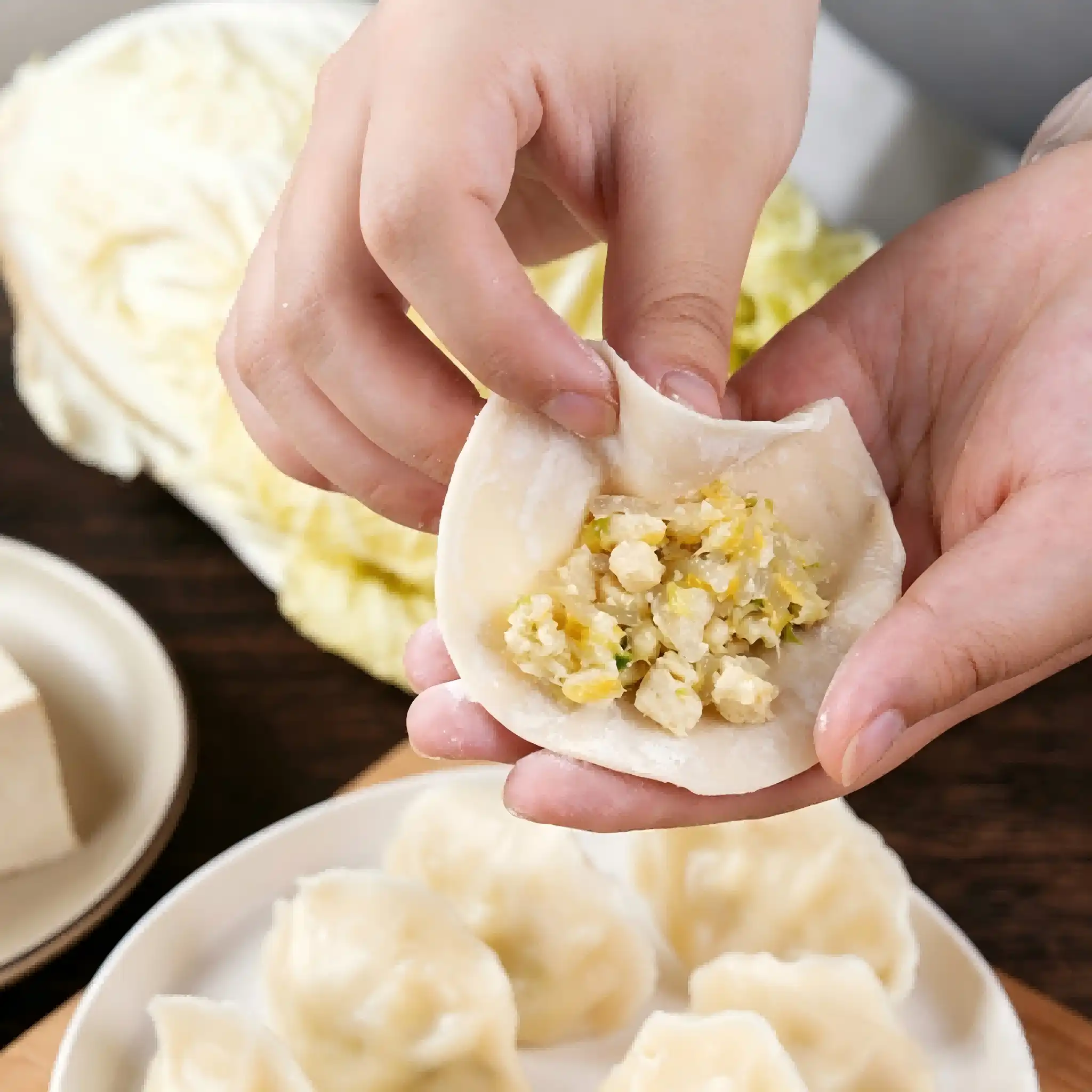
Comparison of Tofu Cabbage Dumplings with Other Dumpling Varieties
Nutrition and Fat Profile
A lot of the time, 20–30% animal fat is added to pork dumpling filling to make it taste good and stay juicy. A spread made of tofu and cabbage has the same texture because 8–10% neutral or sesame emulsion vegetable oil is mixed into the tofu paste. Because of this, the pork jiaozi has about 25–35% fewer calories per 100 g amount and no cholesterol. It also has less saturated fat. People who shop in stores can talk about this gap right on the shelf.
Dietary Suitability Across Consumer Segments
People who are vegetarian, vegan, or very religious, like many Muslims, can't eat meat dumplings. Egg-and-chive rolls are not good for vegans or some veggie groups. Buddhist vegetarians, lacto-ovo vegetarians, and Muslim customers can all eat the tofu and cabbage SKU as long as it is made on a separate line that doesn't get five-pungent-allium contaminated. Right now, more people can buy that SKU than any other frozen dumplings.
Texture and Cooking Performance
The two-phase texture of firm tofu and cabbage fiber is just the right amount of chewy and crunchy. Most of the time, wheat flour and modified starch are used to make the cover. This keeps the steam seal in place and makes sure that the base crisps up right on automated gyoza lines without burning. At –18 °C, it has a 12-month shelf life, the same as pork types. Aromatic spices like ginger are mixed with oil to keep the tastes from going away while it's being frozen.
How to Source the Best Tofu Cabbage Dumplings for Your Business?
Key Supplier Evaluation Criteria
You should think about more than just price when you buy frozen dumplings for your business. This is what buyers should make sure of before they sign a deal:How much production and line split there is: Straight up ask if there is a line just for vegetarians. People who are Buddhist, Hindu, or looking for kosher food can't eat there because the meat and vegetable lines can get dirty.
- Production capacity and line separation: Ask specifically whether a dedicated vegetarian line exists. Cross-contamination between meat and vegetable lines is a disqualifying factor for Buddhist, Hindu, and halal-seeking clients.
- Certifications and compliance: Confirm the product standard code (e.g., SB/T 10412), food production license number, and any applicable export certifications. Request full allergen declarations — wheat and soy are the minimum disclosures for this filling type.
- MOQ flexibility and sample policy: For initial trial orders, suppliers offering packaging options across 450 g, 1 kg, and 2.5 kg units — with customizable labeling — reduce inventory risk significantly for smaller distributors.
These things show which sellers of tofu cabbage dumplings can work with big businesses and which ones can't handle all the orders that keep coming in.
Cold Chain and Import Logistics
It is important to keep an eye on the exact amount of water activity in the filling during production so that ice crystals don't form and cause the wraps to crack from blast freezing. Find out about the thermal shock tests that possible providers have done. Make sure that the supplier's cold chain paperwork covers the whole trip, from the door to the port, for paths that go through Southeast Asia, where temps often rise above 30 °C.
Pricing and Account Terms
Cheap ingredients are used to make the tofu-cabbage filling, so the cost to land a kilogram is usually less than for pork versions. People who want to place their first order should talk about payment terms and trial shipping costs right away so that the approval process stays within the normal two to four weeks.
Practical Considerations for Foodservice and Retail Operations
Storage and Handling Best Practices
During the whole supply chain, frozen dumplings have to be kept at or below -18 °C. If the cold chain is broken for even a short time, the ice can melt again, which hurts the wrapper before the customer gets it. When moving stock in busy kitchens, use the strict FIFO method and don't freeze any batches that have only been partially warmed.
Cooking Methods for Large-Scale Kitchens
There are three main ways to cook the item, and each one changes the texture:
- Boiling: Add frozen dumplings directly to boiling water; cook 6–8 minutes until they float and are fully cooked through. This method suits high-throughput canteen service.
- Steaming: Steam over boiling water for 8–10 minutes. This method best preserves the filling's moisture and is preferred in dim sum or appetizer presentations.
- Pan-frying: Sear bottoms in a lightly oiled pan until golden, then add a splash of water, cover, and cook until water evaporates. This produces the classic pot-sticker crust suitable for premium menu positioning.
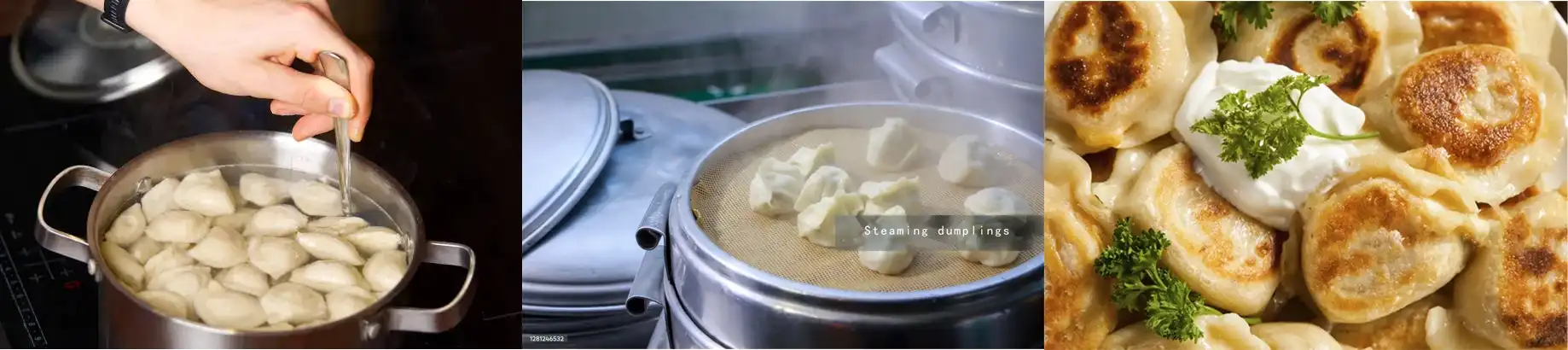
All of them can be used right away without having to be warmed first. This makes cooking easier and saves time.
Menu Integration and Retail Positioning
As a starter, a side dish, or a light main meal, vegetable pancakes made with cabbage and tofu can be used in food service. To make them look more valuable, eat them with miso soup or chili-sesame sauce. Foods that are low in calories and don't contain meat should be put next to other plant-based frozen foods to get the attention of health-conscious shoppers. The claims should also be made right on the front of the package.
Top Brands and Suppliers of Tofu Cabbage Dumplings for B2B Buyers
Zhulaoda: A Manufacturer Worth Knowing
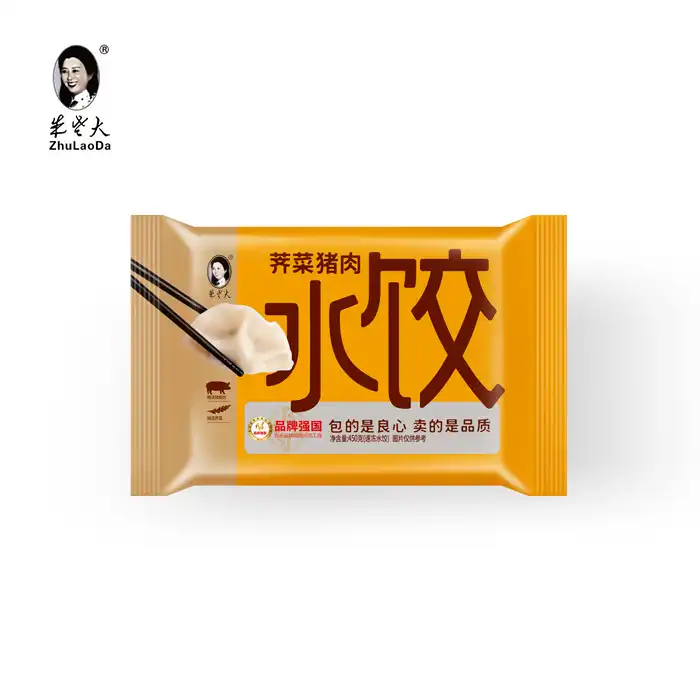
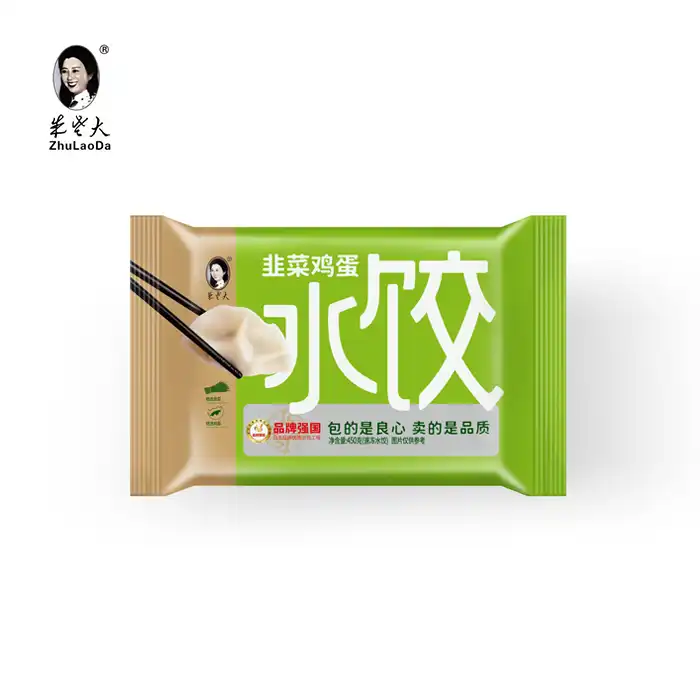
From its base in the southern part of Shandong, Shandong Zhu Laoda Food Co., Ltd. has been in business since March 2001. It has three robotic lines that can make every day up to 100 tons of food. There is a smart shuttle rack system in the cold storage building that can hold more than 8,000 tons. A food production license with the number SC11137139600148 says that the workshop has the right amount of clean air and tools for cleaning.
For meat-based lines, it works with JINLUO to get chilled fresh meat. It gets its wheat flour from Canada and Hetao Plain. When they buy ingredients for vegetable lines, they have to follow strict checks that include looking for pesticide residue, testing for microbes, and looking at chemical and physical signs. OEM/ODM customization is another service the company offers. This lets customers change filling recipes, even ones that don't contain allium, as long as they stay within the agreed-upon output limits.
Verifying Supplier Authenticity
Before you give a frozen dumpling maker a big order, make sure you get their production license, reports from a third-party lab that test for microbiology and allergens, and the contact information of customers they've already exported to in the area you want to reach. For HACCP and ISO 22000 compliance, the paperwork shows that the TPC, coliforms, and Salmonella HACCP-critical control points have been checked and stayed the same during production runs.
Building a Long-Term Partnership
When it comes to frozen food, being able to talk to each other about changes in standards, changes in raw materials based on the season, and logistics is key to building strong business ties. It's much safer to do business with a supplier that lets you place small test orders before you commit to large orders and that comes in a variety of packaging sizes, from 450 g for retail to 2.5 kg for food service bulk.
Conclusion
As long as you sell frozen foods, having tofu cabbage dumplings on hand is a good idea. You can boil, steam, or fry them in a pan. Also, vegans can eat them, and they're healthy. This SKU should be on the shelf and on the menu of anyone who sells to Asian-American groups or any other store that wants to support plant-based growth. It's important to find a supplier with clear sourcing rules, strict production rules, flexible minimum order quantities, and written cold chain protocols. It's easy to go from the first sample to the repeat order once those boxes are filled.
FAQ
What cooking methods work best for frozen vegetable dumplings at scale?
The fastest way to do it in a busy kitchen is to boil it. Put the frozen food right into hot water and cook for 6 to 8 minutes. For fancy events, steaming for 8–10 minutes works best. For everyday eating, pan-frying gives the pot stickers a crispy finish that people like.
How do I verify a dumpling supplier's vegetarian claims?
All three can be used straight from the freezer; they don't need to be warmed up first.
What packaging options are available for B2B orders?
There are 450 g retail packs, 1 kg mid-size packs, and 2.5 kg restaurant bulk packs for Zhulaoda. Labels can be changed to fit your wants when you do an OEM/ODM deal.
What is the shelf life of frozen tofu and cabbage dumplings?
Product Standard Code SB/T 10412 says that the item is good for 12 months from the date it was made as long as it stays at or below -18 °C.
Can filling formulations be customized for allium-free or halal requirements?
When you do OEM/ODM customization, you can change the ingredients in the filling. So that halal approval can happen, buyers need to make sure that there is a special line for making the goods. During the review step, they should talk to the seller about this.
Partner with Zhulaoda — Trusted Tofu Cabbage Dumplings Supplier
Zhulaoda has been making frozen foods for more than twenty years, and they use that experience with every B2B sale. Because we can make 100 tons of goods every day, pack them in a variety of ways (from 450 g to 2.5 kg), and let OEM/ODM filler be customized, we can handle both sample orders and long-term supply contracts. It's much better; get a sample right now and see for yourself. We can be reached at sdzldsp@163.com to talk about sourcing.
References
1. Good Food Institute. Plant-Based Foods Industry Report. 2023.
2. Mintel Group Ltd. Frozen Foods: Plant-Based Trends in Retail and Foodservice. 2022.
3. Food and Agriculture Organization of the United Nations. Codex Alimentarius: General Standard for the Labelling of Prepackaged Foods (CODEX STAN 1-1985). Revised 2018.
4. International Organization for Standardization. ISO 22000: Food Safety Management Systems — Requirements for Any Organization in the Food Chain. 2018.
5. SPINS LLC. U.S. Natural and Specialty Food Retail Sales Report: Frozen Asian Foods Category. 2022.
6. China Light Industry Press. Chinese Frozen Food Industry Standards and Quality Control Practices (SB/T 10412). 2007.

Learn about our latest products and discounts through SMS or email