- English
- French
- German
- Portuguese
- Spanish
- Russian
- Japanese
- Korean
- Arabic
- Greek
- German
- Turkish
- Italian
- Danish
- Romanian
- Indonesian
- Czech
- Afrikaans
- Swedish
- Polish
- Basque
- Catalan
- Esperanto
- Hindi
- Lao
- Albanian
- Amharic
- Armenian
- Azerbaijani
- Belarusian
- Bengali
- Bosnian
- Bulgarian
- Cebuano
- Chichewa
- Corsican
- Croatian
- Dutch
- Estonian
- Filipino
- Finnish
- Frisian
- Galician
- Georgian
- Gujarati
- Haitian
- Hausa
- Hawaiian
- Hebrew
- Hmong
- Hungarian
- Icelandic
- Igbo
- Javanese
- Kannada
- Kazakh
- Khmer
- Kurdish
- Kyrgyz
- Latin
- Latvian
- Lithuanian
- Luxembou..
- Macedonian
- Malagasy
- Malay
- Malayalam
- Maltese
- Maori
- Marathi
- Mongolian
- Burmese
- Nepali
- Norwegian
- Pashto
- Persian
- Punjabi
- Serbian
- Sesotho
- Sinhala
- Slovak
- Slovenian
- Somali
- Samoan
- Scots Gaelic
- Shona
- Sindhi
- Sundanese
- Swahili
- Tajik
- Tamil
- Telugu
- Thai
- Ukrainian
- Urdu
- Uzbek
- Vietnamese
- Welsh
- Xhosa
- Yiddish
- Yoruba
- Zulu
Chinese Beef Radish Dumplings Benefits for Wholesale Meal Solutions
Chinese beef radish dumplings have become a standout SKU for foodservice operators looking to add premium, high-margin items to their menus. Combining lean beef with crisp daikon radish in a hand-folded wheat wrapper, these frozen dumplings deliver authentic flavor at scale. For restaurants, cafeterias, and central kitchen operations, they remove the need for in-house marinating or prep work. With a 12-month frozen shelf life, consistent portion weight, and support for steaming, boiling, or pan-frying, they fit smoothly into high-volume kitchens without compromising on quality or guest experience.
Understanding Chinese Beef Radish Dumplings: Ingredients and Nutritional Benefits
What Goes Into Each Dumpling?
The first things that go into the mixture are real beef and shreds of daikon radish. Onions, ginger, and carrots are aromatic foods that add flavor without overpowering the protein. This layer has soy sauce, oyster sauce, sesame oil, and more, as well as a measured mix of spices, yeast extract, and cooking wine. High-gluten wheat flour is used to make the wrapper. It stays in shape when frozen in IQF and doesn't fall apart or get gooey when cooked or fried in a pan.
Nutritional Profile Worth Noting
Protein and iron are both good things to get from beef. On the other hand, daikon radish adds fiber and stomach enzymes that naturally smooth the filling's muscle fibers in Chinese beef radish dumplings. It looks healthy to places that serve health-conscious customers, which is a big plus compared to choices that are only made of pork. Radish has a lot of fiber, which makes you feel full after just one serving. This is helpful at school and in cafeterias where nutritional needs need to be met.


Industrial Production vs. Artisan Quality
Making more cakes without breaking them down can be hard. Shandong Zhu Laoda Food Co., Ltd. has three automatic lines that can make up to 100 tons of food every day. As beef is ground, the amount of fat to lean meat is kept at a level that keeps the meat juicy without cooking off too much grease. Radish is dried out before it is mixed, which keeps the wrapper from getting wet while it freezes. Each unit is IQF-frozen at -35°C or below so that big ice crystals don't form. This makes sure that the radish stays crunchy and the wrapper stays flexible when it's time to eat it again.
Comparing Chinese Beef Radish Dumplings for Wholesale Procurement: Versatility and Market Preferences
Beef Radish vs. Other Dumpling Varieties
The pork dumplings are the most popular, but the beef and radish ones sell for more per unit and are more popular with people who care about their health or halal. The mix of beef and radish has more protein and makes you feel fuller than meatless fillings. This is important for companies that want to get people to come back for lunch and dinner because full amounts make people want to come back. There are more Asian food service options in the U.S. than just takeout, and beef products are becoming more popular.
Frozen Versus Fresh: A Supply Chain Reality
Because fresh dumplings only last two to three days on the shelf, businesses that are spread out in different places are under a lot of stress. SB/T 10412 says that frozen dumplings that are kept at -18°C will last for 12 months. This makes it much easier to plan for regional delivery and seasonal amounts. For businesses with 10 to 300 locations, frozen supplies get rid of the daily risk of food going bad and let central kitchen teams take what they need without having to place orders every day.
Cooking Methods and Operational Fit
To make these beef and radish dumplings, you can boil them, steam them, or fry them in a pan. The kitchen staff can then pick the method that works best for them when it comes to serving the food. With the "steam-then-pan-fry" method, the bottom gets crispy and the top gets soft and bendy. This texture profile works really well for meals that are meant to be shared with others and looks great in pictures. All of the cooking steps are already set up to work with professional tools, so there's no need to test or create new recipes before the service.
Strategic Advantages of Including Chinese Beef Radish Dumplings in Wholesale Meal Solutions
Menu Differentiation in a Crowded Market
A restaurant can set itself apart from those that only serve pork by adding a line of high-quality beef and vegetable rolls. This difference is most noticeable in mixed-race cities across the U.S., where people are looking for authentic regional Chinese styles. It's up to the owner to decide how much to charge per piece if they want to make these their signature pan-fried item. This will make more money from tables without adding more work to the kitchen.
People who run bulk meal programs always say that switching to a frozen beef radish provider is good for them because:
- Higher average check per cover: Beef fillings carry a premium perception that supports pricing well above pork alternatives, directly improving per-table margin without additional labor.
- Reduced back-of-house prep time: Pre-seasoned, pre-portioned frozen units eliminate the marinating and mixing steps that typically add 45–90 minutes of kitchen labor per service shift.
- Scalable private-label options: OEM/ODM customization on filling ratio, salt level, wrapper thickness, and packaging allows operators to brand the product as their own SKU across multiple locations.
Food Safety Compliance as a Business Requirement
When purchasing directors choose a new frozen provider, these benefits directly lead to gains in kitchen efficiency and gross margin. These are the two measures that purchasing directors look at most closely.
How to Select and Source Reliable Chinese Beef Radish Dumplings Suppliers?
Certifications Are the Starting Point
People who sell frozen beef and radish dumplings that you can trust should have food safety credentials that you can look up. A company in the U.S. market that sells to schools, hospitals, or chain food groups needs to follow the basic rules set by HACCP and ISO 22000. Get the Food Production License number and product standard code before you buy something. The package and technical documents should make these easy to find. The Zhu Laoda license number SC11137139600148 is easy to find, which makes the first step of the seller approval process faster.
Production Capacity and Cold Chain Infrastructure
Capacity is important when numbers grow. It takes Zhu Laoda eight thousand tons of cold storage space to run. The building has a smart shuttle rack system that keeps goods going even during busy holiday times. The cold chain keeps the food at -18°C while it's being shipped, and the smallest order is only 500 kg, which is a good amount for testing central cooking before committing to every month. This starting point reduces the risk to the buyers' money while the product is being tested, without making them buy a lot of it all at once.

Private Labeling and Formula Customization
Owners can ask for OEM/ODM development if they need to meet regional flavor requirements, like less salt for institutional catering, thicker wrappers for halal-certified kitchens, or different filling ratios to save money. For three popular sizes—450g, 1 kg, and 2.5 kg—Zhu Laoda lets you change the style of the package, the length of the wrapper, the unit weight, and the type of filling. Customized formulas are protected by non-disclosure agreements. This answers one of the most common questions operators have when they spend money on making their own recipes.
Optimizing Your Procurement Process for Chinese Beef Radish Dumplings
Forecasting and Inventory Management
In the food service business, there are clear regular patterns in how many dumplings people want to buy. For instance, in many types of Asian restaurants in the U.S., business is 30–50% busier than usual in the winter and around Chinese New Year. Buyers should include this seasonality in their long-term plans, and they should make sure that suppliers can fill their warehouses at least six to eight weeks before peak times. The 8,000-ton cold storage at Zhu Laoda is meant to handle these sudden rises in demand without stopping the supply.
Monitoring Supplier Performance
Before you sign any supply agreements, you should make a list of key performance indicators (KPIs). The percentage of on-time arrivals, the difference in weight between batches (less than 2% change in wrapper weight after three months of frozen storage is considered okay), and the consistency of the fill ratio can all be measured. Cross-section sampling can be used to check the consistency of the fill ratio. For every package, ask for a batch inspection report. You can use these as proof for food safety audits at institutions and as records to make sure the quality of the food. If a seller gives you these records when you ask for them, it means that they think tracking is normal for business and not an exception.
Staying Ahead of Market Trends
It's one of the fastest-growing types of food service products in the U.S. that Asian meal solutions that are frozen. This is because more people are learning about Chinese food from different parts of China and becoming more cosmopolitan. People who set up a stable, scalable supply chain for things like beef radish cakes will be better able to meet customer needs as the market grows. You can stay ahead of the competition without spending a lot of money on research and development if you work closely with your supplier to come up with new formats. For example, you could make pan-fried varieties, smaller appetizer-sized units, or institutional versions with less salt.
Conclusion
A clear way for food service companies to make more money, set their dishes apart, and run their businesses more efficiently is to serve Chinese beef radish dumplings. Using real beef protein, daikon radish fiber, and a pre-made filling that has already been seasoned makes the process easier while still making a high-quality product that is worth the high price. One of the best ways to plan Asian meals in bulk is to buy this group of goods. It has solid cold chain storage, food safety standards that can be checked, and a number of OEM packaging options. A good frozen beef radish supplier is an easy way for a business to offer more than just pork dumplings.
FAQ
What cooking methods work best for beef radish dumplings in a commercial kitchen?
You can cook, boil, or fry these dumplings in a pan. When you cook and then pan-fry food, the bottom gets crispy and the top gets soft. This makes the food look good on visual plates. In all of the ways, the food doesn't need to be thawed before being used. This means that it can be prepared much faster in places with a lot of customers.
What is the minimum order quantity for wholesale procurement?
The smallest order is 500 kg, which is enough to test in a central kitchen before moving up to monthly rolling orders in several places.
Can the filling or wrapper be customized for regional markets?
Yes, OEM/ODM development lets you change the unit weight, the amount of salt, and the ratios of the contents. You can also change the width of the wrapper. Custom ways are covered by contracts that don't give away information.
What allergens are present in this product?
The things are made up of parts of wheat and soybeans. There is also sesame oil in what's inside. Before marking something as safe for people with allergies, buyers should read the whole list of ingredients. These should include Sesame Oil, Wheat Flour, and Expanded Soy-based Products.
How long is the shelf life under proper storage?
If you keep it at -18°C or below, Product Standard Code SB/T 10412 says it will last for 12 months.
Partner With Zhulaoda for Bulk Beef Radish Dumpling Supply
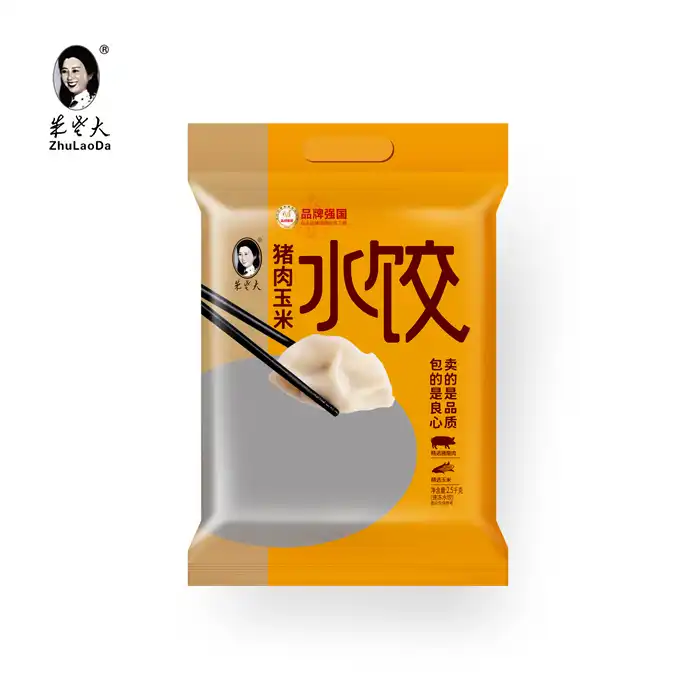
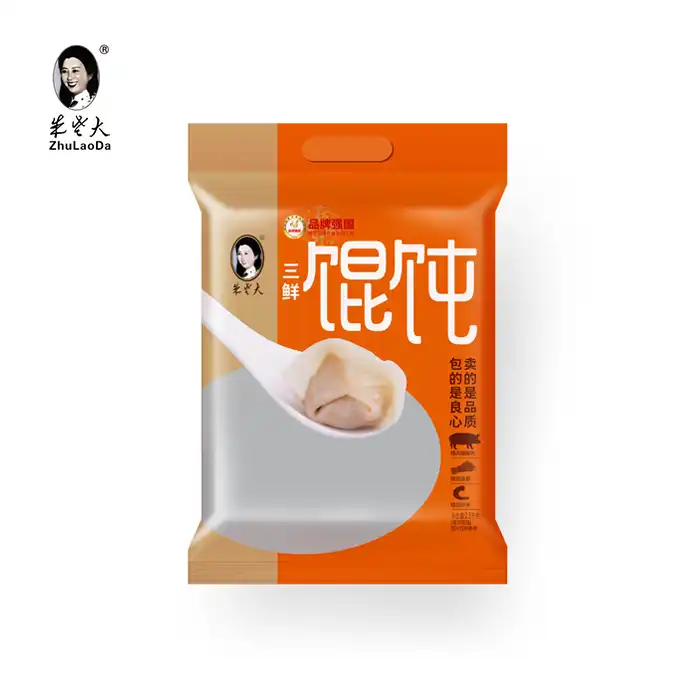
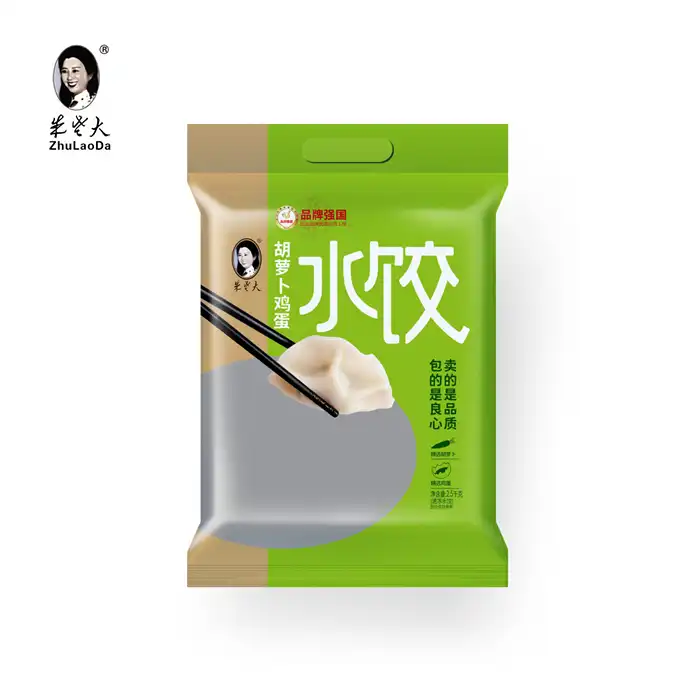
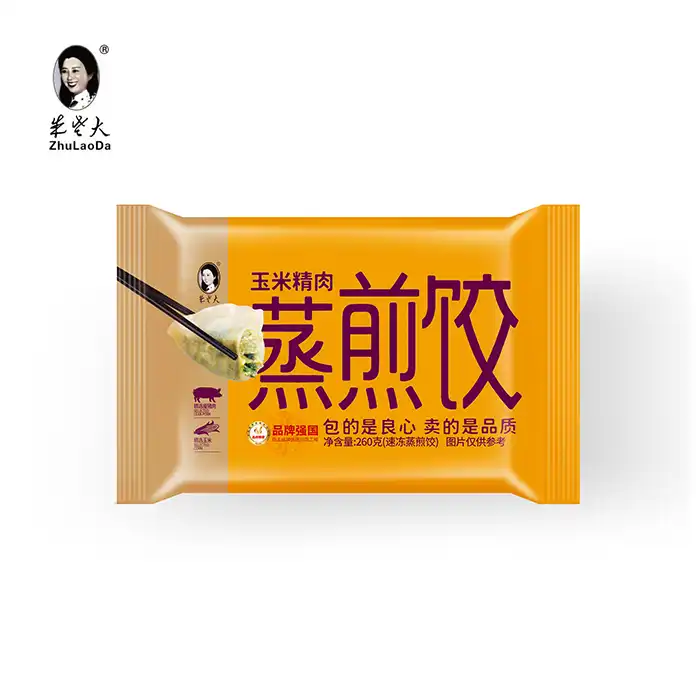
A Food Production License SC11137139600148 and 100 tons of frozen Chinese beef radish dumplings are made every day at Zhulaoda. They also have 8,000 tons of cold storage and all the food safety paperwork they need. Food service chains, cafeterias, and restaurants can count on us to provide them with Chinese beef radish dumplings. We offer sample trials, OEM formula customization, and MOQs that are easy to meet. You can email our team at sdzldsp@163.com to get samples and start reviewing your purchase right away.
References
1. Food and Agriculture Organization of the United Nations. Meat Processing and Quality Control in Industrial Food Systems. FAO, 2019.
2. Institute of Food Technologists. Frozen Food Quality and Safety: Advances in Processing Technology. IFT Annual Review, 2021.
3. Mintel Group Ltd. Asian Food and Beverage Trends in North American Foodservice. Mintel Market Intelligence Report, 2022.
4. National Restaurant Association. State of the Restaurant Industry Report: Menu Trends and Procurement Practices. NRA, 2023.
5. Journal of Food Engineering. Ice Crystal Formation and Texture Retention in IQF Dumpling Products During Frozen Storage. Elsevier, 2020.
6. USDA Economic Research Service. U.S. Foodservice Sector Growth and Multicultural Cuisine Demand Analysis. USDA ERS, 2022.
Learn about our latest products and discounts through SMS or email