- English
- French
- German
- Portuguese
- Spanish
- Russian
- Japanese
- Korean
- Arabic
- Greek
- German
- Turkish
- Italian
- Danish
- Romanian
- Indonesian
- Czech
- Afrikaans
- Swedish
- Polish
- Basque
- Catalan
- Esperanto
- Hindi
- Lao
- Albanian
- Amharic
- Armenian
- Azerbaijani
- Belarusian
- Bengali
- Bosnian
- Bulgarian
- Cebuano
- Chichewa
- Corsican
- Croatian
- Dutch
- Estonian
- Filipino
- Finnish
- Frisian
- Galician
- Georgian
- Gujarati
- Haitian
- Hausa
- Hawaiian
- Hebrew
- Hmong
- Hungarian
- Icelandic
- Igbo
- Javanese
- Kannada
- Kazakh
- Khmer
- Kurdish
- Kyrgyz
- Latin
- Latvian
- Lithuanian
- Luxembou..
- Macedonian
- Malagasy
- Malay
- Malayalam
- Maltese
- Maori
- Marathi
- Mongolian
- Burmese
- Nepali
- Norwegian
- Pashto
- Persian
- Punjabi
- Serbian
- Sesotho
- Sinhala
- Slovak
- Slovenian
- Somali
- Samoan
- Scots Gaelic
- Shona
- Sindhi
- Sundanese
- Swahili
- Tajik
- Tamil
- Telugu
- Thai
- Ukrainian
- Urdu
- Uzbek
- Vietnamese
- Welsh
- Xhosa
- Yiddish
- Yoruba
- Zulu
Top Benefits of Black Sesame Paste Rice Balls for Foodservice
Black sesame paste rice balls — known in Chinese as — are one of the most consistent sellers in Asian frozen dessert categories, particularly during Lantern Festival, Winter Solstice, and Chinese New Year. For foodservice buyers and Asian grocery procurement teams in the U.S., these glutinous rice balls deliver on three fronts that matter most: authentic sesame aroma, a flowing lava-style filling, and reliable bulk availability. This guide breaks down the key benefits that make them a smart, year-round addition to any festive dessert lineup.
Nutritional and Health Benefits of Black Sesame Paste Rice Balls
People in the U.S. have become much more interested in traditional Asian foods over the past few years. The key to this change is black sesame. It makes buyers feel better to talk to store customers when they know what goes into each ball.
A Dense Nutritional Profile Built on Real Ingredients
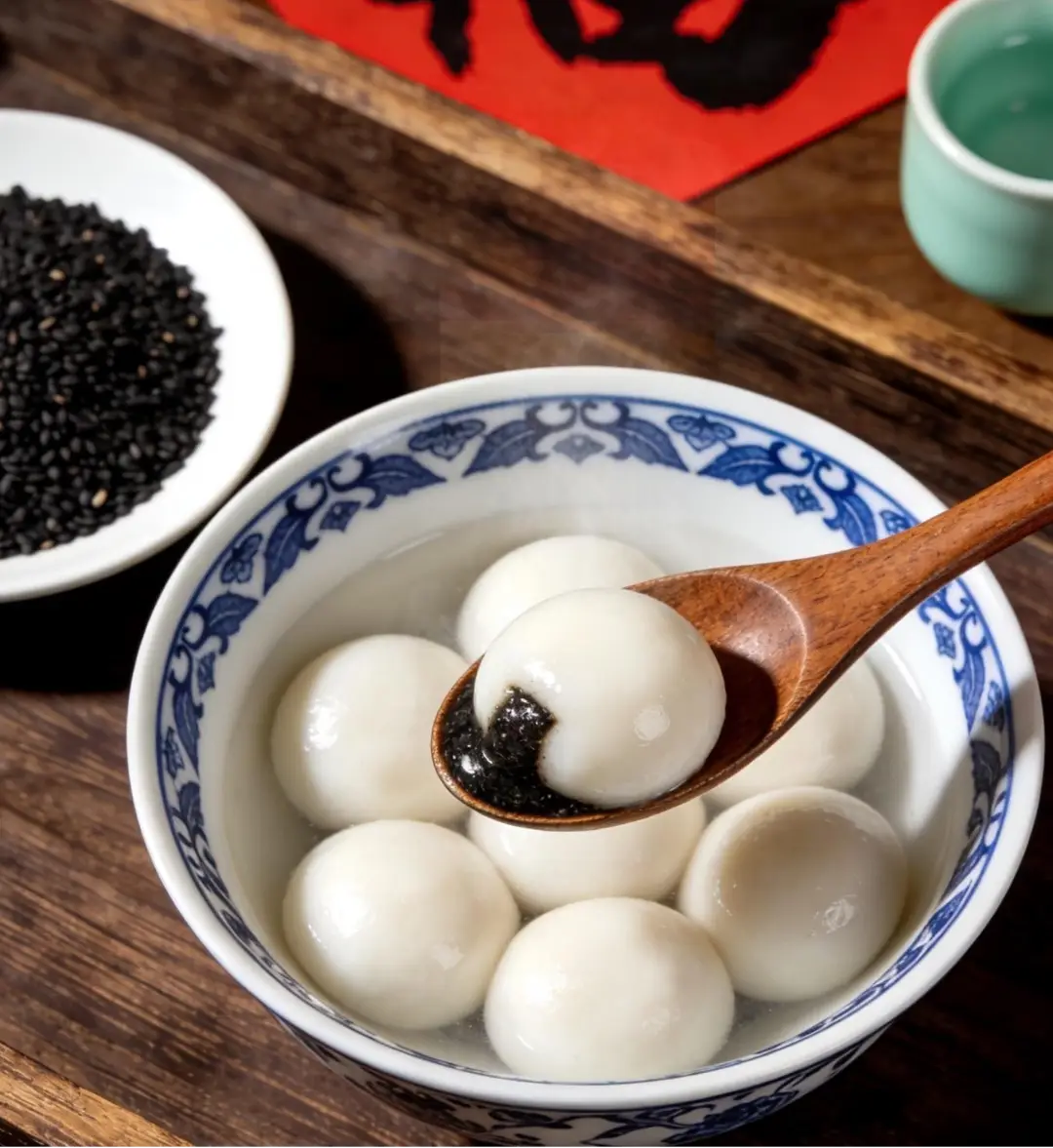
To make each rice ball, you need black sesame seeds, white sesame seeds, peanuts, white powdered sugar, and veggie oil. There aren't any extra tastes. When you eat black sesame seeds, you get calcium, iron, magnesium, and lignans, which are like natural vitamins. Thanks to the sesame and peanut fats that are mixed together, these rice balls are both tasty and good for you.
Antioxidant and Functional Food Appeal
Two chemicals called sesamol and sesaminol, which are found in roasted black sesame and have been written about in food science journals, have been shown to be antioxidants in black sesame paste rice balls. With its interesting history, black sesame tangyuan is a dessert that restaurants that want to build their menus around traditional or useful foods should talk about. It fits right into the categories of "better-for-you" treats and doesn't need to be changed.
Adaptable to Allergen-Aware Menu Planning
Labeling laws stipulate it must be extremely obvious whether the product contains peanuts or sesame seeds, according to the U.S. Food and Drug Administration (FDA). Build up the confidence of the customer in the vendor by being honest. A firm that labels toxins properly is more likely to be trusted by people. The rice balls contain no animal ingredients so the vegan-friendly restaurants may utilize them with plant-based desserts.
Culinary Advantages and Production Efficiency in Foodservice
The operational case for stocking black sesame glutinous rice balls is just as strong as the nutritional one. Kitchens need consistency, speed, and minimal waste — and these products are engineered to deliver exactly that.
Multiple Cooking Methods With Predictable Results
You may boil, steam or pan fry the rice balls. It takes just 6-8 minutes to boil. The balls float when they are done, so there is no guessing. Steaming takes 10-12 minutes, and retains the soft, chewy quality of the skin. The ease of preparation lowers training time and kitchen mistakes for dessert stations with high turnover. When you’re doing hundreds of covers a nite, consistent outcomes from batch to batch are really important.
Skin Integrity Engineered for Commercial Conditions
The dough was prepared using sticky rice flour, pregelatinized starch and a complex emulsifying system (guar gum and xanthan gum) to retain skin elasticity under boiling circumstances. Commercially produced tangyuan has an industry standard burst rate of less than 2%. This approach to formulation implies reduced product loss, a cleaner presentation and less complaints from customers – all of which lowers operating expense over time.
Shelf Life and Cold Chain Compatibility
Stored at or below -18°C, each unit of sweet dumplings carries a 12-month shelf life. This extended frozen window allows procurement teams to order ahead of peak seasons — typically 3–4 months before Lunar New Year or Winter Solstice — without worrying about product degradation. The 12-month shelf life also supports planning for secondary selling windows after the primary holiday peak passes.
Comparison and Sourcing: Why Black Sesame Paste Rice Balls Stand Out?
Some sesame rice ball fillings don't work well at work. To buy things with confidence, you need to know what makes a good product and a bad one.
Black Sesame vs. Alternative Fillings
We’re seeing more individuals utilize peanut paste fillings, which aren’t as unusual. Mixing taro with red beans is popular, but only during specific times of the year. The most significant component is the black sesami paste. Roasted coffee has a powerful scent and flavor, and the contrast of dark within and bright outside makes dessert menus appealing. If you are health conscious, black sesame offers more antioxidants than most other seeds.
Homemade vs. Commercially Produced: The Scale Question
It is possible for one place to make their own tangyuan. It's not for a business in the region that helps 40 Asian stores get ready for Chinese New Year. Commercial production under approved conditions (ISO 9001, HACCP, and Food Production License SC11137139600148) makes sure that each batch is the same, that food safety rules are followed, and that the food can be tracked. All of these things are things that store owners are asking their providers for more and more.
Key Supplier Selection Criteria for B2B Buyers
To judge sellers, procurement teams should have a clear set of rules. Here are the telltale signs of reliable sources versus dangerous ones:
- Certification compliance: ISO 9001, HACCP, and QS certification confirm the supplier meets international quality management and food safety standards.
- Production scale: Suppliers with daily output capacity of 100 tons or more can absorb large seasonal orders without displacing other clients.
- Packaging flexibility: Options like 450g, 1kg, and 2.5kg — with custom packaging capability — allow buyers to serve both retail gift-box lines and bulk foodservice channels.
- Cold chain integrity: Suppliers who maintain -18°C logistics throughout the supply chain significantly reduce the risk of skin cracking or filling separation upon arrival.
Enhancing Foodservice Offerings with Black Sesame Paste Rice Balls
Sometimes black sesame rice balls are used in business instead of just the kitchen. On holiday dessert menus, they're a must. They also help with gift-box lines and give holiday marketing campaigns something culturally relevant to stick to.
Building a "Heritage and Health" Menu Narrative
People all over the U.S. want foods that are authentic to their culture and have ingredients that can be tracked. Chinese holiday customs that date back hundreds of years are directly related to black sesame tangyuan. This story about these rice balls is used by food service businesses to market them as a treat for the Lantern Festival or the Winter Solstice. It works for both Chinese-Americans and people who are just interested in Asian foods.
Customizable Packaging for Retail and Gift Markets
If you only want to buy things for your family during the holidays, the 450g retail format works well. Businesses that cater or people who buy in bulk will like the 1 kg and 2.5 kg sizes. Chinese New Year gift boxes can be wrapped in any way you want. People who sell things can make something that looks great on the shelf without spending a lot more money. They can make a lot of money because they can sell gifts and food in bulk for shops.
Long-Term Supplier Relationships Reduce Procurement Risk
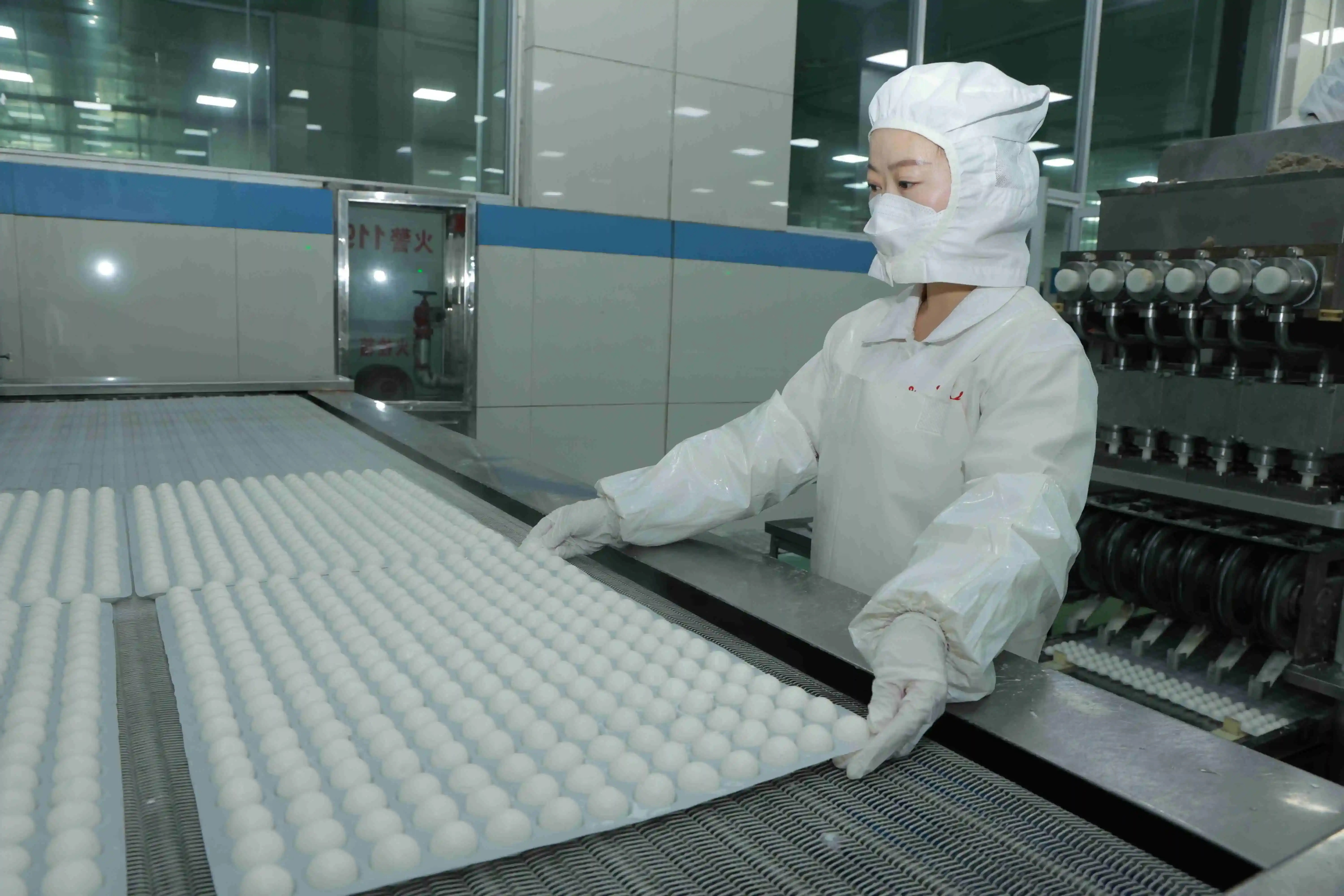
Seasonal sweet dumplings are usually under pressure from a lack of supply. People don't run out of room when they place their orders three to four months before the biggest holiday times. Zhulaoda is a supplier that has been in business since 2001, has three automatic production lines, and more than 8,000 tons of cold storage space. They can give you the supply chain reliability you need to make long-term plans.
Procurement Best Practices and Market Insights for B2B Buyers
Experienced procurement managers know that product quality alone does not guarantee a successful season. The logistics, timing, and supplier communication around peak periods are equally decisive.
Order Timing and Capacity Planning
The frozen Asian dessert category in the U.S. sees sharp demand spikes in January and February ahead of Lunar New Year. Buyers who wait until 6–8 weeks before the holiday often find production slots already filled. Placing orders 3–4 months in advance — typically October or November for January delivery — is the industry standard for securing both product and custom packaging timelines.
Bulk Ordering Efficiency and Margin Management
Larger format orders (2.5kg) reduce per-unit cost and packaging waste. For foodservice distributors supplying Asian restaurants and dessert chains, bulk formats also simplify inventory management. The consistent 15–30g per-ball weight standard across commercial tangyuan production ensures portion cost control, which matters when pricing dessert menus.
Staying Current With Consumer Demand
The frozen Asian food category in the U.S. grew steadily through the early 2020s, driven by pandemic-era cooking trends and sustained interest in Asian cuisines. Market data from IBISWorld and SPINS retail tracking both show continued growth in the frozen Asian dessert segment. Buyers who monitor these trends and adjust order volumes accordingly manage inventory risk more effectively than those who rely solely on prior-year sales data.
Conclusion
Black sesame paste rice balls have their own place in the market for frozen Asian desserts. They are healthy, easy to handle, last a long time, and are culturally important, so Asian stores, food service distributors, and Christmas gift-box companies in the U.S. like to use them. If you're in charge of holiday demand on your buying team, buying from a well-known maker is the best way to have a good Lunar New Year, Lantern Festival, or Winter Solstice. This is because they offer quality assurance, flexible packaging, and production capacities that can be increased or decreased.
FAQ
What causes black sesame tangyuan to crack during frozen storage?
Cracking results from temperature fluctuations during cold chain transport, which cause the skin and filling to expand at different rates. Reputable manufacturers address this through moisture-retention agents in the dough formulation and by maintaining strict -18°C logistics throughout shipping.
How is the lava-style filling effect achieved?
The flowing texture depends on precise control of the fat-to-sesame ratio and the melting point of the lipid matrix. The filling is engineered to remain solid at -18°C and become fluid at serving temperature, typically between 35°C and 45°C. Colloid milling of sesame powder to 80–100 mesh fineness supports the smooth, non-gritty result.
What certifications should I look for when selecting a supplier?
Look for ISO 9001 for quality management, HACCP for food safety process control, and a valid Chinese Food Production License (such as SC11137139600148). These credentials confirm the supplier operates under documented, auditable standards — a requirement for U.S. import compliance and retail buyer approvals.
What packaging options are available for bulk orders?
Standard options are 450g, 1kg, and 2.5kg. Custom festival-themed packaging for Chinese New Year or Lantern Festival gift boxes is available with advance lead time. Confirm packaging timelines when placing pre-season orders.
How far in advance should I place a seasonal order?
Industry practice for Lunar New Year orders is 3–4 months ahead, typically October–November for January delivery. This window covers production scheduling, custom packaging, and international shipping without pressure.
Partner With Zhulaoda for Reliable Black Sesame Paste Rice Balls Supply
Since 2001, Zhulaoda has been making frozen balls of sticky rice. They have more than 8,000 tons of cold storage space and three robot-run production lines. People all over the world trust our company to make black sesame paste rice balls for them. We give 450g, 1kg, and 2.5kg boxes that can be personalized with holiday logos. It is ISO 9001 and HACCP certified. You can email our team at sdzldsp@163.com right now to get samples and talk about pre-season order capacity.
References
1. Shahidi, F., & Ambigaipalan, P. — Journal of Functional Foods, 2015.
2. IBISWorld — Frozen Food Production in the US: Industry Report, 2023.
3. U.S. Food and Drug Administration — Food Allergen Labeling and Consumer Protection Act, 2004.
4. SPINS — Asian Frozen Food Category Performance Report, 2022.
5. Teh, S. S., & Birch, J. — Journal of the American Oil Chemists' Society, 2013.
6. National Restaurant Association — What's Hot Culinary Forecast, 2023.

Learn about our latest products and discounts through SMS or email