- English
- French
- German
- Portuguese
- Spanish
- Russian
- Japanese
- Korean
- Arabic
- Greek
- German
- Turkish
- Italian
- Danish
- Romanian
- Indonesian
- Czech
- Afrikaans
- Swedish
- Polish
- Basque
- Catalan
- Esperanto
- Hindi
- Lao
- Albanian
- Amharic
- Armenian
- Azerbaijani
- Belarusian
- Bengali
- Bosnian
- Bulgarian
- Cebuano
- Chichewa
- Corsican
- Croatian
- Dutch
- Estonian
- Filipino
- Finnish
- Frisian
- Galician
- Georgian
- Gujarati
- Haitian
- Hausa
- Hawaiian
- Hebrew
- Hmong
- Hungarian
- Icelandic
- Igbo
- Javanese
- Kannada
- Kazakh
- Khmer
- Kurdish
- Kyrgyz
- Latin
- Latvian
- Lithuanian
- Luxembou..
- Macedonian
- Malagasy
- Malay
- Malayalam
- Maltese
- Maori
- Marathi
- Mongolian
- Burmese
- Nepali
- Norwegian
- Pashto
- Persian
- Punjabi
- Serbian
- Sesotho
- Sinhala
- Slovak
- Slovenian
- Somali
- Samoan
- Scots Gaelic
- Shona
- Sindhi
- Sundanese
- Swahili
- Tajik
- Tamil
- Telugu
- Thai
- Ukrainian
- Urdu
- Uzbek
- Vietnamese
- Welsh
- Xhosa
- Yiddish
- Yoruba
- Zulu
What Are the Benefits of Lean Pork and Shrimps Wontons in Foodservice
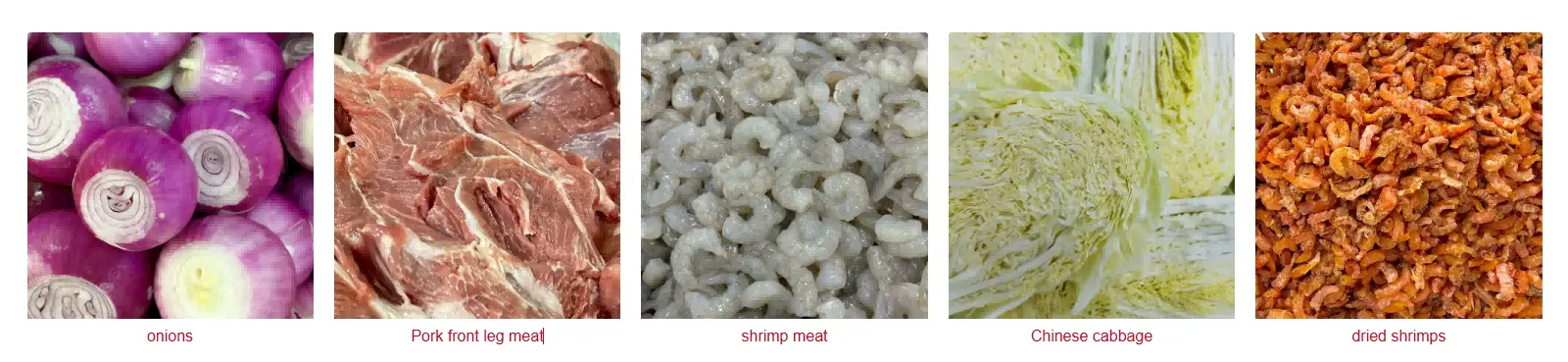
Lean pork and shrimps wontons deliver a measurable advantage to foodservice operators who prioritize protein quality, kitchen efficiency, and menu differentiation. Made with pork front leg meat and whole shrimp meat layered inside a thin, resilient wheat wrapper, these wontons bring genuine high-protein value alongside a clean seafood flavor that sets them apart from standard pork fillings. For B2B buyers sourcing at scale, the combination of stable frozen logistics, 12-month shelf life, and flexible pack sizes—450g, 1kg, and 2.5kg—makes them a practical and premium choice across hotel restaurants, wonton noodle chains, and catering operations.
Nutritional and Health Advantages of Lean Pork and Shrimps Wontons
Operators today face growing pressure from diners who read labels and ask questions. Choosing a shrimp and lean pork filling over traditional fatty pork blends directly answers that demand without compromising taste.
High-Quality Protein from Two Sources
Shrimp is one of the most protein-dense seafood options available, providing roughly 20g of protein per 100g of cooked meat with minimal fat. Pork front leg meat is leaner than belly or shoulder cuts, contributing a firm texture and a cleaner fat profile. Together, they deliver a complete amino acid profile that supports muscle recovery and satiety—qualities that resonate with gym-goers, health-focused diners, and anyone avoiding heavy meals.
Lower Fat Without Sacrificing Flavor
Replacing fattier pork cuts with lean front leg meat reduces saturated fat per serving without creating a dry or bland filling in lean pork and shrimps wontons. The dried shrimps and oyster sauce in the recipe compensate through natural umami depth, so the wonton tastes rich without relying on fat for flavor. This positions the product well on low-fat menus and heart-health-focused restaurant concepts.
Micronutrients That Support Menu Claims
Shrimp contributes zinc and selenium, two minerals that support immune function and thyroid health. B-complex vitamins found in lean pork support energy metabolism. These details give operators legitimate talking points when marketing to health-conscious segments or building nutritional information sheets for institutional clients.
Operational Efficiency and Culinary Flexibility in Foodservice
It costs more than what it was bought for, no matter how well it works in the kitchen. If it's made by Zhulaoda, the wrapper won't break and the filling won't leak out when you boil, steam, or fry it in a pan.
Three Cooking Methods, One SKU
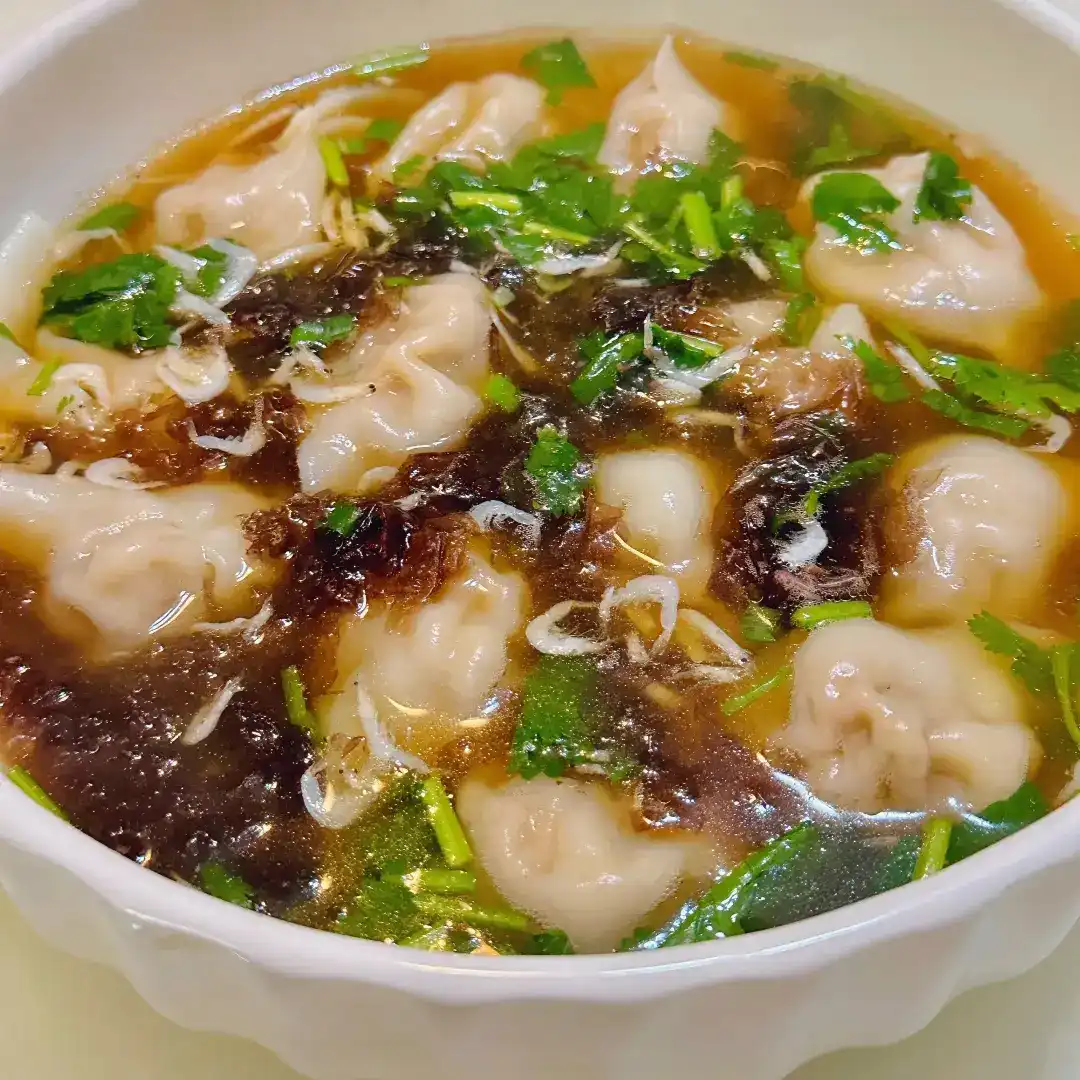
- Boiling: Add frozen wontons to boiling water or broth. They are ready in 5–7 minutes once they float. The wrapper stays intact and the soup stays clear, which matters enormously for high-end wonton noodle presentations.
- Steaming: Place in a steamer for 8–10 minutes. The wrapper becomes translucent and tender while the filling stays juicy. Works well for dim sum service.
- Pan-frying: Fry until golden, add water, cover for 4 minutes, then uncover to crisp. This method suits appetizer menus and bar snack programs.
Frozen Stability and Shelf Life
Having a single SKU of wontons for all three types of food saves money and makes it easier for business owners with more than one idea to keep track of their stock.
Wrapper Performance Under Pressure
They will stay fresh for a year if you keep them at -18°C or less. While the goods are being made, they are blast-frozen at -40°C so that the filling stays wet and the wrapper doesn't break from freeze-thaw stress. No matter what week it is over the next three months, operators will always get the same thing. This is known as "cold chain control."
Procurement and Supply Chain Benefits
It's not enough to have a good price to get chow mein. If someone needs to sell or is in charge of more than one property, they need to have compliance papers, an allergen description, and batch stability in order to buy.
Transparent Allergen Labeling
Each box has a clear list of everything that's in it. Peanuts, garlic, wheat, and shrimp are a few of them. A food production license number SC11137139600148 and a product standard code number SB/T 10412 are written on the package. This gives buying teams the forms they need to send to different market regulators. By law, places that serve people who are allergic to gluten or crab must be honest about this. It's also the right thing to do.
Certified Quality From Factory to Delivery
They follow the rules set by ISO 9001, HACCP, and QS. X-rays are used to see if there are any shell pieces left. Raw shrimp and pork are tested for TVB-N to make sure they are fresh (the goal is less than 15 mg/100 g). Salmonella, Listeria monocytogenes, and Vibrio parahaemolyticus are also looked for. These guardrails make sure that the buyer doesn't get a bad batch that could hurt their business.
Flexible Packaging for Different Purchase Volumes
If you are a business-to-business customer, you can pick from these types of packaging:
- 450g packs — suited for smaller hospitality accounts or menu trials
- 1kg packs — the standard choice for mid-volume wonton noodle shops
- 2.5kg packs — designed for high-volume HORECA accounts running daily wonton service
- Customizable formats — available for chain accounts with specific labeling or portioning needs
This lets teams that buy food pick the right pack size based on how much they need to make. This helps keep prices low between shopping trips and makes less trash.
Market Differentiation and Customer Appeal
All the noodle shops in a busy market sell pork wontons. The price difference between the new shrimp-forward SKU and the old ones lets them charge more.
A Premium Tier That Earns Its Price Point
You can see whole shrimp meat when you cut or bite into a wonton. Seeing shrimp is a good sign of quality because it means the food is cooked well. "Whole shrimp visibility" is what makes this food unique. The meal is worth the extra money because it comes with clear soup. The wrapper is really sealed, and the inside is clean, so this is possible.
Versatile Menu Applications
They can be served on small pan-fried plates as a side dish. You can serve them as a main dish in a bowl of soup or on top of noodles. With this range, you can put the same thing in more than one menu part. You can make more money on each sale this way.
Meeting Dietary Trends Without Reformulation
Every day, U.S. restaurants offer more and more low-fat and high-protein foods. This item fits in with those trends. Food businesses don't have to lie when they say their food is a lean protein option because the nutritional profile and list of products backs it up.
Conclusion
Lean pork and shrimps wontons meet all of the nutritional claims, cooking plans, and buying needs of food service companies. They are made with strong, thin wraps, whole shrimp, and lean front leg pork. They will cook the same whether you boil, steam, or fry them in a pan. Every batch that Zhulaoda makes is HACCP-approved, comes from the same source, and stays safe in the cold chain. You can now tell business buyers everything they need to know about how well this SKU works so they can make a strong food program.
FAQ
Does freezing affect the shrimp texture inside the wontons?
Blast freezing at -40°C locks in shrimp moisture quickly, which protects cell structure better than slow freezing. When cooked from frozen following the recommended method, the shrimp retains a firm, snappy bite rather than a soft or watery texture.
What internal temperature should the wonton reach for food safety?
The filling must reach a core temperature of 74°C (165°F) for at least 15 seconds. This threshold ensures elimination of pathogenic bacteria including Salmonella and Vibrio parahaemolyticus, which are standard safety targets for products containing seafood.
How does this product compare nutritionally to standard pork wontons?
Because lean front leg meat replaces fattier pork cuts, saturated fat per serving is lower. Shrimp adds high-density protein with minimal additional calories, making each wonton more protein-efficient than a traditional pork-and-cabbage filling of the same size.
Can operators request custom packaging or labeling?
Yes. Zhulaoda offers customizable packaging formats beyond the standard 450g, 1kg, and 2.5kg options. Chain accounts and export clients can request specific labeling configurations to meet local regulatory or branding requirements.
Partner With Zhulaoda for Lean Pork and Shrimps Wontons Supply
Zhulaoda has been making frozen wonton items since 2001. There are three robot lines that make 100 tons of wontons every day. As a producer of lean pork and shrimps wontons with ISO 9001 and HACCP certification, we offer a stable bulk supply, full allergen paperwork, and flexible pack sizes for B2B foodservice accounts. To start the sample process right away, email sdzldsp@163.com with information about your goods or a request for a test run.
References
1. USDA Agricultural Research Service. Nutritional Composition of Shrimp and Lean Pork in Prepared Foods. USDA National Nutrient Database, 2022.
2. Food and Agriculture Organization of the United Nations. The State of World Fisheries and Aquaculture: Towards Blue Transformation. FAO, 2022.
3. Journal of Food Science. Effect of Freezing Methods on Textural and Sensory Quality of Shrimp-Filled Dumplings. Institute of Food Technologists, 2021.
4. Journal of Food Protection. Microbiological Hazard Analysis in Seafood-Containing Frozen Convenience Foods. International Association for Food Protection, 2020.
5. Mintel Group Ltd. Global Frozen Food Trends: Protein-Rich and Low-Fat Product Innovation. Mintel, 2023.
6. Food Control Journal. HACCP Implementation in Frozen Wonton and Dumpling Manufacturing Facilities. Elsevier, 2021.


Learn about our latest products and discounts through SMS or email