- English
- French
- German
- Portuguese
- Spanish
- Russian
- Japanese
- Korean
- Arabic
- Greek
- German
- Turkish
- Italian
- Danish
- Romanian
- Indonesian
- Czech
- Afrikaans
- Swedish
- Polish
- Basque
- Catalan
- Esperanto
- Hindi
- Lao
- Albanian
- Amharic
- Armenian
- Azerbaijani
- Belarusian
- Bengali
- Bosnian
- Bulgarian
- Cebuano
- Chichewa
- Corsican
- Croatian
- Dutch
- Estonian
- Filipino
- Finnish
- Frisian
- Galician
- Georgian
- Gujarati
- Haitian
- Hausa
- Hawaiian
- Hebrew
- Hmong
- Hungarian
- Icelandic
- Igbo
- Javanese
- Kannada
- Kazakh
- Khmer
- Kurdish
- Kyrgyz
- Latin
- Latvian
- Lithuanian
- Luxembou..
- Macedonian
- Malagasy
- Malay
- Malayalam
- Maltese
- Maori
- Marathi
- Mongolian
- Burmese
- Nepali
- Norwegian
- Pashto
- Persian
- Punjabi
- Serbian
- Sesotho
- Sinhala
- Slovak
- Slovenian
- Somali
- Samoan
- Scots Gaelic
- Shona
- Sindhi
- Sundanese
- Swahili
- Tajik
- Tamil
- Telugu
- Thai
- Ukrainian
- Urdu
- Uzbek
- Vietnamese
- Welsh
- Xhosa
- Yiddish
- Yoruba
- Zulu
How to Store Pork Shrimps Corn Dumplings for Safe Distribution
Storing pork shrimps corn dumplings correctly is the single most important factor in protecting product quality across the entire distribution chain. These frozen dumplings — filled with pork front leg meat, shrimp, sweet corn, spinach, and Chinese cabbage — must be held at -18°C or below at every stage, from factory output to retail shelf. Any temperature break risks ice recrystallization, wrapper cracking, and microbial growth. This guide walks B2B procurement managers, private label buyers, and distributors through the storage standards, cold chain protocols, and supplier criteria that keep every bag shelf-ready and customer-safe.
Understanding the Storage Challenges of Frozen Shrimp and Pork Dumplings
The tri-protein filling in these dumplings — pork, shrimp, and corn — creates specific storage risks that single-protein dumplings do not share. Procurement teams who understand these risks can negotiate better quality guarantees with suppliers.
Moisture Migration in Multi-Ingredient Fillings
Corn kernels and shrimp both carry high water activity. During storage, that moisture migrates outward toward the wheat dough wrapper. If the freezing process was slow or inconsistent, large ice crystals form inside the filling cells, rupture the shrimp tissue, and produce a mushy texture after cooking. Industrial producers address this with IQF (Individual Quick Freezing) at -35°C, which locks moisture in place before it can travel.
Wrapper Integrity and Freezer Burn
The uneven surface created by whole corn kernels and shrimp chunks puts mechanical stress on the dough wrapper during freezing expansion. Hairline cracks — called "crazing" — allow moisture to escape during storage, leading to freezer burn and soup loss at the cooking stage. Producers who use vacuum-kneaded, high-gluten dough (11–13% protein flour) reduce this risk substantially.


Microbial Risk Specific to Crustacean Ingredients
Shrimp in pork shrimps corn dumplings carries Vibrio parahaemolyticus, a pathogen that standard meat dumpling testing protocols may not catch. Any temperature deviation above -18°C during transit creates conditions for bacterial activity. B2B buyers should require supplier documentation showing tested Total Plate Count (TPC) limits calibrated for seafood-containing products, not just standard meat dumplings.
Best Practices for Storing These Dumplings to Protect Quality
You need to do more than just know about the risks. In a business that sells frozen foods, the steps below show how to store food so that it is ready to be sent out.
Maintain Unbroken -18°C or Below Throughout the Cold Chain
Keep the item frozen at -18°C or below for a year. This is written on both the product standard code SB/T 10412 and the storage directions from the maker. Even a short rise to -12°C during loading or unloading can make the ice re-crystallize, which will always make shrimp taste bad. Much more than most frozen foods, this item can handle a cold chain difference of ±2°C.
Use Packaging That Controls Oxygen and Moisture Exposure
Vacuum sealing, also known as MAP, keeps the pork filling's fat from going bad and slows the loss of water from the corn and shrimp. How well the 450g or 1kg retail private label SKUs get to the customer depends on how well the inner bag closes. Buyers should ask sellers for records of tests that measure how much packing leaks while they look at samples.
Train Warehouse and Logistics Personnel on Handling Protocols
People make a lot of mistakes that mess up the cold chain. Over the course of a year, temperature changes that happen when people move pallets and then leave them on loading docks or put goods near freezer doors that let in a lot of air add up. Written instructions on how to handle things, set times for moving, and lists of who is responsible for what should all be in selling contracts.
Comparing Fresh vs. Frozen Storage for B2B Distribution
This comparison is most helpful for people who need to buy things for regional distribution centers, club shops, or retail accounts across borders, where delivery times may be different.
Why Frozen Storage Wins for Commercial Scale?
Fresh dumplings will only last days in the fridge, not months. Fresh storage is not an option for a business-to-business buyer who is in charge of 10,000 to 50,000 units spread out in different warehouses. For twelve months, you can use frozen goods for ocean freight wait times, safety stock reserves, and promotional planning cycles. With fresh goods, you can't do any of those things.
Cold Chain Case Evidence from Frozen Dumpling Export Operations
When making export-grade frozen dumplings, enzyme improvers are added to the dough to keep it from microcracking while it's being sent in the fridge over long distances. When goods are sent by ocean freight for 30 days, temperature loggers make sure they get to their destination stores with the same level of wrapper integrity and filling texture as when they were sent within the country, as long as the cold chain wasn't broken.

The Cost of Getting It Wrong
It's possible for a product to be taken off the market, given discounts, or even returned because of a single change in temperature. People who buy private name will lose shelf space and get bad news if they do that. It doesn't cost much per unit to invest in confirmed cold chain practices, like checking with suppliers or using IoT to track temperature. This is because the cost of one failed shipment is pretty low.
Technology That Improves Storage Visibility
In addition to the way things are stored physically, technology now gives buying teams info in real time that wasn't available before.
IoT Temperature Loggers and Digital Traceability
When you put IoT-enabled temperature loggers inside shipping containers, they record data on a regular basis while the goods are being shipped. These numbers can be used by procurement managers at the site to make sure the cold chain was kept up. This is very important for ship freight going from China to ports in North America, since the trip takes 25 to 35 days and the exposure windows are greater.
Intelligent Packaging with Freshness Indicators
Time-temperature markers (TTIs) on the outside of the boxes change color if the temperature of the item inside has gone above or below a certain range. More and more people who shop at supermarkets and club stores want these because they make it easy to see how good the goods are when they get there.
Sustainable Packaging Compliance for North American Markets
People who buy private name corn goods to sell in the U.S. or Canada need to make sure that the packing materials are safe for the environment. Manufacturers that offer OEM/ODM services can give you options like PE film that can be recycled and trays that use less plastic. These can be picked out while the package is being designed, and the security standards for the goods won't change.
Procurement and Supplier Criteria for Safe Storage Assurance
Not only is the way you store things important, but so is choosing the right provider. Before you hire a seller, here are some things you should look for.
Certifications That Confirm Cold Chain and Food Safety Standards
It is recommended that buyers make sure that suppliers have at least HACCP certification. ISO 22000 or BRC approval is better for cold food sold in stores. The steps that are written down and checked to keep crustacean and gluten ingredients away from allergens are shown by these certifications. Just Sedex or BSC?Big grocery shops expect their private label programs to pass social compliance checks.
OEM/ODM Capability for Private Label Packaging
A manufacturer with real OEM/ODM experience can make the product under the buyer's brand, change the dough's thickness or sweetness to meet the needs of the target consumer, and offer the product in 450g, 1kg, and 2.5kg standard unit sizes. Before telling the supplier what changes they need to make, buyers should make sure that the supplier will keep the recipe secret and that a Non-Disclosure Agreement (NDA) is standard business
Supply Continuity Capacity to Prevent Stockouts
There is enough supply to keep stores from running out of goods during busy shopping times thanks to a manufacturer with more than 8,000 tons of cold storage room and multiple automated production lines that can make 100 tons of product every day. As part of their due diligence, buyers should ask for proof of how much the company can make and references from current retail customers.
Conclusion
Three things work together to make sure that pork shrimps corn dumplings are safely sent: a cold chain that stays shut at -18°C or below; packaging that keeps air and moisture out; and a maker with approved food safety systems and a proven ability to keep supplies going. These storage rules aren't just there to make things easier for private label buyers who want to make a unique SKU in the Asian frozen food area; they also keep the brand safe. When your customers buy something from your shop, the quality either stays the same or goes down from the plant blast freezer to the shelf.
FAQ
What is the shelf life of frozen shrimp pork corn dumplings?
Under continuous storage at -18°C or below, the shelf life is 12 months. Any temperature deviation shortens this window and may compromise wrapper and filling quality.
Can frozen dumplings be refrozen after partial thawing?
Refreezing is not recommended. Repeated freeze-thaw cycles damage the shrimp tissue, degrade the wrapper, and increase microbial risk. Once thawed, the product should be cooked immediately.
What allergens are present in this product?
The product contains wheat, soybean, and shrimp (crustacean). These are declared allergens under both U.S. FALCPA and EU allergen labeling regulations. Private label buyers must confirm compliant labeling for their destination market.
How should bulk cases be stored in a distribution warehouse?
Cases should be stored on pallets away from freezer doors, at -18°C or below, with consistent airflow around the stack. Avoid placing product near loading dock doors where ambient temperature exposure is higher.
What cooking methods are suitable for this product?
The dumplings can be boiled (6–8 minutes), steamed (8–10 minutes), or pan-fried. Each method works well because the shrimp and corn moisture creates sufficient internal steam during cooking to heat the filling through.
Partner with Zhulaoda — Your Trusted Pork Shrimps Corn Dumplings Supplier
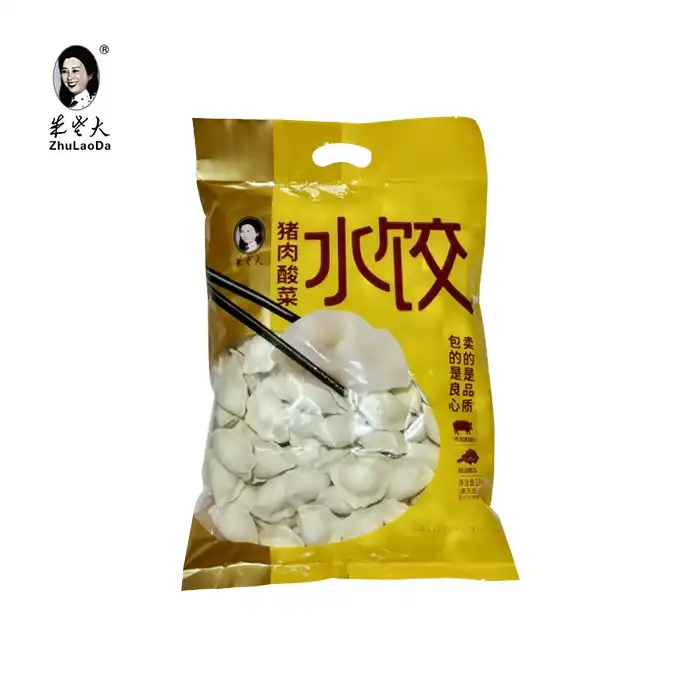
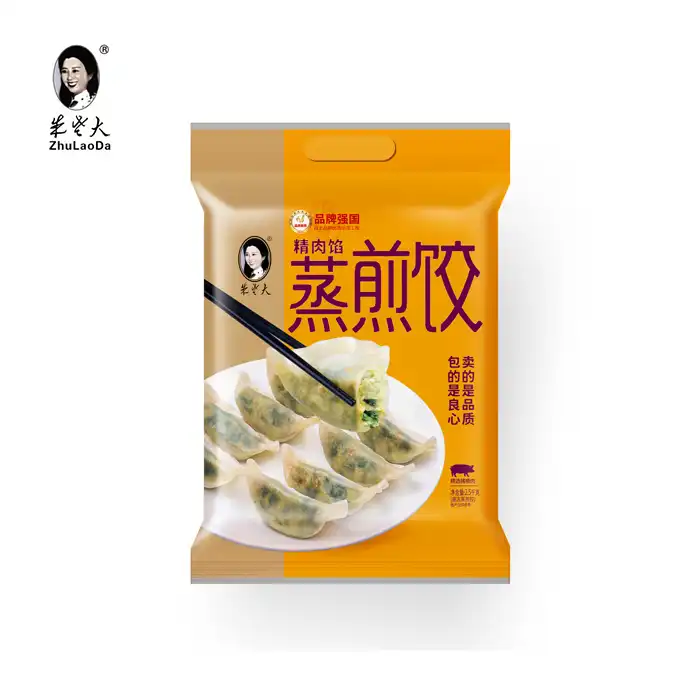
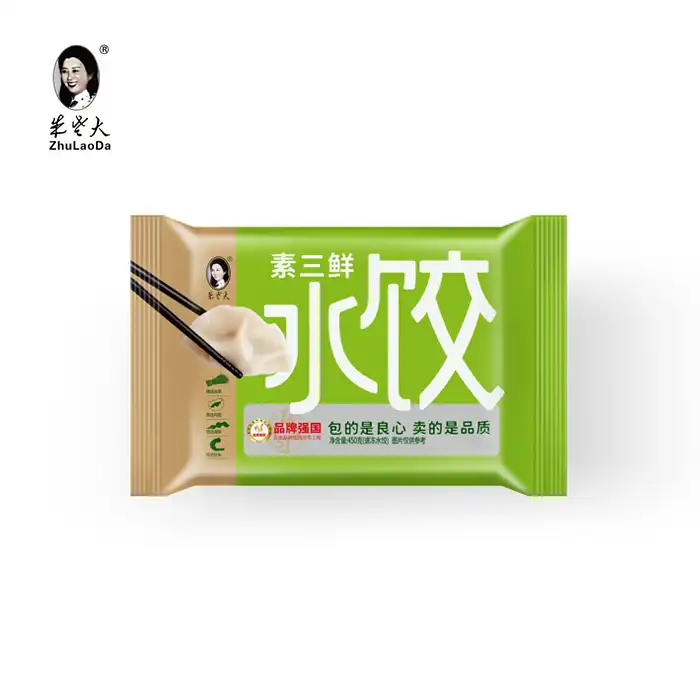
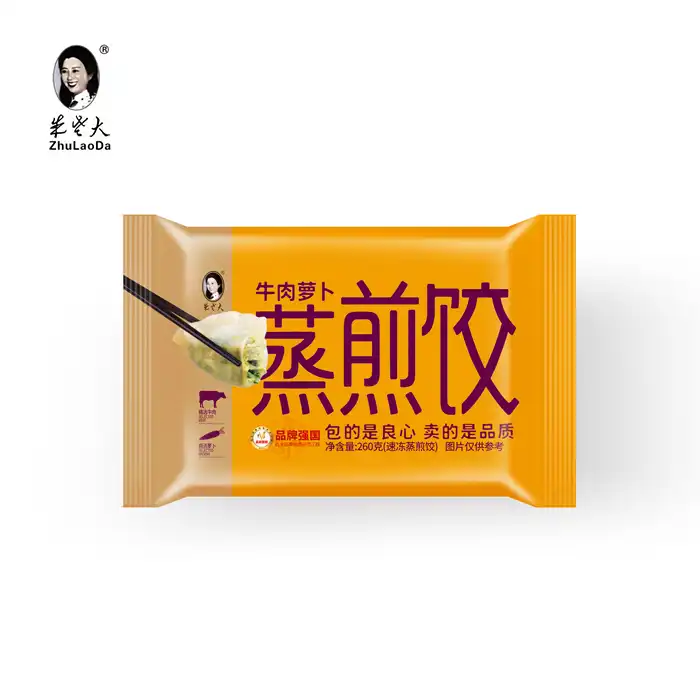
Since 2001, Zhulaoda has been making dumplings that are frozen. Every day, they can make 100 tons of them, and they have cold storage for more than 8,000 tons of them. Our OEM/ODM private label programs come with NDA protection, SKU sizes can be changed from 450g to 2.5 kg, and we can pass third-party exams like HACCP, Sedex, and BSCI. Talk to our export team at sdzldsp@163.com right away to get samples and a plan for your store's own brand.
References
1. Food and Agriculture Organization of the United Nations. Codex Alimentarius: Code of Practice for Fish and Fishery Products. FAO, 2020.
2. International Institute of Refrigeration. Recommendations for the Processing and Handling of Frozen Foods. IIR, 2016.
3. U.S. Food and Drug Administration. Fish and Fishery Products Hazards and Controls Guidance, 4th ed. FDA, 2011.
4. Fellows, P.J. Food Processing Technology: Principles and Practice, 4th ed. Woodhead Publishing, 2017.
5. Sun, Da-Wen, ed. Handbook of Frozen Food Processing and Packaging, 2nd ed. CRC Press, 2011.
6. Mercier, S., Villeneuve, S., Mondor, M., & Uysal, I. "Time-Temperature Management Along the Food Cold Chain: A Review of Recent Developments." Comprehensive Reviews in Food Science and Food Safety, 2017.
Learn about our latest products and discounts through SMS or email