- English
- French
- German
- Portuguese
- Spanish
- Russian
- Japanese
- Korean
- Arabic
- Greek
- German
- Turkish
- Italian
- Danish
- Romanian
- Indonesian
- Czech
- Afrikaans
- Swedish
- Polish
- Basque
- Catalan
- Esperanto
- Hindi
- Lao
- Albanian
- Amharic
- Armenian
- Azerbaijani
- Belarusian
- Bengali
- Bosnian
- Bulgarian
- Cebuano
- Chichewa
- Corsican
- Croatian
- Dutch
- Estonian
- Filipino
- Finnish
- Frisian
- Galician
- Georgian
- Gujarati
- Haitian
- Hausa
- Hawaiian
- Hebrew
- Hmong
- Hungarian
- Icelandic
- Igbo
- Javanese
- Kannada
- Kazakh
- Khmer
- Kurdish
- Kyrgyz
- Latin
- Latvian
- Lithuanian
- Luxembou..
- Macedonian
- Malagasy
- Malay
- Malayalam
- Maltese
- Maori
- Marathi
- Mongolian
- Burmese
- Nepali
- Norwegian
- Pashto
- Persian
- Punjabi
- Serbian
- Sesotho
- Sinhala
- Slovak
- Slovenian
- Somali
- Samoan
- Scots Gaelic
- Shona
- Sindhi
- Sundanese
- Swahili
- Tajik
- Tamil
- Telugu
- Thai
- Ukrainian
- Urdu
- Uzbek
- Vietnamese
- Welsh
- Xhosa
- Yiddish
- Yoruba
- Zulu
Top Carrot and Egg Dumplings for Healthy Foodservice Menus at Scale
When it comes to building a healthy, scalable foodservice menu, carrot and egg dumplings stand out as a smart, versatile choice. These vegetarian dumplings combine the natural sweetness of finely grated carrots with fluffy scrambled eggs, wrapped in a thin, chewy dough that holds up beautifully whether boiled, steamed, or pan-fried. For procurement managers, catering operators, and commercial kitchen directors seeking a reliable, nutrition-forward frozen dumpling option, this guide walks through everything you need to evaluate, source, and deploy them at volume.
Understanding Carrot and Egg Dumplings – Nutritional and Culinary Insights
Why the Filling Formula Works
Beta-carotene, which is a precursor to vitamin A, is found in large amounts in carrots. Eggs, on the other hand, provide full protein and important B vitamins. They work together to make a filling that is really healthy. The USDA FoodData Central database says that a large egg has about 6 grams of protein and 72 calories, while a half-cup of raw carrots has more than half of the daily recommended amount of vitamin A. People who care about their health will really like these dumplings because they have all of those things in one bite-sized wrapping.
Besides being good for you, the cooking makes sense. Carrot filling with the right amount of moisture (ideally between 60% and 65%) keeps the inside soft without breaking the wrapper. The wrapper itself is set to a thickness of 0.8–1.2 mm, which keeps the product stable at high temperatures and keeps it from having a sticky feel that turns people off.
Culinary Versatility at Scale
These dumplings don't lose their flavor when cooked in different ways. When you boil it, the wrapper gets silky and soft. The delicate sweetness of the carrot filling stays the same when you steam it. When you pan-fry something, you add a golden, crispy base that makes the texture more appealing for restaurant presentations. That freedom counts greatly in high-volume operations, where cooking teams need a single SKU capable of serving multiple dayparts and menu places — appetizer, main course, or snack.
Top Carrot and Egg Dumpling Suppliers for Bulk Procurement
Evaluating Frozen vs. Fresh for Commercial Kitchens
When buying food for restaurants, frozen dumplings always do better than fresh ones when it comes to the three things that matter most at scale: shelf life, cold-chain stability, and portion consistency. With a frozen shelf life of 12 months at -18°C, procurement teams can plan their product processes without worrying about going bad. When handled correctly, individually quick-frozen (IQF) production lines keep the cracking rate below the industry standard of 2%. This keeps the integrity of the product while it's being shipped and stored.
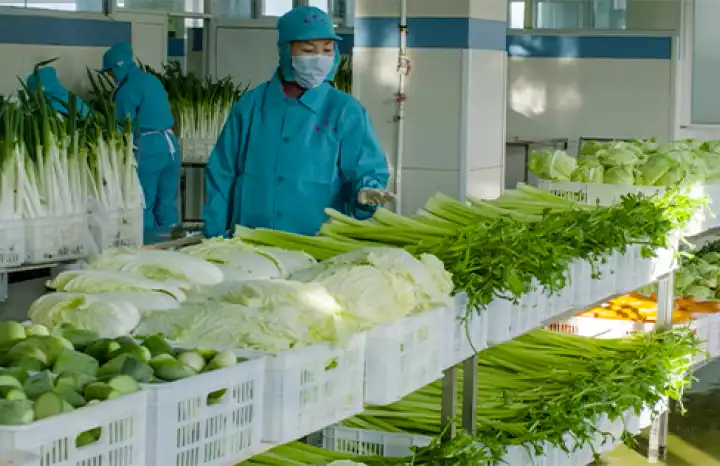
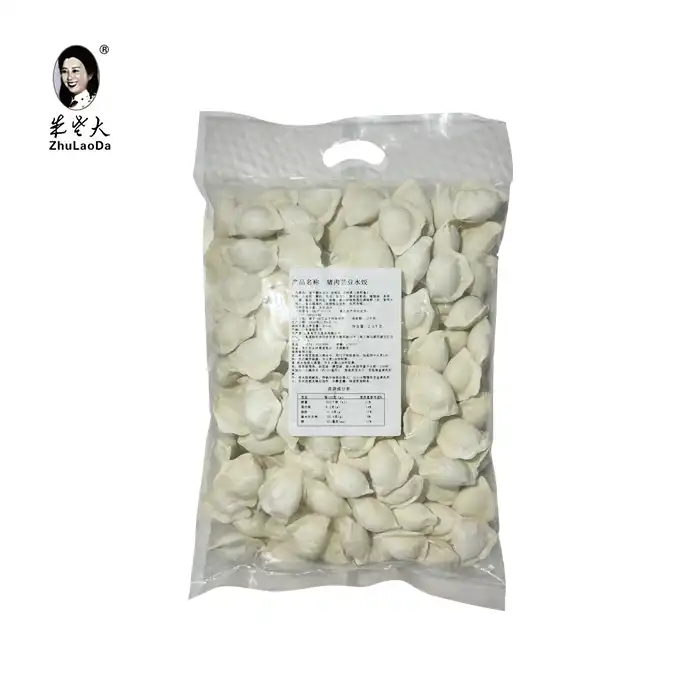
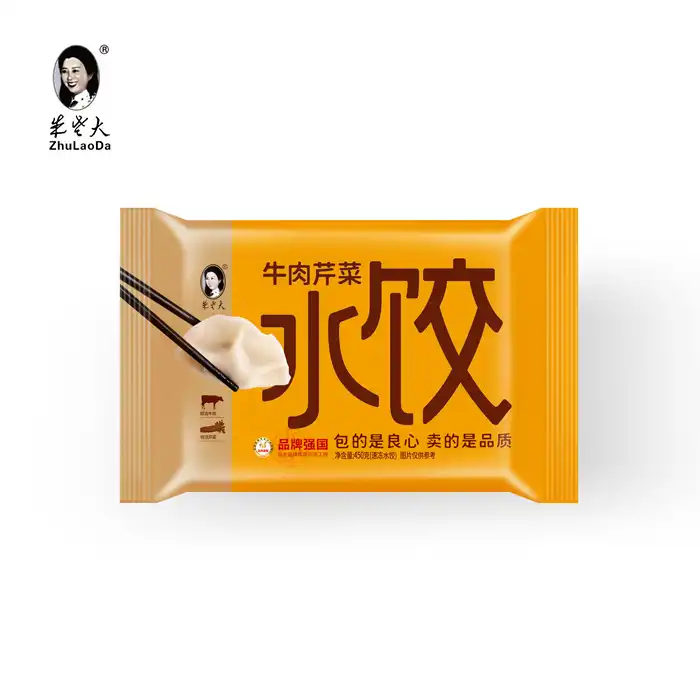
Zhulaoda was formed in March 2001 and is based in the southern part of Shandong, China. It has three robotic production lines that can make up to 100 tons of goods every day. Their cold storage system, which is a modern intelligent shuttle rack system, can hold more than 8,000 tons of frozen goods. This means that they can provide bulk supplies without interruption, which is not just a marketing claim. They have a Food Production License Number SC11137139600148 for their carrot and egg dumplings, and they meet Product Standard Code SB/T 10412. This gives procurement officers the proof they need to pass supplier audits.
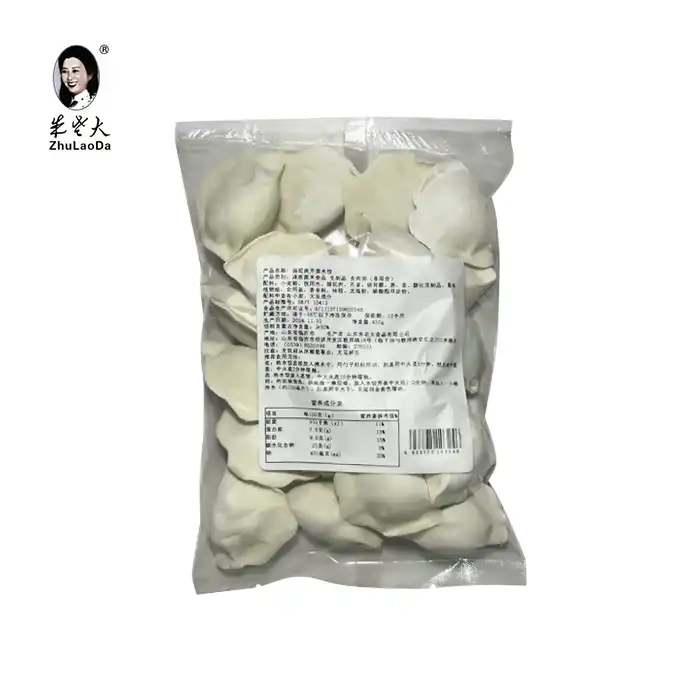
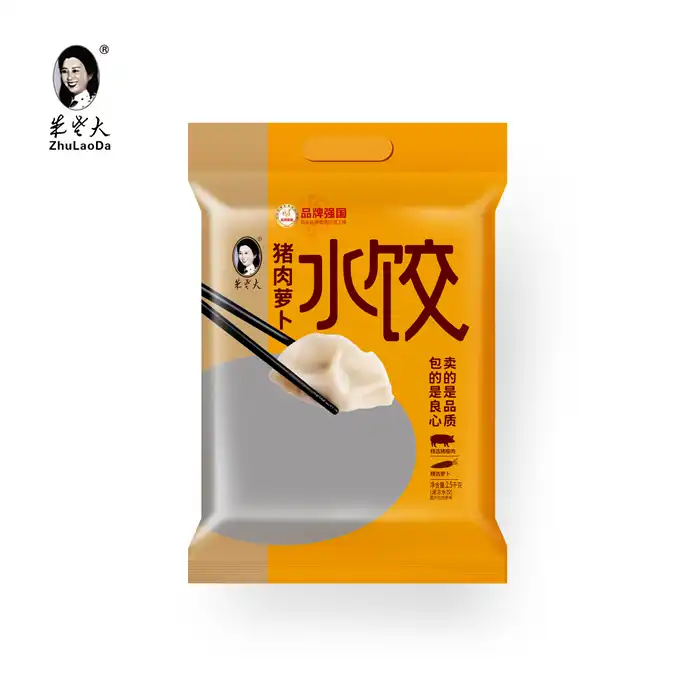
When buying in bulk, buyers should give preference to sellers who offer a range of pack sizes. Zhulaoda's line of carrot and egg dumplings comes in 450g, 1kg, and 2.5kg sizes, and brands that need OEM packaging or private-label solutions can make changes to the sizes and styles.
How to Choose the Best Carrot and Egg Dumplings for Your Foodservice Business
Key Selection Criteria for B2B Buyers
There's more to picking the right frozen vegetable dumpling provider than just trying a taste. Before committing to large orders, procurement teams need to look at texture, ingredient integrity, allergen transparency, and cold-chain documentation.
Here are the main things that expert restaurant buyers look for:
- Wrapper durability: The filling-to-wrapper ratio should fall between 55:45 and 60:40. Wrappers that are too thin collapse during boiling; wrappers that are too thick mask the filling's flavor. Look for gluten strength data from farinograph analysis in supplier documentation.
- Ingredient traceability: Quality suppliers document raw material origins. Zhulaoda sources wheat flour from Canada and China's Hetao Plain, both regions recognized for high-protein milling wheat. Carrots and other vegetables are procured directly from growing origins and pass pesticide residue screening before entering the production line.
- Allergen labeling: Carrot and egg dumplings contain wheat, soybean, and egg components. Clear allergen declaration on packaging is non-negotiable in regulated foodservice markets, including U.S. school nutrition programs and healthcare catering.
- Microbiological safety: Supplier QA programs should cover Total Plate Count, Salmonella, and Listeria testing on every production batch, with retained samples for traceability.
All of these factors work together to keep your business safe from quality problems that hurt customer trust and lead to expensive refunds.
Streamlining Preparation and Storage for Maximum Efficiency
Cold Chain and Kitchen Workflow Optimization
To manage a large number of carrot and egg dumplings, strict cold-chain rules are needed. Product must be kept at or below -18°C during the whole delivery process. Temperature misuse, even short trips above that level, causes ice to recrystallize within the dough lattice, which makes the structure worse when it's cooked.
Controlled refrigeration (2–4°C) is better than ambient countertop thawing for thawing in commercial kitchens because it slows down the growth of microbes. For businesses with a lot of food to process, steaming straight from frozen is a good option that cuts down on handling time and keeps the quality of the food. The cooking loss rate, or the amount of weight that is lost when something is boiled, should stay below 5% for well-made dumplings. This is an important factor that affects how much each piece costs.
Zhulaoda's high-quality production workshop has modern fresh air systems and infrastructure for sterilization. This makes sure that hygiene standards are met at the manufacturing level so that the cold chain works smoothly.
Addressing Common Challenges and Ensuring Consistent Quality
Scaling Without Sacrificing Texture or Safety
"Carrot and egg dumplings carrot bleed" is a problem that happens a lot when making a lot of vegetable dumplings. This is when the orange color moves into the white wrapper, which means that the oil covering wasn't done right during production or the temperature was too high afterward. A well-made filling puts a thin layer of vegetable oil around the carrot shreds before putting them in the wrapper. This keeps the carrots from getting stained and keeps the dish's appearance.
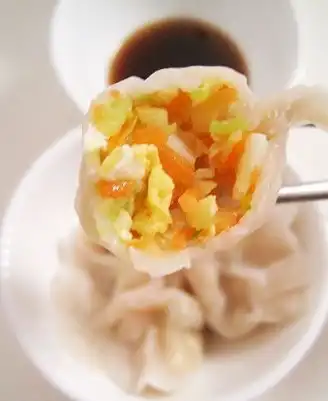
Cross-contact control for allergens is another area that can't be changed. In the US, egg is one of the eight most common allergens. Suppliers must show either separate production line methods or shared-line disclosures that are clearly labeled. The dumplings from Zhulaoda clearly list the allergens they contain: they have wheat, soy, and egg in them. This gives buyers the information they need for accurate menu labeling.
People buy from you again and again if the batches are consistent. Automated check-weigher systems and X-ray checking during production make sure that the ratio of dough to filling stays within the required range. Deviations of more than 1% are detected and taken out. That level of process control directly leads to happy customers and reliable business performance.
Conclusion
Carrot and egg dumplings are a great addition to health-focused food service menus because they are healthy, look good, and are easy to make on a large scale. Carrots are high in beta-carotene, eggs are high in protein, and they stay frozen well, so they are a reliable SKU for caterers, restaurant groups, and institutional food programs. Choosing the right supplier—one with clear quality standards, proven cold-chain infrastructure, and a range of flexible packing options—will determine whether this product becomes a regular on the menu or a pain to get.
FAQ
Where can I find a reliable carrot and egg dumpling supplier for bulk foodservice orders?
The best place to start is with well-known frozen food companies that have HACCP paperwork, ISO-compliant facilities, and production licenses that can be checked. Zhulaoda (zhulaodadumpling.com) has been in business since 2001. Their vegetable dumpling line can make 100 tons of dumplings every day and stay frozen for 12 months.
Are frozen dumplings cost-effective compared to fresh-made for commercial kitchens?
Frozen dumplings save a lot of money on labor, waste, and time spent making them. A shelf life of 12 months makes inventory more flexible, and checkweigher systems make sure that each portion is the same weight. This makes food cost more accurately than hand-made alternatives.
How should carrot and egg dumplings be stored in a commercial setting?
At every step of the cold chain, store at -18°C or less. Do not freeze and thaw more than once. For the best structure, cook straight from frozen by steaming or boiling. A cooking loss rate of less than 5% means the product is of good quality.
What allergens do these dumplings contain?
Carrot and egg cakes from Zhulaoda are made with wheat, soy, and eggs. Always look at the supplier's allergy information and make sure that the food labels follow the rules in your area.
Partner with Zhulaoda for Premium Carrot and Egg Dumplings at Scale
Zhulaoda has been making frozen foods for more than twenty years and brings that experience to every order. As a reputable company that makes carrot and egg dumplings, we offer flexible pack sizes, strict batch-level quality paperwork, and operations that are ready for the cold chain. You can email us at sdzldsp@163.com or go to zhulaodadumpling.com to get examples, cost information, or OEM advice. One question away is your next food item that will do really well.
References
1. USDA FoodData Central. (2023). Nutritional composition of eggs and carrots. U.S. Department of Agriculture.
2. Food and Agriculture Organization of the United Nations. (2022). Food safety management systems: HACCP principles and application guidelines. FAO.
3. Journal of Food Science. (2021). Freeze-thaw stability of starch-based wrappers in quick-frozen dumplings. Institute of Food Technologists.
4. China National Standard GB/T 23786. (2022). Quick-frozen dumplings: Quality and safety requirements. Standardization Administration of China.
5. International Journal of Food Microbiology. (2020). Salmonella control strategies in egg-based processed foods. Elsevier.
6. Nation's Restaurant News. (2023). Vegetarian and plant-forward menu trends driving growth in U.S. foodservice. Informa Connect.
Learn about our latest products and discounts through SMS or email